Prefer Jewish News on Google
Budget wish list: UK business leaders set out their hopes and fears
From retail and restaurants to finance and tech, industry heavyweights including Sir Martin Sorrell, Baroness Ros Altmann and Daniel Daggers tell Candice Krieger their concerns ahead of this month's Statement
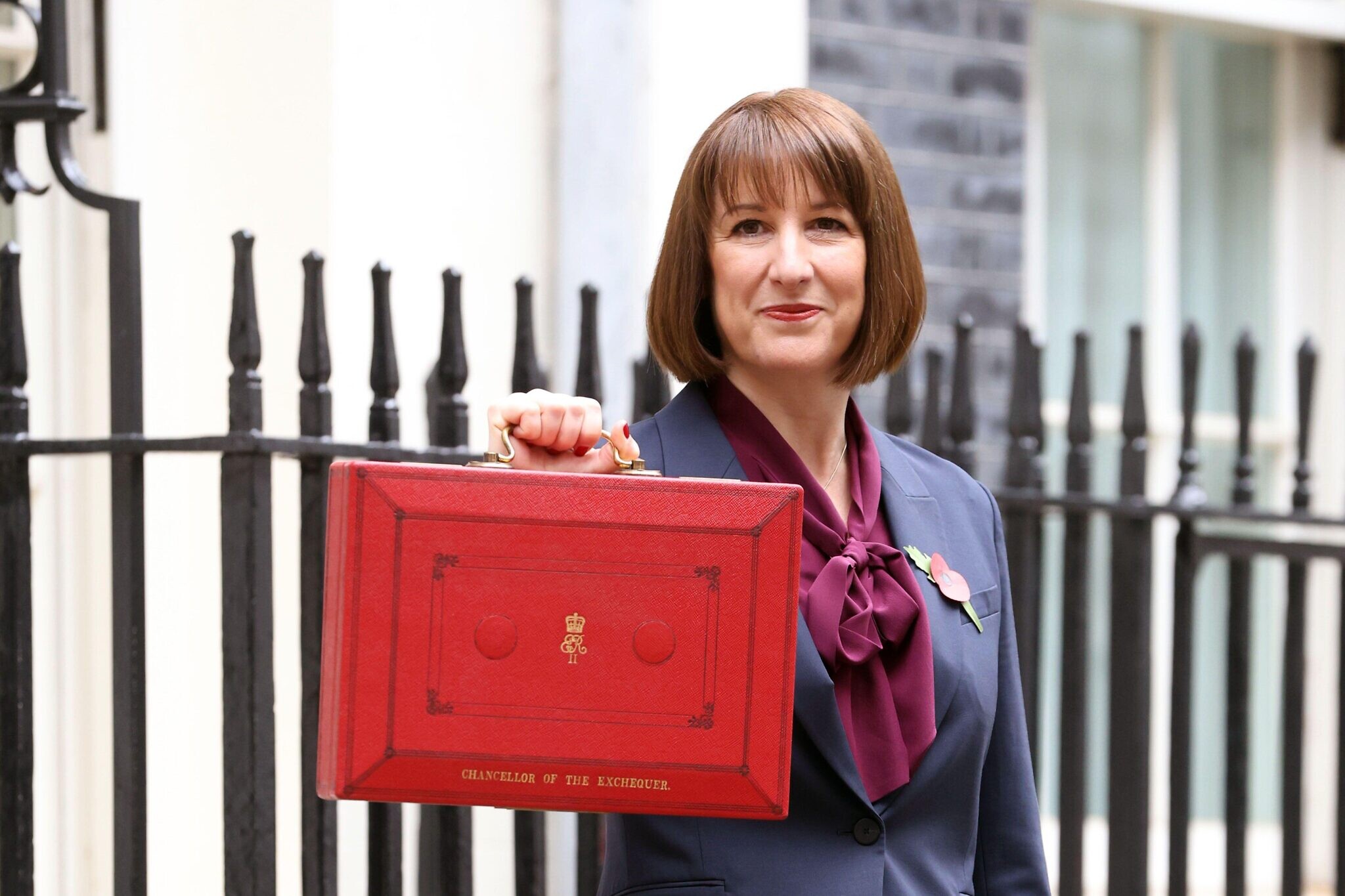
Chancellor Rachel Reeves is preparing to deliver her much-anticipated budget later this month, amid warnings of a £30 billion shortfall. As speculation mounts over tax rises – including income tax for the first time in 50 years – and spending cuts, leading business figures tell Jewish News what they want to see from the chancellor to ensure long-term economic growth.
Sir Martin Sorrell, founder & executive chairman | S4 Capital plc
“It’s clear Rachel Reeves has a sizeable black hole to fill, probably at least £25 billion, when you include a £5 billion buffer against contingencies. And it’s no secret that she has been eyeing up tax hikes across several areas in order to fill the hole: high-end property, extending National Insurance, pension tax reliefs, to name but three.

Maybe there will be increases in capital gains tax and even a tax raid on the assets of those leaving the UK. But while it now seems inevitable that taxes will rise before things get better, each or any of these measures will have damaging consequences. And more to the point, you don’t get growth by raising taxes. As any company knows, to do that you need to invest and to provide people with the motivation to commit their time and energy.
There has been an alarming exodus not just of non-doms, but younger people with great ability, who want strong career prospects and are gloomy about the UK’s future.



So unless the budget includes an equal package of tax reliefs and other incentives to encourage people to invest in their businesses and to stay in the UK, it will take us further away from growth and be self-defeating.”
Baroness Ros Altmann CBE, former Government pensions advisor
“Tax increases to help fill the chancellor’s fiscal shortfall will undermine her key priority of boosting long-term investment and growth. Tax rises dampen economic activity, but there are much better options she could consider by using pensions.

Tax raids on middle Britain, wealth taxes, higher capital gains taxes and cuts to pension allowances – and last year’s dreadful imposition of inheritance tax on unused pensions – have unsettled confidence in long-term investing and pensions. Instead, pension contributions could actually improve British growth – at no extra Exchequer cost.
£70 billion in tax and national insurance reliefs are added to pension contributions every year, yet most of the money is invested overseas. Why are taxpayers spending such huge sums to benefit other countries, rather than the UK?
Requiring perhaps 25% of all new contributions to invest in British assets – as a condition of receiving taxpayer subsidies – would revive our once-strong domestic long-term investor base. Without spending more money, pension funds could drive much-needed long-term investments, including infrastructure, housing, life sciences, alternative energy and new or established businesses, increasing business confidence, re-rating our undervalued markets, attracting more companies here and boosting Britain’s growth.
Overly-risk-averse regulation drove pension funds to reduce higher expected-return investments, especially driving sales of UK equities, for the last twenty years. This weakened our economy and markets, yet other global pension funds invest heavily in domestic growth assets. Instead of cutting higher earners’ pension tax allowances, which puts people off pensions, let’s drive contributions to benefit Britain.”
Nick Gross, founder and principal consultant at LanburyHundred, a specialist restaurant and hospitality consultancy

“The most beneficial gifts to our industry from the chancellor would be:
1. Any drop, temporary or permanent, in VAT rates as per the long-standing staggered reductions used in France and other countries to stimulate profitability and growth.
2. Stimulus measures to support or fund cheap or at least affordable bank loans for operators who have struggled for years to find money from the high street lenders.
3. Confirmation that continued access to Small Business Rates Relief will be made available as young single site businesses seek to grow without hindrance.
4. Substantial investment in colleges and apprenticeships for young people seeking to join the industry – arguably one of the biggest employers in the UK – especially in light of recent changes to the Skilled Worker Visa scheme which removed chefs as an applicant category almost overnight in the Summer. Chefs don’t just cook in posh restaurants – they cook in schools, prisons and hospitals too!”
Daniel Daggers, founder and CEO of DDRE Global

“The recent talk around stamp duty, capital gains tax, and even a potential mansion tax is understandable, but reform should be about unlocking movement, not restricting it.
Stamp Duty has become a brake on the economy.
Every increase reduces transactions and confidence while delivering diminishing returns to the Treasury. I believe cutting rates at the lower end would help first-time buyers and improve market fluidity. There should also be a stamp duty discount for older homeowners who choose to downsize, freeing up family homes and encouraging mobility.
I’ve explored scenarios where halving stamp duty and introducing a modest, value-based annual property levy would create more liquidity and a steadier long-term income stream for government. It’s about building a healthier, more sustainable housing ecosystem, not applying short-term fixes.
Beyond that, council tax is outdated and no longer reflects today’s economy. And if capital gains tax is ever applied to main residences, there must be at least a year’s notice — otherwise, the market will seize up overnight. We need to incentivise movement, not hesitation.”
Elissa Bayer, senior investment director, Rathbones
“For many years, the budget date has been announced with growing speculation about what the chancellor of the day might do. This time, the frenzy feels more acute, driven by a black hole of at least £20 billion in various forecasts and a pledge not to raise the three main revenue-generating taxes – a promise that now appears at risk of being broken.
Over a year ago, the new government was elected after 14 years of Conservative leadership, which left the public feeling that change was long overdue. However, the incoming administration has faced significant challenges. Early on, it increased national insurance, a move that has led many industries – particularly in the service sector – to cut jobs or halt further investment. This has proven counterproductive.

We need a budget that fosters growth and productivity, but we also need one that offers hope and reflects reality.
Last month, Jewish Care held its volunteer awards. In January, I will co-chair the Jewish Volunteering Network Awards Ceremony, where more than 70 charities will honour individuals who go above and beyond in their organisations. These charities provide essential services that the government and local authorities can no longer deliver. The government could secure a real win by allocating additional funds to support these vital efforts.
The public needs reassurance that if taxes are raised, the money will be spent wisely and deliver tangible results. Right now, that confidence is lacking. So why not invest in the people and organisations that do deliver results and genuinely make a difference?”
Bobby Lane, CEO of the multi-disciplinary outsourcing practice, Factotum

“Anyone connected to business is anxiously awaiting the forthcoming budget. The government’s ongoing negative commentary around the economy combined with its fixation on tax rises as the only solution is draining confidence. Genuine progress will only come from optimism and ambition.
We’ve seen glimpses of what bold thinking could achieve. Liz Truss’s attempts to stimulate growth may have delivered results had they been better executed and communicated. What’s clear now is that the narrative must shift from doom to opportunity.
SMEs need robust, targeted support for investment and innovation, enabling firms to scale up and improve productivity. There’s also a pressing need for incentives to recruit and upskill staff from training, to reliefs that reduce hiring costs and help address critical skills shortages.
Simplifying the tax system is equally vital. Business owners repeatedly tell us that clarity and consistency would give them far greater confidence in planning and forecasting. Access to funding must also improve, with better routes to capital through government-backed loans or policies that genuinely fuel expansion.
Above all, what businesses crave is stability and trust in policy, in leadership, and in the direction of the economy. The next budget must prioritise confidence, entrepreneurship, and sustainable growth”

Keep community journalism free.
Jewish News is free for everyone. No paywall. No barriers. Just trusted journalism for anyone who wants to stay connected to Jewish life in Britain.
If you value that, please support us.
From as little as £5 a month, you can help keep our journalism free and accessible to all.
Every day, we report on the issues that matter to our community. We celebrate achievements, support charities, challenge antisemitism and ensure Jewish voices are heard more widely.
From as little as £5 a month, you can help us continue to:
- Report on the stories shaping Jewish life in the UK and beyond
- Bring our community together through shared stories, events and campaigns
- Celebrate the people, culture and moments that define our community
- Support organisations doing vital work across Jewish Britain
You can make a one-off donation or become a regular supporter. Every contribution helps keep our journalism free, independent and accessible to all.
If everyone who values Jewish News gave a small amount, it would make a real difference to our future.