Prefer Jewish News on Google
Can comedy cure antisemitism?
Playwright Estée Stimler on the power of funny Jewish stories to challenge prejudice
A neo-Nazi walks into his living room and watches Seinfeld. It sounds like the setup for a joke, and in a way, it kind of was. Arno Michaelis spent seven years immersed in white supremacist beliefs, part of a movement that didn’t just harbour dislike for Jews; it envisaged a world without them. But then, something changed. His girlfriend encouraged him to watch a TV show he wasn’t supposed to enjoy – Seinfeld – and he ended up loving it.
Michaelis has shared that connecting with the show’s Jewish humour began to pose a tricky dilemma. How can you keep viewing Jews as an abstract threat when one of them, like Jerry Seinfeld, makes you laugh? How do you reconcile an ideology that calls for the destruction of Jews with the fact that someone like Jerry has become a part of your life?
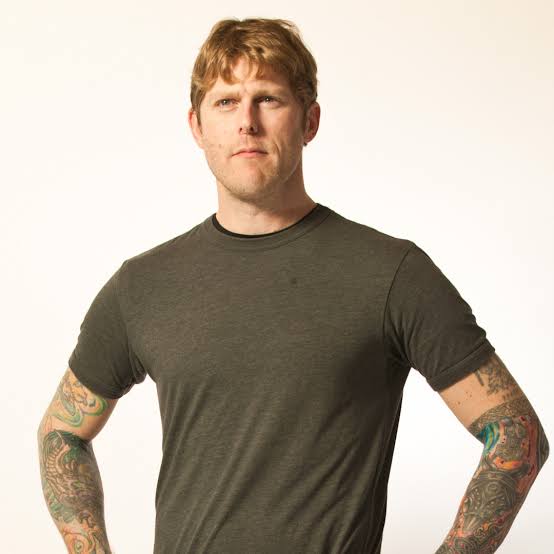
It wasn’t just Seinfeld that helped Michaelis move away from extremism. He has also spoken movingly about the kindness shown to him by Jewish people. But he says the programme helped reveal the absurdity of his antisemitism. Think about that; no lectures, no protests, no social-media infographics, just a sitcom. Perhaps we Jews should be paying attention.
While we have become extremely good at explaining ourselves, defending our stance and gathering evidence, I believe facts aren’t the only thing that counts. Culture, stories and theatre all play important roles too. The people campaigning against Israel have grasped how influential culture can be. Palestinian stories are showcased in theatres, galleries, literature, film, music and festivals. Audiences aren’t just encouraged to think about a political issue; they are invited to identify with human beings. And that can do something a thousand leaflets can’t.
So where is the Jewish equivalent?



I don’t mean another Holocaust play. Of course, it’s vital to keep the memory of the Holocaust alive through drama, but Jewish humanity cannot begin in Auschwitz and end with our recent suffering. And I’m not talking about plays that simply defend Israel. I’m talking about Jewish stories; funny, romantic, messy ones. Jews behaving badly or beautifully, worrying about what they feel like eating today while others ponder life’s big questions. In other words, Jews being human.
Because it is much harder to hate people once you get to know them. And right now, an extraordinary number of people know the word ‘Jew’ mainly through politics.
That really should concern us. The Community Security Trust reported 1,926 antisemitic incidents in Britain in the first half of 2026, making it the second-highest figure ever recorded for that period. The monthly average was 321 incidents, compared with 161 a month in the six months before 7 October 2023. While our usual focus is on security, education, political advocacy and fighting misinformation, maybe there’s another tool we can use. A story that makes somebody who has never knowingly met a Jewish person spend 90 minutes caring desperately about one.
Call it cultural diplomacy, soft power or soft PR if you like. I call it a reminder that we’re human. Maybe this is why I have become increasingly conscious of what I’m trying to do in my plays and musicals. I create Jewish characters, lots of them.
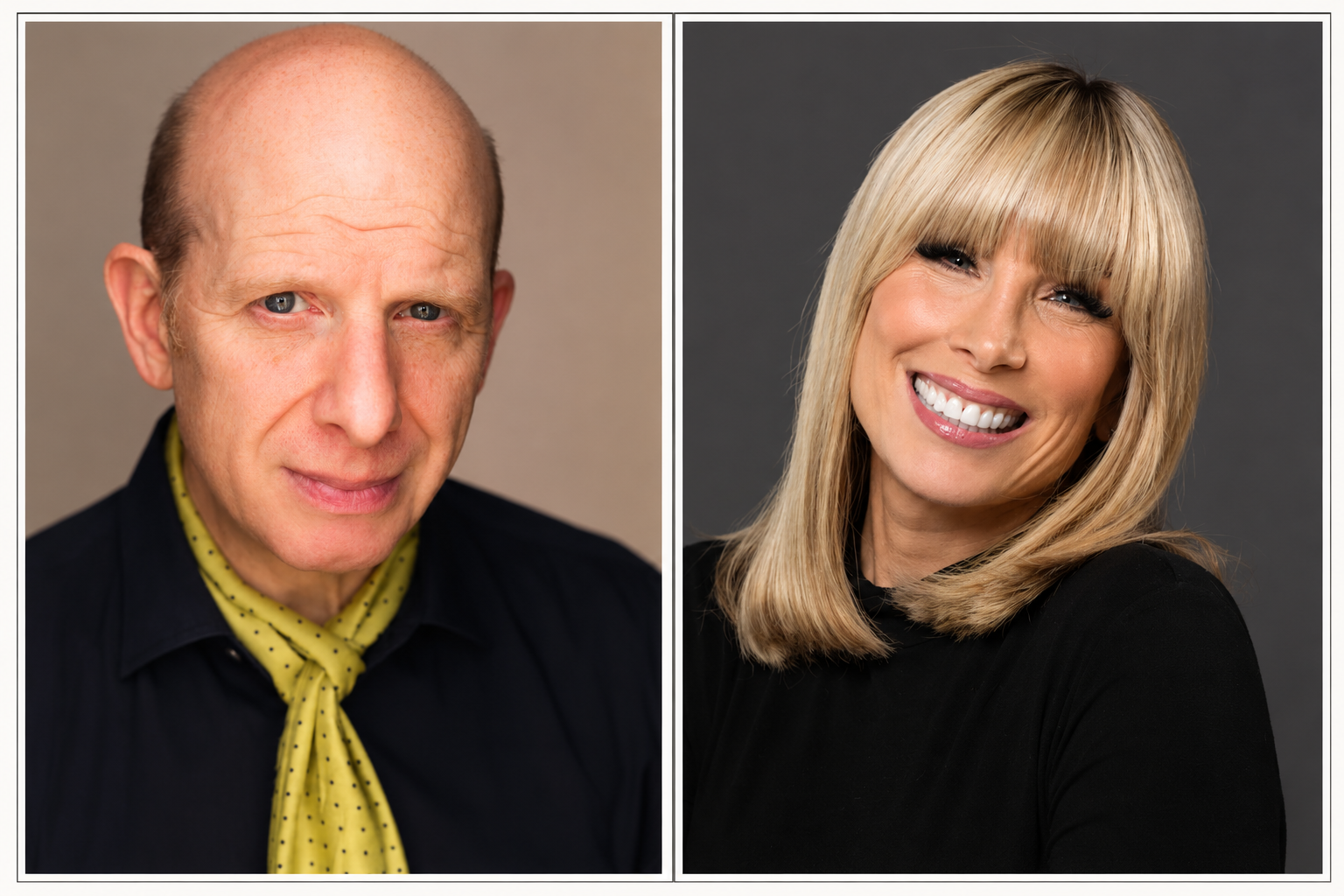
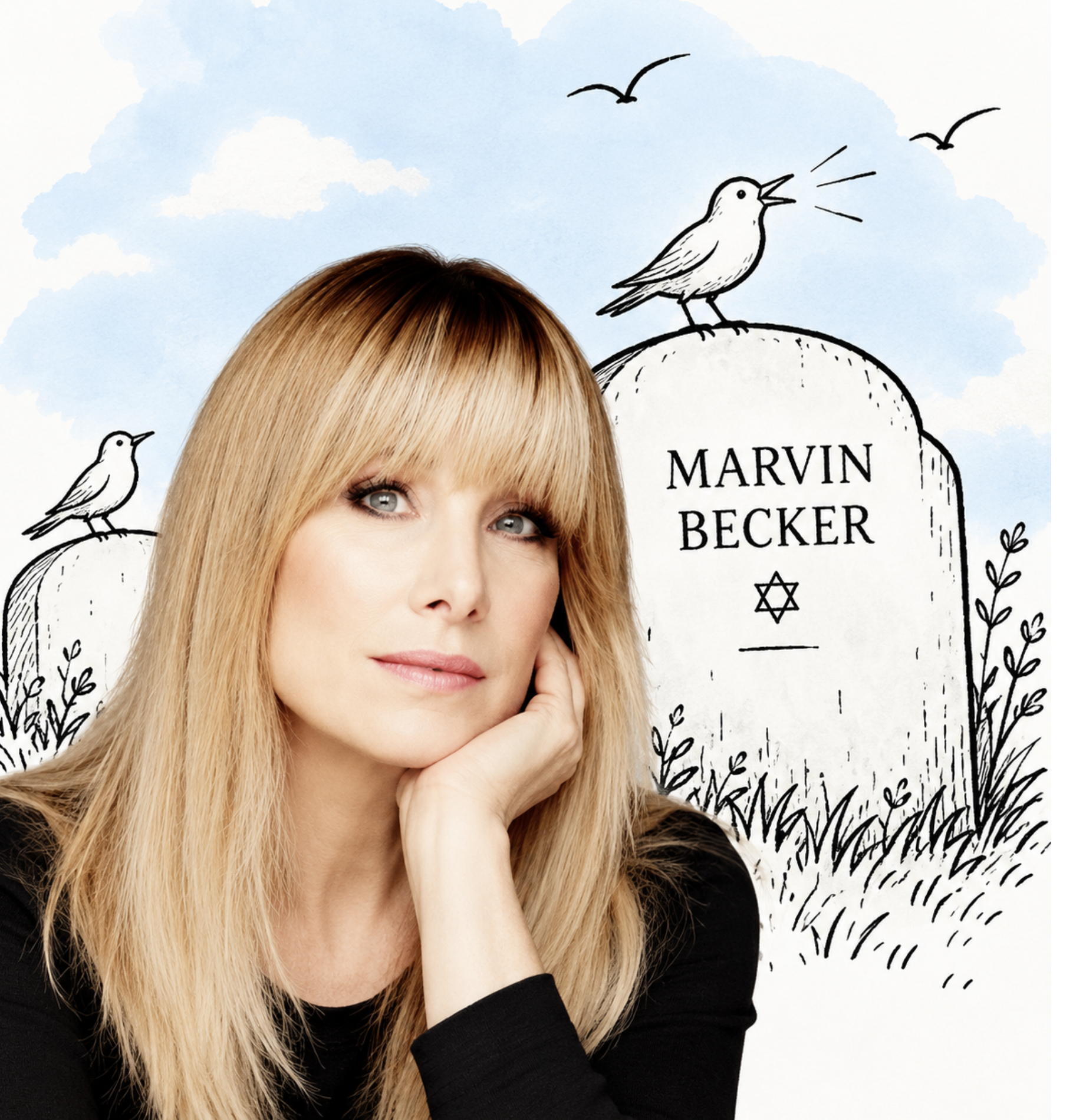
My latest play, Wits End – A Comedy About Death, which premieres at Hampstead’s Circle & Star Theatre in November is a case in point. Three Jewish siblings come together to bury their father, bringing with them enough resentment, guilt and unresolved family grievances to fill several graves. There’s an interfering aunt, a rabbi recruited online who turns out to be a stand-up comedian, and a funeral that goes spectacularly wrong. Directed by Steve Furst, it’s a comedy about death, but really it’s about family, and the extraordinary ability of people who love each other to drive each other completely mad. The characters happen to be Jewish, but their arguments, failings and affections are universal. You don’t have to be Jewish to recognise your own family in mine.
I don’t want audiences to pity my characters or to be educated about what it means to be Jewish. I want audiences to love them, or, occasionally, to want to strangle them… in the nicest way possible, of course. It’s not propaganda; it’s comedy. I write characters who are flawed, ridiculous, loving, selfish, infuriating and funny. But I also recognise that, particularly now, there can be something quietly powerful in putting recognisably Jewish people on stage and allowing an audience to spend an evening with them.
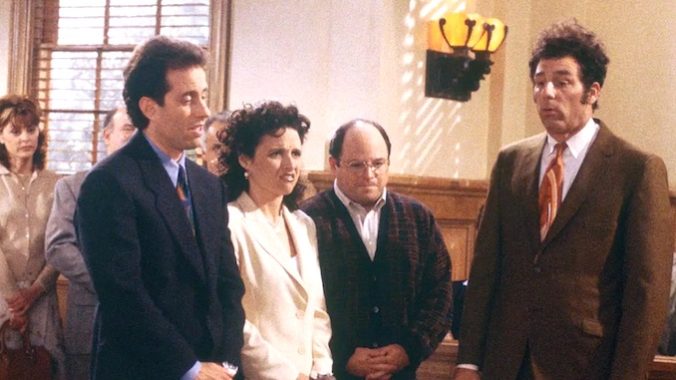
Perhaps someone arrives at the theatre with ideas about what “Jews” are, then the lights go down. They meet a mother, a son, a husband, a grandmother. They laugh with these characters, worry about them and see their own families reflected in them. And 90 minutes later, “Jews” are no longer an abstraction. Which is exactly what Seinfeld inadvertently did for Arno Michaelis.
I don’t claim my plays can cure antisemitism, but I genuinely believe stories can make hatred more difficult. And right now, I’ll take more difficult.
Estee Stimler is a New York-born, London-based playwright, lyricist, musical theatre dramaturg and PhD researcher at Goldsmiths, University of London.
Wits End – A Comedy About Death runs from 9–22 November 2026 https://www.tickettailor.com/events/circleandstar/2402801

Keep community journalism free.
Jewish News is free for everyone. No paywall. No barriers. Just trusted journalism for anyone who wants to stay connected to Jewish life in Britain.
If you value that, please support us.
From as little as £5 a month, you can help keep our journalism free and accessible to all.
Every day, we report on the issues that matter to our community. We celebrate achievements, support charities, challenge antisemitism and ensure Jewish voices are heard more widely.
From as little as £5 a month, you can help us continue to:
- Report on the stories shaping Jewish life in the UK and beyond
- Bring our community together through shared stories, events and campaigns
- Celebrate the people, culture and moments that define our community
- Support organisations doing vital work across Jewish Britain
You can make a one-off donation or become a regular supporter. Every contribution helps keep our journalism free, independent and accessible to all.
If everyone who values Jewish News gave a small amount, it would make a real difference to our future.