Prefer Jewish News on Google
Disability is not a niche issue: our new commission will focus on communal response
The new Board of Deputies Commission on Disability Inclusion will seek to draw on the insights of families, practitioners, educators, academics, rabbis and communal leaders
The Board of Deputies’ new Commission on Disability Inclusion in the Jewish Community, launched this week, is an important step forward and a recognition that inclusion cannot be left to chance. It must be deliberate, informed and shaped by those who live with disability every day.
Disability is not a niche issue. Most of us will encounter it at some point in our lives: as parents, carers, or through our own experiences. When a child has complex needs, the impact is rarely confined to the individual. The ripples spread through families, friendships, schools and synagogues. Communities are tested not only by how they respond in moments of crisis, but by whether they build environments in which everyone can participate fully and with dignity.
For that reason, parents of disabled children will be central to the Commission’s work. Their lived experience is not simply valuable, it is essential. Too often, policies and programmes are designed without fully understanding the realities of daily life: navigating education systems, accessing services, managing the emotional and financial pressures that can accompany disability. If we are serious about inclusion, we must start by listening.
My own understanding of disability began many years ago through involvement with Norwood. It became deeply personal when my wife Naomi and I welcomed our third child, and only son, who has very severe special needs. Though physically strong and healthy, he is non-verbal and his mental state makes it impossible for him even to get on a bicycle, let alone to ride one. I saw how carers tried to help him, displaying almost infinite patience. Like my wife Naomi, they make up for nature’s parsimony by their own boundless care. Over time, we have seen both the extraordinary commitment of carers and the genuine kindness shown by many within our community. There has been real progress in recent decades.
Awareness has grown, and in many settings, inclusion is now instinctive rather than exceptional.
But progress should not breed complacency. For many families, the challenges remain acute. Stress, isolation and uncertainty are still part of everyday life. The Commission will seek to understand where provision works well, where gaps persist, and how different parts of the community experience disability in different ways.
In our own synagogue, we have experienced nothing but kindness. Similarly, most public organisations like the police, the AA, and museums have all treated us wonderfully well. Our experience is very different from that of couples older than ourselves, whose contemporaries were far less understanding.
The Commission’s work will be iterative. We want to work collaboratively, drawing on the insights of families, practitioners, educators, academics, rabbis and communal leaders. Expert voices will guide us along the way, helping to ensure that whatever we propose is both appropriate and practical.
Nor are we seeking to tell organisations how to do their jobs. Specialist charities already bring deep expertise and commitment. Our focus is on supporting the many synagogues, schools and communal bodies for whom disability is not their primary focus, but who nevertheless want to do the right thing. Inclusion should not depend on whether an institution happens to have prior experience; it should be embedded across communal life.
There is a wealth of experience at the Board; we will look to tap this as well as to learn from the community, which contains some of the greatest authorities on this subject in the UK and many with lived experience of the issues at hand. This promises to be an exciting journey, and I welcome anyone who wishes to join us on it.
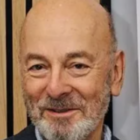
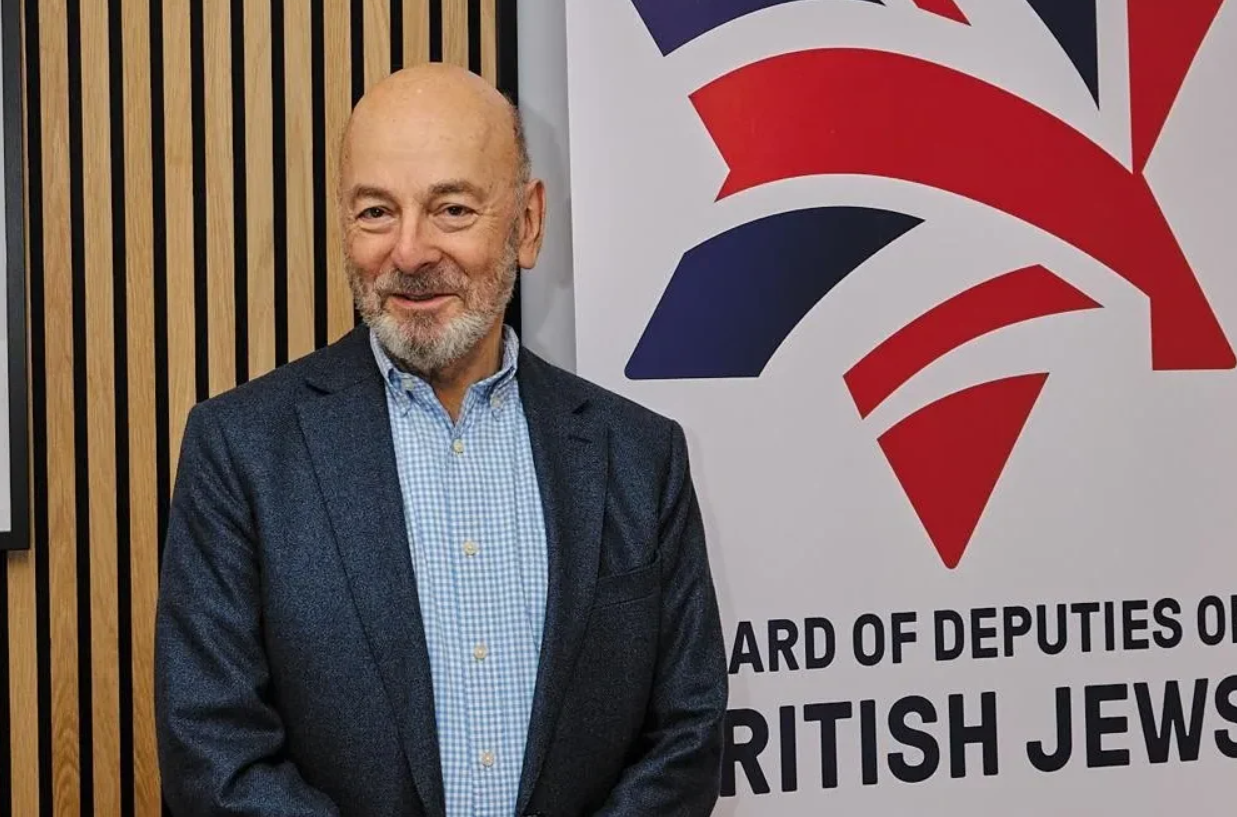
Vivian Wineman is Chair of the Commission on Disability Inclusion in the Jewish Community

Keep community journalism free.
Jewish News is free for everyone. No paywall. No barriers. Just trusted journalism for anyone who wants to stay connected to Jewish life in Britain.
If you value that, please support us.
From as little as £5 a month, you can help keep our journalism free and accessible to all.
Every day, we report on the issues that matter to our community. We celebrate achievements, support charities, challenge antisemitism and ensure Jewish voices are heard more widely.
From as little as £5 a month, you can help us continue to:
- Report on the stories shaping Jewish life in the UK and beyond
- Bring our community together through shared stories, events and campaigns
- Celebrate the people, culture and moments that define our community
- Support organisations doing vital work across Jewish Britain
You can make a one-off donation or become a regular supporter. Every contribution helps keep our journalism free, independent and accessible to all.
If everyone who values Jewish News gave a small amount, it would make a real difference to our future.