Prefer Jewish News on Google
Doorstep Israel boycott groups face data law scrutiny over recording political views
Data watchdog guidance raises legal questions after activists admit recording household responses

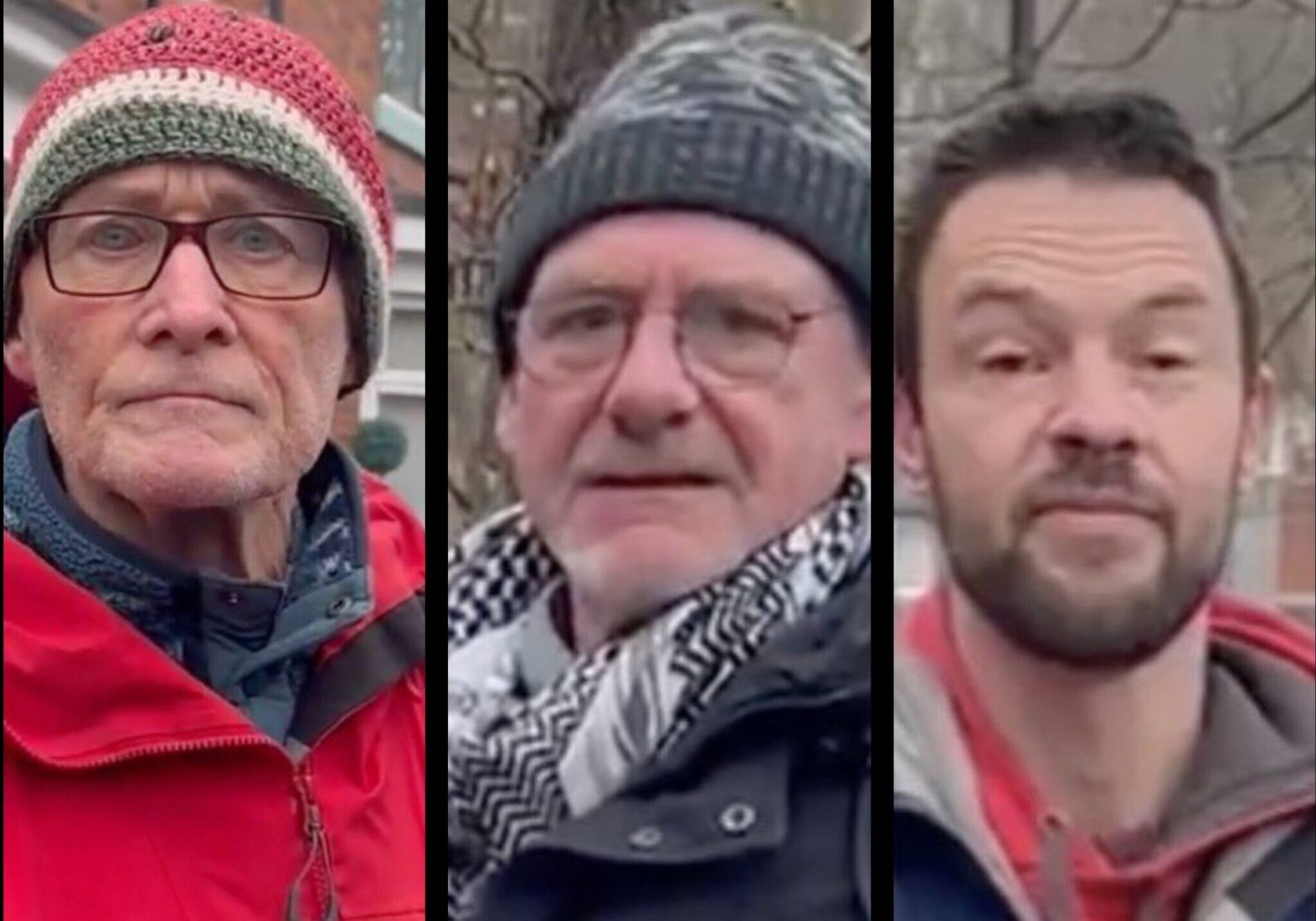
Anti-Israel activists accused of going “Jew hunting” in Sheffield are facing mounting scrutiny after Britain’s data watchdog warned that collecting residents’ political views without a clear legal basis may breach UK law.
The development follows widely shared footage showing campaigners linked to Sheffield Apartheid Free Zone (SAFZ) knocking on doors in the Woodseats area and urging residents to boycott Israeli goods. In the video, one activist confirms that the group records the doors they knock on and categorises responses, including whether households are supportive, not interested, or give no answer.
South Yorkshire Police confirmed they are investigating an altercation linked to the incident. In a statement, the force said: “At 11.52am on Sunday 15 February, we were called to reports of an altercation at Woodseats House Road, Sheffield. It is reported that a group were door-knocking in the area and handing out leaflets when they were approached by two individuals. Officers attended the location following the incident and are carrying out enquiries.”
Guidance provided to Jewish News from the Information Commissioner’s Office (ICO) makes clear that organisations collecting personal information must comply with UK GDPR. Personal data revealing political opinions is classified as its own special category data, carrying enhanced legal protections and can only be processed when strict conditions are met.
The guidance also places a strong emphasis on transparency, requiring individuals to understand how their information is being collected, recorded and then used – including during door-to-door campaigning.



The Sheffield incident has brought renewed attention to the regulatory risks facing activists who log household responses. Collecting addresses alone can engage data protection law, but recording political views triggers a higher threshold, creating what amounts to a double compliance requirement.
The activity is not confined to Sheffield. Similar door-to-door Israel boycott campaigns have been filmed or reported in Brighton, Bristol, Hackney, Cardiff, Belfast and Glasgow, with activists operating systematically through residential streets using clipboards and prepared materials.
In Brighton, campaigners were recorded knocking on doors and asking residents to sign pledges committing to boycotting Israeli products. Sussex Police later said there was no evidence at that stage to pursue a criminal investigation.
In Bristol, campaign material advertised organised “door knocks” in residential neighbourhoods, encouraging volunteers to expand boycott activity house by house.
The spread of these campaigns has prompted political reaction. Conservative shadow home secretary Chris Philp said: “Going door to door and intimidating people to agree to boycott Israel – the only Jewish state in the world – is dark and threatening activity that has no place in Britain.”
Brighton MP and trade secretary Peter Kyle has previously called for police to investigate such activity for potential hate crimes and incitement.
As police enquiries continue, the data protection dimension has added a new layer to the controversy – shifting scrutiny from street confrontations to whether activists recording residents’ political views are complying with UK law.

Keep community journalism free.
Jewish News is free for everyone. No paywall. No barriers. Just trusted journalism for anyone who wants to stay connected to Jewish life in Britain.
If you value that, please support us.
From as little as £5 a month, you can help keep our journalism free and accessible to all.
Every day, we report on the issues that matter to our community. We celebrate achievements, support charities, challenge antisemitism and ensure Jewish voices are heard more widely.
From as little as £5 a month, you can help us continue to:
- Report on the stories shaping Jewish life in the UK and beyond
- Bring our community together through shared stories, events and campaigns
- Celebrate the people, culture and moments that define our community
- Support organisations doing vital work across Jewish Britain
You can make a one-off donation or become a regular supporter. Every contribution helps keep our journalism free, independent and accessible to all.
If everyone who values Jewish News gave a small amount, it would make a real difference to our future.