Prefer Jewish News on Google
Education through immersion at the National Holocaust Museum
SPECIAL FEATURE: More than an exhibition: 'The Journey' is poignant, powerful multi-layered storytelling through the eyes of a ten year old Jewish boy in 1938
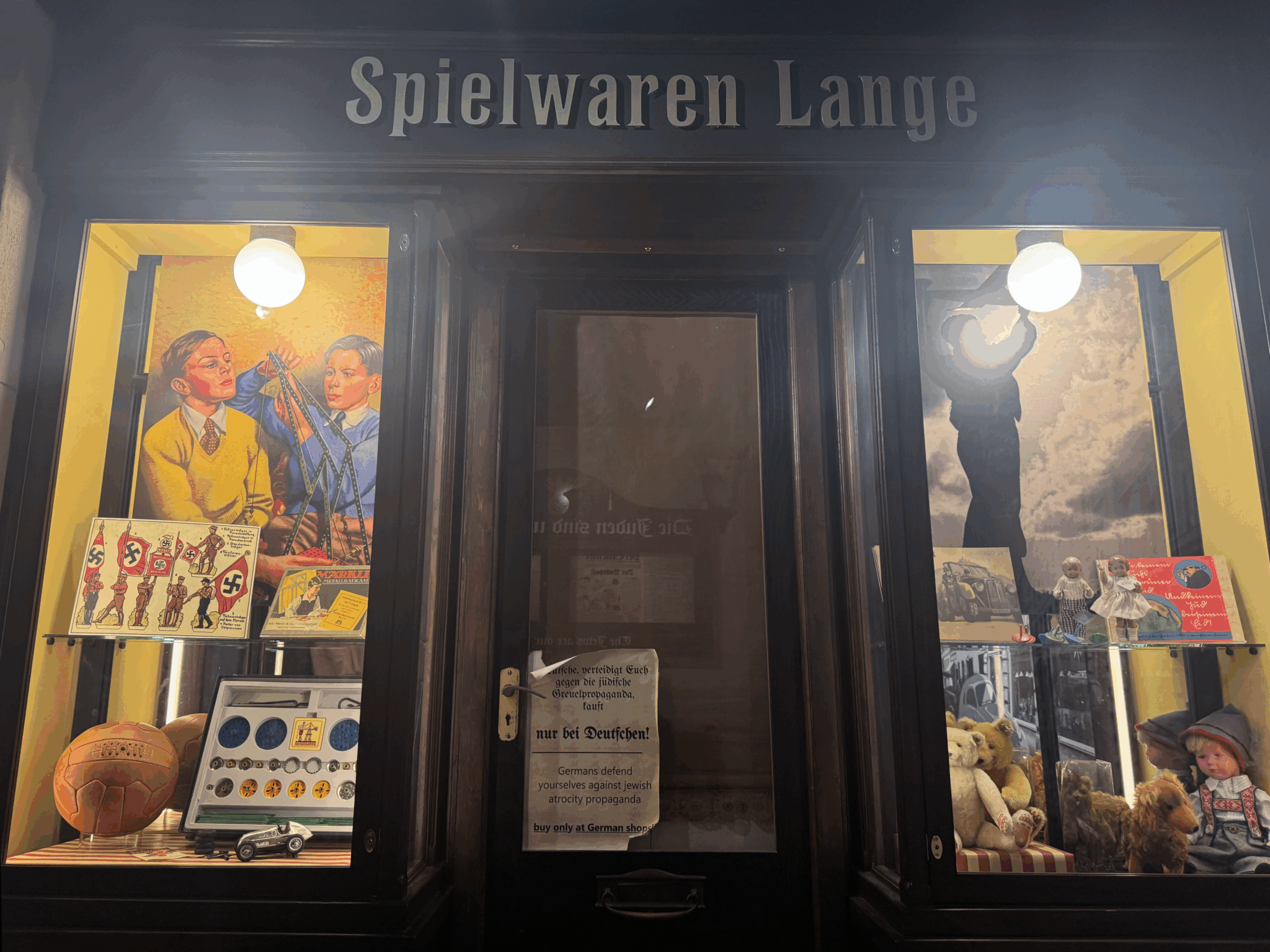
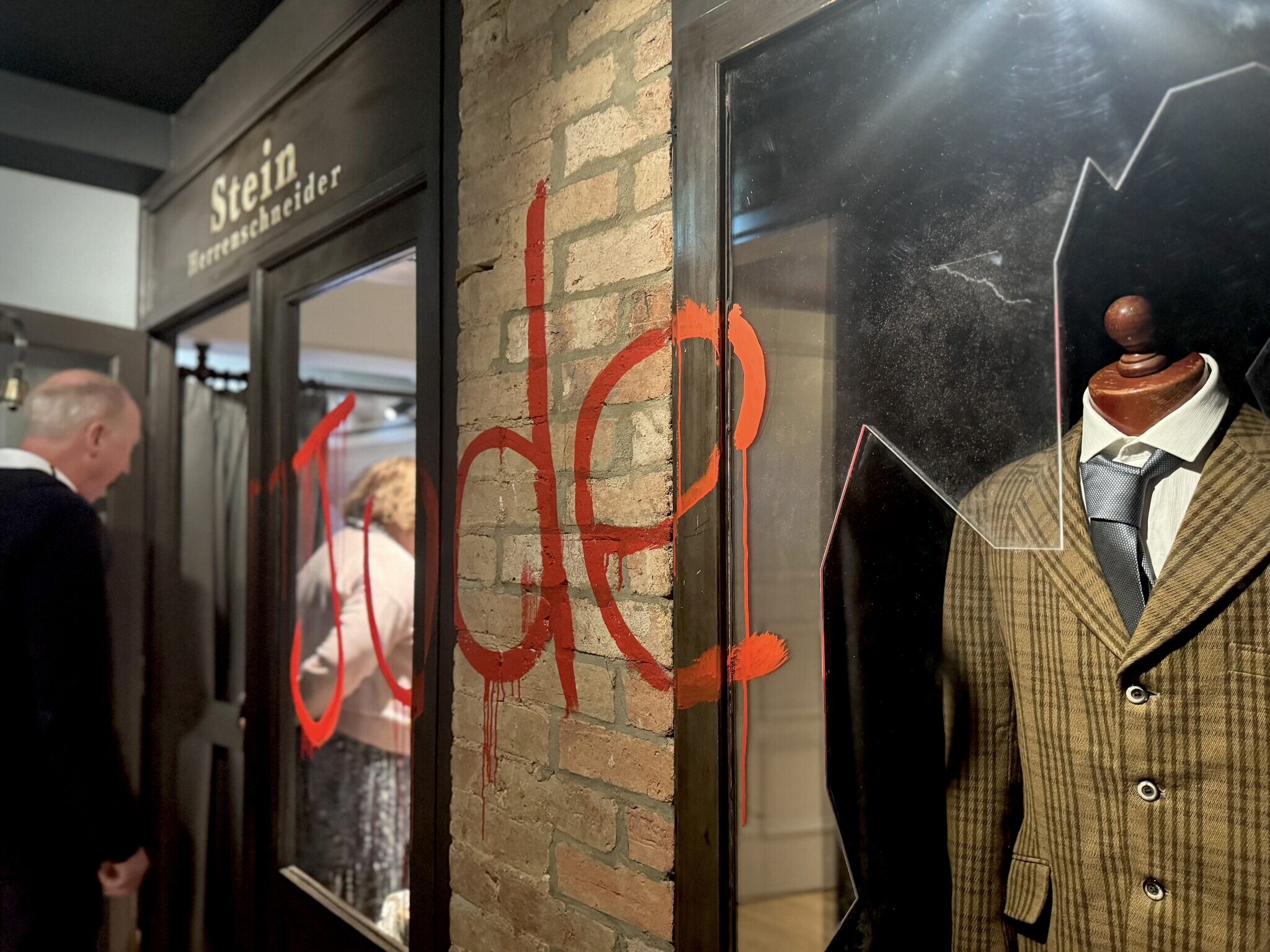
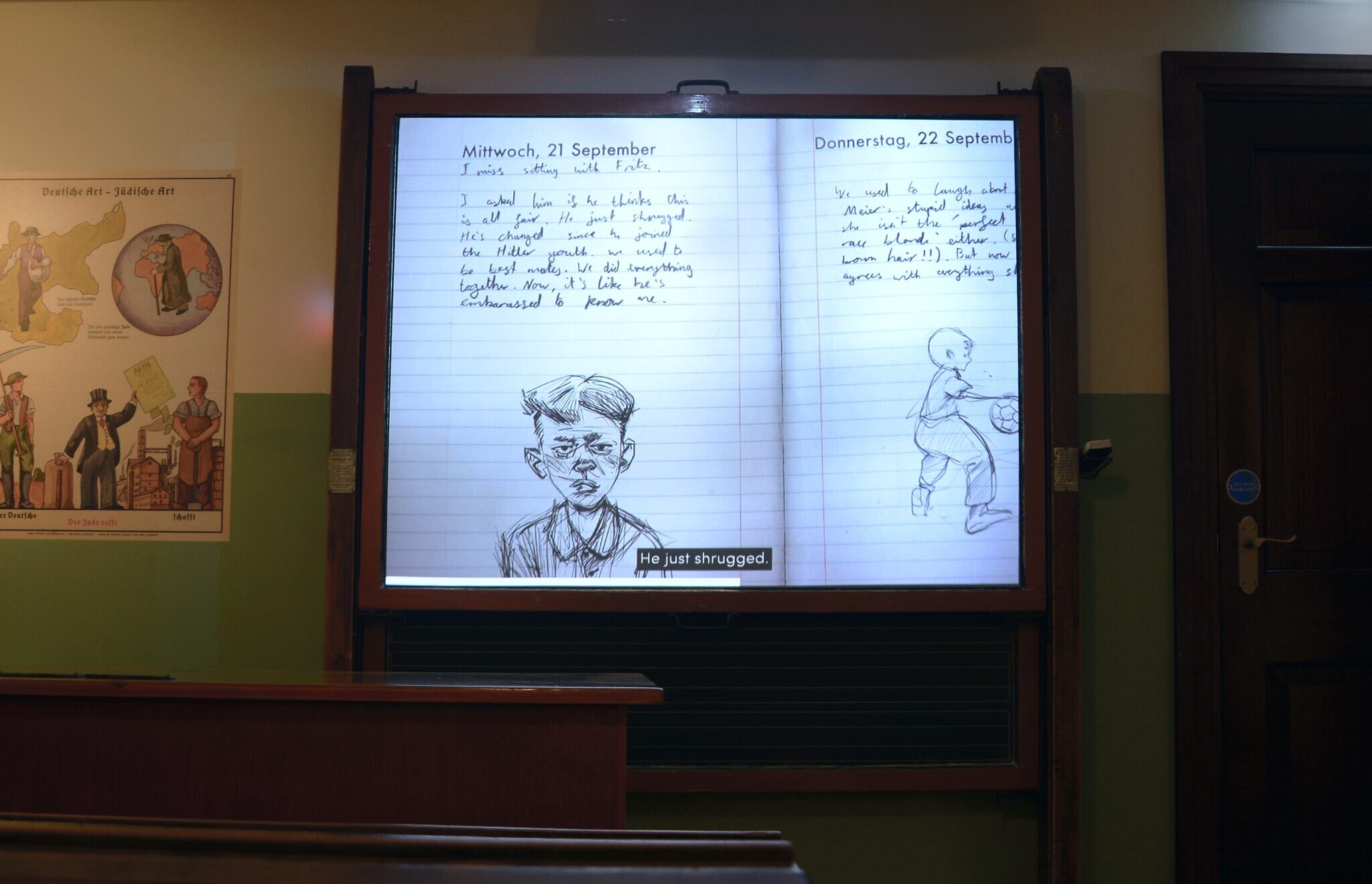
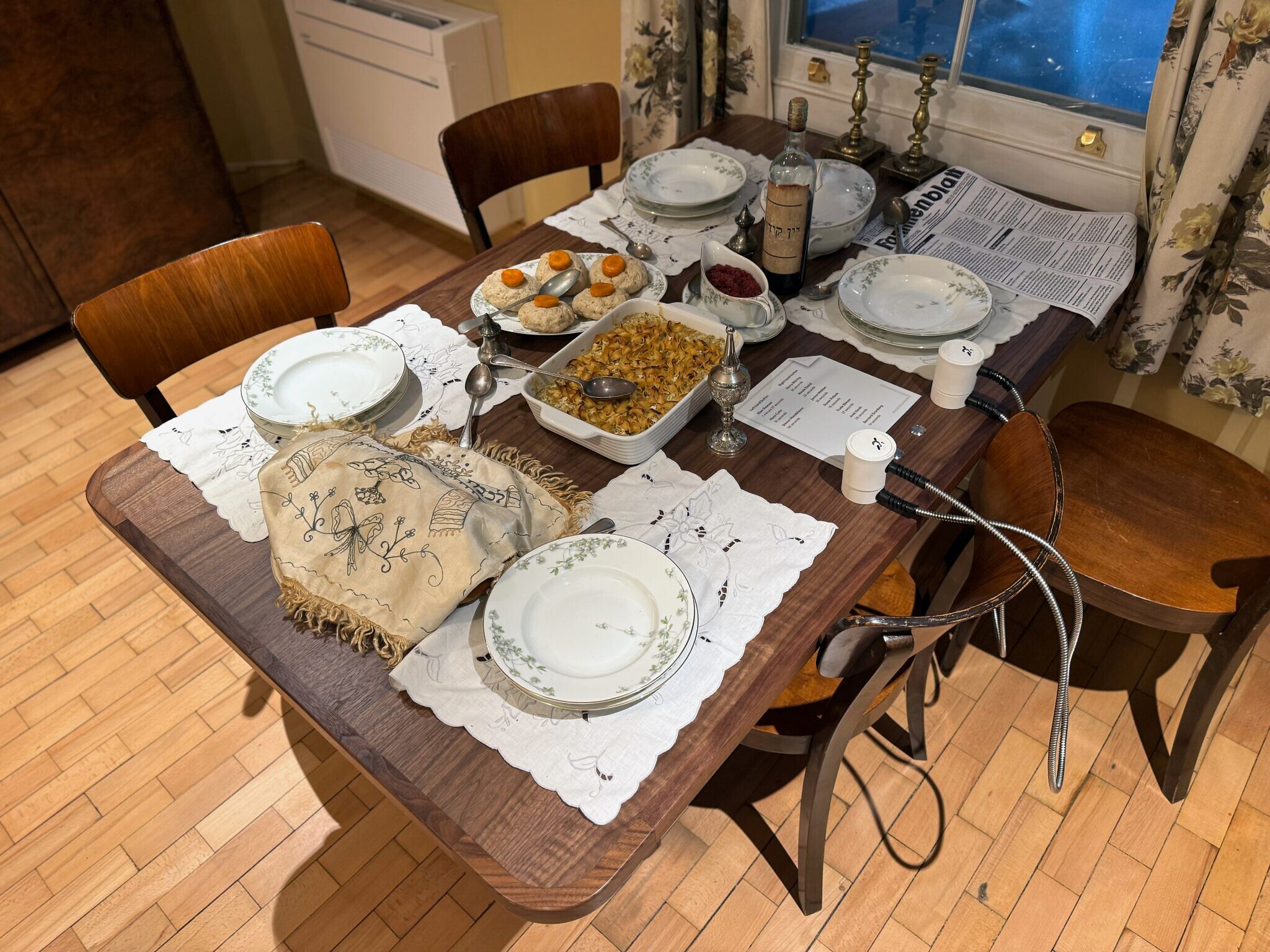
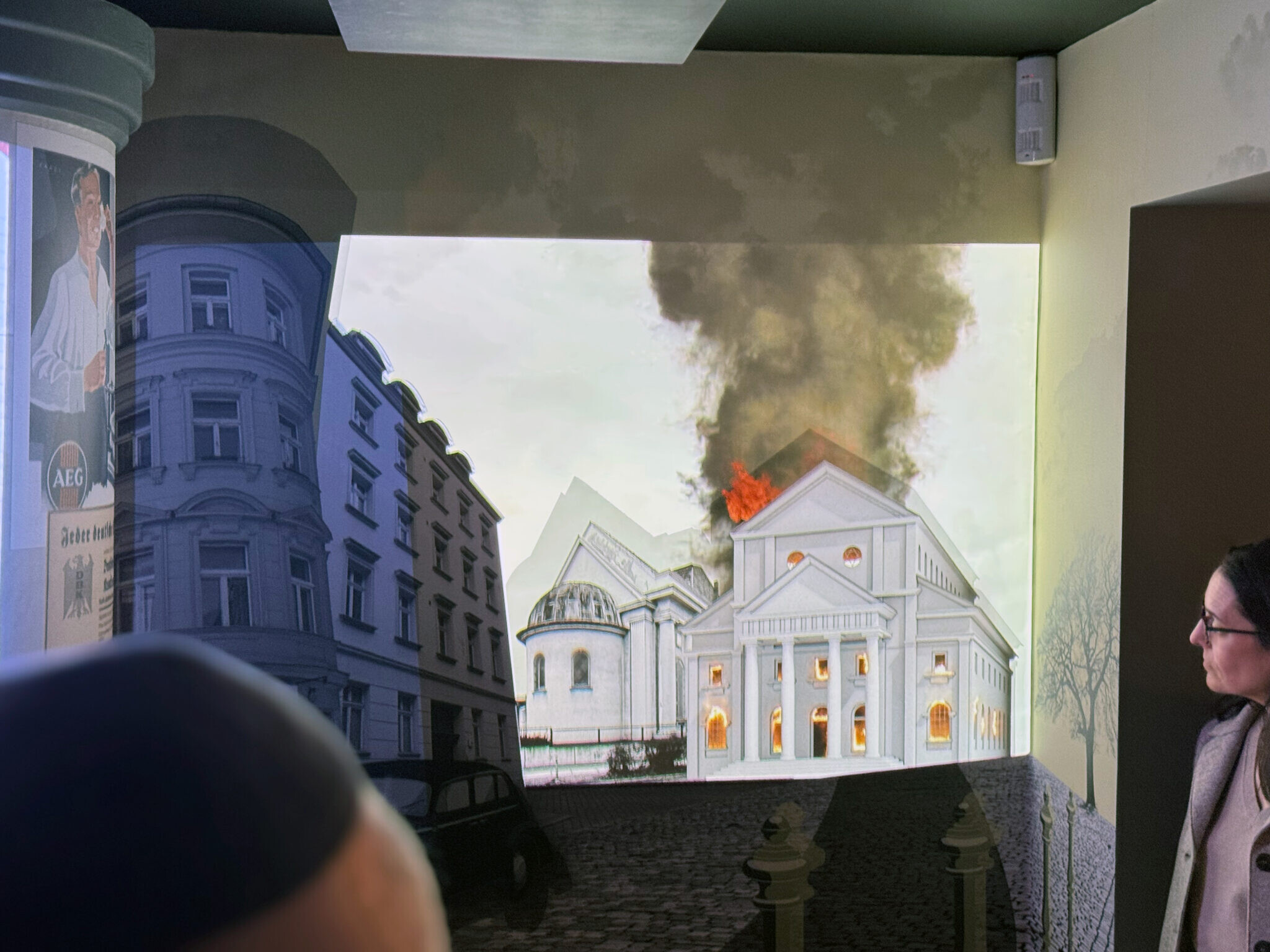
Leo Stein is a 10-year old Jewish boy living in Berlin in 1938. He is growing increasingly aware that something is terribly wrong, that it affects him acutely, and it is something he is powerless to change. He sees the Kristallnacht pogrom unfold, and finally his parents make the heartbreaking choice to send him away – to England, as part of the kindertransport – not knowing whether they will ever see him again.
Visitors to the National Holocaust Museum in Nottinghamshire have been able to follow “Leo’s” experiences since 2008, as part of The Journey, an immersive story-based exhibition about the Nazi persecution of the Jews – the only one of its kind in the UK. “Leo” himself is a composite character, based on the testimonies of children who survived the Holocaust, found refuge in Britain and who have shared their stories and belongings with the Museum since its opening in 1995.
Almost two decades on, however, the exhibition has now been renovated and enlarged, as part of the its £2 million upgrade as part of as part of a £5 million site wide renovation during its thirtieth anniversary year, with funding led by The National Lottery Heritage Fund, Claims Conference and the Pears Foundation.
The Journey now contains new interactive features, as well as new historical and contemporary refugee content.
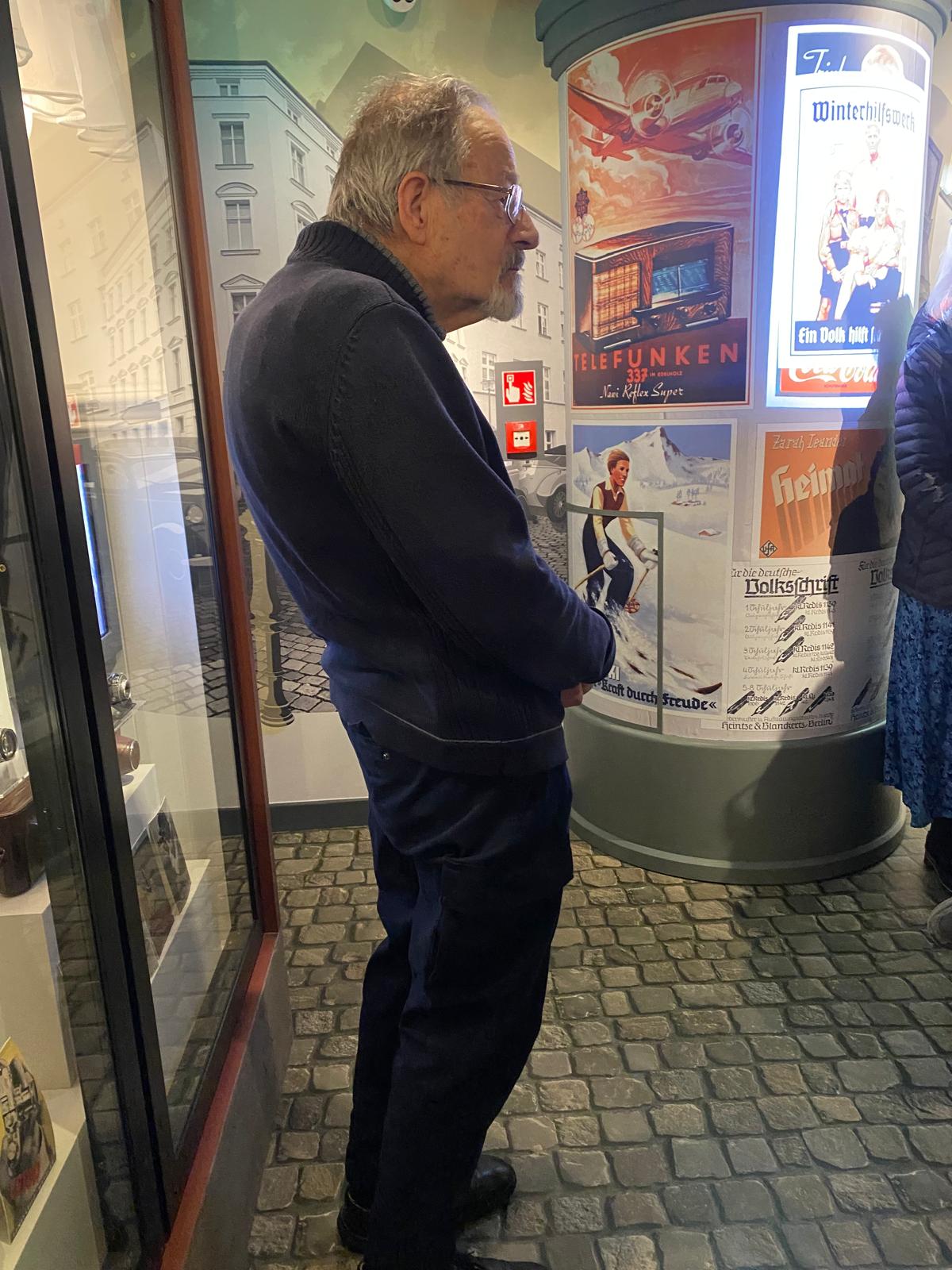
As before, the immersive exhibit takes visitors through different sets, with each room containing sensors which, when triggered, activate the display of excerpts from Leo’s diary, which is both seen and heard. We follow Leo’s journey from happy childhood to persecution and isolation, experiencing the intense fear through an immersive Kristallnacht set, with his parent’s tailor’s shop smashed, daubed with a blood-red Star of David.


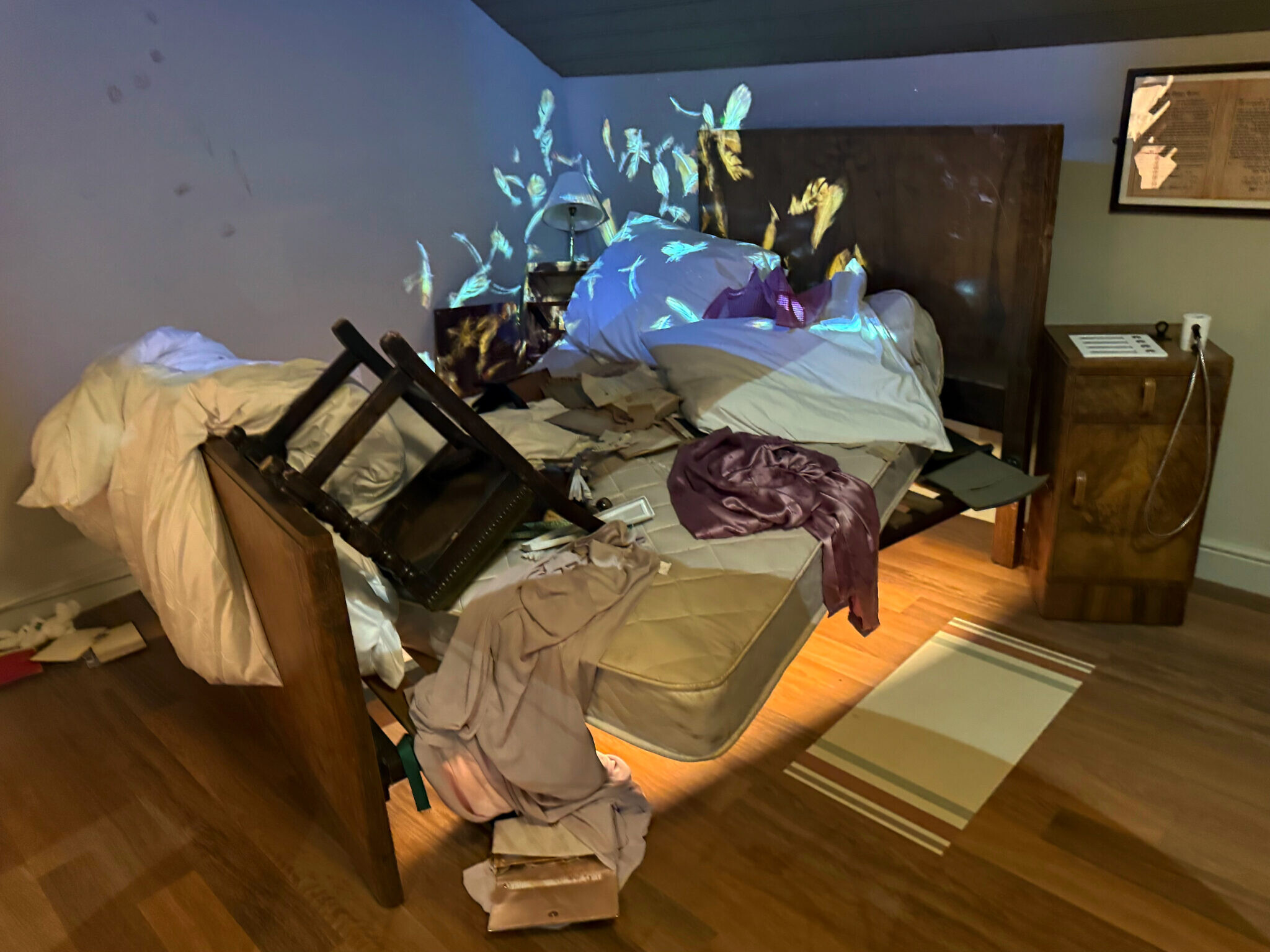
Later we are transported back in time via a kindertransport train carriage, with reverberating seats. Visitors also experience walking into a family bedroom the morning after it has been vandalised during Kristallnacht, through broken furniture and a video installation of pillow feathers flying, and a new crawl-through hiding space, illuminating lives that had to remain hidden from view, including from prying, increasingly hostile neighbours.
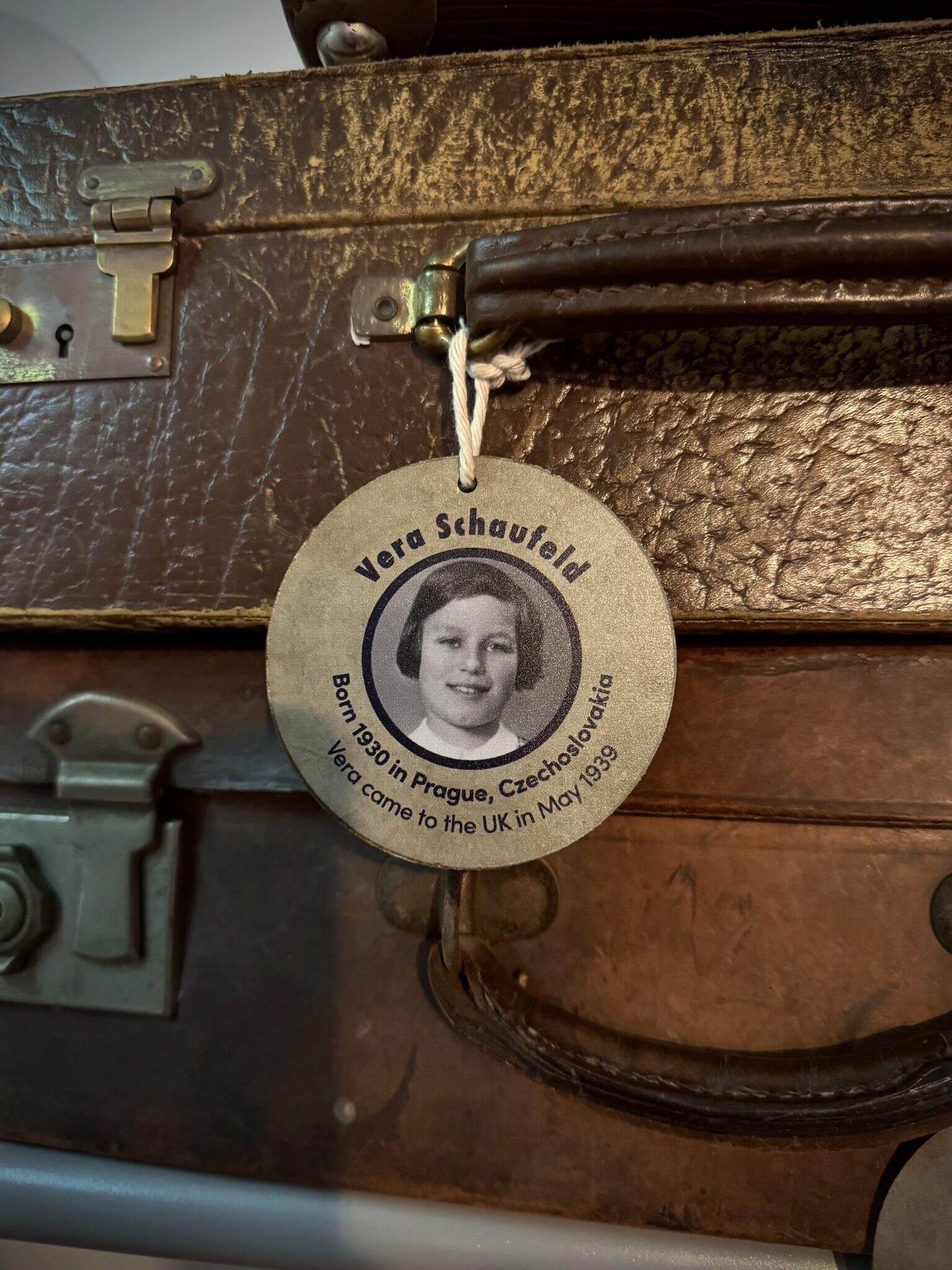
New elements include a powerful 4-minute introductory film about refugeeism, narrated by Dame Maureen Lipman, projected onto a dramatic display of suitcases of refugees who came to England.
The total number of authentic artefacts and period objects embedded in the exhibition setworks now numbers more than 300 since the renovation, while the number of survivors whose content features has increased to 39, with 99 different clips of personal testimony.
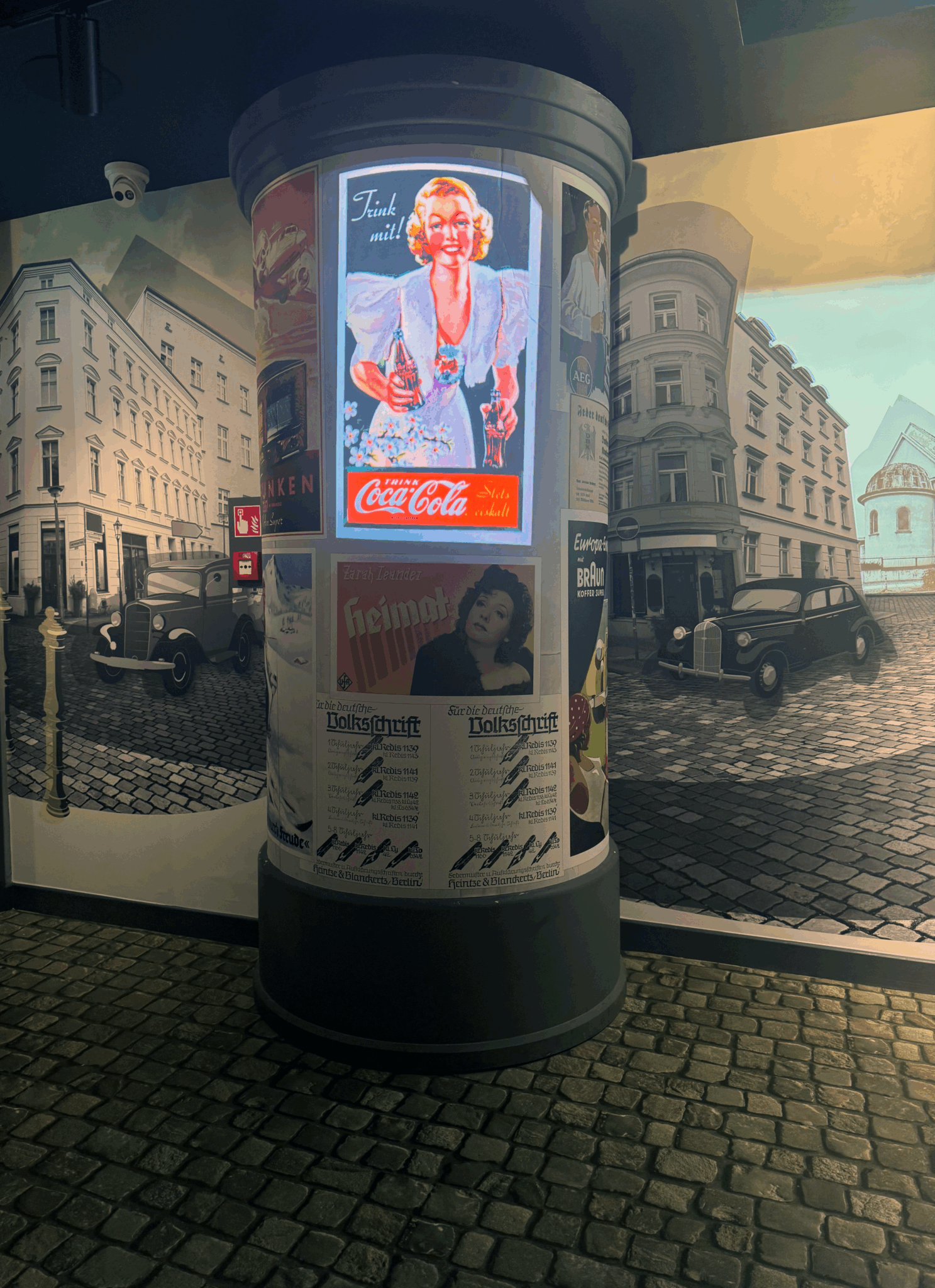
It also contains an expanded street scene during the 1938 November Pogrom, with a burning Synagogue projection, including a soundtrack of chanting mob of bystanders.
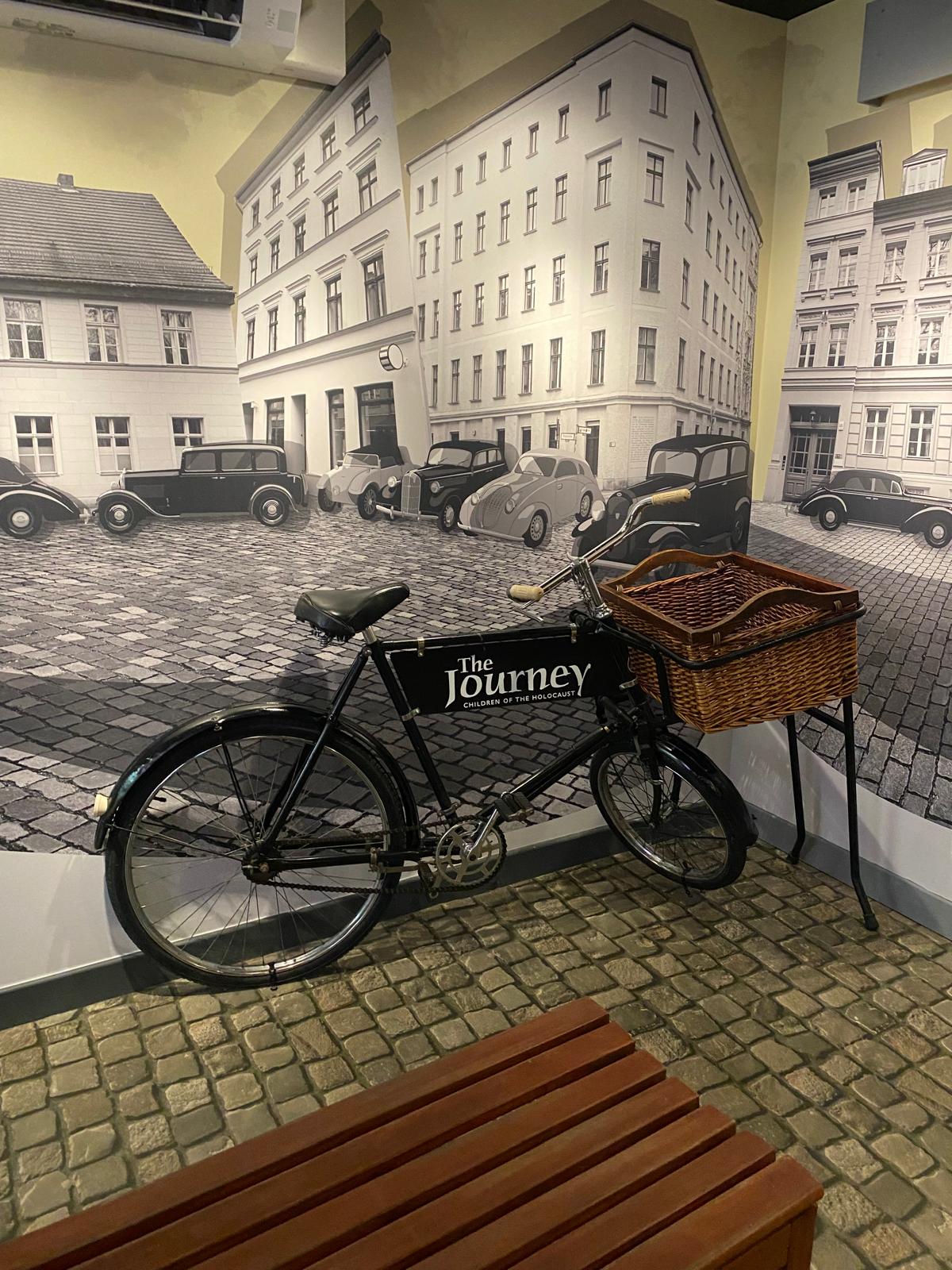
Marc Cave, director of the Museum, describes The Journey as “now bigger and better equipped than ever to stimulate critical thinking about the ‘othering’ process in the build-up to the Holocaust.
“When we understand what it takes for a child to have to flee for their life, away from everything they know and love — it might also make us think harder about how we welcome and integrate refugees like Leo into our country.”
Newly appointed Chair of Trustees Adam Dawson told Jewish News: ‘At a time of increased anti Jewish racism we must make the cry of ‘Never Again’ a reality, not an aspiration. ‘The Journey’ is an outstanding interactive exhibition helping teenagers become critical thinkers. I hope every school pupil in the country has the opportunity to see it.”
But while the immersive element of the museum is impressive, visitors may also be fortunate enough to be able to speak directly to one of the very children – now in their late 80s and 90s – who either escaped Nazi Germany just prior to the war, or experienced the horrors of the camps.
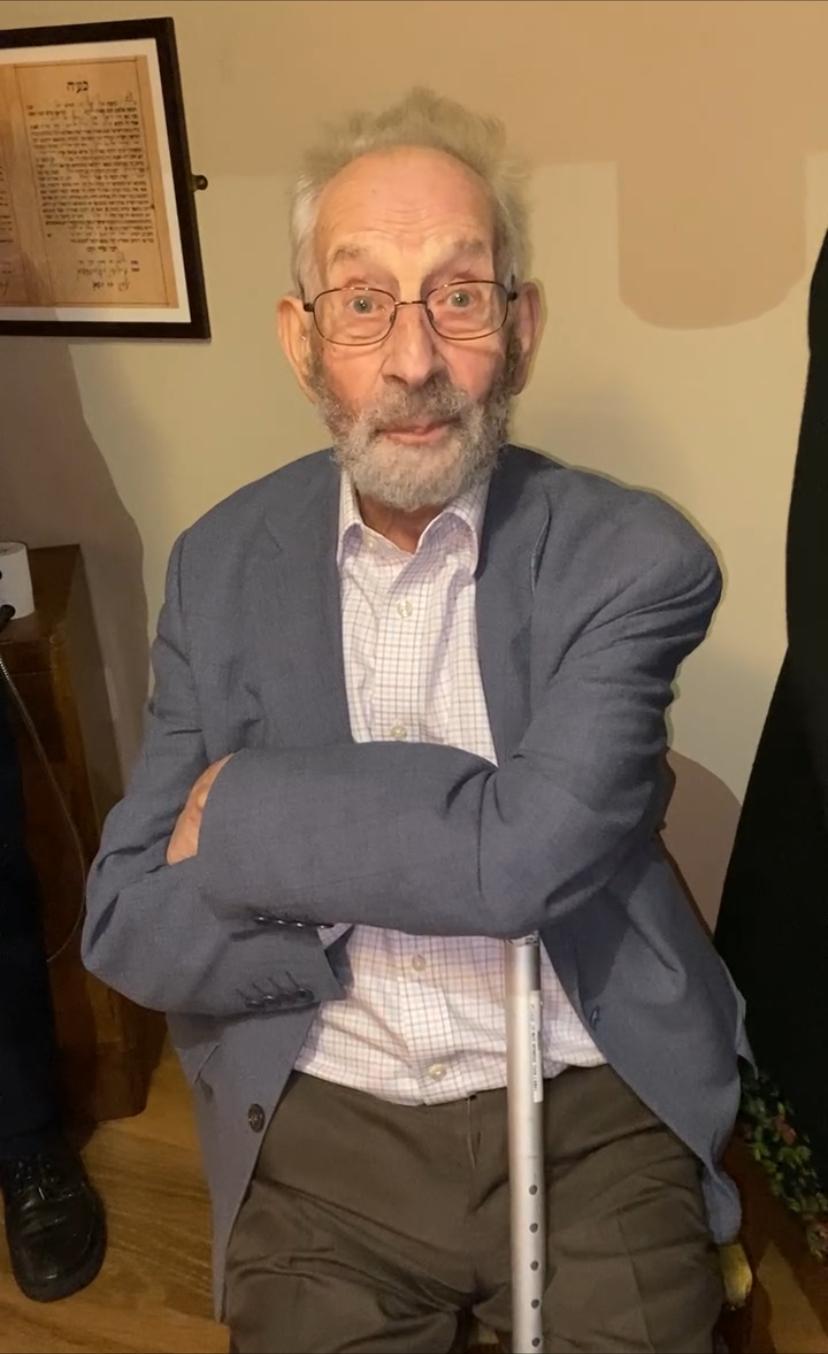
John Fieldsend, 93 years old, and one of the 669 Jewish children who escaped Czechoslovakia via Kindertransport trains, told Jewish News he comes to the museum “fairly regularly to speak to school groups, to keep the memory alive. There are lots of troubles in the world today, but nothing like the Holocaust was.”
Adding that he “appreciates the young generation” and those who take Holocaust education seriously, he adds: “When I come here, I always go home better than when I came. This place needs us survivors, but us survivors need this place.”
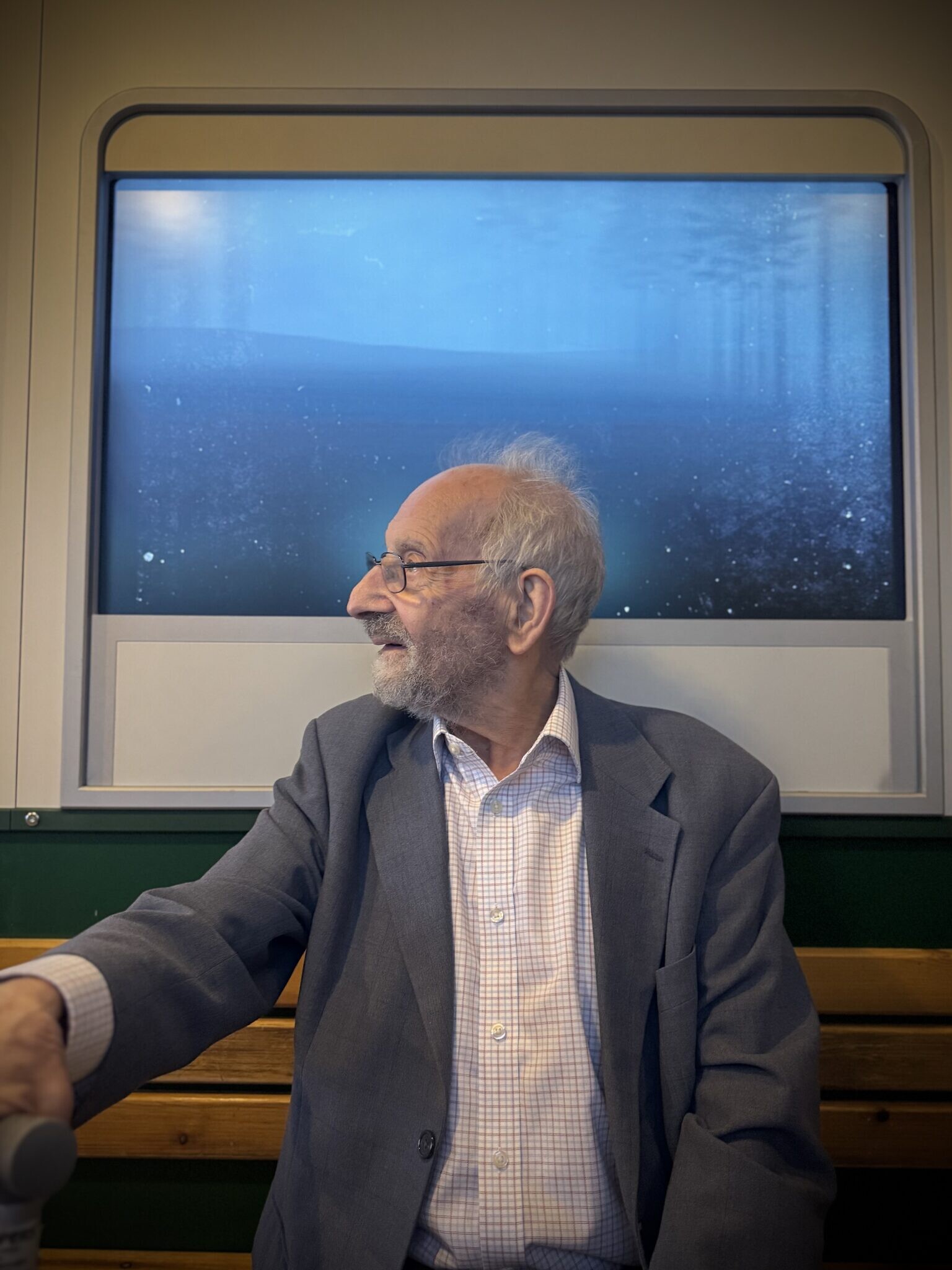
Martin Stern, an 87-year old Theresienstadt concentration camp survivor and a stalwart supporter of the National Holocaust Museum, says that “the reason we tell our stories here is that you can give a child a book or a classroom lecture, but we are story-telling and story-listening animals. Because we are survivors, our stories are not typical. The Jews with typical stories are not here to tell the tale.”
The object of sharing their stories, he adds, is to “engage the minds of young people so that when they go back to school, they want to know more. One reason for having an immersive experience, seeing physical objects and being the rooms and reproduced streets and a classroom, is to reach the deeper parts of the mind. We’re trying to make people think and stay.”
- Click here for further information.

Keep community journalism free.
Jewish News is free for everyone. No paywall. No barriers. Just trusted journalism for anyone who wants to stay connected to Jewish life in Britain.
If you value that, please support us.
From as little as £5 a month, you can help keep our journalism free and accessible to all.
Every day, we report on the issues that matter to our community. We celebrate achievements, support charities, challenge antisemitism and ensure Jewish voices are heard more widely.
From as little as £5 a month, you can help us continue to:
- Report on the stories shaping Jewish life in the UK and beyond
- Bring our community together through shared stories, events and campaigns
- Celebrate the people, culture and moments that define our community
- Support organisations doing vital work across Jewish Britain
You can make a one-off donation or become a regular supporter. Every contribution helps keep our journalism free, independent and accessible to all.
If everyone who values Jewish News gave a small amount, it would make a real difference to our future.