UK is first country to allow museums to ‘indefinitely’ return Nazi-looted art
Scheme to return objects stolen by the Nazis during the Holocaust is at third hearing, which aims to retain a 2009 law before it lapses
The UK has become the first country in the world to allow its national museums to “indefinitely” return artwork looted from Jewish families during the Nazi era.
The landmark move follows a debate in the House of Commons on Friday, as MPs agreed to get rid of the ten-year “sunset clause” within the Holocaust (Return of Cultural Objects) Act 2009.
This means that 17 national institutions can continue returning property lost, seized, stolen or looted during the Nazi era to the original owner’s descendants.
Critics have said routes for claiming lost art “are available only to the rich” and that returning the art “deprives the general public of an opportunity to see these priceless works of art” but the Bill commanded strong cross-party support and passed with ease.
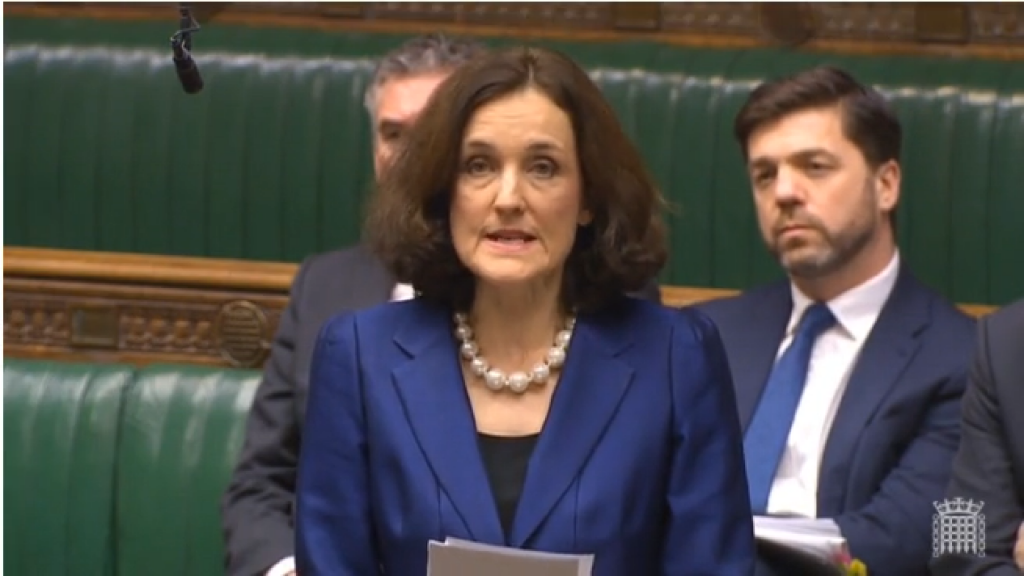
“The 2009 Act is still needed,” said MP Theresa Villiers, explaining that it over-rides the governing statutes of national museums. These legal statutes prohibit the institution from returning property seized by the Nazis, even if the institution believes that the claim has merit and wants to return the item to the heirs of the original owner.


“This Bill will enable national museums to return Nazi looted works of art indefinitely,” said Anne Webber, co-chair of the Commission for Looted Art in Europe, based in London. “There is no other country which has made such a commitment.”
The UK’s world-leading stance stands in stark contrast to the record of Germany in returning Nazi-looted art, she said, highlighting an example this week “which revealed that previously hidden and shameful history of the Germans having returned looted art to the Nazis who had taken it”.
In September 2017, the UK Government said it would live up to commitments made in Washington 18 years earlier, when 44 countries pledged to work for the restoration of property seized during the Holocaust, and Webber said British families were benefiting.
“There are many families in the UK who have recovered works of art or who are still trying to find their looted works of art or who are awaiting their return,” she said. “We have hundreds of missing paintings which we’re looking for on behalf of such families. We also have claims in process on their behalf.”
During the parliamentary debate, Villiers paid tribute to Webber and the Commission “for its excellent efforts in trying to secure fair outcomes in cases of this nature”.
She said the art’s return to Jewish families was significant because of “the emotional value of being reunited with an object treasured by a loved one who died in the Holocaust, and that a lost relative had held in their hands and valued”.
She listed examples such as “books owned by a much-loved grandmother, a painting given by a claimant’s grandparents to his parents or a favourite painting that used to hang on the dining room wall of a family home,” adding: “The Nazi regime engaged in systematic confiscation, looting and theft from Jewish people.”

Keep community journalism free.
Jewish News is free for everyone. No paywall. No barriers. Just trusted journalism for anyone who wants to stay connected to Jewish life in Britain.
If you value that, please support us.
From as little as £5 a month, you can help keep our journalism free and accessible to all.
Every day, we report on the issues that matter to our community. We celebrate achievements, support charities, challenge antisemitism and ensure Jewish voices are heard more widely.
From as little as £5 a month, you can help us continue to:
- Report on the stories shaping Jewish life in the UK and beyond
- Bring our community together through shared stories, events and campaigns
- Celebrate the people, culture and moments that define our community
- Support organisations doing vital work across Jewish Britain
You can make a one-off donation or become a regular supporter. Every contribution helps keep our journalism free, independent and accessible to all.
If everyone who values Jewish News gave a small amount, it would make a real difference to our future.