
 Prefer Jewish News on Google
Free speech tsar tells universities: stop intimidation of Jewish students
Arif Ahmed says OfS expects action where campus protests or rhetoric threaten Jewish life

Universities must take firm steps again protests or speech that intimidates Jewish students, the government’s new “free speech tsar” has said.
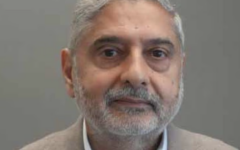
In a wide-ranging interview on the Union of Jewish Students’ (UJS) podcast Yalla, Arif Ahmed, Director of Freedom of Speech and Academic Freedom at the Office for Students (OfS) said there was “massive concern” over the rise in campus antisemitism and that institutions were “totally expected” to act.
He warned that universities should intervene if protests leave Jewish students feeling unable to attend lectures or even enter their own accommodation. “Whilst the political ideas expressed in the protests may be perfectly lawful and expressible, it may also be right for the university to say: you can’t do it here and you can’t have it every day outside a lecture theatre, because that’s really affecting Jewish students’ capacity to engage in their education,” Ahmed said.
Ahmed also underlined that freedom of speech extends to religious expression, adding: “If Jewish students are intimidated out of expressing their own religion, that’s an affront to their freedom of speech and something we would expect universities to take action about.”
Crucially, he confirmed the new Higher Education (Freedom of Speech) Act guidance – in force since August – is compatible with the adoption of the International Holocaust Remembrance Alliance (IHRA) definition of antisemitism. Calling IHRA “a very useful tool for understanding modern antisemitism,” he highlighted its role in identifying coded language such as calls for “Zionists off campus” as antisemitic.


The OfS itself has adopted IHRA, with Ahmed stressing: “We will not, under any circumstances, protect Holocaust denial.”
He further expressed concern about a “chilling effect” on Jewish and pro-Israel students in classrooms, citing cases where they feared speaking against the “dominant view” or where lecturers assumed political positions and treated them differently.
Responding to the podcast, UJS president Louis Danker said: “It’s reassuring that the Office for Students shares our concerns over intimidatory protest and antisemitic speech on campus. The reaffirming of support for the IHRA definition is a positive step, but the ambiguity of the guidance will be challenged by crucial test cases in the coming months. We call on institutions to stand firm against harassment of Jewish students, and for the OfS to reassure university leadership that they will be supported in taking decisive action.”
The full interview is available on the UJS Yalla podcast.

Keep community journalism free.
Jewish News is free for everyone. No paywall. No barriers. Just trusted journalism for anyone who wants to stay connected to Jewish life in Britain.
If you value that, please support us.
From as little as £5 a month, you can help keep our journalism free and accessible to all.
Every day, we report on the issues that matter to our community. We celebrate achievements, support charities, challenge antisemitism and ensure Jewish voices are heard more widely.
From as little as £5 a month, you can help us continue to:
- Report on the stories shaping Jewish life in the UK and beyond
- Bring our community together through shared stories, events and campaigns
- Celebrate the people, culture and moments that define our community
- Support organisations doing vital work across Jewish Britain
You can make a one-off donation or become a regular supporter. Every contribution helps keep our journalism free, independent and accessible to all.
If everyone who values Jewish News gave a small amount, it would make a real difference to our future.





















