Prefer Jewish News on Google

Gemma Alster and Tamara Corin among panellists at Noa Girls charity evening
'She Means Business' event raises funds for the organisation helping girls with mental health struggles
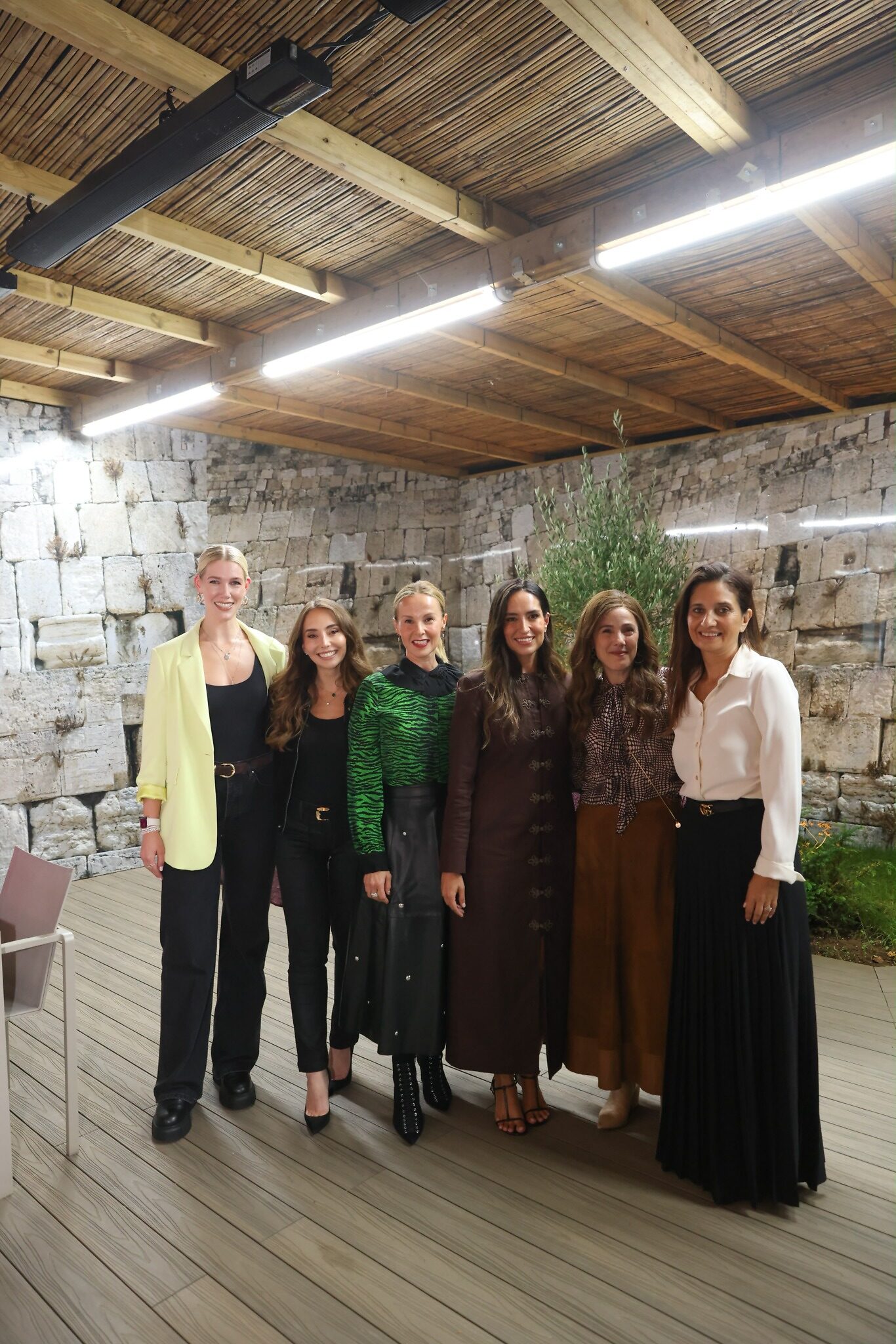
Four inspiring businesswomen shared their experiences with a room of ambitious ladies to raise money for Noa Girls earlier this week.
The charity making a life changing difference to girls struggling with their mental health hosted She Means Business, an event packed with practical advice and honest conversations.
Trustee Jackie Benjamin opened the evening explaining Noa Girls’ vital work providing a home from home for girls facing increasingly challenging mental health issues. Her introduction set the tone for an event that celebrated business success while keeping the charity’s mission firmly at its heart.
The panel featured influencer Gemma Alster, managing director at property company HSPG Robyn Lee, beauty journalist Tamara Corin and Chana Sufrin, founder of fashion brand House of Lancry. They each shared insights from their journey in business, social media and entrepreneurship, exploring everything from building an online following to embracing AI and finding the confidence to take risks.
One of the strongest messages of the evening was: put yourself out there, be authentic and don’t be afraid of what people think.



When it comes to social media, the panellists encouraged women to post regularly, engage with other accounts and remember that content does not always have to be perfectly polished to make an impact.
Gemma emphasised the importance of being relatable and real, saying there is no need to be permanently glamorous or camera ready. Some of the most successful reels can be everyday moments, such as someone enjoying breakfast. And for those who feel uncomfortable appearing on camera, voiceovers and faceless accounts can also be effective.
Tamara offered a particularly useful insight for anyone hoping to get noticed by busy people in the media. Receiving a high volume of emails every day means that a generic approach is unlikely to stand out. Her advice is to make communications personal, do your research and give the recipient something meaningful to work with. Rather than simply sending an email asking for coverage, provide a statistic, suggest an interesting angle or offer ideas that could develop into a feature.
AI was another key topic. Robyn explained that she has trained AI tools to lighten her workload and become more efficient, freeing 12 -15 hours a week to focus on the parts of her job that matter most. “Think of AI as an executive assistant,” she said. “Give it a clear brief, establish boundaries, ask it questions and encourage it to ask you questions in return. The more guidance you provide, the more useful the results can become.”
Robyn also highlighted the importance of checking the work rather than accepting everything AI produces at face value. While the technology can save time and help streamline tasks, it should not replace the human element of business.
She noted that many women remain reluctant to use AI because they feel it is cheating, a reminder that embracing new tools can require a shift in mindset as much as learning new skills.
One of the most reassuring pieces of advice came from Robyn, who said that business is not a prison sentence. There is always the opportunity to change paths, take a different direction or start again. She also stressed the importance of asking for help and making use of the support networks provided by friends and family.
The discussion also touched on how life and business have changed since October 7. Chana Sufrin spoke with passion and emotion about how she had redirected her business, House of Lancry, to become a hub for collecting essential items for IDF soldiers and supporting them in the hour of need. Her contribution offered a powerful example of how business owners can use their resources, networks and platforms to respond to events around them and make a tangible difference.
After a Q&A session, founder and CEO Naomi Lerer spoke movingly about the charity, sharing the impact of its work with impressive results from the programme. A campaign video reminded attendees that what happens next is something we can all help shape.
Hannah, who has experienced very difficult times in her life and has completed the Noa programme, bravely shared her story. Speaking with honesty and emotion about the difference the charity had made to her, Hannah demonstrated what can be possible when girls are given the right support, care and opportunities to rebuild their lives. Her words moved the audience, and they responded with a heartfelt standing ovation.
Noa Girls’ What Happens Next campaign takes place on 18 and 19 October, offering a further opportunity to support the charity and help it continue its life changing work.

Keep community journalism free.
Jewish News is free for everyone. No paywall. No barriers. Just trusted journalism for anyone who wants to stay connected to Jewish life in Britain.
If you value that, please support us.
From as little as £5 a month, you can help keep our journalism free and accessible to all.
Every day, we report on the issues that matter to our community. We celebrate achievements, support charities, challenge antisemitism and ensure Jewish voices are heard more widely.
From as little as £5 a month, you can help us continue to:
- Report on the stories shaping Jewish life in the UK and beyond
- Bring our community together through shared stories, events and campaigns
- Celebrate the people, culture and moments that define our community
- Support organisations doing vital work across Jewish Britain
You can make a one-off donation or become a regular supporter. Every contribution helps keep our journalism free, independent and accessible to all.
If everyone who values Jewish News gave a small amount, it would make a real difference to our future.