Prefer Jewish News on Google
IRGC could be banned in UK early next month as new laws introduced to Parliament
Home Office says it aimed to have new National Security (State Threats)Bill passed into law by July
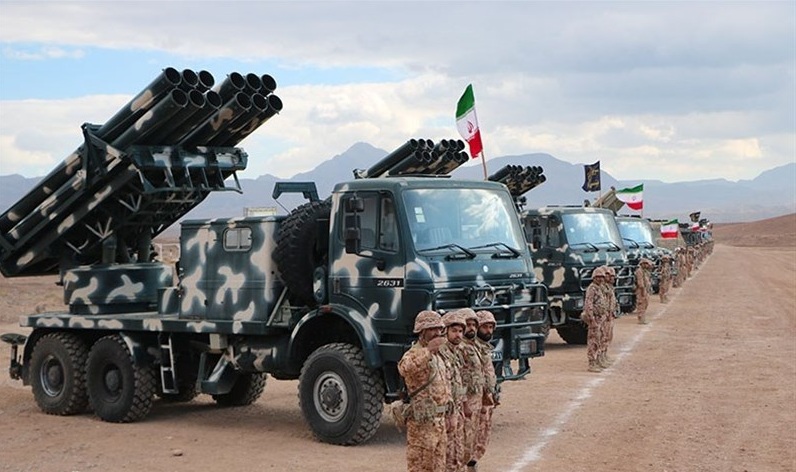
Iran’s Islamic Revolutionary Guard Corps (IRGC) could be proscribed in the UK as early as next month, after new laws were introduced to parliament on Tuesday.
The Home Office said it aimed to have the new new National Security (State Threats)Bill passed into law by July, depending on parliamentary approval.
It would see people working for hostile powers and their proxies potentially jailed for 14 years.
Ministers hope the new laws introduced to Parliament on Tuesday will make it easier to combat threats from hostile states while the long potential sentences are intended to act as a deterrent.
Keir Starmer pledged to fast-track the legislation following a series of attacks on Jews in recent months, including the firebombing of Jewish ambulances and the stabbing of two men in Golders Green in April.


The powers will stop foreign states carrying out hostile activity in the UK – such as criminal damage against Jewish communities and targeting dissidents on UK soil.
It will give the police and intelligence agencies stronger tools and powers to disrupt and deter those who work on their behalf.
Communal organisations along with religious leaders have long called for the IRGC to be banned, and the move was promised by Labour in its election manifesto.
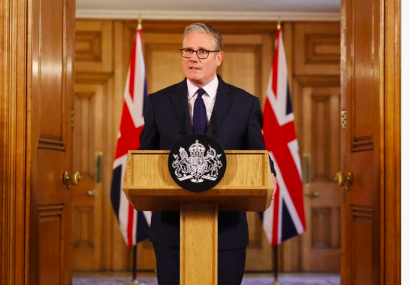
Starmer said: “The recent wave of antisemitic attacks has shocked the nation and left British Jews feeling unsafe in their own communities. That cannot stand.
“Where foreign states are found to be engaging in activity that threatens lives or undermines our democratic institutions, we must ensure that such actions have consequences.”
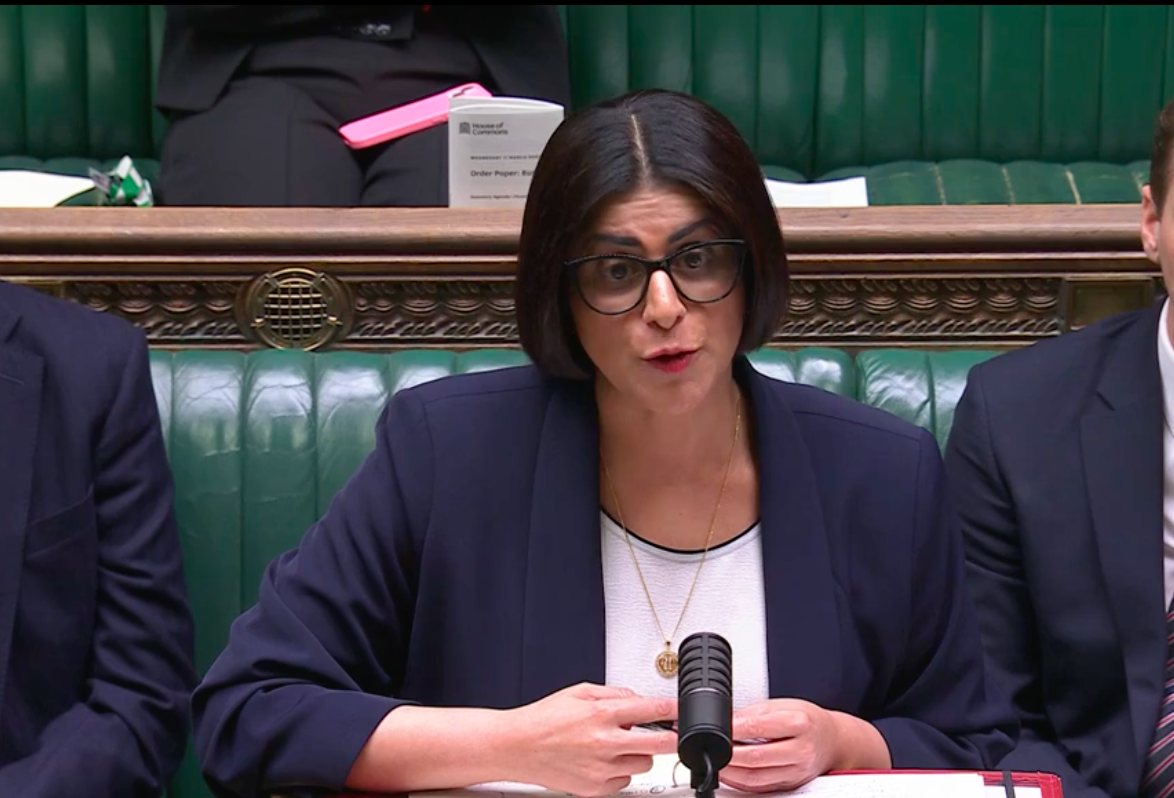
The legislation, introduced to the Commons by Home Secretary Shabana Mahmood, will allow ministers to designate groups as involved in “foreign power threat activity”.
Similar to banning a group under counter-terror legislation, such a designation would make it illegal to assist or accept money from such an organisation, or express support for it.
Mahmood said: “Foreign states are becoming ever more aggressive – attacking our communities, our way of life and our institutions – and hiding their tracks behind proxies. We must adapt to keep pace.”
The new legislation follows concerns that groups linked to foreign powers such as Russia and Iran are recruiting people to carry out attacks in Britain, sometimes through proxies.
MI5 has warned that investigations into state threats increased sharply, with 20 potentially lethal Iranian-backed plots tracked by the security service in 2025 alone.
In September last year, the Metropolitan Police said it had seen a rise in criminals being recruited as “proxies” for foreign states, including two men hired by Russia’s Wagner Group to carry out an arson attack at a Ukrainian-linked warehouse.
Concern has also focused on Iran’s Islamic Revolutionary Guard Corps (IRGC), with repeated calls to ban the organisation over its alleged sponsoring of terrorist activity abroad.
But, last year, the Government’s terror law watchdog Jonathan Hall said existing laws did not cover state-backed groups such as the IRGC, meaning new powers were needed.
Along with the IRGC and Wagner, other groups that could be designated under the new law include the Swedish-based Foxtrot organisation, said to carry out criminal activity on behalf of Iran.
A new criminal offence will apply to anyone who expresses support for a designated organisation – criminalising the glorification of activities which threaten the UK.
It will also be an offence to assist or receive payment from a designated organisation. This will crack down on foreign states hiding their involvement in hostile activity by outsourcing it to proxy groups, such as organised crime groups.
The bill mirrors these offences from the National Security Act 2023, meaning designated groups can be treated in the same way as a ‘foreign intelligence service’ so harmful acts conducted through proxies can be disrupted.
Collectively, these new measures will make it easier to prosecute perpetrators, deter those who might be susceptible to doing the bidding of a hostile state-linked actor, and mean that anyone convicted could face the severe consequence up to 14 years behind bars.
The new powers come in the wake of a concerning rise in state-backed aggression on UK soil with MI5’s state threats investigations increasing by 35% as of last year – with 20 potentially lethal Iranian-backed plots tracked by MI5 last year alone – and diversifying, as we see more threats to life and increased use of proxy groups.

Keep community journalism free.
Jewish News is free for everyone. No paywall. No barriers. Just trusted journalism for anyone who wants to stay connected to Jewish life in Britain.
If you value that, please support us.
From as little as £5 a month, you can help keep our journalism free and accessible to all.
Every day, we report on the issues that matter to our community. We celebrate achievements, support charities, challenge antisemitism and ensure Jewish voices are heard more widely.
From as little as £5 a month, you can help us continue to:
- Report on the stories shaping Jewish life in the UK and beyond
- Bring our community together through shared stories, events and campaigns
- Celebrate the people, culture and moments that define our community
- Support organisations doing vital work across Jewish Britain
You can make a one-off donation or become a regular supporter. Every contribution helps keep our journalism free, independent and accessible to all.
If everyone who values Jewish News gave a small amount, it would make a real difference to our future.