Prefer Jewish News on Google

Israel votes: what next for the start-up nation?
As Israel prepares to go to the polls, experts from Israel’s technology sector tell Candice Krieger what the next government must do to help the industry thrive
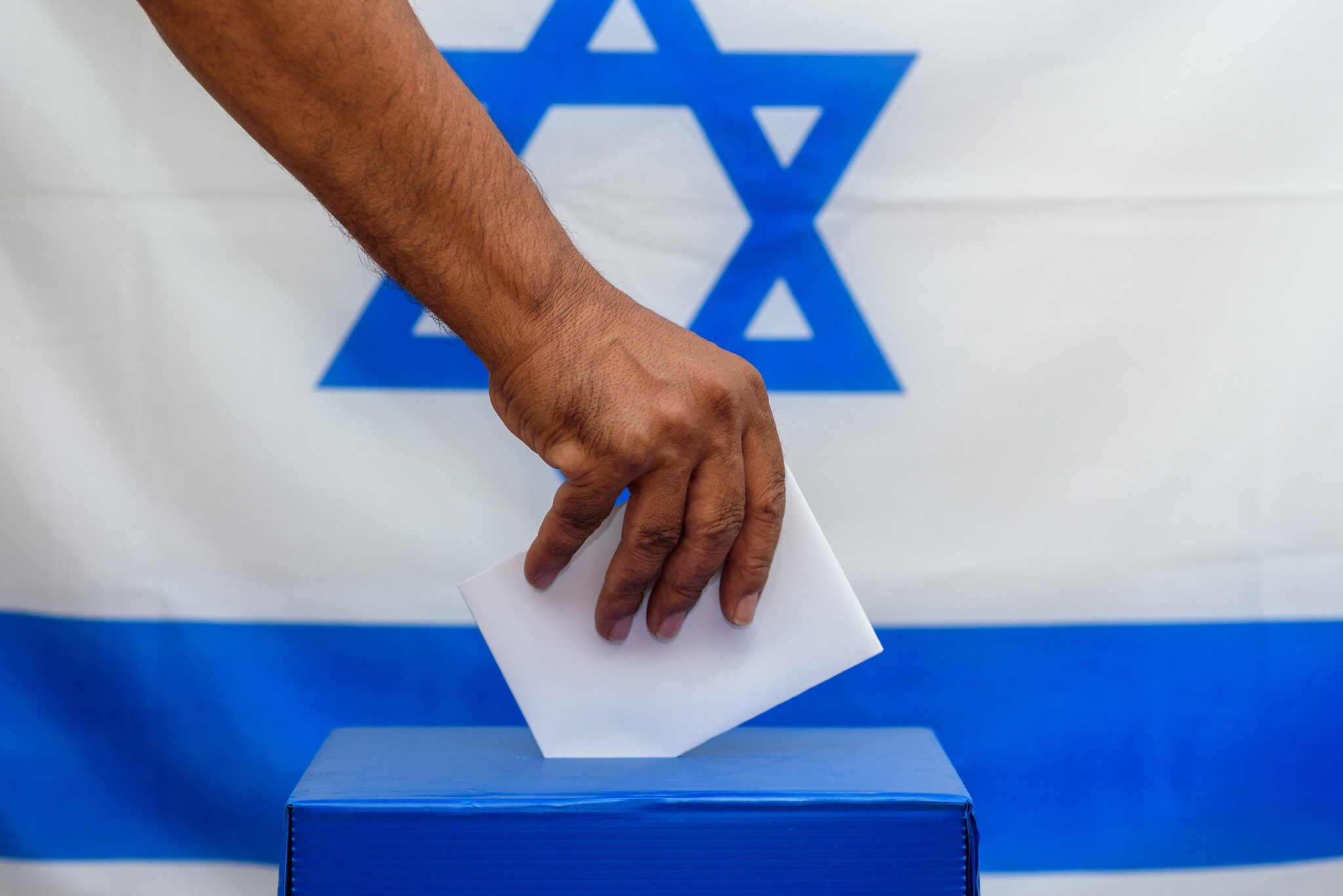
Israel’s next government will inherit one of the country’s greatest economic assets: its technology industry. But what will it take to keep it that way?
Ensuring the sector remains an engine of economic growth will depend on giving entrepreneurs the confidence to build their futures in Israel – and investors the confidence to back them.
As the country prepares to vote on 27 October, retaining talent, attracting investment and competing globally in the AI era are among the priorities tech leaders and investors want the next administration to address.
The long-anticipated election is the country’s first since the 7 October attacks and the wars that followed. Its technology sector has demonstrated considerable resilience against a challenging backdrop. Israel ranked third behind only the US and UK in StartupBlink’s 2026 Global Startup Ecosystem Index, underlining its ability to punch above its weight internationally.
Preliminary IVC–LeumiTech data showed Israeli tech companies raised $3.6 billion in the third quarter of 2026, up 53 per cent on the same period last year. And according to the latest report from the Israel Innovation Authority (IIA), fundraising rose 30 per cent to nearly $15 billion in 2025, placing Israel fourth among global technology hubs for capital raised and first outside the United States. High-tech exports reached $85 billion, accounting for 58 per cent of the country’s total.



Yet the statistics sit alongside a more complicated domestic picture. The IIA also reported the first decline in a decade in research and development employment, while companies expanded overseas, raising questions about how much future growth will remain in the country.

Eze Vidra, managing partner at Remagine Ventures, told Jewish News: “As an investor backing Israeli founders at pre-seed, I see enormous ambition and resilience. But that talent has global options.
“The next government, whoever leads it, should treat human capital as national infrastructure: strong democratic institutions, predictable policy and investment in education across every community. Give talented people the confidence to build their companies, careers and families in Israel.”
The location of that talent is already shifting. According to the IAA, 62 per cent of employees at private Israeli high-tech companies were based in Israel by March 2026, down from 69 per cent in 2019.
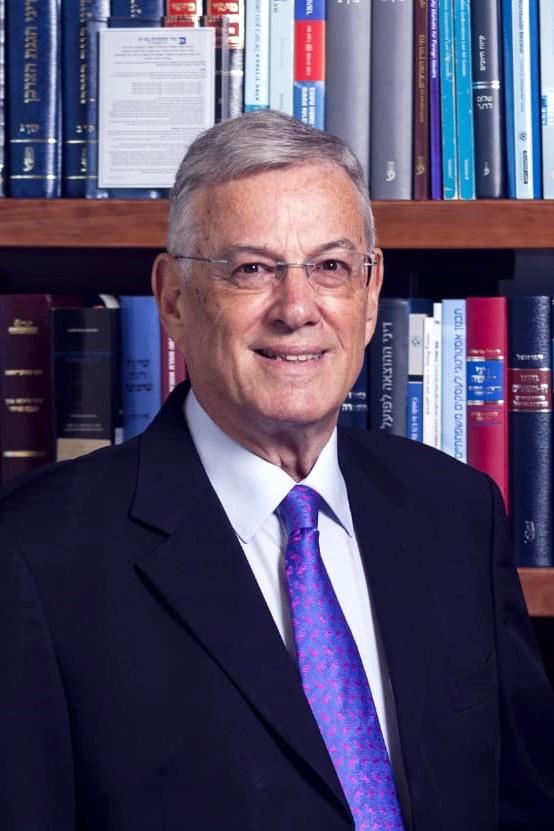
For Shmuel Ben-Tovim, president & CEO of The Israel Fintech Centre and a former economics minister at the Israeli Embassy, the priorities extend beyond technology policy.
Asked what he most wants the next government to do, he said: “A thorough and independent investigation into what went wrong on October 7. The findings will be relevant not only to this tragic event, but also to the entire mismanagement in the Israeli public sector.”
He noted the new government should, in their first 100 days, “abolish all anti-democratic legislation of the current government; start fixing the ailing education system and address the soaring cost of living,” adding that there needs to be a focus on “equal rights and duties of all sectors, including the Arab citizens and the Charedi community.
“Renew the sense of equality and solidarity for all Israelis,” he said.
“Stop the brain drain, which creates a real challenge to Israel’s supreme position as the High-Tech Nation.
Ben-Tovim also expressed concern “that the elections will end up with no decisive outcome”.
Beyond those domestic challenges, Aviva Steinberger, interim CEO of Startup Nation Central, a nonprofit connecting Israeli innovation with global businesses and investors, called for closer alignment between technology policy and Israel’s wider economic and security goals.
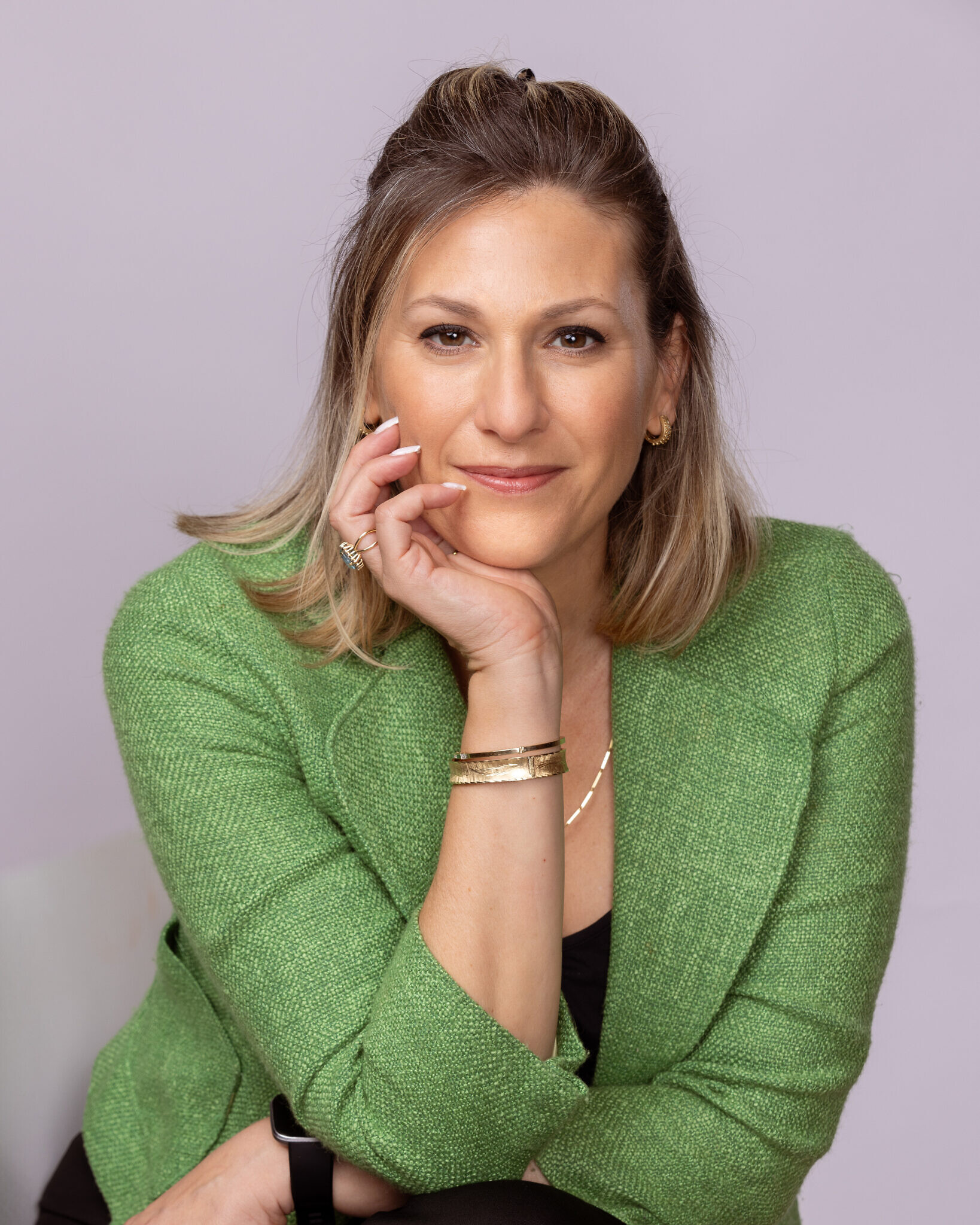
Photo: Micha Lubaton
“Technology is increasingly a geopolitical asset, and the next government needs to treat Israel’s technological leadership as a national strategic priority. Other countries are investing heavily in critical technologies and building international alliances around them. Israel has extraordinary capabilities, but we need to be more strategic about how we use them to advance our economic and security interests.
“That means positioning Israel in emerging alliances around AI, defense, energy and critical supply chains, while investing in the infrastructure, talent and capital needed to remain competitive. We cannot assume that the conditions that made Israel a technology powerhouse will be enough to sustain our leadership in the decade ahead.”

Judah Taub is the managing partner at Hetz Ventures, one of Israel’s leading early-stage venture capital firms focused on cybersecurity, data and AI infrastructure. He called for greater ambition from whoever takes office.
“Israel’s political debate is too often focused on avoiding the downside rather than capturing the extraordinary upside. We worry about talent leaving, rather than how to attract the world’s best talent. We worry about falling behind in AI, rather than how Israel could lead it.
“As I argue in my new book, Moonshots for Israel, the real question for the next government isn’t coalition arithmetic, but whether we have the ambition to realise Israel’s enormous potential.”
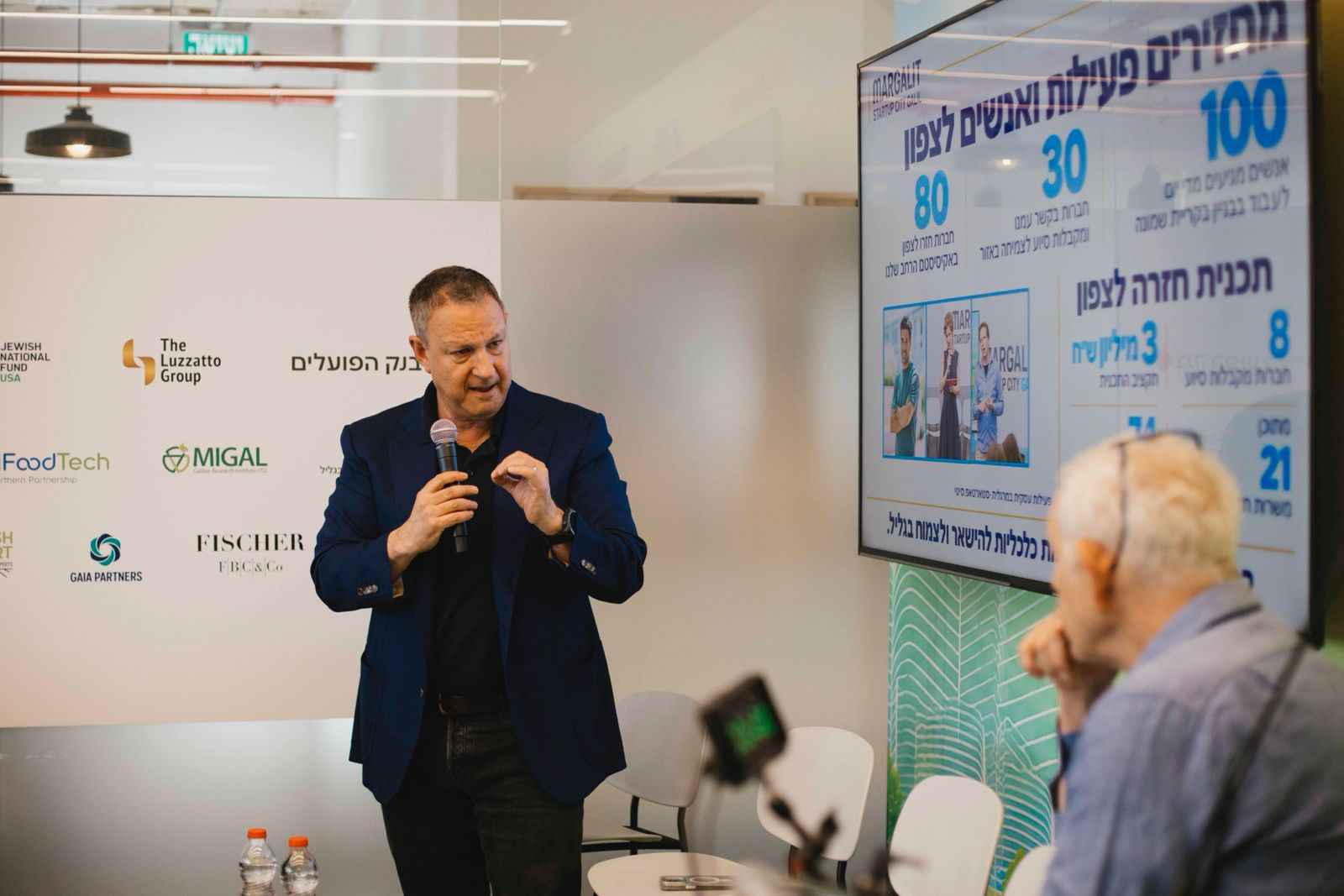
Photo: Aviv Nave
For Erel Margalit, founder and executive chairman of Jerusalem Venture Partners (JVP) and Margalit Startup City, northern Israel offers an opportunity to put that ambition into practice.
Margalit Startup City helped organise this week’s “Choosing the North” conference in Kiryat Shmona, focused on the region’s economic recovery and growth.
“Now with these crucial elections, Israel needs a new chapter. Israel has the chance to open a new chapter,” he said.
“The North in particular has the potential to become one of Israel’s most important growth engines, but that will not happen through reconstruction alone. We need to bring back companies, create thousands of high-quality jobs, attract young families and entrepreneurs, and give investors a real reason to build here.
“With Tel-Hai becoming a university, a strong base in foodtech, agritech and AI, and a unique quality of life, the opportunity is enormous. What is needed now is a serious public-private partnership, with bold government incentives for employment, investment and housing, to turn the North from a region recovering from war into the next great chapter of Israeli growth.”
The challenge for whoever forms the next government will be to support the industry’s strengths while preparing it for a changing world.
As Taub put it: “Whoever leads should be judged not just by the crises they manage, but by the future they build.”

Keep community journalism free.
Jewish News is free for everyone. No paywall. No barriers. Just trusted journalism for anyone who wants to stay connected to Jewish life in Britain.
If you value that, please support us.
From as little as £5 a month, you can help keep our journalism free and accessible to all.
Every day, we report on the issues that matter to our community. We celebrate achievements, support charities, challenge antisemitism and ensure Jewish voices are heard more widely.
From as little as £5 a month, you can help us continue to:
- Report on the stories shaping Jewish life in the UK and beyond
- Bring our community together through shared stories, events and campaigns
- Celebrate the people, culture and moments that define our community
- Support organisations doing vital work across Jewish Britain
You can make a one-off donation or become a regular supporter. Every contribution helps keep our journalism free, independent and accessible to all.
If everyone who values Jewish News gave a small amount, it would make a real difference to our future.