Prefer Jewish News on Google
Israel’s Supreme Court halts government decision to fire Attorney General
The government voted unanimously to fire Gali Baharav-Miara on Monday evening - the Supreme Court promptly blocked the move until it has the opportunity to rule on its legality
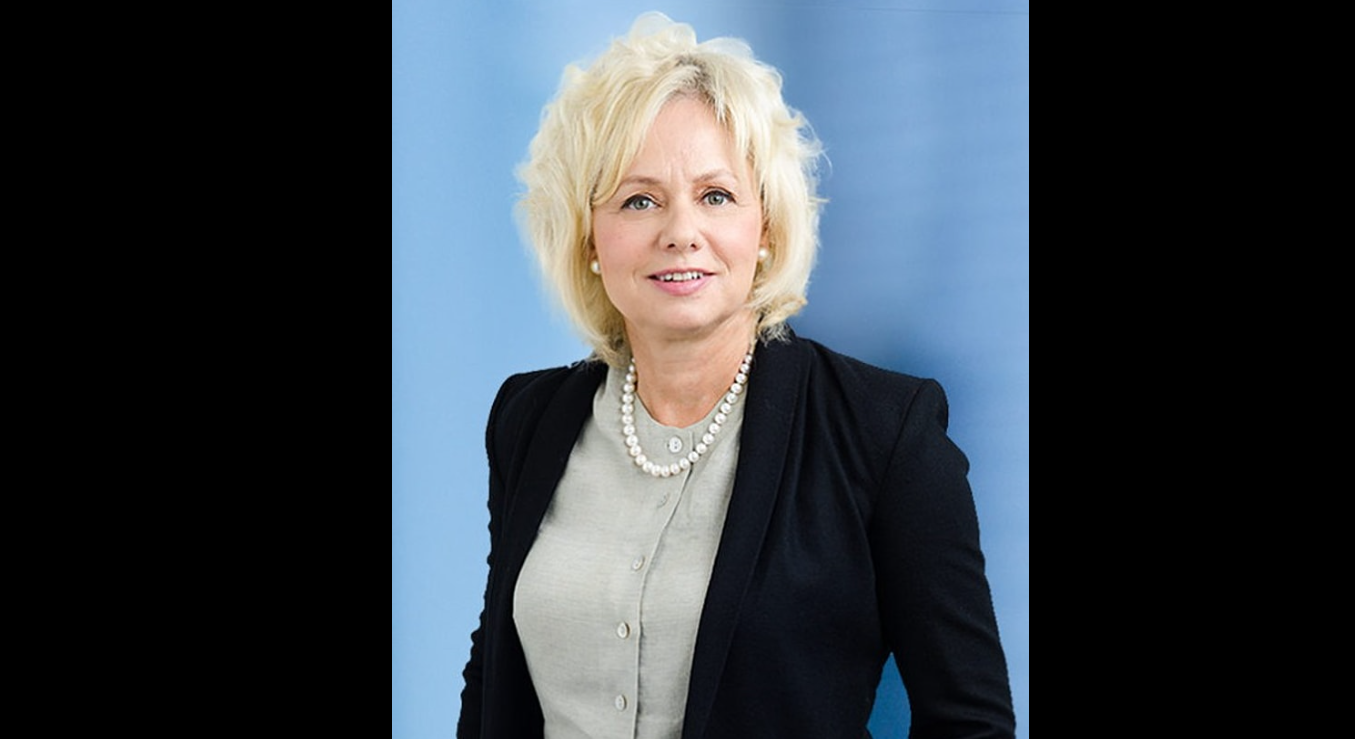
Israel’s Supreme Court has stepped in to halt an attempt by the government to dismiss the Attorney General, leading to a further constitutional crisis for the country.
In a cabinet meeting yesterday, Prime Minister Benjamin Netanyahu’s coalition government voted unanimously to dismiss Gali Baharav-Miara from office. In response, the Supreme Court blocked the decision with an injunction and a statement that no aspect of the attorney general’s position can be changed until the legality of the decision is reviewed by the court. Israel’s most senior judicial authority also ruled that the government cannot name a replacement for Baharav-Miara in the meantime.. As Attorney General, Baharav-Miara is also the head of the prosecution for Netanyahu’s ongoing criminal trial.
The government’s actions are the culmination of a long-running battle with the Attorney General, who was appointed to the position in 2022 by the previous administration. The current government has accused the Attorney General of deliberately acting as an impediment to enactment of its policies. Baharav-Miara has maintained that she is performing her required role – to delineate what the Government can or cannot legally do.
Baharav-Miara has repeatedly refused to attend hearings this past month by the ministerial advisory committee that pushed for her dismissal, and similarly refused to attend yesterday’s cabinet meeting.
She instead penned a letter to the cabinet informing the ministers that their attempt to fire her would make a mockery of the position of Attorney General, making it a position that depended on the good graces of the government.



She wrote: “This [deals] a fateful blow to the rule of law, equality before the law, human rights, and the ability of the law enforcement system to deal with government corruption.”
She also argued in the letter that the country’s Justice Minister, Yariv Levin, sought a more obedient Attorney General who would endorse policies widely unpopular with the Israeli public, such as the continuation of Charedi draft exemption laws.
In response, Levin informed her of the government’s decision, and urged to stand down rather than be made to leave.
“You cannot force the government to remain with an oppositional attorney general on procedural, technical grounds”, he wrote. The claim that, because there is a procedural problem in finding someone to sit on the committee, the government cannot dismiss the attorney general, is devoid of all logic. It is impossible to prevent the dismissal on this basis.”
A decision to dismiss an Attorney General should only come as the result of a recommendation by a special committee, including either a former justice minister or attorney general. However, after a failure to find either who would sit on such a panel, the government instead replaced the panel with a new one, solely comprised of cabinet ministers, to make a recommendation to sack Baharav-Miara.
The current government caused mass protests in mid-2023 over its attempts to push through highly controversial changes to the powers of the country’s Supreme Court, which would have effectively stripped the judicial body of its ability to challenge or halt the government’s decisions. The government claimed that the Supreme Court had acted in a consistently political fashion to block its agenda. Although the attacks of 7 October led to a suspension of the plans to move forward with judicial overhaul, there have been regular attempts to return it to the political agenda.
The Movement for Quality Government in Israel has already submitted a petition to the High Court with more than 15,000 signatures.
They said, in a statement: “The petition exposes the clear flaws in the decision, including a clear conflict of interest of the prime minister.
“The government will meet us in court.”

Keep community journalism free.
Jewish News is free for everyone. No paywall. No barriers. Just trusted journalism for anyone who wants to stay connected to Jewish life in Britain.
If you value that, please support us.
From as little as £5 a month, you can help keep our journalism free and accessible to all.
Every day, we report on the issues that matter to our community. We celebrate achievements, support charities, challenge antisemitism and ensure Jewish voices are heard more widely.
From as little as £5 a month, you can help us continue to:
- Report on the stories shaping Jewish life in the UK and beyond
- Bring our community together through shared stories, events and campaigns
- Celebrate the people, culture and moments that define our community
- Support organisations doing vital work across Jewish Britain
You can make a one-off donation or become a regular supporter. Every contribution helps keep our journalism free, independent and accessible to all.
If everyone who values Jewish News gave a small amount, it would make a real difference to our future.