Prefer Jewish News on Google
Jewish Museum London unveils first public exhibition space since closure
New gallery at JW3 marks major step in museum’s revival as leaders target permanent home by 2030
The Jewish Museum London will reopen a public exhibition space this month for the first time since closing its Camden site, as it takes a significant step towards establishing a new permanent home.
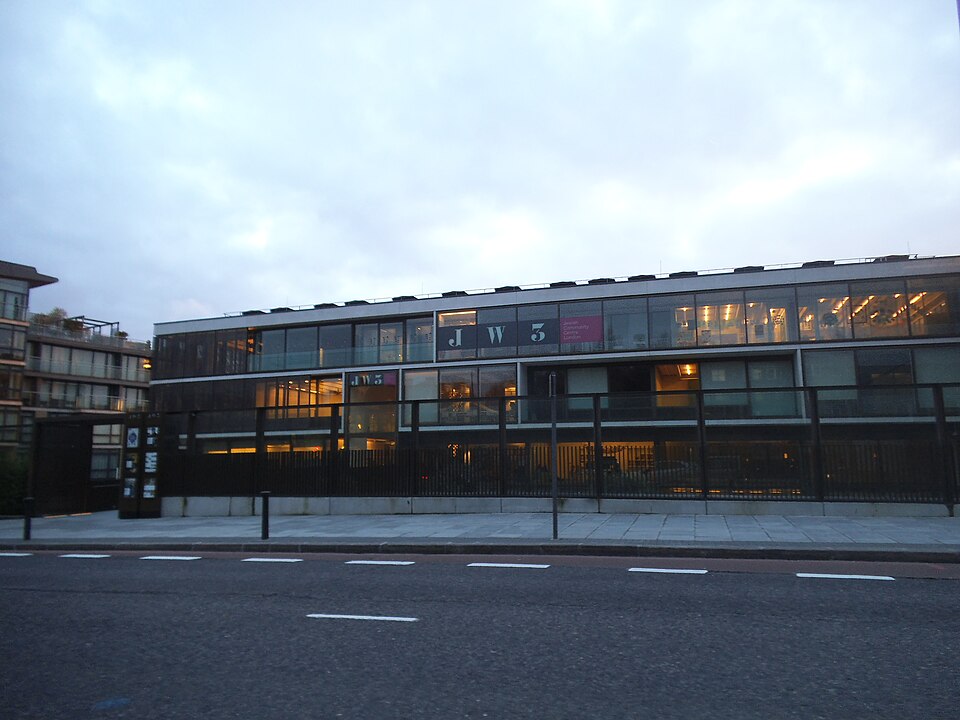
The museum has announced the launch of Two Rooms by Jewish Museum London at JW3 in north London, an interim exhibition space that will host displays drawn from its collections while serving as a testing ground for its future direction.
Opening to the public on 18 June, the project forms part of the museum’s wider revival plans following several years of financial and organisational challenges that led to the closure of its former site.
Museum leaders say the new space represents an important milestone in rebuilding public engagement as they work towards opening a permanent museum by 2030.
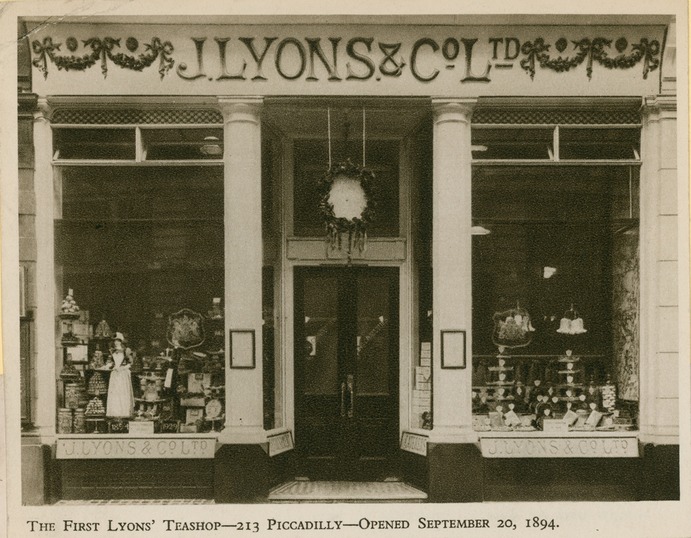
The inaugural programme will feature two exhibitions. One explores the story of the Jewish family behind the J. Lyons empire, examining how German-Jewish immigrants helped build one of Britain’s most recognisable brands, from tea shops and ice cream to the pioneering LEO computer.



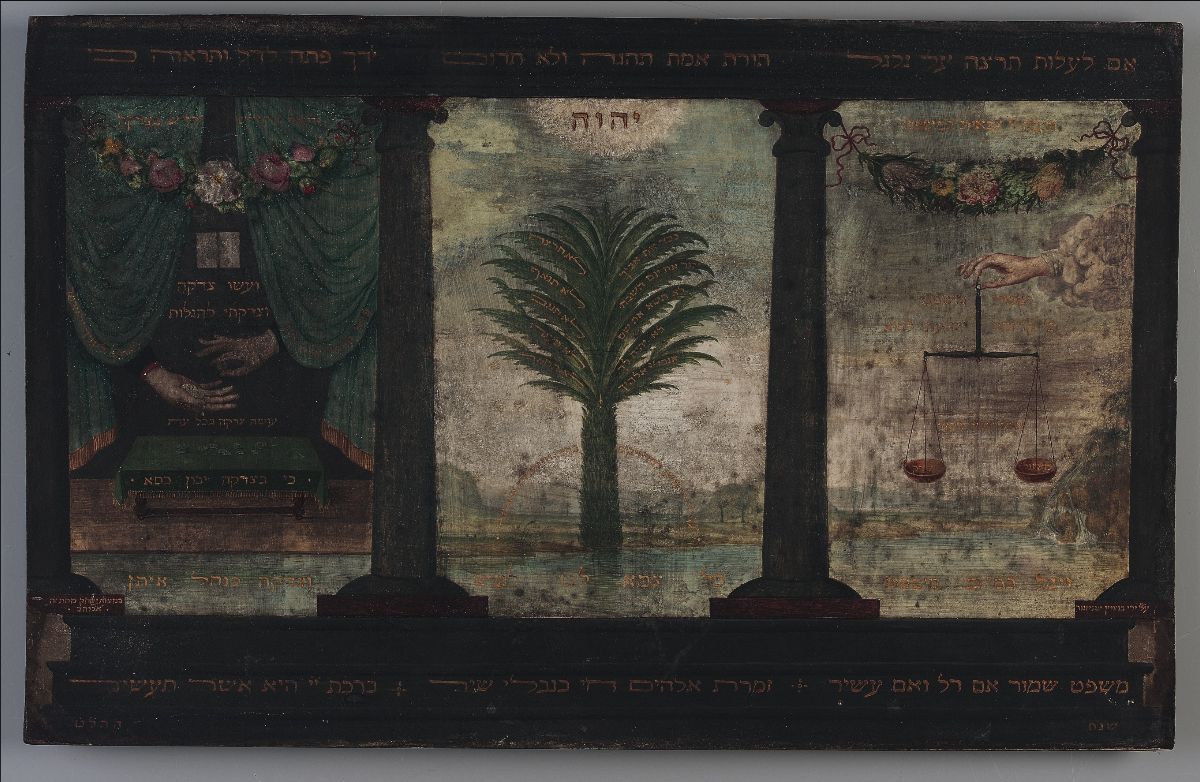
The second exhibition, Tree of Life: Stories from Jewish Museum London’s Collection, will showcase highlights from the museum’s 35,000-strong collection, tracing more than three centuries of Jewish life in Britain through objects ranging from the 1650s to the present day.
The museum has continued operating educational programmes and lending items from its collection since the closure of its former premises, but the new JW3 space will provide a dedicated public venue for exhibitions once again.
Charles Ross, the museum’s recently appointed chief executive, described the initiative as “a reset and a new beginning” for the institution.
He said: “While we have continued our programme of educational outreach, object loans and displays around the UK over the past few years, this new interim space is intended to further build public engagement, present thought-provoking exhibitions, display highlights from our collection and reconnect with communities as we develop a broader national strategy.
“Current plans for our new permanent home are now being crystallised and will be shared in the coming months.”
Nick Viner, chair of the museum’s board, said the organisation had emerged from a difficult period with “renewed confidence, new leadership and a clear sense of purpose”.
He added: “Holding exhibitions in this interim space is an important step towards creating a new museum that reflects and celebrates the richness, complexity and continuing contribution of Jewish life in Britain.”
Viner also stressed the museum’s importance at a time of rising antisemitism and growing public debates around identity and belonging.
“The British Jewish community is an integral part of the story of immigration and cultural identity in Britain, not a world apart,” he said.
“Over the centuries, we have fostered peace, prosperity and progress across a wide range of fields, despite the various forms of prejudice we have faced and continue to face. The Jewish Museum London tells these stories. We aim to celebrate the Jewish contribution to this country and create greater understanding and connection both within the Jewish community and wider audiences.”
Curator Nina Pearlman said creating a permanent display within the temporary venue had offered an opportunity to rethink how Jewish history is presented.
“Working across 35,000 objects to create a small yet permanent display in a temporary space has been an opportunity to think afresh about how Jewish history and culture can be presented – not as a single story, but as many, held together by recurring questions about visibility, belonging, and what it means to be rooted in a place,” she said.
“I hope that the objects do what objects always do: make you see, learn, and experience something you did not expect.”
A private launch event will take place on 17 June, featuring a conversation between author Thomas Harding and Viner. The exhibitions will run until 18 October.

Keep community journalism free.
Jewish News is free for everyone. No paywall. No barriers. Just trusted journalism for anyone who wants to stay connected to Jewish life in Britain.
If you value that, please support us.
From as little as £5 a month, you can help keep our journalism free and accessible to all.
Every day, we report on the issues that matter to our community. We celebrate achievements, support charities, challenge antisemitism and ensure Jewish voices are heard more widely.
From as little as £5 a month, you can help us continue to:
- Report on the stories shaping Jewish life in the UK and beyond
- Bring our community together through shared stories, events and campaigns
- Celebrate the people, culture and moments that define our community
- Support organisations doing vital work across Jewish Britain
You can make a one-off donation or become a regular supporter. Every contribution helps keep our journalism free, independent and accessible to all.
If everyone who values Jewish News gave a small amount, it would make a real difference to our future.