Prefer Jewish News on Google
Leap of faith: Media bias – or is the truth too complex?
There are always two sides to a story
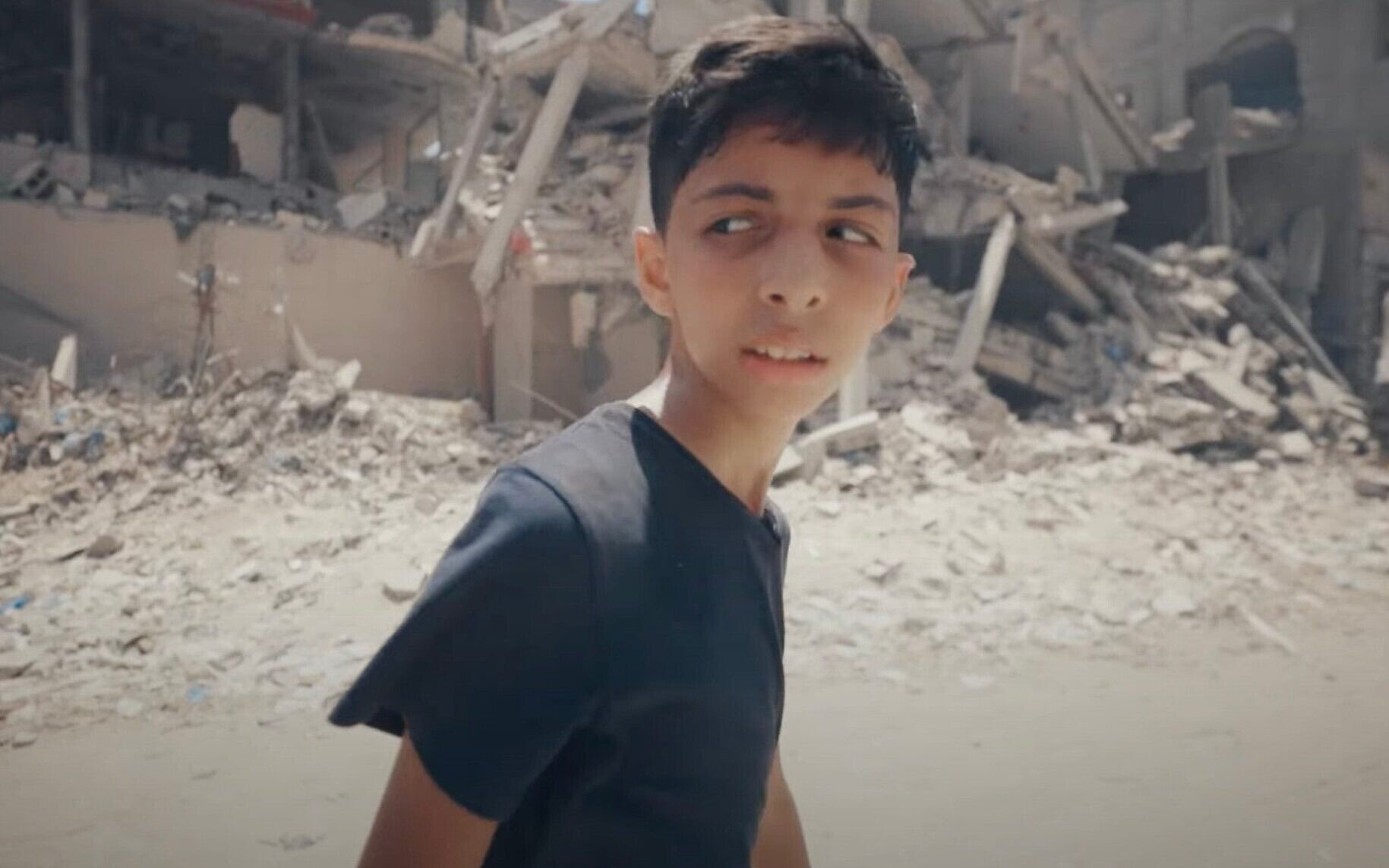
National media regulator Ofcom recently told the BBC to issue an on-air apology for the first time since 2009 after failing to disclose that the narrator of a documentary about Gaza was the son of a Hamas official. The BBC’s director-general had already apologised and has accepted the ruling, but I know that it adds to a sense that I hear a lot of in the Jewish community – that the media is biased against us and particularly against Israel, and that our perspective does not get a fair say.
We are not the only community who feel like this – the Muslim community’s Centre for Media Monitoring report last year said that most TV channels promoted Israel’s right to defend itself over Palestinian rights by a ratio of five to one. I was a journalist for BBC News before I became a rabbi, and although I left in 2009, which equates to about 100 years ago in media terms, I do remember that on most issues we reckoned that if people on both sides of the argument were protesting against us, which happened quite a lot, then we were probably getting it about right, most of the time.
I trained as a journalist twice – once at Cardiff University before joining a local newspaper and again with BBC News’ own internal training. Both times the idea of impartiality was drummed into me – when you enter the newsroom, you leave your personal views outside. It is easier said than done of course because impartiality can mean different things to different people. Where the centre ground is varies according to one’s own perspective.
Jewish law is very keen to eliminate biases, particularly in a court of law. In Leviticus 19:15 it says: “You shall not favour the poor nor honour the great, but in justice you will judge your people.” It’s an invitation to look at everything critically and examine both sides of the argument before coming to a judgement.
How many of us really examine both sides of the argument before deciding what the truth is? The challenge for journalists is that there is never just one story, never just one narrative. The truth is often complex and multi-faceted. It doesn’t matter how certain you are that you are right – there is almost always another side to the story.

Our rabbinic tradition faces up this very same challenge. The minority opinion is always recorded, even if the law goes with the majority. We are absolutely right to hold our media organisations and our journalists to account when they get it wrong. But we also need to acknowledge just how complex and nuanced our world is and that perhaps there are always two sides to every story.
Rabbi Naomi Goldman is at Kol Chai Hatch End Reform Jewish Community

Keep community journalism free.
Jewish News is free for everyone. No paywall. No barriers. Just trusted journalism for anyone who wants to stay connected to Jewish life in Britain.
If you value that, please support us.
From as little as £5 a month, you can help keep our journalism free and accessible to all.
Every day, we report on the issues that matter to our community. We celebrate achievements, support charities, challenge antisemitism and ensure Jewish voices are heard more widely.
From as little as £5 a month, you can help us continue to:
- Report on the stories shaping Jewish life in the UK and beyond
- Bring our community together through shared stories, events and campaigns
- Celebrate the people, culture and moments that define our community
- Support organisations doing vital work across Jewish Britain
You can make a one-off donation or become a regular supporter. Every contribution helps keep our journalism free, independent and accessible to all.
If everyone who values Jewish News gave a small amount, it would make a real difference to our future.