Prefer Jewish News on Google
‘Life looks normal but nothing feels normal’: Israel’s northern evacuees say crisis far from over
SPECIAL REPORT: Returned families' fear, trauma, and political neglect still shape daily life in Israel’s north, despite the quiet brought by the ceasefire
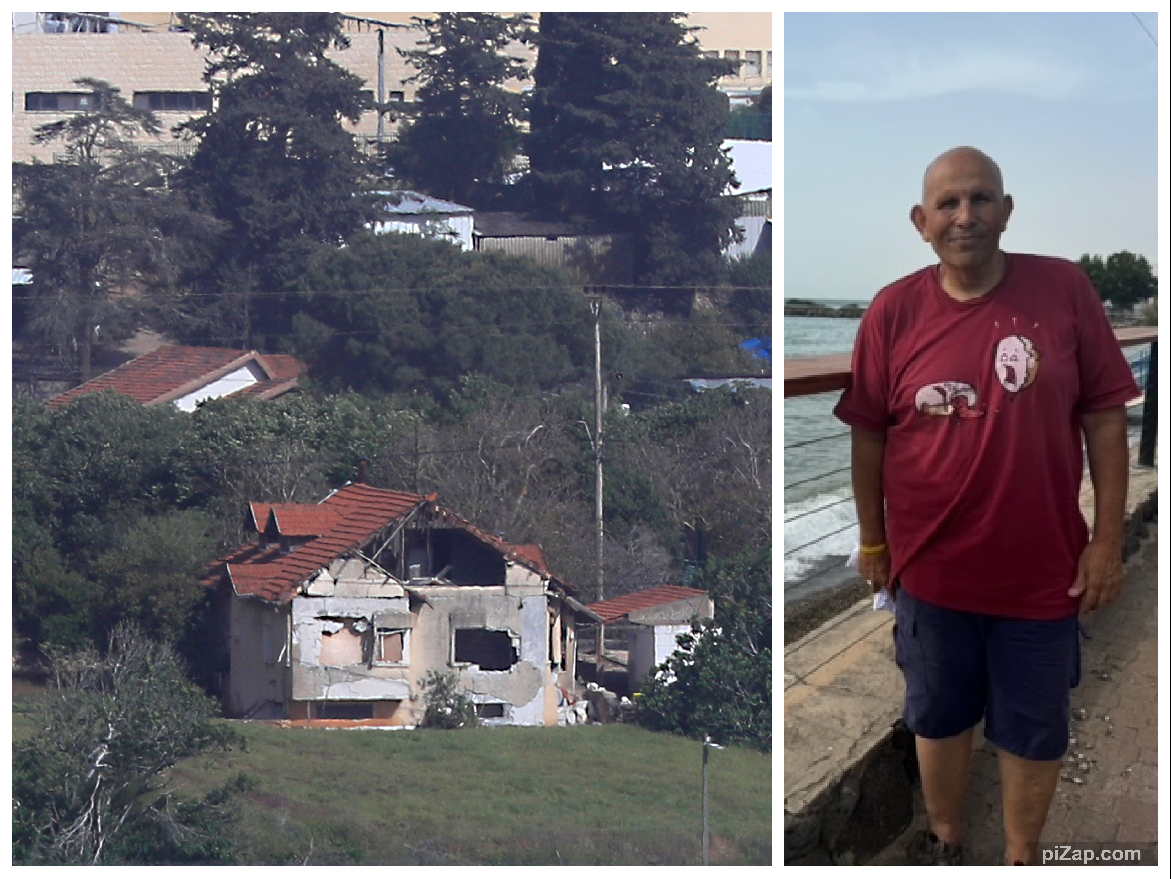
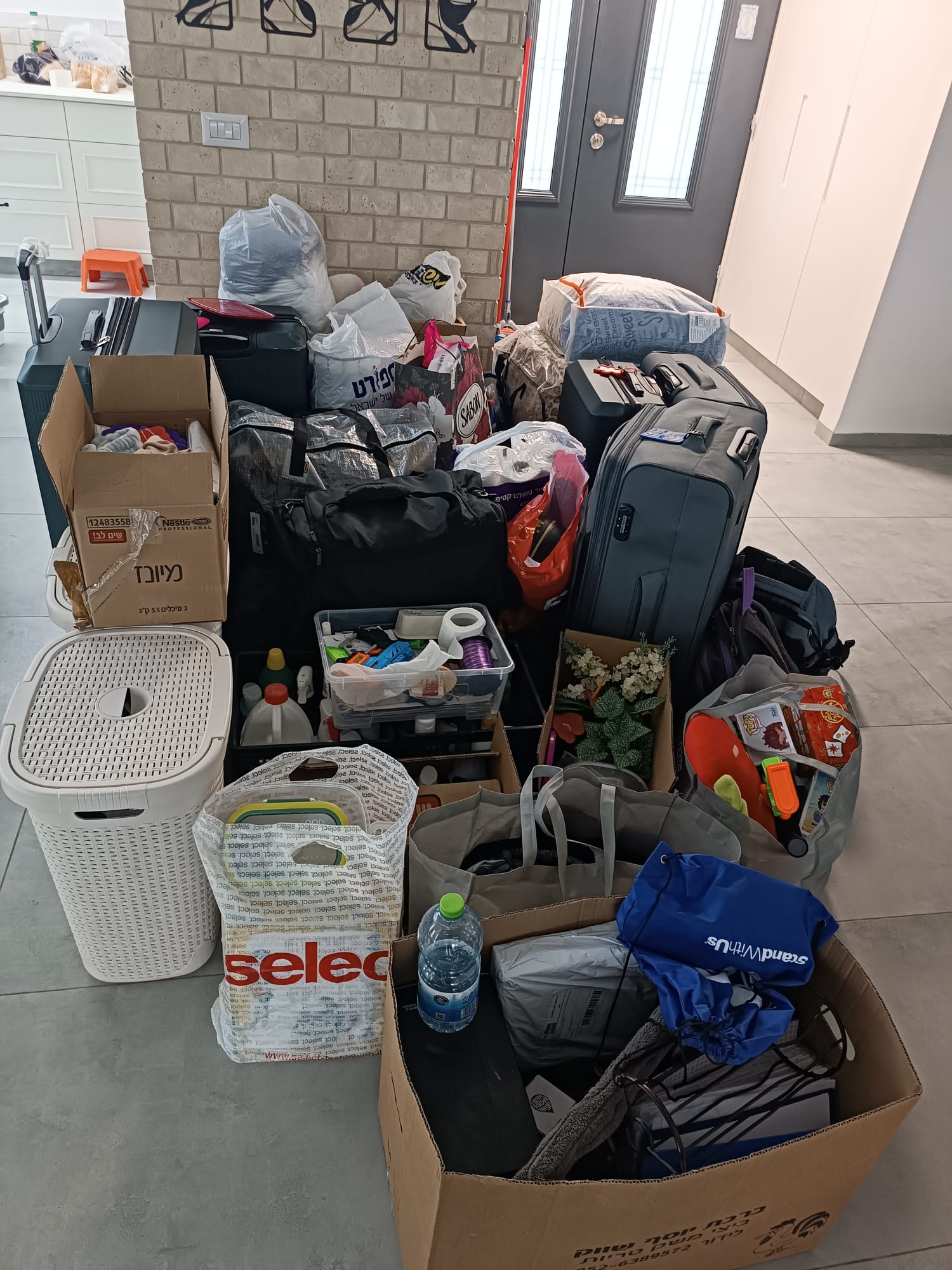
When Jewish News last spoke to Barry Praag – a London-born retired English teacher who made aliyah four decades ago – he was living out of suitcases, unsure whether he would ever feel at home again. His kibbutz, Dafna, had been emptied almost overnight after the Hamas attacks. He and his wife left with only sentimental items and basic necessities, joining the tens of thousands displaced from Israel’s northern frontier once Hezbollah unleashed daily fire from Lebanon.
Today, in November 2025, the kibbutz looks deceptively restored. The lawns are green again, the café is open and the River Dan still cuts its tranquil path through the orchards. Yet Barry says the sense of ease and certainty that once defined life here has not returned.
He remembers the early hours of 7 October with absolute clarity. Although the attack took place far to the south, the psychological shock reached the Lebanon border within minutes. The moment his wife, Orit, received the message that her nephew, Iftach, had been killed fighting Hamas, everything shifted.
You look around and it seems normal. But nothing feels normal.
“The fear wasn’t abstract anymore”, he said. “It was personal. If Hamas could breach our borders, we knew Hezbollah, with far greater strength, could be next.”

By then, Dafna’s 1,100 residents were already organising themselves. Messages circulated urging families to pack valuables, gather documents, and leave as soon as possible. There was no guidance beyond “go”. Parents put children in front of the television while they scrambled for passports, jewellery, and keepsakes.
Barry and Orit eventually ended up in Daria Village, a lakeside holiday resort repurposed into emergency housing for hundreds of evacuees – one of many such sites across the Galilee. What was meant to be a stay of “a few weeks” stretched into many months.
When they finally returned, the experience was not the relief he had imagined. Unlocking the door felt like re-entering a life interrupted mid-sentence. Their belongings sat exactly as they had left them, and a stillness hung over the house that felt unsettling rather than peaceful.
“What struck me most was the atmosphere,” he said. “It looked like home, but it didn’t feel like it yet.”
Although parts of the kibbutz had suffered rocket damage, his own home was largely intact. What had changed was their own sense of safety. Barry and Orit walked slowly through each room, taking in the small signs of the life they’d left behind – the books on the table, the jackets by the door, the last ordinary moments before everything changed.
They resumed their weekly visits to check the house remained secure, but Barry said neither of them felt ready to move back immediately. “Families didn’t want to expose their kids to sirens again. There was a psychological barrier. You can’t just switch off fear.”
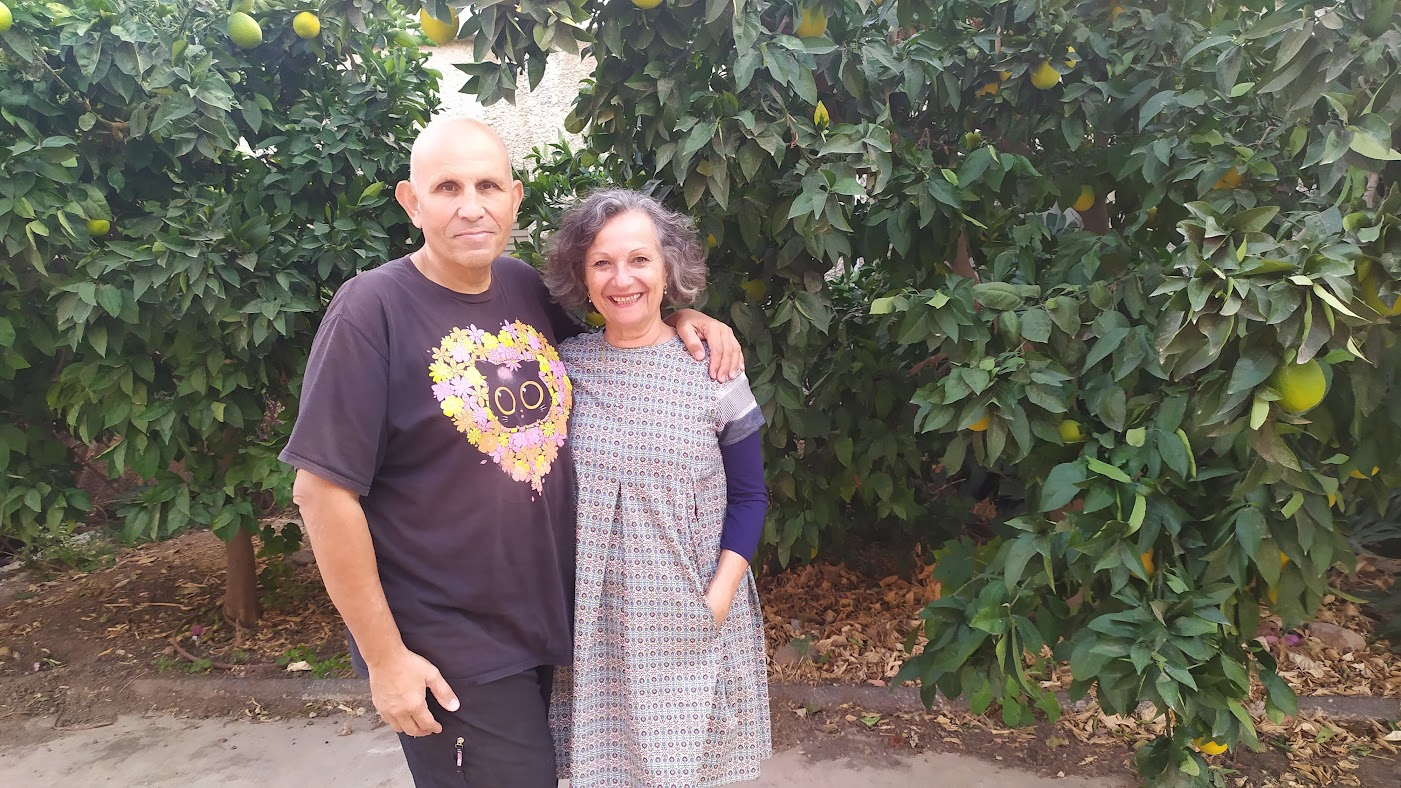
Even now, with the lawns restored and children running freely again, he says the emotional landscape remains marked by the months of upheaval.
“You see normality,” he said. “But inside, people are still carrying the weight of what happened. Returning doesn’t erase the fear. It just becomes quieter.”
He is not alone.
A Canadian-born resident of Dafna, who asked for her name to be withheld, is one of many who echo that feeling – but her story carries a different kind of fracture.
She moved to Kibbutz Dafna a decade ago after making Aliyah from Toronto, and for her, the community had always felt like the closest thing to the childhood she wanted for her own children: “Kids running outside on their bikes, neighbours helping each other, holidays as one big family.”
“It was a dream,” she said. “I felt completely at peace here.”
That peace evaporated on 7 October. Her husband was abroad on a work trip, leaving her alone with three young children as the news from the south grew darker by the hour. She remembers watching friends in the North panic amid reports of unrest along the border, yet she still didn’t grasp the full scale of the catastrophe until her husband landed home and they turned on the television.
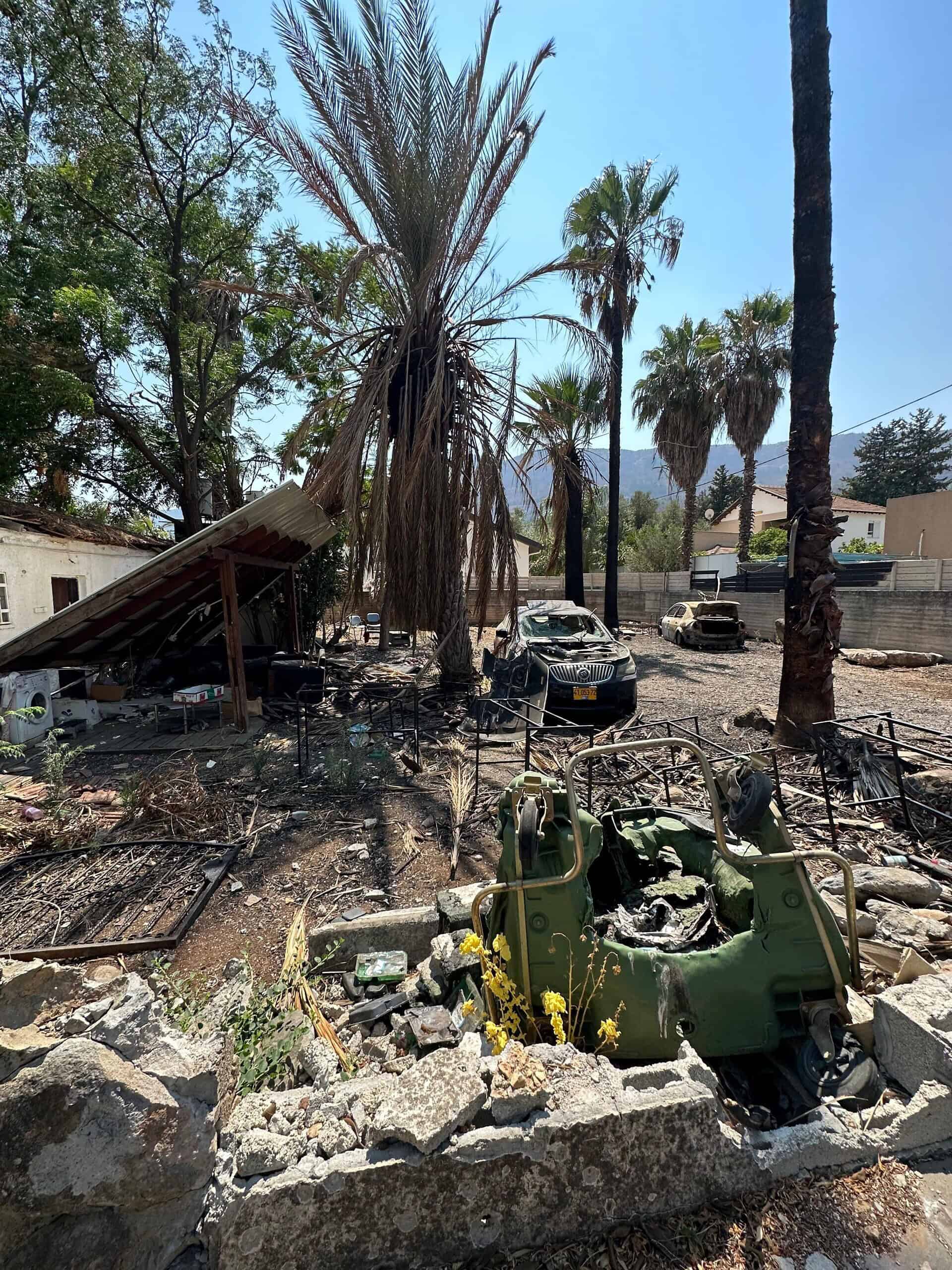
The next morning, the message came from the kibbutz leadership: strongly recommended evacuation. “Take sentimental items. Take essentials. Leave immediately.”
She grabbed passports, jewellery from her grandmother, and the children’s favourite toys before heading first to family in central Israel, then to an Airbnb whose owners offered their home free of charge “as long as you need”. But even that was temporary. Within days, like many Dafna families, they relocated again – this time to a resort hosting evacuees.
What stayed with her was not the logistics but the shock. A siren sounded on their first night at the resort. In the chaos, one of her children was briefly lost amid the rush to shelters. “It was only five minutes. But for us, it was trauma.”
Eventually, with no clear end in sight and no functioning school system for their children, her family chose something most evacuees could not: a temporary move to Toronto, where a Jewish day school took in her children at short notice. “It was meant to be one or two months,” she said. “It became four.”
They returned to Israel in February 2024 – not to their home, but to another temporary accommodation on the Kinneret, and later a cramped rented unit above a family in the Jordan Valley. That period, she said, was one of the hardest: “There was no safe room. During the first Iranian attack we had nowhere to go except under the stairs. We would put the kids there and sit in the corner, praying nothing hit the glass in front of us.”
Her family returned to Dafna earlier than most because they could no longer tolerate the lack of safety. The kibbutz was nearly empty when they arrived.
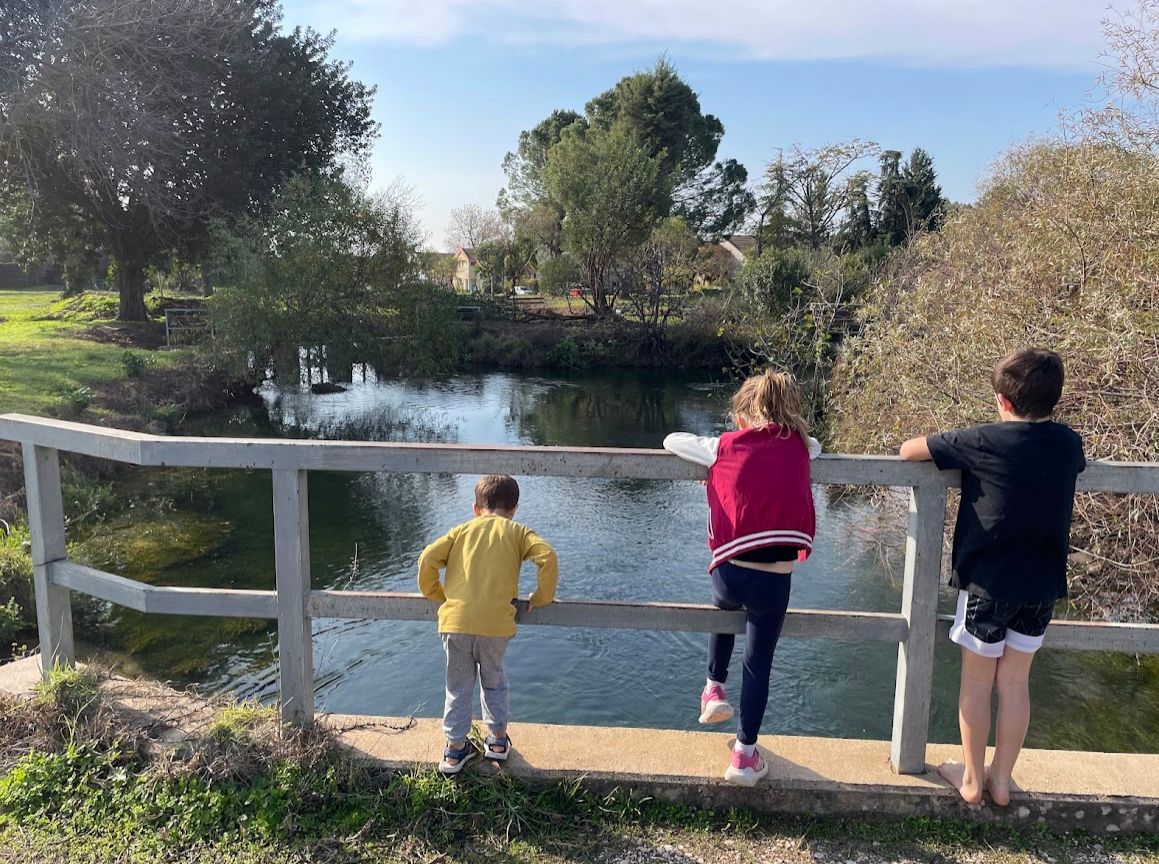
“You would walk outside and it was so quiet, but you could still hear explosions in the distance. The atmosphere was still a war zone.”
Her children’s first activities back home were “collecting shrapnel in the fields”, a coping mechanism she describes with affection and sadness. “They found so much. They kept it in jars.”
Even now, she says, with 95 percent of families back and life outwardly functioning, the emotional toll remains.
Every person here deserves free therapy for life. People see the quiet, but they don’t see the crisis underneath.
And her message to the UK Jewish community is one of gratitude and urgency: “Don’t assume the North has healed because people are home. We’re rebuilding – but we are not the same as before 7 October.”
Among those helping to drive that rebuilding is Eyal Dor, a former IDF lieutenant colonel and Dafna resident, whose story reflects yet another dimension of the North’s upheaval: the long, grinding reality faced by those who served continuously from the first minutes of the war.
Eyal had lived in the North for a decade after moving for his military posting. He and his wife built their home in Dafna over two years, finally moving in on 1 November 2022 – just eleven months before the evacuation.
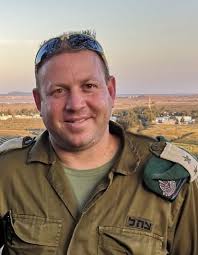
“We thought the hardest part was behind us,” he said. “We had built the house, settled the children, integrated into the community. We were ready for calm.”
On 7 October, he woke early to a silent phone filled with emergency messages. Within minutes, he recognised that the attack as not “another round” but a war. Three hours later, he was called back to his unit in the Northern Command.
“I’ve served 30 years,” he said. “I knew immediately this was different.”
He urged his wife to pack a bag for “two or three days.” Neither imagined that the government would formally evacuate the entire kibbutz, sending families to hotels across the Galilee, where they would remain for 16 months.
The first weeks, he said, were defined by chaos and improvisation. Hotel rooms designed for weekend visitors became long-term shelters. There were only two washing machines for hundreds of families. Parents queued for hours to clean clothes; children were displaced from schools, routines and friends. “The hardest part was for the kids,” he said. “They lost their classes, their activities, their stability.”
Eyal was away for most of that period, serving almost 450 consecutive days. “I saw my family only in small pieces of time,” he said. “That was the price.”
Their first visit home came two months after they had left, only because a temporary ceasefire with Hamas led to a pause in Hezbollah fire. What they found was heartbreaking: every item in the fridge and freezer had rotted. They spent hours clearing the garden they had planted just months earlier. “It cost us over 100,000 shekels to restore what had died,” he said.
They were not permitted to return properly for many more months. In February, when some residents were finally allowed back, Eyal’s street of ten houses had only one family living in it. “You walk outside and it’s empty,” he said. “No voices, no movement. It’s a strange feeling.”
But since Passover, he said, the community has undergone a transformation. Donations from Jewish Federations and supporters abroad have begun to rebuild Dafna’s communal spaces: a new pub, a renovated library, a flourishing community garden that has become a hub for children and grandparents planting vegetables together.
“Today we’re stronger than on 6 October,” Eyal said. “People understand what it means to live on the border. We are pioneers, and we’re proud of it.”
He believes the ceasefire has allowed for physical return – but insists residents are determined not to let the government “fall asleep again”.
Our message is clear: we won’t wait for the state. We are taking our future into our own hands.
He has become involved with civic advocacy groups, including volunteers connected to Lobby 1707, who brief foreign delegations and journalists on the reality of life in the North. “Civilians have power,” he said. “We can reach people the government doesn’t. During the war, we explained what was happening; now we’re finding investors, partners, supporters who can help rebuild.”
And his message to British Jews is one of solidarity. “Support Israel. Support the communities on the border. We’re fighting the same fight – the fight of the entire Western world against extremism.”
As for his own family, he says the children are settled again, back in school and sports classes. “We’re still processing everything,” he said. “But we’re home. And our enemies will not push us out of our place.”

Keep community journalism free.
Jewish News is free for everyone. No paywall. No barriers. Just trusted journalism for anyone who wants to stay connected to Jewish life in Britain.
If you value that, please support us.
From as little as £5 a month, you can help keep our journalism free and accessible to all.
Every day, we report on the issues that matter to our community. We celebrate achievements, support charities, challenge antisemitism and ensure Jewish voices are heard more widely.
From as little as £5 a month, you can help us continue to:
- Report on the stories shaping Jewish life in the UK and beyond
- Bring our community together through shared stories, events and campaigns
- Celebrate the people, culture and moments that define our community
- Support organisations doing vital work across Jewish Britain
You can make a one-off donation or become a regular supporter. Every contribution helps keep our journalism free, independent and accessible to all.
If everyone who values Jewish News gave a small amount, it would make a real difference to our future.