Prefer Jewish News on Google
Making sense of the sedra: Bo
We can be the conduit to spread light
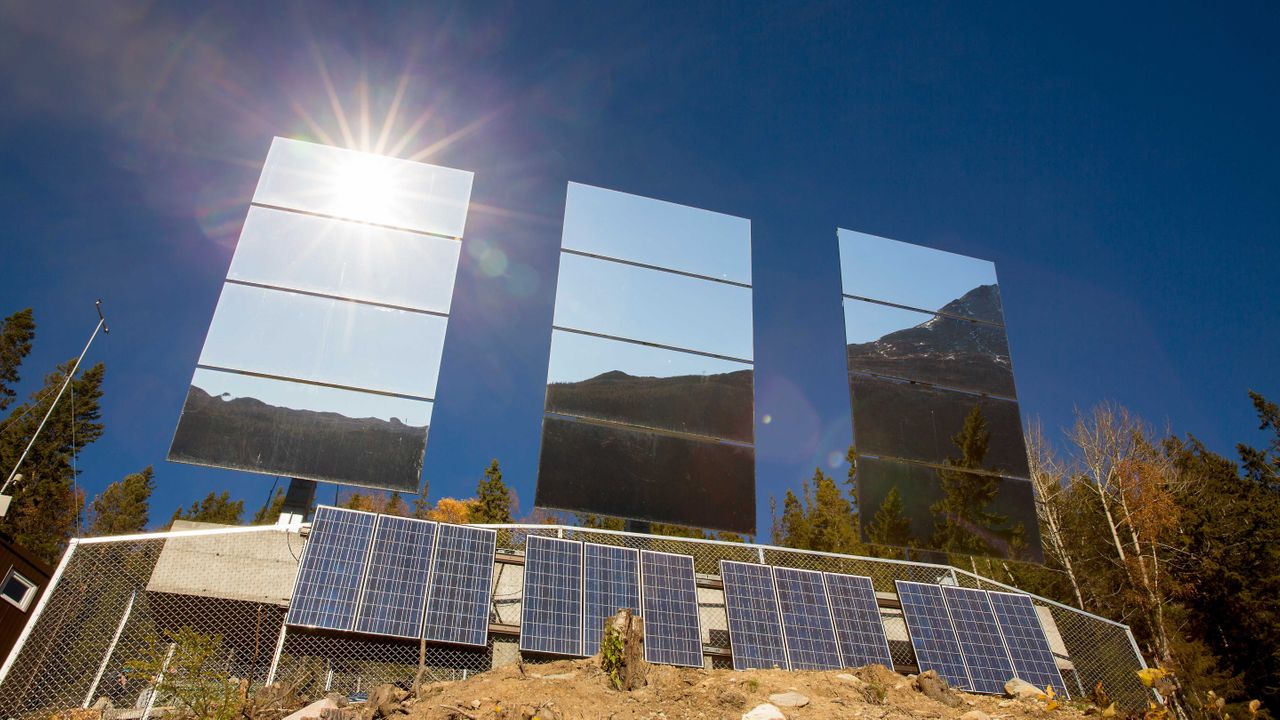
In the Norwegian town of Rjukan, winter brings a unique challenge: for nearly half the year, the sun never reaches the valley floor. Surrounded by steep mountains, the town is left in deep shadow from September to March, creating long, dark winters that affect both mood and daily life.
For over a century, residents dreamed of bringing sunlight back. In 2013, that dream became reality with the installation of giant solar mirrors, known as heliostats, high on the mountainside. These computer-controlled mirrors track the sun’s movement and reflect its light downward into Rjukan’s central town square. For the first time in living memory, natural sunlight touched the heart of the town during winter.
The mirrors do not create light of their own; they simply redirect it. Yet their impact is profound. People gather in the illuminated square, children play, and the psychological weight of winter darkness is eased.
In this week’s parshat, Bo, we as a nation are given our first mitzvah: to establish our own calendar based on the lunar cycle. “This month will be for you the head month, the first of the months of the year” (Shemot 12:2). Not only is it the first mitzvah, but Rashi (Bereishit 1:1) states that this passage would have been the appropriate starting point for the entire Torah if not for a technical side reason.
What is it about this specific mitzvah that makes it so fundamental to the spiritual foundations of Am Yisrael?


During creation, the moon and the sun are referred to as the “great luminaries” (Bereishit 1:16). The stars are also mentioned, but without granting them any corresponding appellation. This omission is especially surprising given that most stars are larger than the moon.
The Ibn Ezra explains that the reference here isn’t to size but to the benefit provided. The stars’ vast distance from the Earth – their physical size notwithstanding – severely reduces the amount of light they provide. The moon, by contrast, shines brightly in the night sky. Despite being smaller than the stars, it was deemed a “great luminary” because of the profound positive impact it has on Earth.
Real greatness is measured not by strength, wealth, or intelligence, but by using our abilities to ‘shine’ and impact the world. Providing light where there was previously none is what transforms a person from being merely a star into a great luminary.
Our Sages note (Bereishit Rabbah 6:1) that the light of the moon is a reflection of the sun rather than an emission of its own light. Like Rjukan’s mirrors, the mitzvah of sanctifying the new month sets the tone of our nation, namely that true greatness is attained when we allow ourselves to become conduits to spread the light of others, and onto others.
Rabbi Brendan Stern is at Hendon United Synagogue

Keep community journalism free.
Jewish News is free for everyone. No paywall. No barriers. Just trusted journalism for anyone who wants to stay connected to Jewish life in Britain.
If you value that, please support us.
From as little as £5 a month, you can help keep our journalism free and accessible to all.
Every day, we report on the issues that matter to our community. We celebrate achievements, support charities, challenge antisemitism and ensure Jewish voices are heard more widely.
From as little as £5 a month, you can help us continue to:
- Report on the stories shaping Jewish life in the UK and beyond
- Bring our community together through shared stories, events and campaigns
- Celebrate the people, culture and moments that define our community
- Support organisations doing vital work across Jewish Britain
You can make a one-off donation or become a regular supporter. Every contribution helps keep our journalism free, independent and accessible to all.
If everyone who values Jewish News gave a small amount, it would make a real difference to our future.