Prefer Jewish News on Google
Making sense of the sedra: Beha’alotcha
Our young people need guidance, encouragement and opportunities
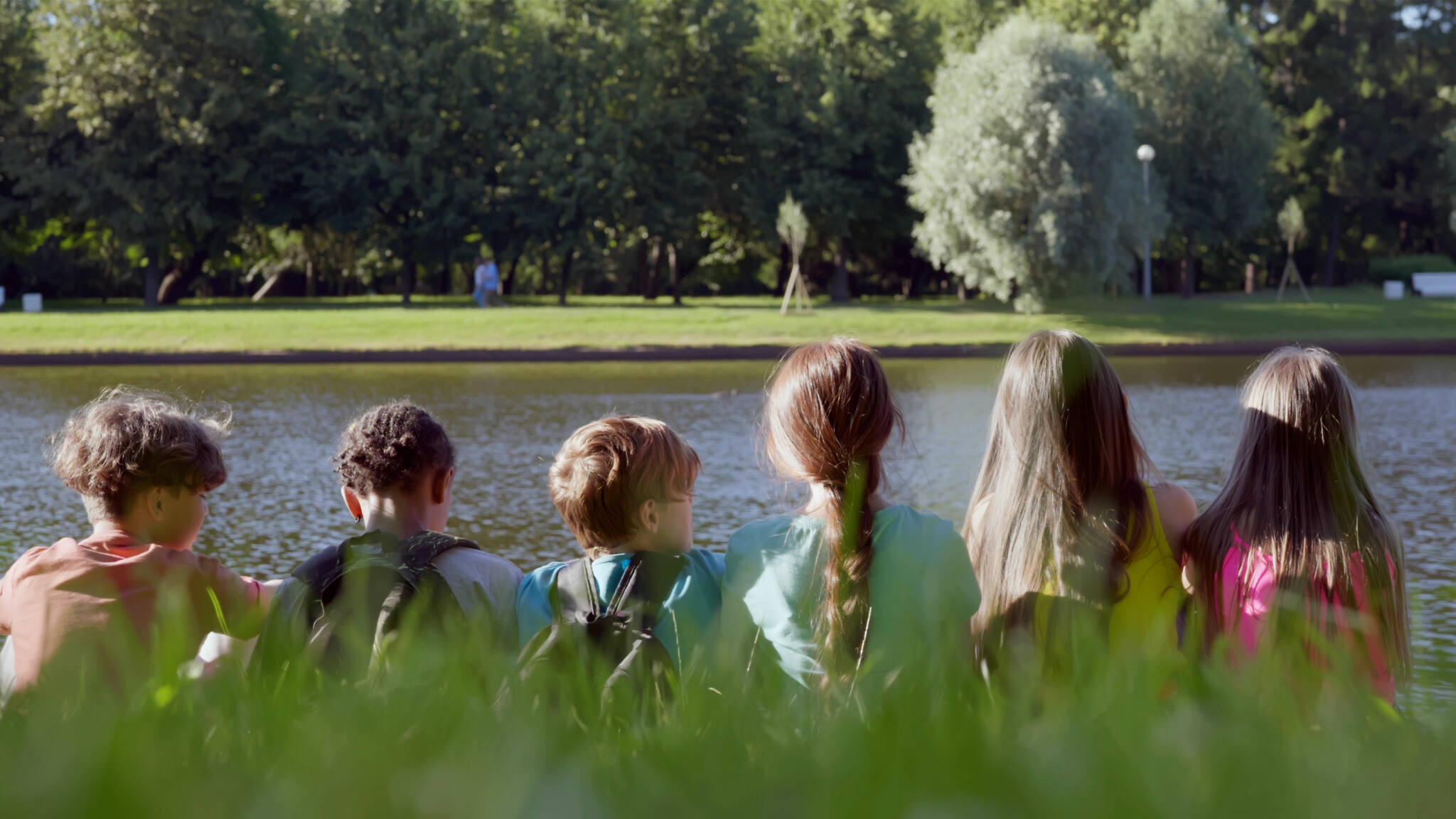
One of the social issues that has dominated the headlines in recent months is the growing number of young people in the UK who are Not in Education, Employment, or Training (NEET).
It is, without doubt, a significant economic challenge. The PwC Youth Employment Index 2025 estimates that annual UK GDP could increase by as much as £26 billion if NEET targets were achieved. Yet what has particularly struck me is the number of commentators who describe this not only as an economic problem, but as a moral one. Such language is not usually associated with labour market statistics!
A fascinating discussion in the Torah about the Levites and their service in the Temple offers a valuable perspective on this story.
One verse states that a Levi begins his service at the age of 25, while another places the starting age at 30. So which is it?
The Rambam resolves the apparent contradiction by explaining that the five years between 25and 30 were devoted to preparation and training. Yet elsewhere, the Rambam writes that a Levi may serve once he has “become a man”, implying that adulthood alone is sufficient and that a Levi need not wait until the age of thirty. How can both be true?



The Kesef Mishneh – Rabbi Yosef Karo’s seminal 16th century commentary on the Rambam – offers three solutions. First, the age of thirty may have applied only to the Temple choir, while other duties could be undertaken earlier. Second, a younger Levi may have been permitted to serve in a temporary capacity, receiving a permanent appointment only at thirty. Third, the age requirement may have applied specifically during the wilderness years, when the Levites carried the Mishkan, whereas in the permanent Temple in Jerusalem adulthood alone was sufficient.
Although these explanations differ, they share a striking common theme: before assuming full responsibility, the Levi was learning, training, assisting, or participating in communal service.
Youth engagement remains one of the great strengths of our community. Summer camps, youth movements, children’s services and countless other initiatives give young people the opportunity to discover that they have something valuable to offer. In my previous role at St John’s Wood Synagogue, one of the projects of which I am most proud was helping to establish a community Summer Camp together with Rabbi Mendel Cohen. What began with just 20 children grew to welcome more than 100 by the time I moved to Hadley Wood.
The Torah’s vision is clear. The transition to adulthood is a period of participation and growth. At a time when so many are concerned about youth disengagement, that is a lesson worth remembering.
Rabbi Toby Weiniger is at Hadley Wood Jewish Community

Keep community journalism free.
Jewish News is free for everyone. No paywall. No barriers. Just trusted journalism for anyone who wants to stay connected to Jewish life in Britain.
If you value that, please support us.
From as little as £5 a month, you can help keep our journalism free and accessible to all.
Every day, we report on the issues that matter to our community. We celebrate achievements, support charities, challenge antisemitism and ensure Jewish voices are heard more widely.
From as little as £5 a month, you can help us continue to:
- Report on the stories shaping Jewish life in the UK and beyond
- Bring our community together through shared stories, events and campaigns
- Celebrate the people, culture and moments that define our community
- Support organisations doing vital work across Jewish Britain
You can make a one-off donation or become a regular supporter. Every contribution helps keep our journalism free, independent and accessible to all.
If everyone who values Jewish News gave a small amount, it would make a real difference to our future.