Prefer Jewish News on Google
Making sense of the sedra: Tazria Metzora
Rumours are not abstract
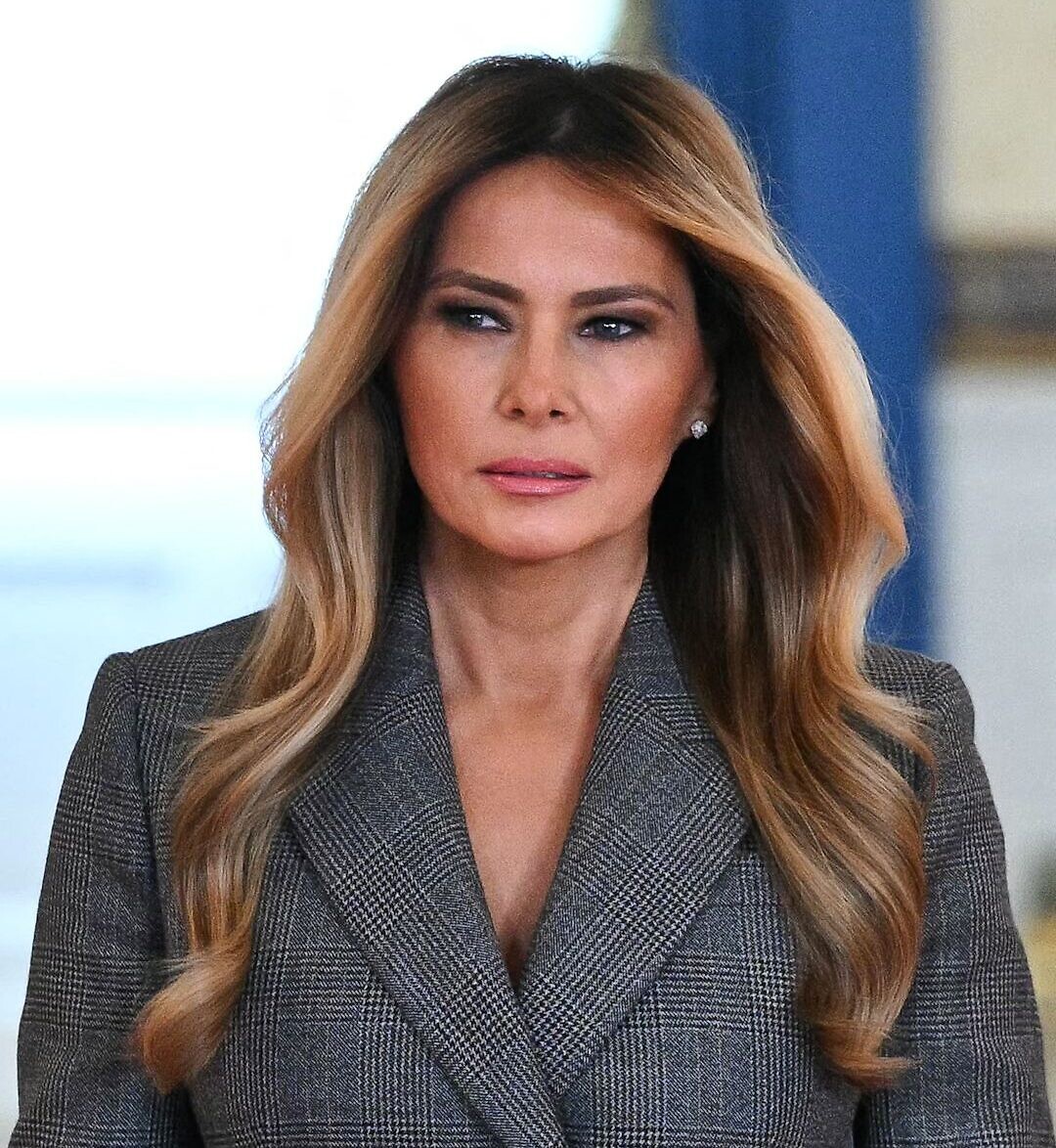
In a surprise announcement last week, First Lady Melania Trump denied connections to Jeffrey Epstein, telling reporters at the White House that any claims linking the two “need to end today”. She also denied online rumours that Epstein introduced her to Donald Trump, calling them “mean-spirited attempts to defame my reputation”.
It is unclear what prompted the announcement but, regardless of politics, her point resonates deeply: rumours are not abstract. They have the potential to reshape reputations, relationships and realities. A sentence spoken casually can become a story repeated widely, and a story repeated widely often becomes accepted as truth.
This is an uncomfortable reality that we confront in parashat Tazria-Metzora: words create consequences. The Torah describes tzara’at – a spiritual affliction that appears on a person’s skin, clothing and even home. The sages famously link this phenomenon to lashon hara – harmful speech. But the Torah’s message is not merely about etiquette or refinement. It is about the real-world damage words inflict on human lives.
The metzora – a person displaying signs of having tzara’at – is not punished in the conventional sense. Rather, they are removed from the camp – isolated, distanced, separated. The consequence mirrors the crime. Just as the speaker of lashon hara divides people, creating suspicion and fracture, they themselves experiences division. Words that create distance ultimately lead to distance.
We sometimes treat lashon hara as a lofty spiritual ideal – important, yes, but theoretical. Something admirable, yet unrealistic. The Torah insists otherwise. Speech has social consequences. Communities fracture. Friendships dissolve. Trust erodes. A careless comment can linger for years, long after the speaker has forgotten it.


No one embodied this awareness more than the Chofetz Chaim (Rabbi Yisroel Meir Kagan, 1839-1933), who did not view lashon hara as one mitzvah among many; he dedicated his life to it. He wrote books, travelled, spoke and pleaded with communities to take speech seriously. Why such focus? Because he understood that most interpersonal pain is not caused by actions but by words – whispered, repeated, exaggerated, and believed.
The Chofetz Chaim famously noted that people carefully examine what they eat, ensuring food is kosher, yet speak freely without examining whether their words are permitted. If we are cautious about what goes in our mouths, why would we be unguarded about what leaves our lips?
Perhaps this is why the Torah describes tzara’at beginning with a small mark. Lashon hara rarely begins dramatically. It starts with a hint, a raised eyebrow, a “you didn’t hear it from me.” But those small marks spread. They grow. And before long, the damage is visible to everyone.
Here the Torah calls on us to recognise that speech is not just communication – it is creation. We can build reputations or dismantle them. We can heal relationships or fracture them. We can give dignity or take it away. As it says in Proverbs: “Death and life are in the power of the tongue.”
Rabbi Alex Chapper is at Borehamwood Synagogue

Keep community journalism free.
Jewish News is free for everyone. No paywall. No barriers. Just trusted journalism for anyone who wants to stay connected to Jewish life in Britain.
If you value that, please support us.
From as little as £5 a month, you can help keep our journalism free and accessible to all.
Every day, we report on the issues that matter to our community. We celebrate achievements, support charities, challenge antisemitism and ensure Jewish voices are heard more widely.
From as little as £5 a month, you can help us continue to:
- Report on the stories shaping Jewish life in the UK and beyond
- Bring our community together through shared stories, events and campaigns
- Celebrate the people, culture and moments that define our community
- Support organisations doing vital work across Jewish Britain
You can make a one-off donation or become a regular supporter. Every contribution helps keep our journalism free, independent and accessible to all.
If everyone who values Jewish News gave a small amount, it would make a real difference to our future.