Prefer Jewish News on Google
Making sense of the sedra: Vayeshev
The story isn’t over
There are few narratives in the Torah as emotionally charged as the story of Joseph in parshat Vayeshev. A gifted young man, beloved by his father and resented by his brothers, is torn from his home, cast into a pit and sold into slavery. It is one of the most painful family rifts recorded in our tradition. And yet, years later, that same Joseph becomes the one who feeds a region in the grip of famine and sustains the very brothers who once betrayed him.
Joseph’s story is not about suffering being justified. The pain he endured was real, the wrongdoing unequivocal. What the Torah does instead is teach us something subtler and profoundly important: that we rarely see the full picture of our lives while we are living them. We experience events as fragments, isolated scenes in a narrative whose ending we do not yet know. Only later, sometimes much later, does a larger pattern begin to emerge.
The Torah captures this with exquisite simplicity. When Joseph eventually reveals himself to his brothers, he does not deny their actions, nor does he diminish his own suffering. Instead, he reframes the meaning of his journey. “You did not send me here – God sent me,” he says. Not because their actions were right – they were not. But because even in the darkest moments, a Divine purpose was still unfolding, hidden from view.
Faith, in Judaism, has never meant blindness to tragedy. It is the courage to believe that tragedy is not the end of the story.
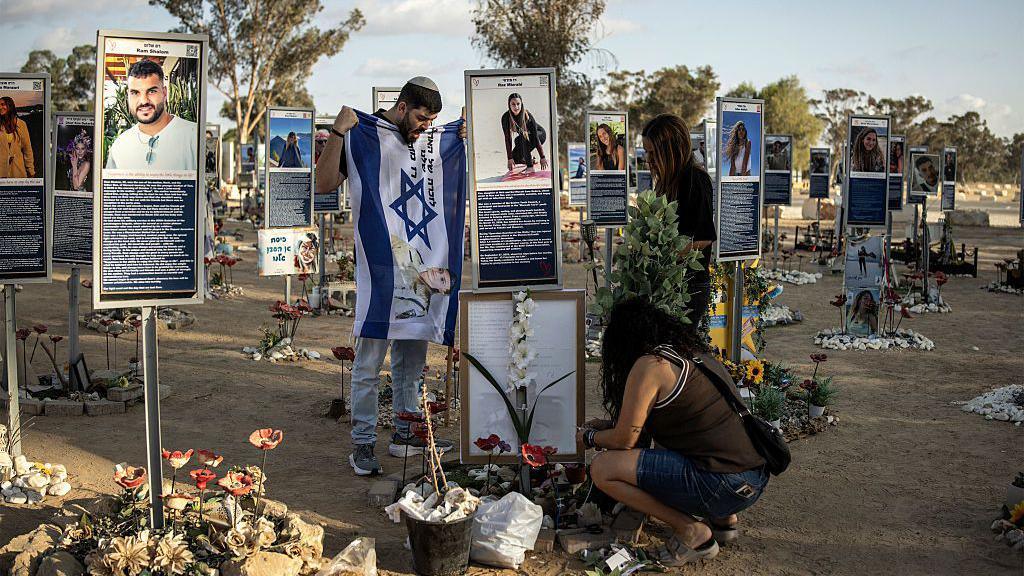
Our generation has witnessed its own shattering trauma. The events of October 7 were horrific – a day of grief and devastation etched forever into Jewish memory. Nothing can justify it. Nothing can soften the anguish of lives shattered, families torn apart and innocence violated.

Yet even as we mourn, we are also witnessing shifts in the landscape of the Middle East that would have been unthinkable only a year ago – the weakening of Hamas, the isolation of Hezbollah, the exposure of Iran’s ambitions, the recalibration of powers from Yemen to the Gulf. These are not consolations. They do not heal the wounds of the past months. But they are reminders that history is not static and that even moments of profound darkness can become turning points.
Jewish history is a long record of this paradox. Exile led to creativity. Persecution led to resilience. The destruction of the Temple led to the birth of a Judaism centred on prayer, study, and community – a faith portable enough to survive every empire that sought to extinguish it.
We do not know how our own chapter will unfold. But parshat Vayeshev invites us to hold two truths at once: that suffering must never be justified, and that despair must never be final. We see only a fragment of the story. Faith is the willingness to believe that there is more.
In the darkness, that belief has carried our people before. And it can carry us still today.
Rabbi Benjy Morgan is at JLE (Jewish Learning Exchange)

Keep community journalism free.
Jewish News is free for everyone. No paywall. No barriers. Just trusted journalism for anyone who wants to stay connected to Jewish life in Britain.
If you value that, please support us.
From as little as £5 a month, you can help keep our journalism free and accessible to all.
Every day, we report on the issues that matter to our community. We celebrate achievements, support charities, challenge antisemitism and ensure Jewish voices are heard more widely.
From as little as £5 a month, you can help us continue to:
- Report on the stories shaping Jewish life in the UK and beyond
- Bring our community together through shared stories, events and campaigns
- Celebrate the people, culture and moments that define our community
- Support organisations doing vital work across Jewish Britain
You can make a one-off donation or become a regular supporter. Every contribution helps keep our journalism free, independent and accessible to all.
If everyone who values Jewish News gave a small amount, it would make a real difference to our future.