Prefer Jewish News on Google
Met’s most senior Jewish officer vows crackdown as antisemitic threats surge
Deputy Assistant Commissioner says police visibility and action ramped up as Jewish communities face “most challenging period” since 7 October

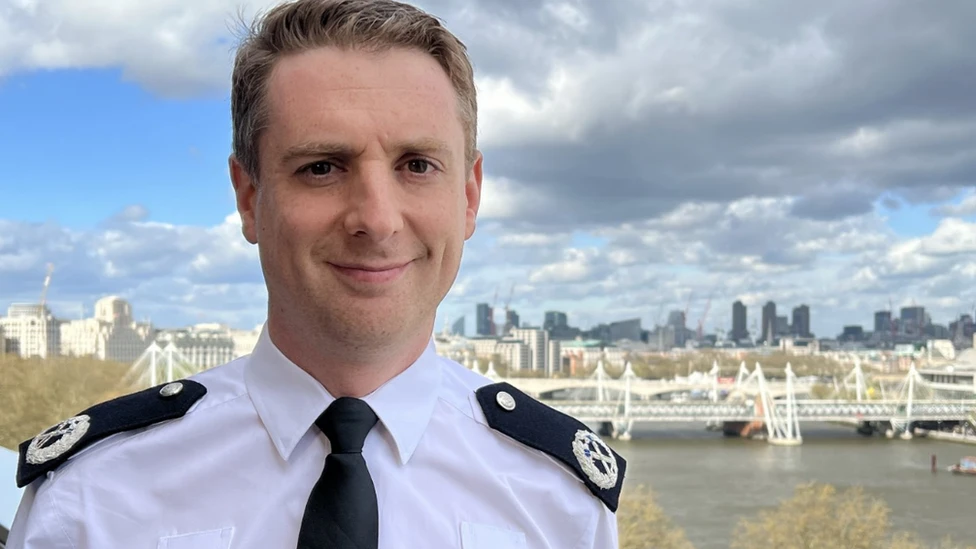
Britain’s most senior Jewish police officer has pledged increased visibility, patrols and enforcement as the Metropolitan Police responds to a surge in antisemitic threats and incidents affecting the Jewish community.
Writing in the Jewish Chronicle, he said the months since 7 October had been the most difficult he had experienced in policing, with rising tensions, online extremism and hostile activity contributing to heightened fear among Jewish Londoners.
Deputy Assistant Commissioner Ben Russell said the force had significantly stepped up its presence in Jewish areas following the arson attack on Hatzola ambulances in Golders Green.
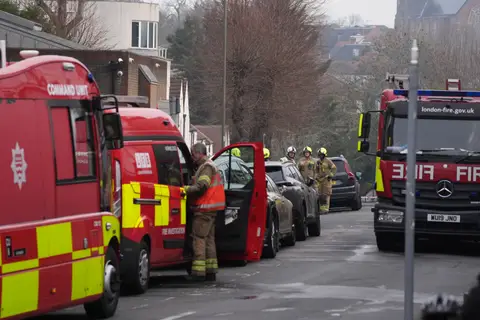
Pic Jonathan Brady PA
He said: “As the most senior Jewish police officer in the country, I have never known a period as challenging as the months since 7 October.”
Russell added that the Metropolitan Police had deployed hundreds of additional officers in recent days, including patrols around synagogues, schools and community centres, as well as specialist firearms units at key locations as a precaution.



“Since last Monday alone, the Met has deployed an additional 264 officers on the ground, working on 12-hour rotations,” he said, adding that the aim was to “protect communities, disrupt offenders, and detect crime”.
He stressed that while the increased presence was intended as reassurance, officers were also actively intervening where necessary and offering guidance to community members.
Russell acknowledged frustration within the Jewish community over ongoing protests, particularly where they are perceived to contribute to feelings of insecurity.
“I am frequently asked why the police cannot do more, particularly regarding protests,” he said.
He explained that while police have powers to impose conditions – such as moving marches away from Jewish sites or limiting timings – the legal threshold for banning protests remains high.
“The police do not decide the limits of protest. Parliament does,” he said, noting that bans are rare and that there is currently no power to prohibit static demonstrations.
Russell said policing protests required balancing competing rights, including freedom of expression and the need for communities to feel safe – a task he described as one of the most difficult aspects of the role.
“The hardest part of our work comes when we are asked to police the space between communities,” he said.
He added that decisions made by public order commanders were informed by direct engagement with Jewish Londoners and an understanding of the fear many are experiencing.
Despite calls for tougher restrictions, Russell cautioned against curbing civil liberties without careful consideration, warning of historical consequences.
“History reminds us that when freedoms narrow, it is all too often Jews who suffer first,” he said.
The senior officer also pointed to broader challenges facing policing, including reduced resources, but insisted the force remained committed to protecting Jewish communities.
“Our commitment is firm. To be more visible, more present and more proactive in confronting hate crime, and to be transparent and accountable for our actions,” he said.
Russell’s comments come as police and community leaders continue to assess the impact of the Golders Green ambulance attack, which has intensified concerns about security and antisemitism in London’s Jewish neighbourhoods.
He expressed hope that sustained policing efforts and community engagement would help rebuild trust and improve confidence in the months ahead.

Keep community journalism free.
Jewish News is free for everyone. No paywall. No barriers. Just trusted journalism for anyone who wants to stay connected to Jewish life in Britain.
If you value that, please support us.
From as little as £5 a month, you can help keep our journalism free and accessible to all.
Every day, we report on the issues that matter to our community. We celebrate achievements, support charities, challenge antisemitism and ensure Jewish voices are heard more widely.
From as little as £5 a month, you can help us continue to:
- Report on the stories shaping Jewish life in the UK and beyond
- Bring our community together through shared stories, events and campaigns
- Celebrate the people, culture and moments that define our community
- Support organisations doing vital work across Jewish Britain
You can make a one-off donation or become a regular supporter. Every contribution helps keep our journalism free, independent and accessible to all.
If everyone who values Jewish News gave a small amount, it would make a real difference to our future.