Prefer Jewish News on Google
National Library of Israel unveils rare 14th-Century Maimonides masterpiece
One of several treasures in exciting new exhibition, the Mishneh Torah is among the most important halachic works ever created
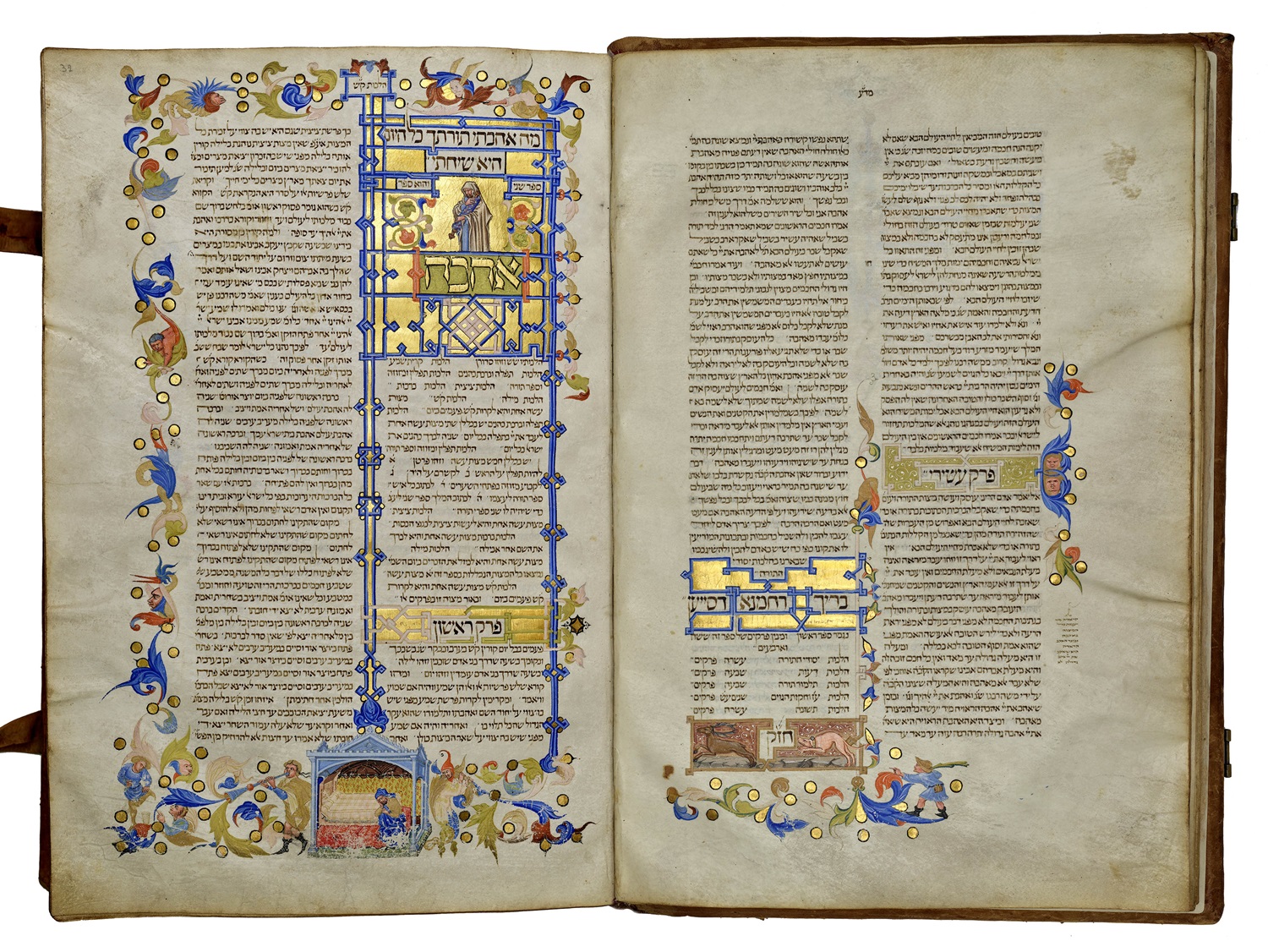
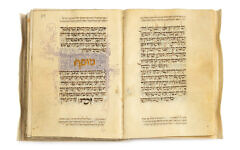
The National Library of Israel is displaying a richly illuminated 14th-century edition of Maimonides’ Mishneh Torah, encompassing all areas of Jewish law, as part of additions to its permanent exhibition.
Considered the pinnacle of the Sephardic intellectual giant’s scholarship, the Mishneh Torah was written between 1170 and 1180, while the scholar lived in Egypt. The extraordinary edition now on display was first copied in Provence approximately 150 years later. It subsequently reached Spain, where the Italian artist Matteo di Ser Cambio embellished it with vivid illustrations, gold ornamentation, and decorative motifs of figures, animals, and plants.
The work by Maimonides (also known as Rambam) contains proofreading notes, corrections, and omissions that testify to centuries of study and transmission. It also bears signs of 16th-century Christian censorship, including erasures on the final page and a censor’s seal dated 1574.
Also making its public debut is a small 15th-century prayer book from Lisbon, one of the last witnesses to the liturgical traditions of Spanish and Portuguese Jewry before the expulsion. Written in block lettering and adorned with colourful and gold decorations, it offers a poignant glimpse into a vanished world.
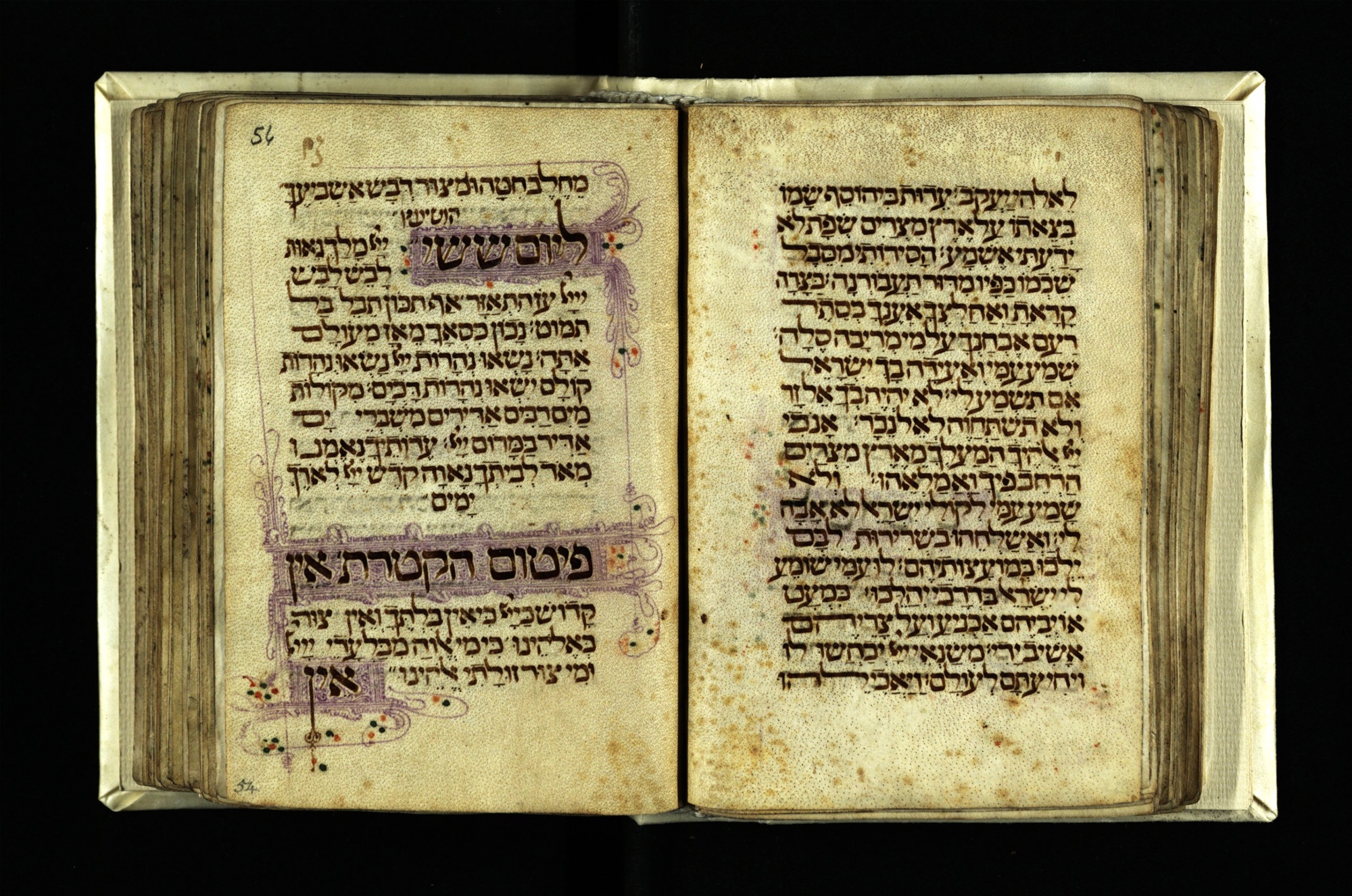
The 13th-century Worms Machzor has been displayed before, but now, for the first time, the Library is presenting a newly discovered Or Yesha Meusharim piyyut (liturgical poem) found within its pages. Beautifully handwritten and illuminated, the poem is set between two columns topped by lions at their base.
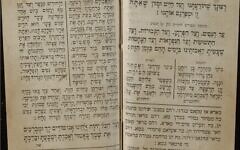

Visitors can also view the world’s earliest printed Passover Haggadah, produced in Guadalajara, Spain, in 1482, ten years before the expulsion.
Another item going on display for the first time is the Benghazi Haggadah, a non-traditional Passover text composed by Jewish Brigade soldiers for a Seder held shortly after Libya’s liberation from the Nazis in 1943.
Hastily printed on confiscated telegram forms, this Haggadah was used by the soldiers and hundreds of Libyan Jews who had survived persecution under both Italian Fascist and Nazi rule.
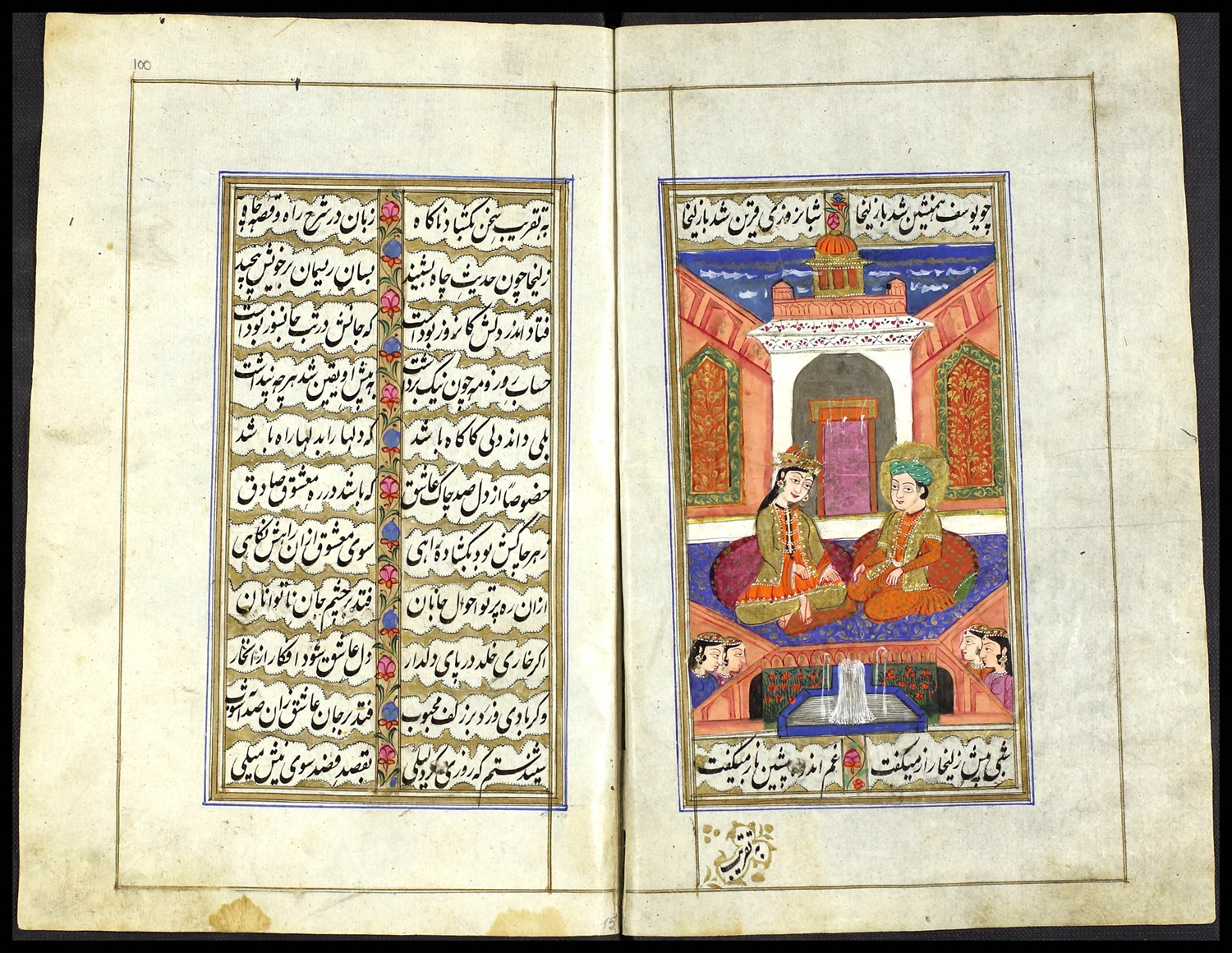
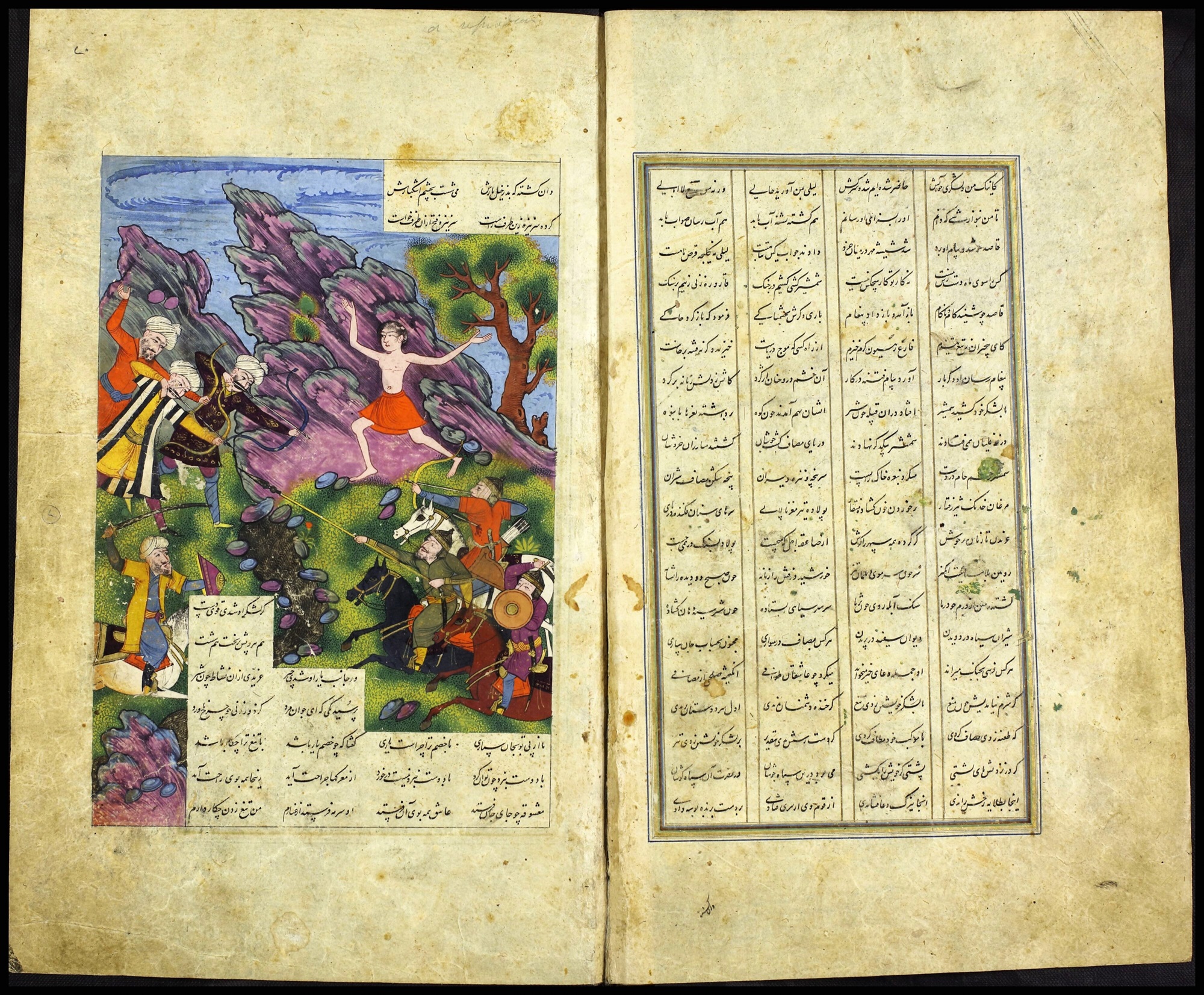
The exhibition also unveils, for the first time, several Persian works of poetry, including the celebrated tale of Layla and Majnun, composed by the 12th-century poet Nizami Ganjawim and a 15th-century poetic manuscript, adorned with striking gold illumination, recounting the story of Yusuf and Zulaikha, the biblical Joseph and Potiphar’s wife.
- All of these items and more are now on display at the National Library of Israel’s permanent exhibition A Treasury of Words, in the William Davidson Permanent Exhibition Gallery.

Keep community journalism free.
Jewish News is free for everyone. No paywall. No barriers. Just trusted journalism for anyone who wants to stay connected to Jewish life in Britain.
If you value that, please support us.
From as little as £5 a month, you can help keep our journalism free and accessible to all.
Every day, we report on the issues that matter to our community. We celebrate achievements, support charities, challenge antisemitism and ensure Jewish voices are heard more widely.
From as little as £5 a month, you can help us continue to:
- Report on the stories shaping Jewish life in the UK and beyond
- Bring our community together through shared stories, events and campaigns
- Celebrate the people, culture and moments that define our community
- Support organisations doing vital work across Jewish Britain
You can make a one-off donation or become a regular supporter. Every contribution helps keep our journalism free, independent and accessible to all.
If everyone who values Jewish News gave a small amount, it would make a real difference to our future.