Prefer Jewish News on Google

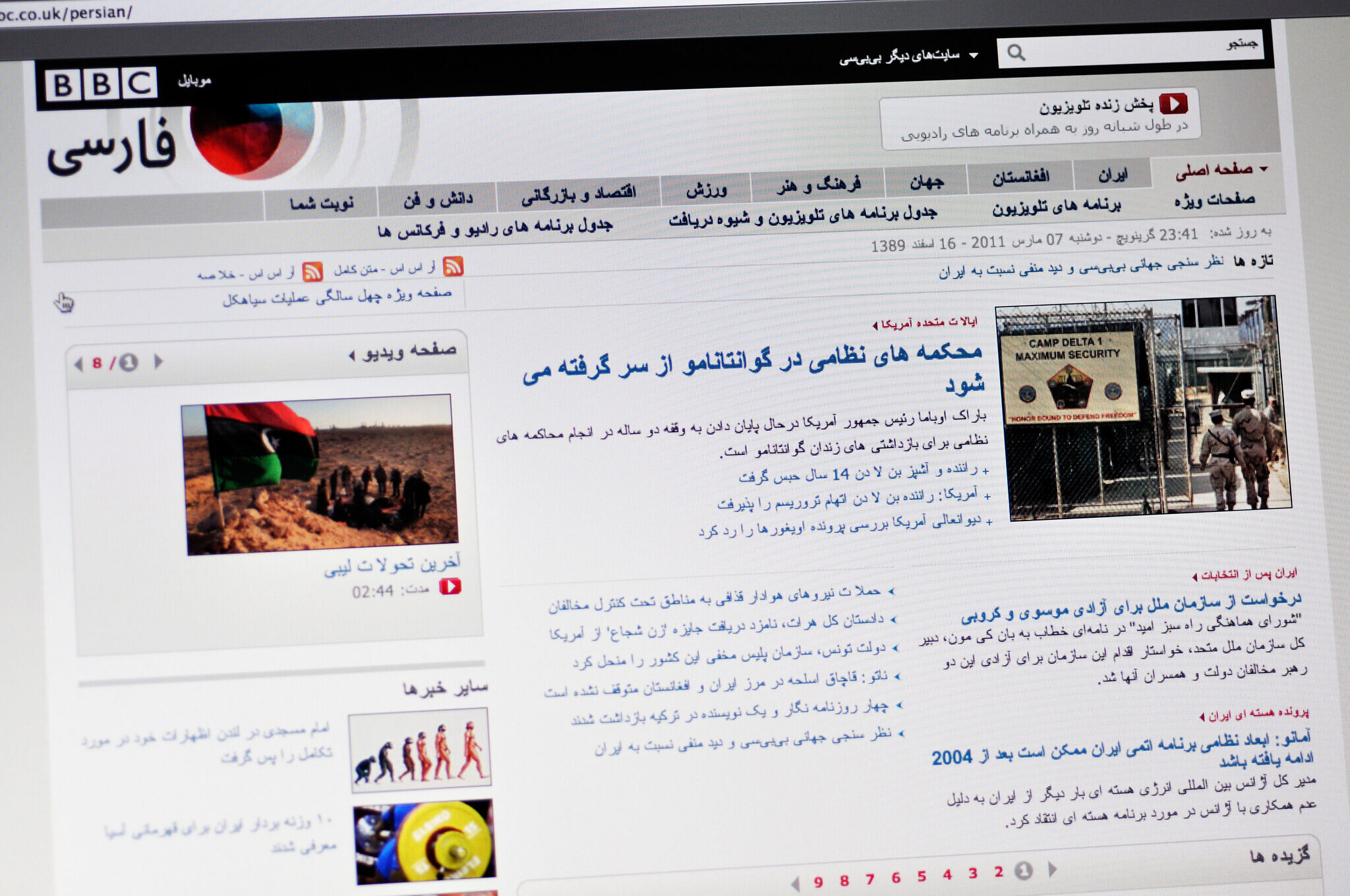
The BBC’s newly appointed head of Arabic news described Israeli cities as “occupied” and Israelis injured in rocket attacks as “settlers” in a series of social media posts.
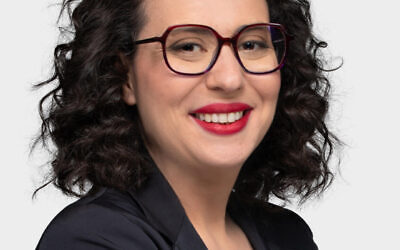
According to The Telegraph, Mayssaloun Nassar, who took charge of BBC News Arabic last month, made the remarks while working for France 24, raising fresh concerns about impartiality at a service already facing repeated accusations of anti-Israel bias.
During fighting between Israel and Hamas in November 2012, Nassar referred to Beersheba, a city in southern Israel, as the “occupied city of Beersheba”. The following day, she reported that 100 rockets had landed in Israel and 28 “settlers” had been injured. However, the attacks took place in southern Israeli towns within the country’s pre-1967 borders, not in West Bank settlements.
On 21 November 2012, Nassar described a projectile fired from Lebanon as targeting “Israeli settlements”. A minute later, she reported that another had landed in Metula, “inside the occupied territories”.
Both Beersheba and Metula are internationally recognised as part of Israel.
Nassar previously served as deputy editor-in-chief of France 24, where she also came under scrutiny over a September 2016 programme featuring the wife of Ahed Abu Ghoulmeh, a Palestinian prisoner serving a life sentence in Israel.
Introducing the report, Nassar said Abu Ghoulmeh had been jailed by Israeli authorities but did not explain that he had been convicted for his role in the 2001 assassination of Israeli tourism minister Rehavam Ze’evi.
The report, presented by another journalist, described Abu Ghoulmeh as having “struggled and made sacrifices”, without mentioning the assassination.
Nassar’s appointment follows a major overhaul of BBC Arabic after a damning internal dossier by former BBC editorial standards adviser Michael Prescott raised serious concerns about its coverage of Israel and Gaza.
The dossier highlighted how the BBC’s English-language website had published 19 stories about hostages taken by Hamas that were absent from BBC Arabic. The service also faced criticism for using Gaza contributors who had previously posted antisemitic remarks.
BBC executives subsequently acknowledged shortcomings, introducing tighter editorial oversight, additional contributor checks and an Arabic-speaking editorial standards chief.
UK licence fee payers fund BBC Arabic to the tune of approximately £20million annually.
The media-monitoring organisation Camera said it had “no confidence” in Nassar’s ability “to finally bring BBC Arabic under control”.
A spokesman described her language in the four social media posts as “false and delegitimising”, noting that BBC Arabic had previously been forced to correct similar terminology.
The service made 34 corrections in the first five months of the Gaza war after wrongly describing Israeli towns as “settlements” or their residents as “settlers”, including references to Metula.
Asked by The Telegraph whether Nassar’s social media posts had been reviewed before her appointment, and whether her descriptions complied with BBC editorial guidelines, the corporation did not directly answer.
A BBC spokesman said: “Mayssaloun Nassar was recently appointed editor of BBC News Arabic and was the outstanding candidate for the role. She brings a wealth of experience in journalism and a strong record of leadership.”

Keep community journalism free.
Jewish News is free for everyone. No paywall. No barriers. Just trusted journalism for anyone who wants to stay connected to Jewish life in Britain.
If you value that, please support us.
From as little as £5 a month, you can help keep our journalism free and accessible to all.
Every day, we report on the issues that matter to our community. We celebrate achievements, support charities, challenge antisemitism and ensure Jewish voices are heard more widely.
From as little as £5 a month, you can help us continue to:
- Report on the stories shaping Jewish life in the UK and beyond
- Bring our community together through shared stories, events and campaigns
- Celebrate the people, culture and moments that define our community
- Support organisations doing vital work across Jewish Britain
You can make a one-off donation or become a regular supporter. Every contribution helps keep our journalism free, independent and accessible to all.
If everyone who values Jewish News gave a small amount, it would make a real difference to our future.