Prefer Jewish News on Google
New Dangoor family donation to advance Israeli cancer study
£300,000 grant will fund an Imperial College study into treatments personalised to patients' tumours, which have shown early promise
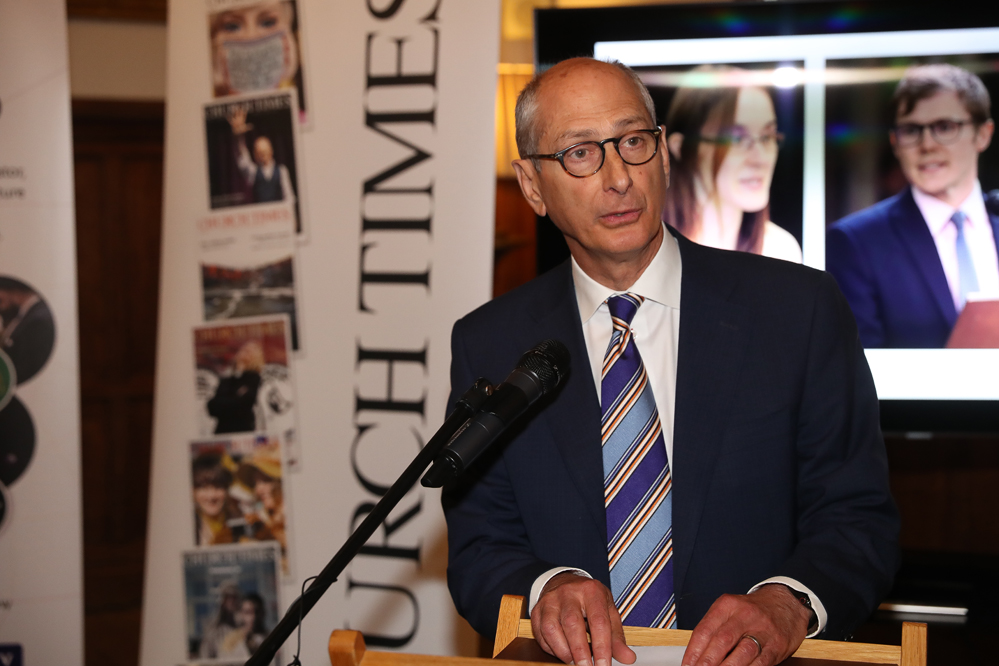
Oncologists could soon be developing more effective cancer treatments that are personalised to individual patients’ tumours, thanks to funding for new research at Imperial College London.
A fellowship at the university will study a method to recreate a patient’s tumour and surrounding cells outside the body and determine which drugs are most effective to treat it.
The Ex Vivo Organ Culture (EVOC) method has shown early promise in preliminary studies in Israel.
The programme received £300,000 this month in funding from the Dangoor family, adding to a £5 million grant it awarded to create a cancer research hub.
“What’s quite novel about the EVOC model in particular is that it maintains the microenvironment of the tumour and so more accurately mimics what is happening in the body,” said Dr Jon Krell, senior clinical lecturer at Imperial’s Department of Surgery and Cancer, who will lead the new trial.

Other methods of cancer treatment “extract the cancer cells from the biopsy to test drug response but get rid of surrounding cells that also make up the tumour, including blood vessels, immune cells and stroma,” he said.
“This model keeps all of that.”
READ MORE:
- David Dangoor: The books that have shaped my life
- Jewish News meets David Dangoor: ‘My dad believed that what he gave, he kept’
Dr Krell’s trial will comprehensively test the EVOC model on biopsies from cancer patients by comparing its treatment against more mainstream cancer therapies.
The hope is it will produce a method that can predict the best possible treatment for a patient.
EVOC technology was first developed in Israel and the new fellowship will draw on existing links between Imperial, the Weizmann Institute of Science in Rehovot, near Tel Aviv, and the Exilarch Foundation led by David Dangoor.
Dangoor said: “It’s vital that we back research into cancer at every stage of investigation – from fundamental molecular studies through to clinical trials in patients, such as the one the Dangoor Fellowship will support.”

Keep community journalism free.
Jewish News is free for everyone. No paywall. No barriers. Just trusted journalism for anyone who wants to stay connected to Jewish life in Britain.
If you value that, please support us.
From as little as £5 a month, you can help keep our journalism free and accessible to all.
Every day, we report on the issues that matter to our community. We celebrate achievements, support charities, challenge antisemitism and ensure Jewish voices are heard more widely.
From as little as £5 a month, you can help us continue to:
- Report on the stories shaping Jewish life in the UK and beyond
- Bring our community together through shared stories, events and campaigns
- Celebrate the people, culture and moments that define our community
- Support organisations doing vital work across Jewish Britain
You can make a one-off donation or become a regular supporter. Every contribution helps keep our journalism free, independent and accessible to all.
If everyone who values Jewish News gave a small amount, it would make a real difference to our future.