Prefer Jewish News on Google

Volunteer drivers become a lifeline for cancer patients as costs soar, says Chai
Travel, parking and loss of income leave patients struggling to access vital support
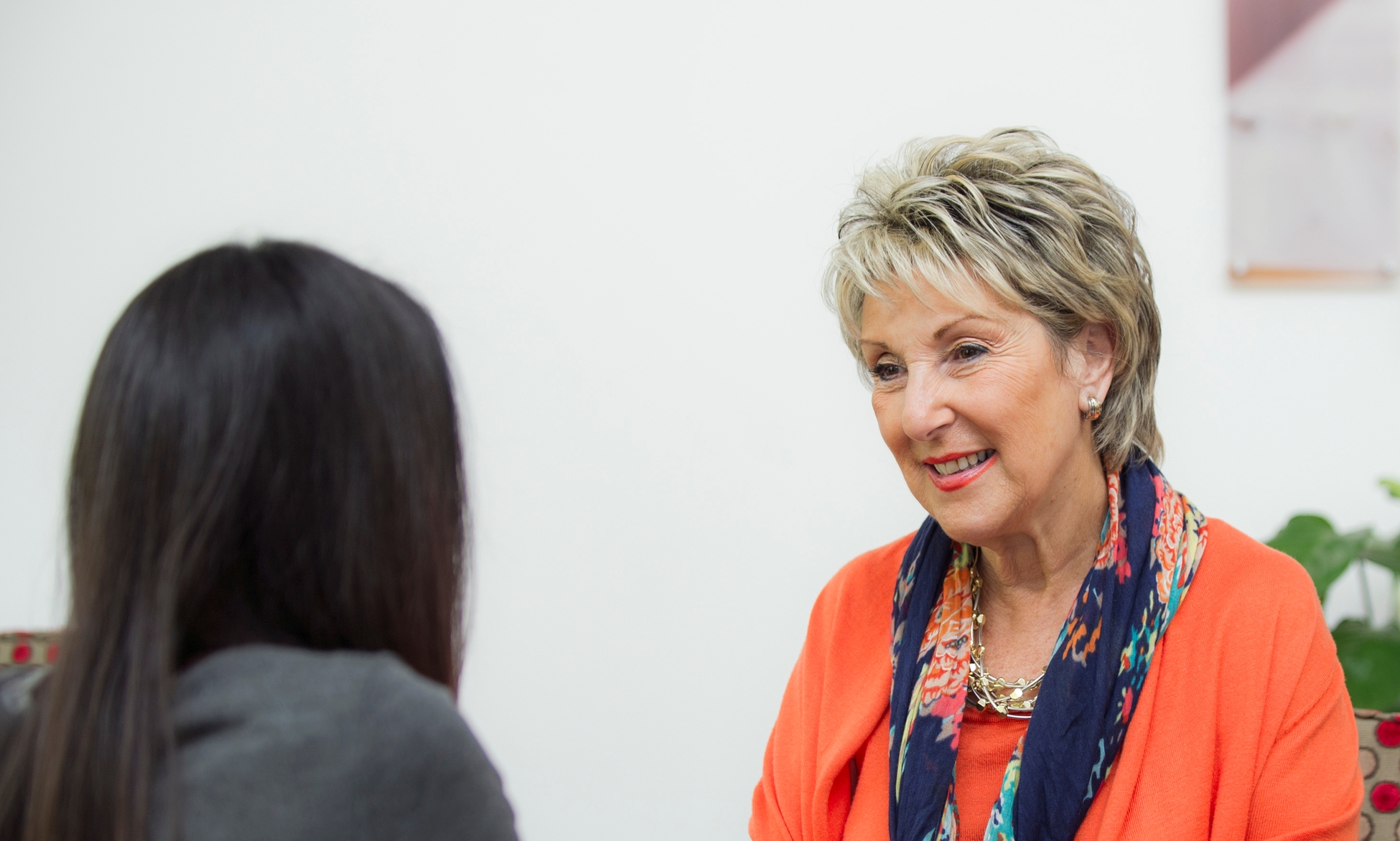
Travel is now a key barrier to cancer patients accessing help, with an increasing reliance on volunteer drivers to access vital support services, says community charity Chai Cancer Care.
The impact on Chai’s clients reflects a growing national trend, with the cost of getting to treatment placing increasing financial pressure on cancer patients and their loved ones.
Today, 30 per cent (47) of the charity’s 159 volunteers are drivers, all with personal experience of cancer, either themselves or through a loved one.
Chai’s client services manager, Louise Crystal said: “Chai’s volunteer drivers are invaluable. Many of our clients are unable to drive due to active cancer treatment or age, and without them, they simply wouldn’t be able to access our services.”
She added: “But transport is just one part of a much wider financial strain. A cancer diagnosis often brings an immediate drop in income at the same time as costs rise. There are the visible costs, including getting to hospital appointments, buying specific foods, making healthier choices – but often the biggest impact is financial instability caused by loss of earnings.



“Many families are just about managing in this current climate, and then a cancer diagnosis changes everything. A patient may have to stop working, while a partner cuts back or takes time off to care for them or attend appointments. Very quickly, household finances come under real pressure.”
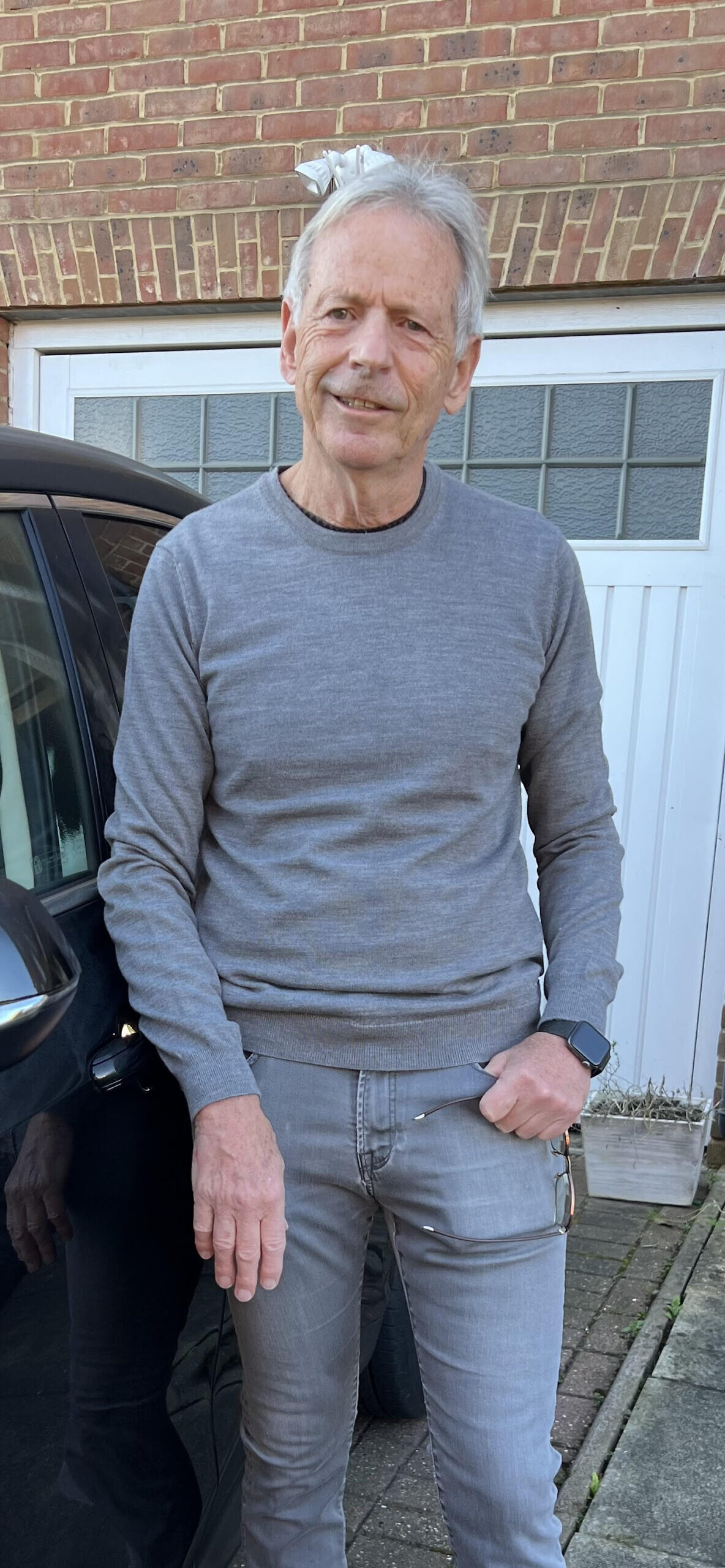
Ken Ornstein, who has volunteered at Chai for more than 12 years, clearly remembers his first journey, collecting a client from their home in Edgware and driving them to the Hendon centre. “I was nervous and arrived 15 minutes early as I didn’t want to be late. I sat in the car until the right time before ringing the doorbell,” he said. “Even on that short drive, it was clear how much it meant to them to have someone take them to Chai.”
Now, having driven hundreds of clients to appointments, Ken has seen first hand the difference the service makes. “I don’t think people outside the cancer community realise the hardship and cost of getting to and from appointments,” he said. “For some, if Chai didn’t provide transport, they simply wouldn’t be able to benefit from the organisation’s services.”
He added: “Many clients are no longer able to drive, and public transport can be difficult. The fact that Chai offers this service free of charge removes a huge burden. It means people do not have to rely on family or friends, and it takes away a lot of stress at an already difficult time.”
Over the years, the journeys have become more than just transport. “People share both good and difficult news,” he says. “Clients come from all over the world and have incredible stories. Sometimes they want to talk, sometimes they just want quiet after a massage or a gym session. You learn to read that.”
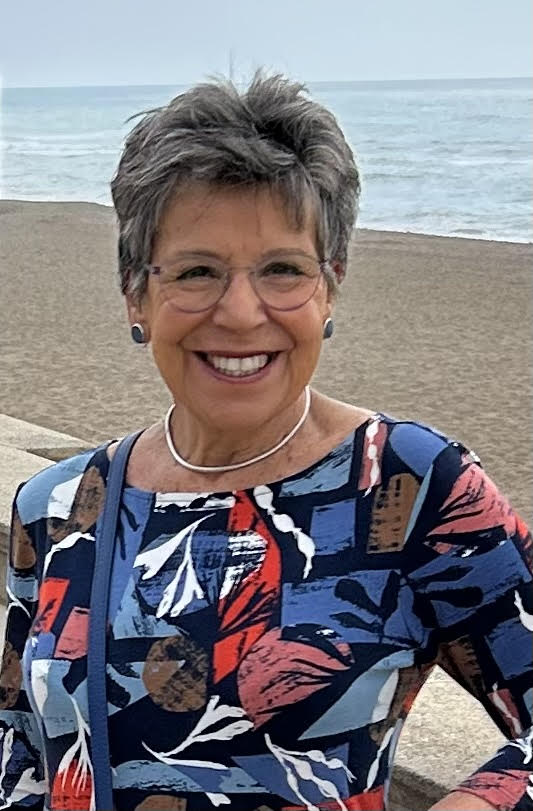
Valerie Chalfen, who has volunteered with Chai for almost 20 years, said: “When I was having treatment for cancer, I was incredibly fortunate to have the support of friends and family around me. Volunteering at Chai feels like a way of giving that support back to others who need it.”
Reflecting on her time with clients, she added: “Some share real worries, including fears about whether private healthcare will continue to cover their treatment. What is clear is how much the support matters. Every client I have driven is deeply thankful, not just for the transport, but for everything Chai provides.”
“The time spent in the car is often very special,” she continued. “Many clients want to talk in that quiet, one to one space, and that trust is incredibly meaningful. Others prefer silence, and that is just as important.
“There are moments that stay with me. Sometimes I leave a client and feel emotional, and need a moment to reflect and count my blessings. But overwhelmingly, the experience is uplifting. I meet people from all walks of life, and it is a privilege to be part of their journey.”
Chai’s volunteer and human resources co-ordinator Debbie Woolfson, said:
“Demand for Chai’s services is now at record levels, with more clients than ever relying on support just to reach treatment and care. Chai is calling for more support from the community and is stepping up its outreach to recruit volunteer drivers, particularly those working from home who may be able to spare just an hour a week. For some clients, without that support, access to treatment and care would simply not be possible.”

Keep community journalism free.
Jewish News is free for everyone. No paywall. No barriers. Just trusted journalism for anyone who wants to stay connected to Jewish life in Britain.
If you value that, please support us.
From as little as £5 a month, you can help keep our journalism free and accessible to all.
Every day, we report on the issues that matter to our community. We celebrate achievements, support charities, challenge antisemitism and ensure Jewish voices are heard more widely.
From as little as £5 a month, you can help us continue to:
- Report on the stories shaping Jewish life in the UK and beyond
- Bring our community together through shared stories, events and campaigns
- Celebrate the people, culture and moments that define our community
- Support organisations doing vital work across Jewish Britain
You can make a one-off donation or become a regular supporter. Every contribution helps keep our journalism free, independent and accessible to all.
If everyone who values Jewish News gave a small amount, it would make a real difference to our future.