Prefer Jewish News on Google

On a very narrow bridge, pride, dread and doubt jostle for space
In an era where nations simply “do things”, courage and recklessness look perilously alike
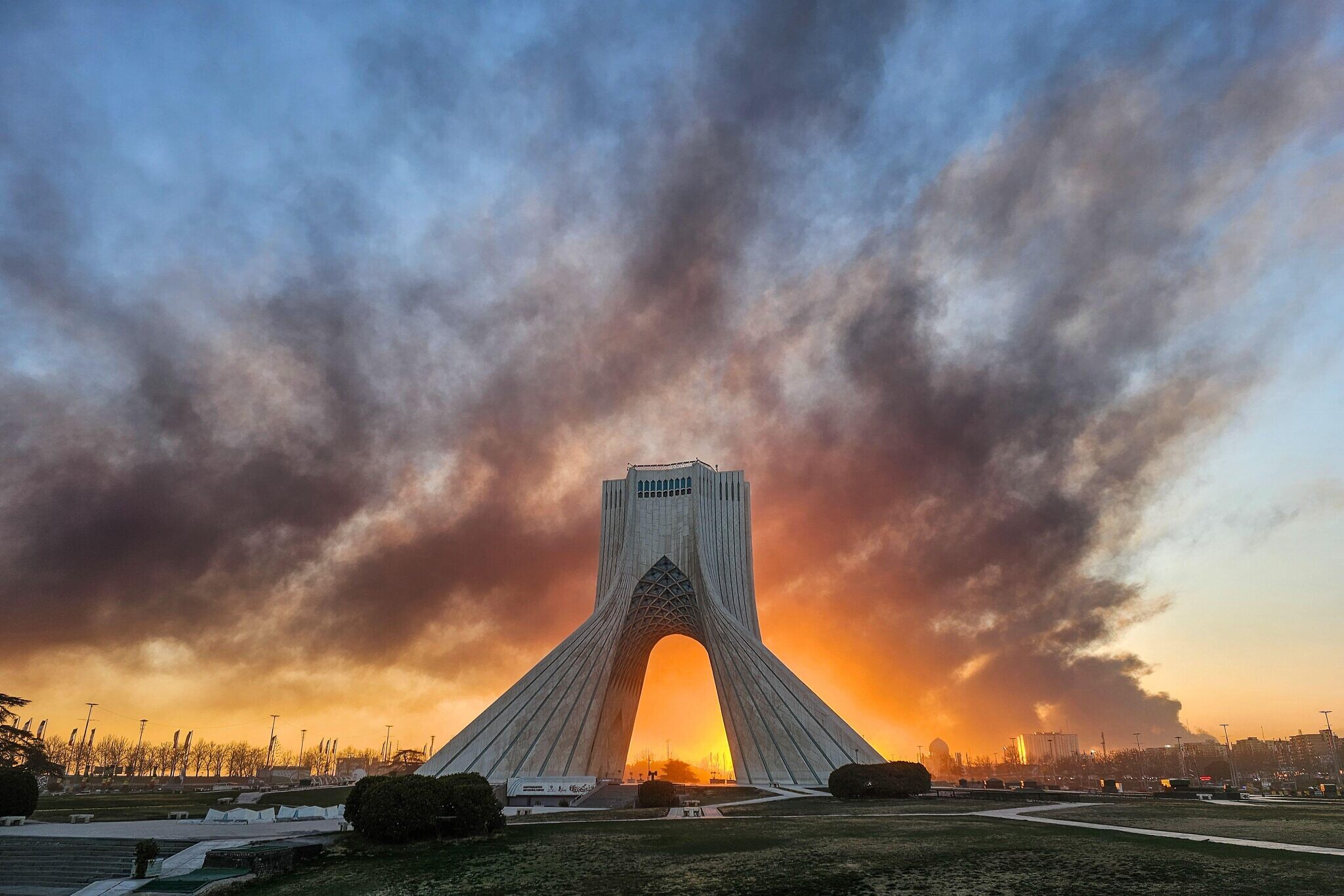
“All the world is a very … a very narrow bridge, a very narrow bridge, a very narrow bridge. But the main thing, to recall, is to have no, have no fear at all …”
Many of you, like me, will associate those words, originally written by Rabbi Nachman of Breslov, with ruach-filled, sugar-infused afternoons at synagogue or summer camp. The tune will immediately suggest itself. Perhaps you’ll recall the hand movements too, depending on which camp you went on.
It’s a powerful metaphor. Like a slender bridge over a high canyon, life is precarious and often downright frightening. But there is a path to the other side and you can cross, if you have courage and faith. It reminds me of that other most resonant of Jewish metaphors: the fragility of being a fiddler on the roof.
I shivered with recognition when I saw a group of young Israelis, dressed in playful Purim garb, singing Rabbi Nachman’s words in Hebrew as they took refuge from ballistic Iranian missiles in an underground Tel Aviv car park. When I first sang that song, in a children’s service at shul, or sitting in a Welsh field, I forget exactly where, it seemed distant and vague. Of course all life is fragile, but in truth few lives were less precarious than that of a middle class boy from Hampstead growing up at the end of history. I could never have envisaged some of the things I’ve seen over the past five days.
This world didn’t exist in my imagination.

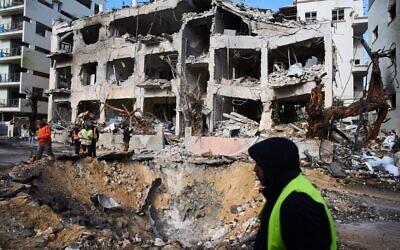
Today we are truly on the narrow bridge. Have no fear at all? I have little else! I fear the outcome of an epochal war that Israel has helped will into being. Benjamin Netanyahu has made a gamble of world-changing proportions. If it succeeds, whatever that looks like, then he may trample on his doubters and claim his place as a modern David. If it fails? If Israel is caught up in and blamed for a spiralling conflict that brings calamity upon the region and the world? I dread to think.
The legality of this war is one question of course. The morality, another. Both are highly debatable. But at times I also question the sanity of what is unfolding. We have entered the “you can just do things” era of geopolitics. Actions that were for decades deemed unimaginably risky are now just happening. Wipe out Hezbollah top to bottom. Pound Fordow with bunker busters. Then eviscerate the Ayatollah and launch a full-scale war on the Iranian regime. I experienced a kind of out-of-body dislocation over the weekend, as I was pottering about in B&Q getting some wood cut for a new kitchen worktop, when I checked my phone and discovered that the IDF had dropped 30 bombs on its mortal enemy’s head.
We have entered the “you can just do things” era of geopolitics. Actions that were for decades deemed unimaginably risky are now just happening
What do I think of this war? I change my mind minute by minute. I hold five thoughts at once. I take different sides of the same debate. I don’t really know, if I’m honest. Now that it has begun, I pray it ends with a quick and clean victory. But I also think it’s reckless and callous to launch a war such as this without even pretending to know how it might end and how many may die. I think the Iranian regime has devoted decades to funding the murder of Jews and the dismantling of Israel and promoting death to America and that such actions have consequences. I think that when the history books are written, this stage of the conflict will look all but inevitable from the moment the fences protecting the Gaza envelope were breached on 7 October 2023.
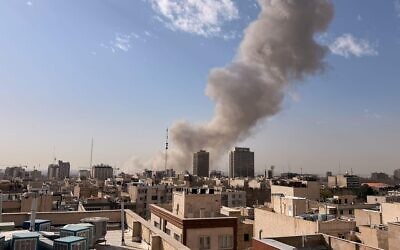
I think Netanyahu has shown courage and willingness to act and that Israel’s soldiers and pilots fight with astonishing fortitude. But I also worry that this forever prime minister is drunk on power and has talked himself into being a latter-day Churchill, when he could instead end up more like Xerxes, wreaking havoc and sowing pain in pursuit of an unachievable destiny. I fret over what Israel has become, the warping effects of war after war. And yet also I admire its willingness to fight its enemies and refusal to accept the declinist pusillanimity of Europe for itself. I feel pride. Anguish. Dread.
I worry, as I always must, about how it all affects us in the diaspora, as the Green Party surges in the polls over here and the criticism of Israel reaches a new pitch in the US. This war is not popular in America and is not supported by the British government. If it goes badly awry, much of the limited goodwill that remains towards Israel and the Jews post-Gaza may simply evanesce. I say post-Gaza, but that story is not over yet either, of course.
In my lifetime at least, Israel has never looked more powerful, pounding its enemies into submission in Tehran and now Beirut, fighting alongside the awesome might of its American ally. And yet the Jewish reality has rarely felt more frightening and precarious.
Perhaps this terror is my own choice. Scholars have pointed out that in his original wording, Rabbi Nachman wrote “She’lo yitpached klal” – he shouldn’t make himself fear at all, rather than “lo l’fached klal” – he should have no fear at all. The original phrasing is reflexive, meaning the fear is something that one does to oneself.
The bridge is narrow, Nachman assures us, but it runs all the way to the other side. Or so we must hope.
• Josh Glancy is associate editor of the Sunday Times

Keep community journalism free.
Jewish News is free for everyone. No paywall. No barriers. Just trusted journalism for anyone who wants to stay connected to Jewish life in Britain.
If you value that, please support us.
From as little as £5 a month, you can help keep our journalism free and accessible to all.
Every day, we report on the issues that matter to our community. We celebrate achievements, support charities, challenge antisemitism and ensure Jewish voices are heard more widely.
From as little as £5 a month, you can help us continue to:
- Report on the stories shaping Jewish life in the UK and beyond
- Bring our community together through shared stories, events and campaigns
- Celebrate the people, culture and moments that define our community
- Support organisations doing vital work across Jewish Britain
You can make a one-off donation or become a regular supporter. Every contribution helps keep our journalism free, independent and accessible to all.
If everyone who values Jewish News gave a small amount, it would make a real difference to our future.