Prefer Jewish News on Google
OPINION: Macron’s empty applause for Abbas betrays Palestinian democracy
A vice president will not restore legitimacy to a leadership that has lost touch with its people. Only elections can do that
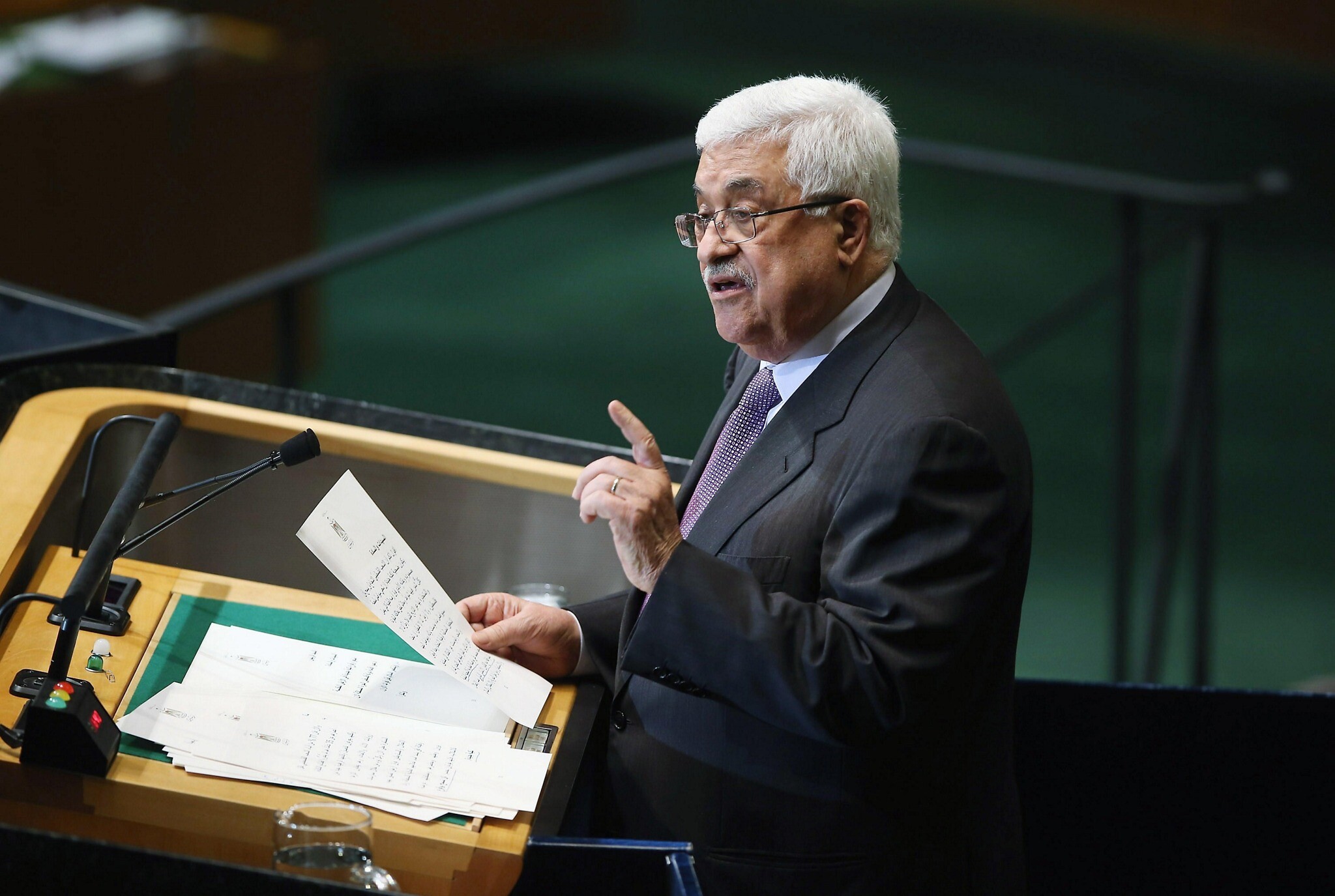
When President Emmanuel Macron sat down with Israel’s Channel 12, he declared that appointing a vice president to the Palestinian Authority was a sufficient reform step to justify France’s recognition of a Palestinian state. With those words, Macron handed Mahmoud Abbas a free pass—applauding a cosmetic gesture while ignoring the single reform Palestinians have been demanding for nearly two decades: the right to vote in free presidential and legislative elections.
Gaza is in ruins. Palestinians are mourning the dead, demanding accountability, and searching for hope. Yet the leader of France, instead of pressing for meaningful change, congratulates Abbas for adding a new title to his stagnant administration. A vice president will not restore legitimacy to a leadership that has lost touch with its people. Only elections can do that.
The failures of the Palestinian Authority are not abstract. For nearly 20 years, no Palestinian has been allowed to cast a vote for president or parliament. Institutions have withered into patronage networks where loyalty is rewarded and dissent is punished. Corruption is rife. Security forces are deployed more often to silence critics than to protect citizens. Instead of devising a strategy to end occupation or unify Palestinians, the Authority clings to power and survives on foreign aid and international indulgence.
Meanwhile, Abbas’s diplomacy has grown irrelevant. His annual speeches at the UN, once moments of anticipation, now amount to little more than ritual. They win applause in New York but leave no impact in Ramallah, Nablus, or Rafah.

And yet Abbas himself once admitted what Macron refuses to say: that elections are essential. In a June 9, 2025 letter to the Saudi Crown Prince and the President of France, he promised to hold them within a year, describing the vote as a national and constitutional entitlement. Macron knows this. Every European leader knows this. But rather than insist on accountability, the French president chose to pretend that appointing a deputy amounts to reform. It is not reform. It is evasion.

Palestinians are exhausted—tired of political stagnation, tired of leaders who speak for them but never with them, tired of hearing international leaders applaud symbolism while ignoring the democratic void at home. They do not need another round of hollow recognition from governments thousands of miles away. France, the UK, and Canada may soon line up to “recognize” Palestine, but recognition without renewal is theatre. None of these capitals control Palestinian sovereignty. The only state that can make it real is Israel.
That reality requires strategy, not ceremony. It means engaging Israelis directly, not just the G7. It means building trust, leverage, and shared interests with the only people who can turn two states into more than an idea. Macron’s applause for Abbas advances none of this. Worse, it signals to Palestinians that the international community is comfortable with cosmetic reforms while democracy is indefinitely postponed.
Macron had an opportunity to side with the Palestinian people in their demand for genuine representation. He could have used his platform to call for elections, to demand that Abbas honour his own commitments, to insist that legitimacy comes from the ballot box, not foreign applause. Instead, he stood with Abbas, reinforcing a stagnant status quo that serves diplomacy in Paris but leaves Palestinians trapped in paralysis.
Palestinians deserve better. They deserve leaders who reflect their will, institutions that uphold their dignity, and international partners who support—not betray—their democratic aspirations. Until that happens, no new titles in Ramallah and no applause from Paris will change the truth: Palestinian democracy remains hostage to the refusal of its own leaders, and the indifference of those abroad who find symbolism easier than substance.
Samer Sinijlawi is a Palestinian political activist from East Jerusalem, advocating for Palestinian reforms, democracy and for Palestinian-Israeli coexistence.

Keep community journalism free.
Jewish News is free for everyone. No paywall. No barriers. Just trusted journalism for anyone who wants to stay connected to Jewish life in Britain.
If you value that, please support us.
From as little as £5 a month, you can help keep our journalism free and accessible to all.
Every day, we report on the issues that matter to our community. We celebrate achievements, support charities, challenge antisemitism and ensure Jewish voices are heard more widely.
From as little as £5 a month, you can help us continue to:
- Report on the stories shaping Jewish life in the UK and beyond
- Bring our community together through shared stories, events and campaigns
- Celebrate the people, culture and moments that define our community
- Support organisations doing vital work across Jewish Britain
You can make a one-off donation or become a regular supporter. Every contribution helps keep our journalism free, independent and accessible to all.
If everyone who values Jewish News gave a small amount, it would make a real difference to our future.