Prefer Jewish News on Google
OPINION: We should not mistake a pause for a lasting peace
If you think for a second that this perilous journey is over, you are gravely mistaken. It has only just begun. And this time we must be better prepared for what lies ahead.
It has been two unbearable years. Two years of prayers and vigils, and campaigns,
of families frozen in anguish, of a nation holding its breath. Every day we have longed for the safe return of the hostages. Every day we have yearned for an end to this bitter war.
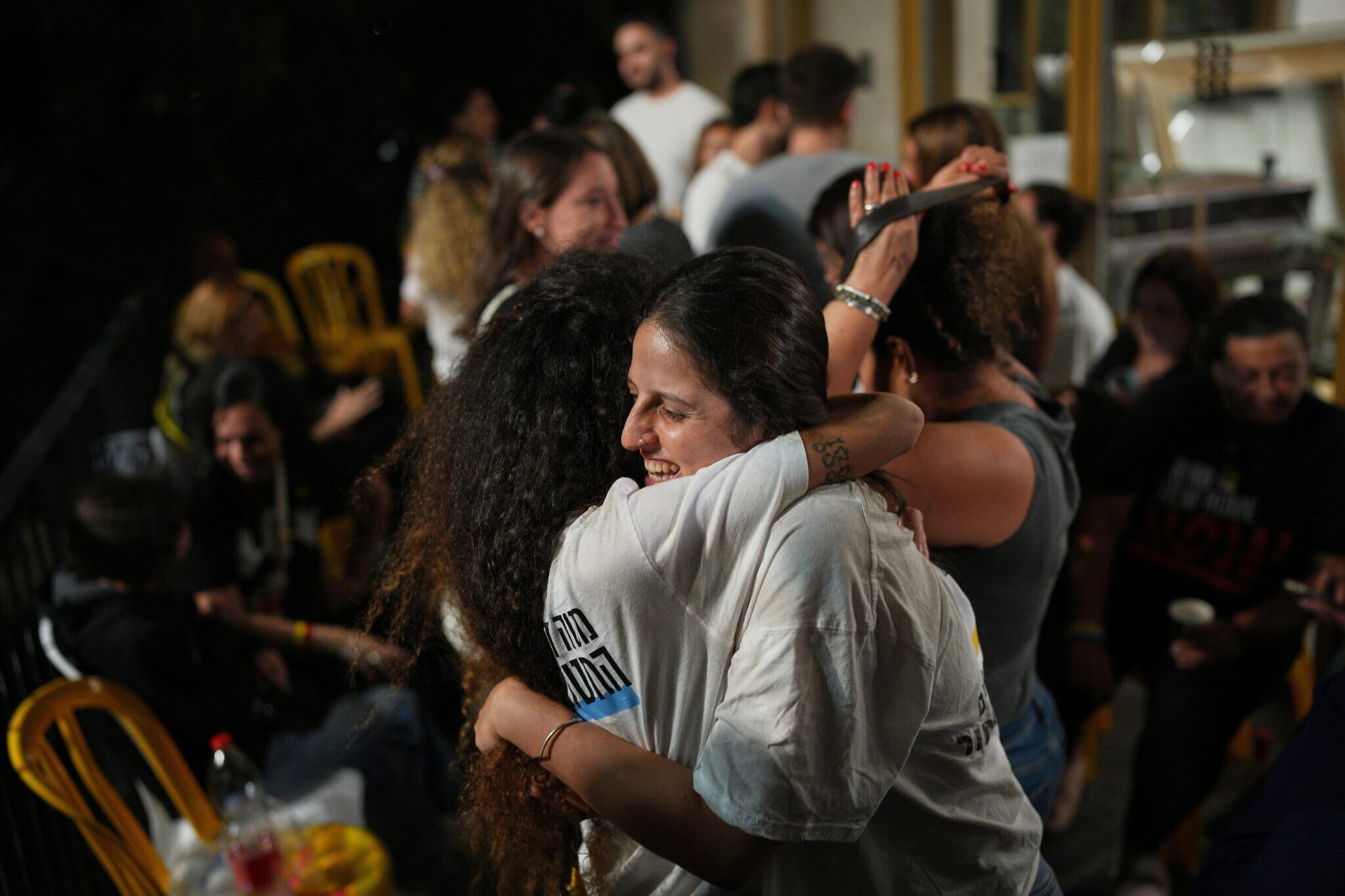
The deal now on the table represents a long overdue and important step. It returns the living and the dead to their families. It provides a path forward without immediate bloodshed. For twenty families, there is the hope—fragile, precious hope—of seeing their loved ones. For others, there will be remains, or perhaps nothing at all. This is relief, yes. But it is relief born of exhaustion, not triumph. There are over 20 funerals right up ahead.
I wish I could rejoice today. I cannot. I am relieved for those families who may soon embrace what they thought was lost forever. I am devastated for those who will receive only the confirmation of their worst fears. I am destroyed by the sorrow inflicted on so many Israeli and Palestinian families—those caught in the
machinery of Hamas’s relentless pursuit of its destructive goals.
I am deeply concerned that we are mistaking a pause for peace.
Before 7 October, 2023, there was hope. The Abraham Accords had begun to weave new threads of cooperation across the Middle East—economic ties, political dialogue, cultural exchange. A fragile trust was developing, a trust that whispered of a different future. That is precisely what Hamas sought to destroy on that terrible day, and they succeeded in setting back years of painstaking progress.



Now, as we stand at this moment of tentative relief, we must pay attention to what Hamas itself is saying. In their press releases regarding this agreement, they have vowed to continue fulfilling their “covenant”—the very founding covenant that explicitly calls for the destruction of Israel. This is not empty rhetoric. This is their stated mission whether they are militia in Gaza or suits in Doha.
I am perplexed that some are celebrating as though the enemy has been vanquished, when in fact they have saved face and walked away with their ideology intact and their heads held high. I am troubled that we may not fully grasp what we are witnessing: this is not the end of the war against Hamas or the end of the threat of political Islam. This is, at best, a momentary pause.
I am an optimist when it comes to peace. Who in 1944 would ever have thought Jews would board a Lufthansa plane in Munich and fly to Israel? Everything is possible, even peace in the Middle East. With that optimism in mind, perhaps it is possible to believe that this moment will usher in a new era of cooperation. Perhaps we can extend the Abraham Accords and rebuild those fragile bridges. Perhaps we can forge new economic, political, and cultural ties that will prove more resilient than before. That should not be our hope but our strategy.
But think of it like this. We have just been thrown a life line in a raging storm, a ray of light breaking through the dark clouds. All being well there will be a period of relative calm that allows us to regroup, to grieve, to begin healing, and—critically—to develop a comprehensive strategy that addresses not just the symptoms but the roots of this conflict. But if you think for a second that this perilous journey is over, you are gravely mistaken. It has only just begun. And this time we must be better prepared for what lies ahead.
It will require wisdom, patience, and an unflinching commitment to truth. We must hold space for both grief and hope, for both caution and possibility. We owe it to the families who have suffered. We owe it to the hostages who endured the unimaginable, the young lives. We owe it to ourselves and to future generations to understand that pause is not peace. The real work lies ahead.
Stephen Smith is the co-founder and CEO of tech startup StoryFile, the co-founder of the National Holocaust Centre in Nottingham, and former head of the Shoah Foundation

Keep community journalism free.
Jewish News is free for everyone. No paywall. No barriers. Just trusted journalism for anyone who wants to stay connected to Jewish life in Britain.
If you value that, please support us.
From as little as £5 a month, you can help keep our journalism free and accessible to all.
Every day, we report on the issues that matter to our community. We celebrate achievements, support charities, challenge antisemitism and ensure Jewish voices are heard more widely.
From as little as £5 a month, you can help us continue to:
- Report on the stories shaping Jewish life in the UK and beyond
- Bring our community together through shared stories, events and campaigns
- Celebrate the people, culture and moments that define our community
- Support organisations doing vital work across Jewish Britain
You can make a one-off donation or become a regular supporter. Every contribution helps keep our journalism free, independent and accessible to all.
If everyone who values Jewish News gave a small amount, it would make a real difference to our future.