Prefer Jewish News on Google
OPINION: Why reaction to the Yom Kippur attack felt like 8 October all over again
Instead of preaching to Israel how to keep its Jews safe, the UK government must ask itself why it can’t keep its own safe, writes Hen Mazzig
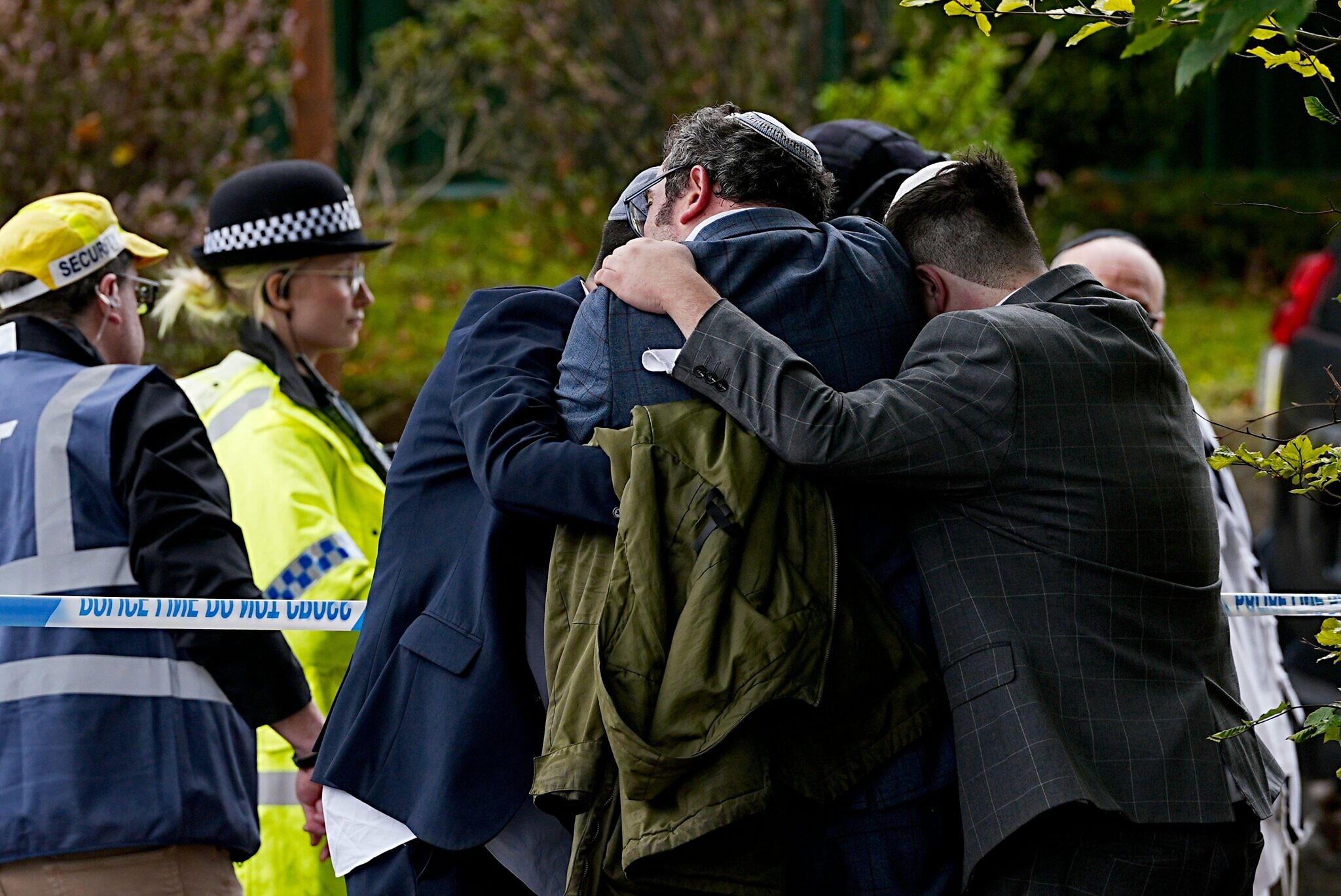
When this Yom Kippur started, I knew I had to keep my phone on. Something deep inside me told me not to log off, not to allow myself the quiet of synagogue. Instead, I felt I had to stay vigilant – because something awful was coming.
The next morning, news broke from Manchester: two Jews murdered outside Heaton Park Synagogue, others wounded, worshippers terrorised. The attacker, Jihad al-Shami, tried to storm the building during Yom Kippur prayers before being shot dead by police. He had come to kill Jews on the holiest day of our year, and he succeeded.
It was the nightmare every Jew in this country has carried for years.
And yet, even as our community reeled, the response on Britain’s streets was not silence, not reflection, not a moment of silence and grief, but celebration. At Liverpool Street station, Free Palestine demonstrators chanted “from the river to
the sea” and “Zionism is a crime.” In Edinburgh, protesters clashed with police. Outside Downing Street, mobs pushed against barricades carrying Palestinian flags. The blood in Manchester had not dried, and still the slogans rang out calling for the eradication of the Jewish state— as if Jewish lives senselessly taken during a Jewish holiday was not a reason to pause, but a reason to double down.

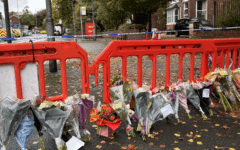
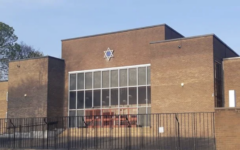
It felt familiar, like we’ve been through it before.
Online, it was even worse. Some expressed sympathy, but too many justified the attack as “inevitable.” Some said it’s “a false flag” that Israel is behind the attack— Jews are doing it to themselves. Others wrote bluntly that we “deserved it.”
Then I realised why it felt familiar, it was the same feeling I had on October 8, 2023 all over again — the day after Hamas slaughtered 1,200 Israelis and kidnapped hundreds, when the world moved immediately to excuses, explanations, and erasure of Jewish suffering.
That morning after, Jews understood that something had broken. Now in Manchester, the same truth stares us in the face: Jewish life and safety is negotiable in Britain.
The government’s reflex is to offer “more security.” Synagogues, schools, and Jewish homes will be turned into fortresses. But why should Jews accept living under armed guard when Christians and Muslims in Britain worship freely and safely? Why must our children walk through metal detectors to access what others take for granted? The real question is not how many more cameras and guards can be deployed— it is why the UK tolerates a movement that normalises hate until it spills into murder.
More security now is an admission of failure by the government.
The evidence has been there for months. More than 8,000 antisemitic incidents have been recorded in the UK since October 7, 2023. Jewish pupils bullied in classrooms. Jewish patients refused medical treatment. Families leaving neighbourhoods plastered with Palestinian flags and anti-Israel graffiti. Week after week I see it, marches in central London where dozens are arrested for hate crimes, only to be released within hours.
Antisemitism in Britain today is not confined to the far right. It thrives in a toxic alliance: radical Islamists who cloak themselves in “resistance,” and sections of the political left who see Jews as colonial interlopers. Together they have created an environment where chanting for the destruction of the only Jewish state and the murder of millions of Jews is framed as progressive— and where violence against Jews becomes thinkable.
“This day was always going to come” one headline read. Indeed, it did not come out of nowhere. It came because antisemitism was normalised. It came because leaders chose denial over confrontation. It came because Jewish pain was easier to ignore than the anger of the mob.
Now the same parents who tucked their children into bed on Yom Kippur must send them to school under police protection. The same rabbis who led prayers must calculate whether enough guards will show up next Shabbat. The same families who once believed Britain was home must once again wonder if it is.
The UK has a choice. It can go on issuing platitudes, adding another guard at every synagogue door, and waiting for the next attack. Or it can face the truth: that the chants, the marches, the mobs are not about Israel’s policies – they are about Jewish existence itself. Instead of preaching to Israel how to keep its Jews safe, the UK government must ask itself why it can’t keep its own safe.
If Britain cannot say that now, Manchester will not be the last.

Keep community journalism free.
Jewish News is free for everyone. No paywall. No barriers. Just trusted journalism for anyone who wants to stay connected to Jewish life in Britain.
If you value that, please support us.
From as little as £5 a month, you can help keep our journalism free and accessible to all.
Every day, we report on the issues that matter to our community. We celebrate achievements, support charities, challenge antisemitism and ensure Jewish voices are heard more widely.
From as little as £5 a month, you can help us continue to:
- Report on the stories shaping Jewish life in the UK and beyond
- Bring our community together through shared stories, events and campaigns
- Celebrate the people, culture and moments that define our community
- Support organisations doing vital work across Jewish Britain
You can make a one-off donation or become a regular supporter. Every contribution helps keep our journalism free, independent and accessible to all.
If everyone who values Jewish News gave a small amount, it would make a real difference to our future.