
 Prefer Jewish News on Google
Poll: Majority of British adults are Zionists – but don’t seem to know it
A majority of the population support the basic definition of Zionism, but fewer than 10% would specifically describe themselves as Zionists
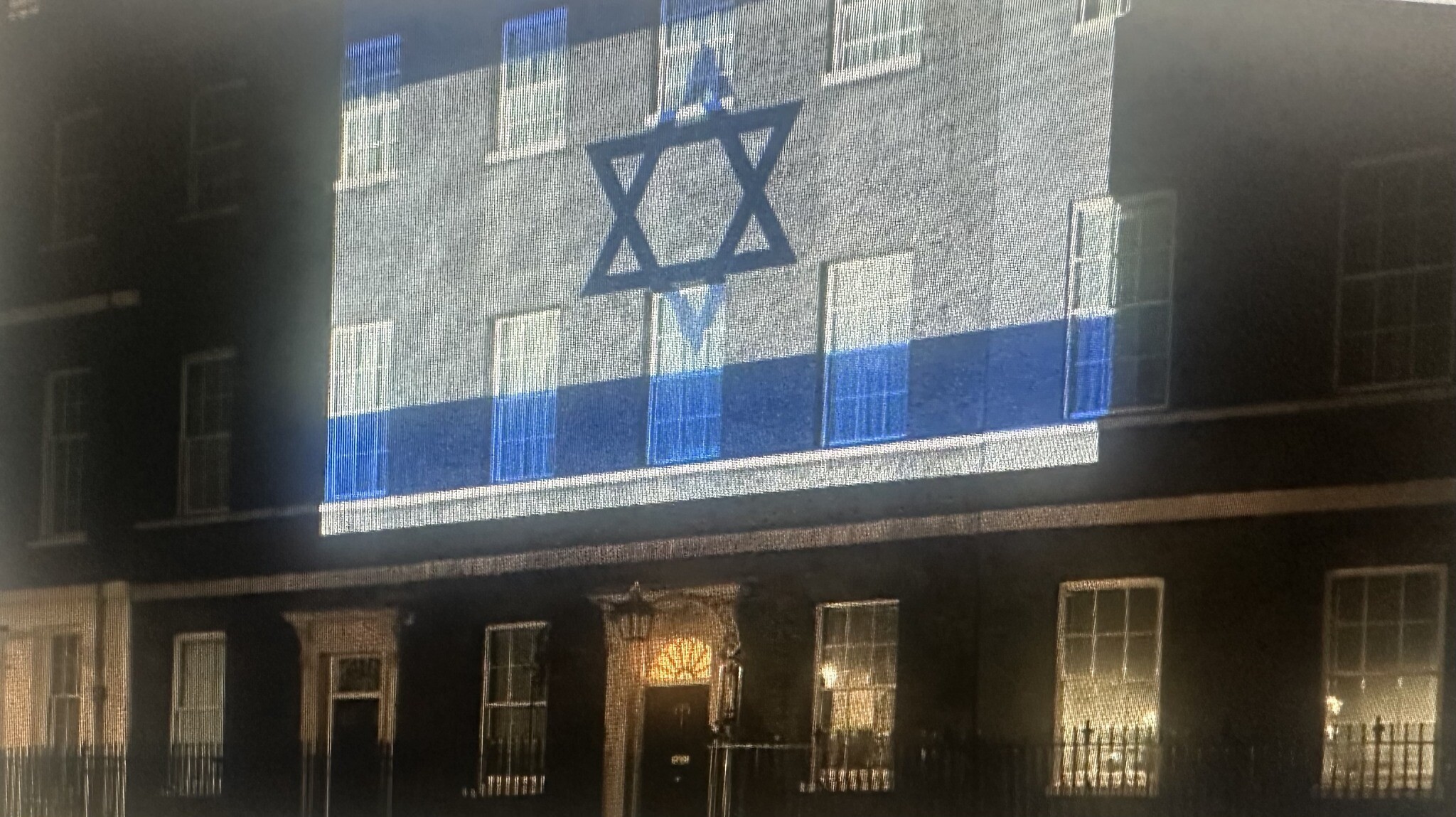
A staggering lack of awareness about the meaning of the word ‘Zionism’ is laid bare by a new poll published today, with five times as many British adults claiming to support the right of Jews to self-determination as identified with the ‘Z’ word.
According to new polling from More in Common, while just 9 per cent of the wider UK population said they were Zionists, 53 per cent said they “support the right of Jewish people to have a nation in Israel”.
Similarly, while 22 per cent identified themselves as having a negative view of Zionists, only 9 per cent specifically had a negative view of “people who support the right of Jewish people to have a nation in Israel”.
In a summary provided by the organisation, which has consistently polled the British public’s attitude towards the conflict over the last two years, “all of this suggests that the public’s perceptions of Zionism have become detached from its literal meaning”.
“People who brand themselves as ‘Zionists’ might mean to be communicating that they simply support the principle of Jewish self-determination, but this is far from what other people may hear when they say this.”

“This disconnect makes it easy for conversations to become heated or accusatory very quickly, because people are often responding to what they think the label implies rather than to the person’s actual position. As a result, the term itself can introduce misunderstanding and tension into discussions that might otherwise reveal more shared ground than disagreement.”
Among those described as “progressive activists”, the numbers are more extreme. More than half – 54 per cent – have a negative view of “Zionists”, with close to a quarter – 23 per cent – having a negative view of “people who support the right of Jewish people to have a nation in Israel”.
General concerns in British society about antisemitism also rose over the last 18 months. In April 2024, about one third of respondents (34 per cent) felt the UK was a mostly or very unsafe place for Jews. That number rose sharply from the summer of 2025, culminating in almost half of respondents (48 per cent) feeling that way in the aftermath of the Heaton Park synagogue terror attack.
“Progressive activists” were more likely to see Islamophobia as more serious than antisemitism – 90 per cent viewed the former as very or somewhat serious, while 73 per cent had similar views of the latter.
Among those identified as “traditional conservatives”, however, 75 per cent saw antisemitism in the UK as a very or somewhat serious issue, compared with just 45 per cent who felt the same way about Islamophobia.
As More in Common identified: “Concern about antisemitism and anti-Muslim hate has become politically polarised. Right-leaning segments are much more worried about antisemitism than anti-Muslim hate, while left-leaning segments show the reverse pattern.”
The polling also found that those with strong views on the conflict are increasingly unable to discuss these issues in good-faith with each other. When asked why people hold opposing views, those with strong views on both sides attribute bad motives rather than genuine disagreement: people who sympathise more with Palestine say that others support Israel because “they are anti-Muslim/anti-Arab,” (40 per cent) while those who sympathise more with Israel are most likely say people back Palestine because they are antisemitic (65 per cent).
Clearly connected to this, 43 per cent of those who sympathise with Palestine would consider ending a friendship with someone who posted on social media in support of Israel, and 46 per cent of those who sympathise with Israel would consider doing the same over a pro-Palestine post.
Luke Tryl, director of More in Common, said: “In focus groups people explained they’d stopped being friends with people because their views on the conflict – while polling reveals significant numbers would think badly of someone for expressing support to ‘the other side’”.

Keep community journalism free.
Jewish News is free for everyone. No paywall. No barriers. Just trusted journalism for anyone who wants to stay connected to Jewish life in Britain.
If you value that, please support us.
From as little as £5 a month, you can help keep our journalism free and accessible to all.
Every day, we report on the issues that matter to our community. We celebrate achievements, support charities, challenge antisemitism and ensure Jewish voices are heard more widely.
From as little as £5 a month, you can help us continue to:
- Report on the stories shaping Jewish life in the UK and beyond
- Bring our community together through shared stories, events and campaigns
- Celebrate the people, culture and moments that define our community
- Support organisations doing vital work across Jewish Britain
You can make a one-off donation or become a regular supporter. Every contribution helps keep our journalism free, independent and accessible to all.
If everyone who values Jewish News gave a small amount, it would make a real difference to our future.





















