Prefer Jewish News on Google
Regulator opens probe into UK charities working with illegal West Bank settlements
Fact-finding statutory class inquiry by the Charity Commission examining concerns about multiple charities and use of funds
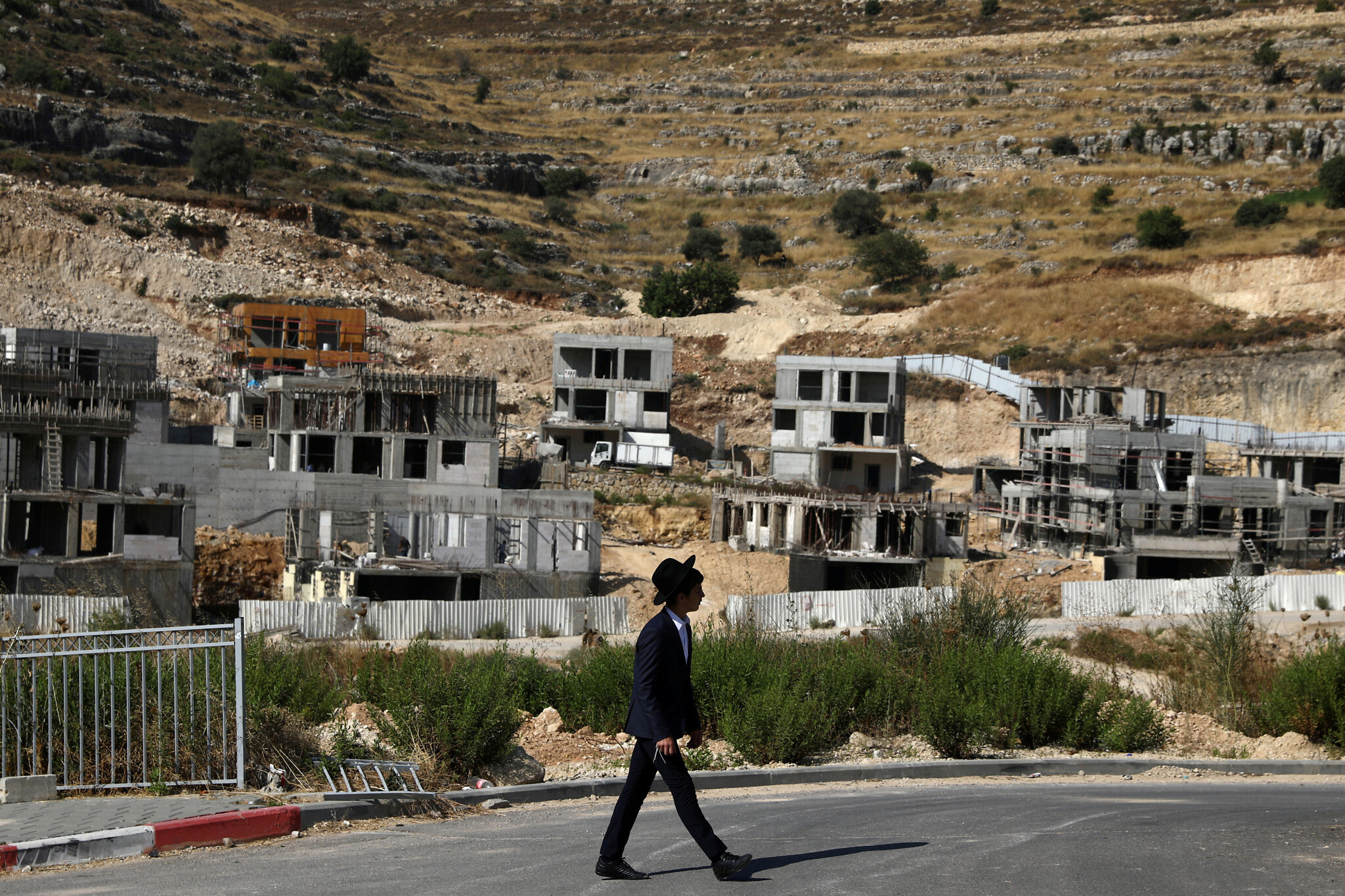
The Charity Commission has launched a statutory class inquiry after concerns emerged that multiple UK-based charities have donated money to illegal Israeli settlements in the West Bank.
Initially, the inquiry will focus on eight charities, among a larger group identified in recent concerns raised with the Commission.
The investigation aims to determine the extent to which charitable funds were used in illegal Israeli settlements, the purposes behind this spending, and whether these actions aligned with the charities’ stated objectives.
The Commission will also assess whether charity assets or beneficiaries are at risk and consider what regulatory action, if any, may be needed to address these issues.
Stephen Roake, Assistant Director for High Risk Compliance at the Charity Commission, stated: “All charities must be able to demonstrate they are delivering on their charitable purposes, wherever and however they operate.



“Serious allegations have been made about UK charities operating in illegal Israeli settlements in Palestine. Our first step is to establish the facts. Only then can we determine if regulatory action is required, based on the evidence we find.
“Our fact-finding will also help us develop regulatory guidance, ensuring continued public trust and confidence in the sector.”

The Commission has shared information about the inquiry’s scope with the police and HMRC. While the Commission cannot investigate crimes or breaches of the Geneva Convention, it has referred any potential criminal matters to the police.
At this stage, the charities involved are not being publicly named.
The Commission intends to publish a report detailing the issues examined, its findings, and any regulatory actions taken once the inquiry, or stages of it, have concluded. The Commission will consider naming the charities when it releases its report.
In June, the watchdog stated it would work with the Foreign Office to develop guidance for UK charities whose work may be seen to assist the development of illegal Israeli settlements.
According to MP Melanie Ward, thirty-two charities in England and Wales have donated at least £28 million to Israeli settlements illegal under international law. Ward made this claim after conducting a report in collaboration with Israeli human rights activists. Ward added that, if gift aid was claimed in the usual way, taxpayers could have subsidised illegal settlements by as much as £5.6 million.
Ward, formerly chief executive of Medical Aid for Palestinians, outlined the charities’ recent activities in a letter to the Commission, urging the regulator to investigate and consider removing them from the charity register.
She said the provision of funds to support illegal settlements in the West Bank was not a charitable activity and did not comply with UK or international law on settlement activity, a position “taken by the United Nations, successive UK governments, the international court of justice, and an issue that is subject to an international criminal court investigation on the grounds of war crimes”.
At a recent event organised by the advocacy group Yachad, Ward revealed the Commission was close to announcing possible investigations into the charities. She indicated she had been alerted to more than 32 UK charities possibly funding settlements in the West Bank, but said they were not being named for security reasons.
She rejected claims of “double standards” regarding her focus on the Palestinian issue and not scrutinising charities linked to other occupied regions such as Western Sahara and Northern Cyprus. Ward highlighted the UK’s “particular historical relationship with Israel and Palestine,” adding, “We have a particular responsibility there.”
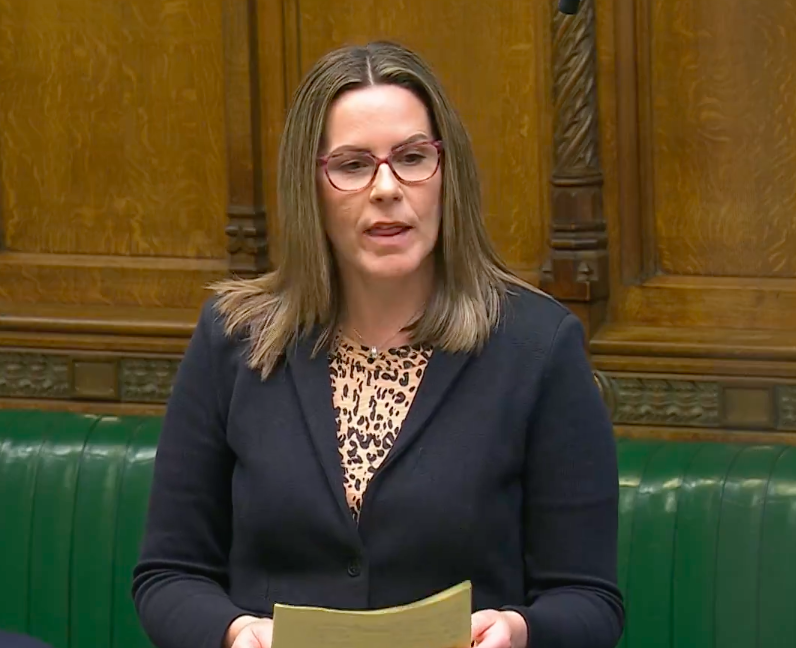
She also argued that the situation differs from the other regions, noting, “Not least in the length of time that it’s been going on—almost 80 years—and there’s no doubt that the situation between Israelis and Palestinians is a running sore in the international community.”
Ward added: “If we were able to make steps toward a peaceful resolution—a two-state solution—it would have an enormous impact, including on community relations in our own country.”
Announcing the scope of their class inquiry the Commission said it would “establish the extent to which funds or other resources have been applied by charities within the defined class in relation to illegal Israeli settlements in Palestine, the purposes for which those funds were used, and the extent to which this meets the requirements of charity law.
“This will include examining what funds were applied within an illegal settlement and whether the application of those funds was in furtherance of the charities’ stated charitable purposes. The scope of the class inquiry may be expanded if necessary.”

Keep community journalism free.
Jewish News is free for everyone. No paywall. No barriers. Just trusted journalism for anyone who wants to stay connected to Jewish life in Britain.
If you value that, please support us.
From as little as £5 a month, you can help keep our journalism free and accessible to all.
Every day, we report on the issues that matter to our community. We celebrate achievements, support charities, challenge antisemitism and ensure Jewish voices are heard more widely.
From as little as £5 a month, you can help us continue to:
- Report on the stories shaping Jewish life in the UK and beyond
- Bring our community together through shared stories, events and campaigns
- Celebrate the people, culture and moments that define our community
- Support organisations doing vital work across Jewish Britain
You can make a one-off donation or become a regular supporter. Every contribution helps keep our journalism free, independent and accessible to all.
If everyone who values Jewish News gave a small amount, it would make a real difference to our future.