
 Prefer Jewish News on Google
Senior rabbis speak out on domestic abuse ahead of JWA Shabbat
Bushey United's Rabbi Elchonon Feldman, New London Synagogue's Rabbi Jeremy Gordon and Finchley Reform Synagogue's Rabbi Emerita Miriam Berger support powerful community initiative
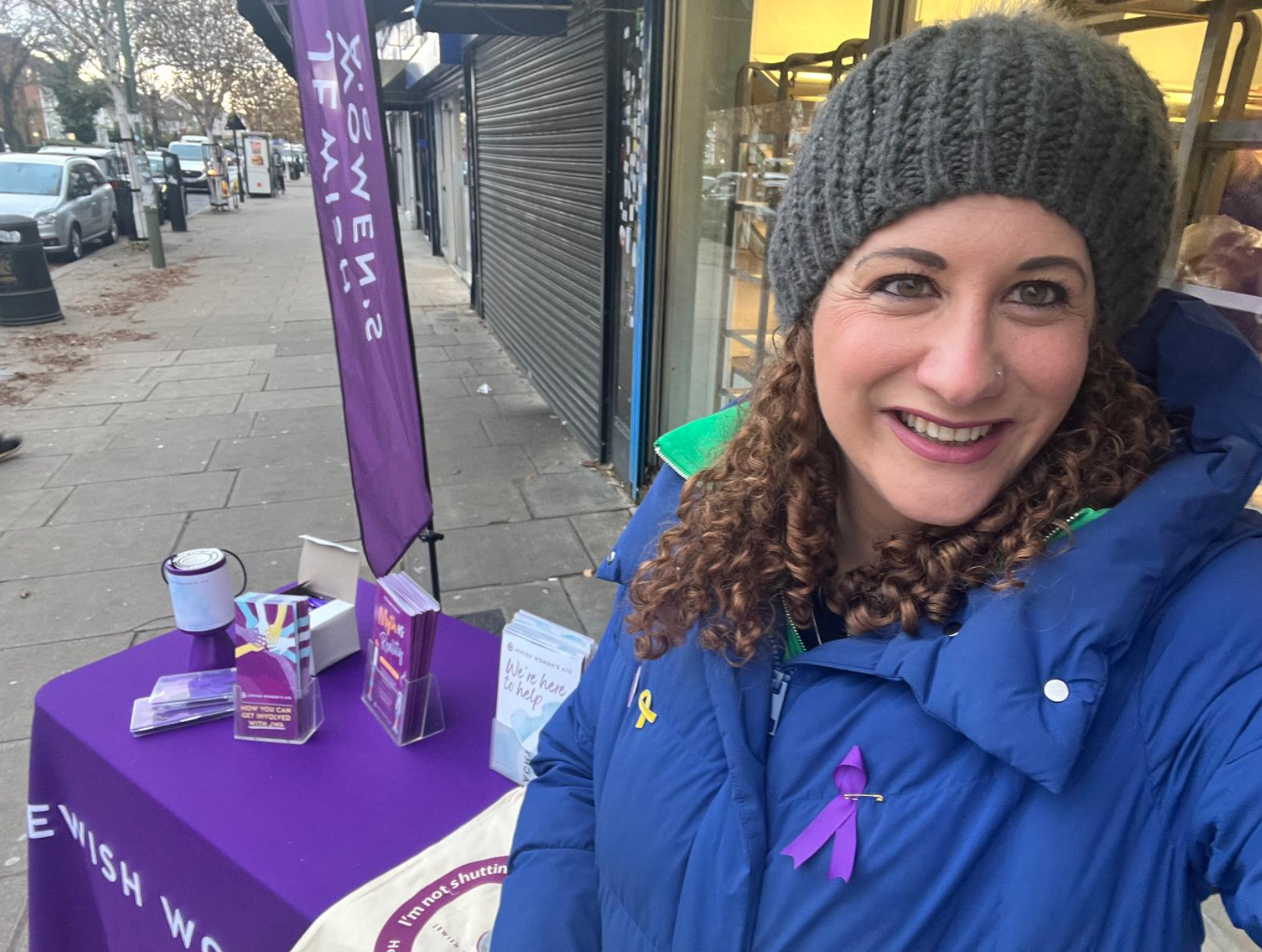
Senior rabbis from the Orthodox, Masorti and Progressive movements are backing calls for the Jewish community to confront the reality of domestic abuse during next weekend’s Jewish Women’s Aid (JWA) Shabbat.
The annual event, which focuses on reflection, education and action, aims to raise awareness of the ripple effects of abuse. It coincides with the International Day for the Elimination of Violence Against Women and the 16 Days of Action that follow.
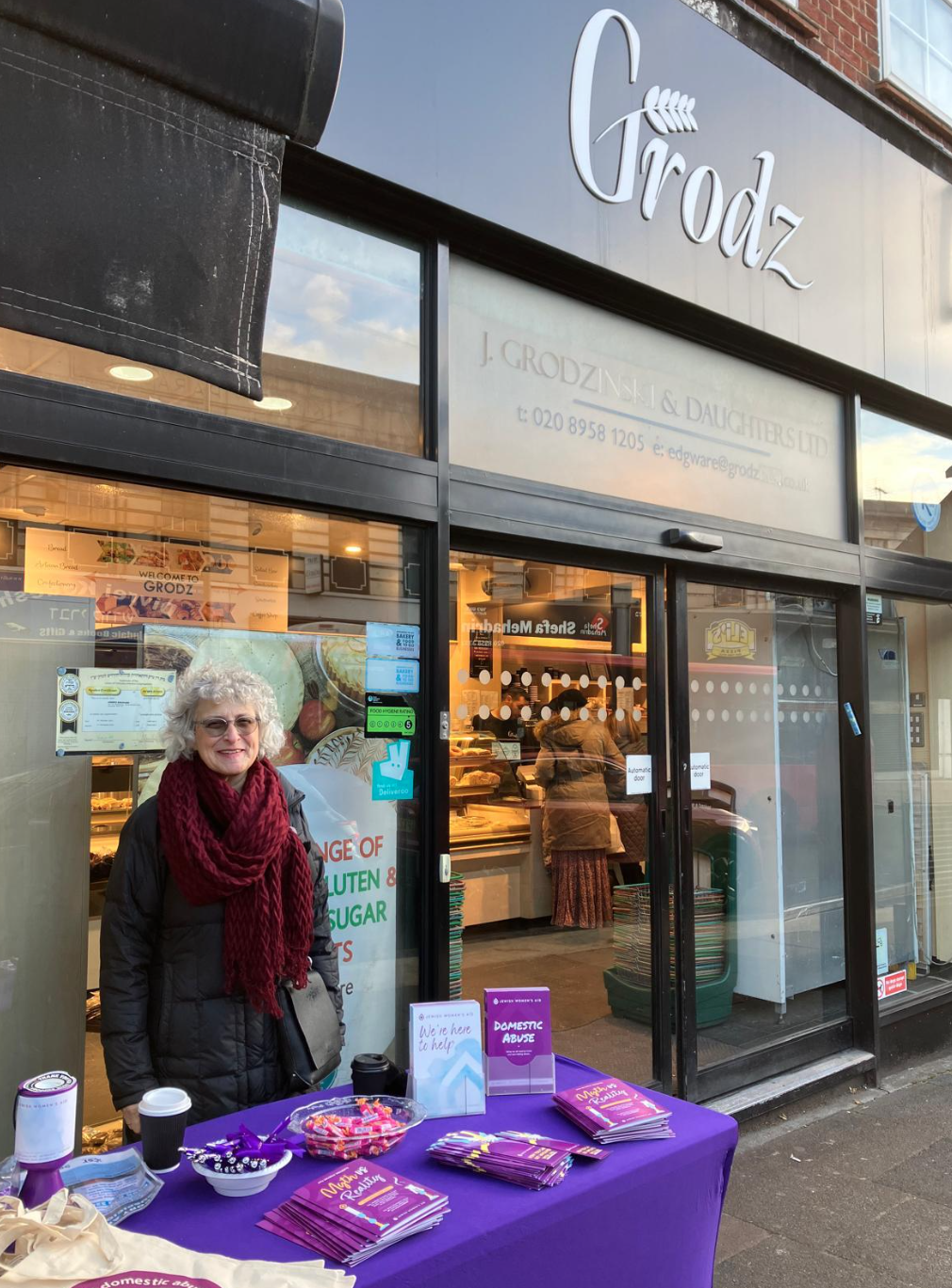
Three rabbis will deliver targeted sermons, while JWA staff and volunteers will run information stalls outside kosher bakeries and shops – locations often used by women buying challot for Shabbat – to offer a discreet point of contact.
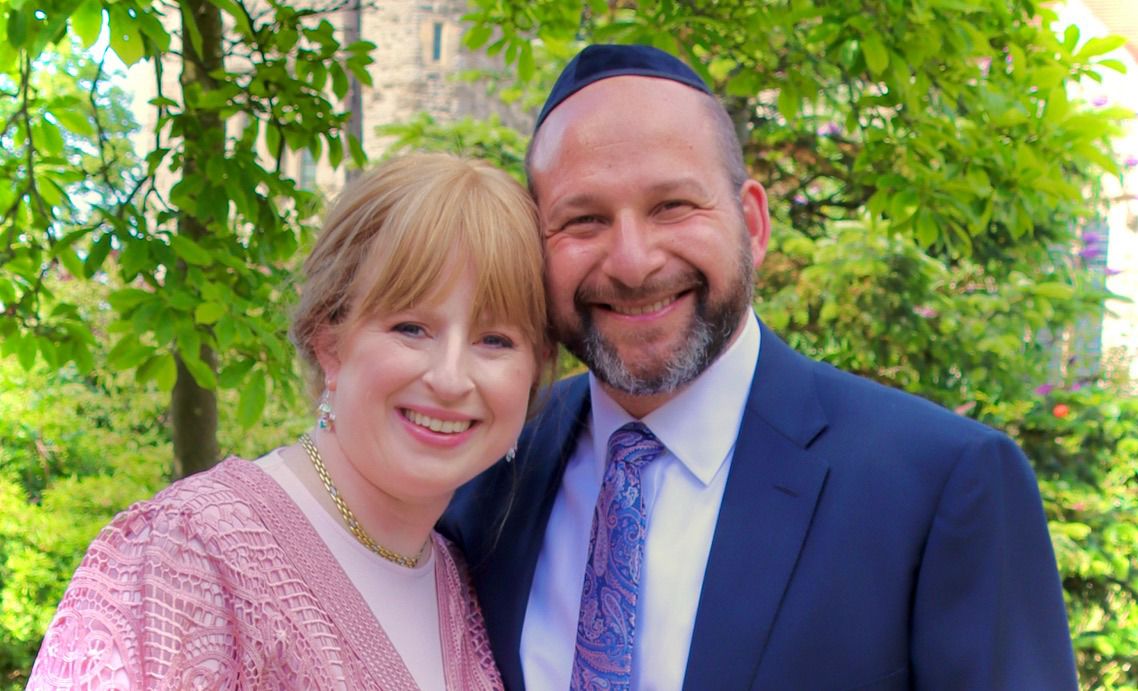
Rabbi Elchonon Feldman, senior Rabbi at Bushey United Synagogue, has led the congregation since 2016. Made up of more than 1,500 families, Rabbi Feldman says over the years he has supported people affected by domestic abuse, from young women in unhealthy relationships to sharing their story around historic abuse. In some cases, he signposts them to JWA – in others, the emergency services.
He says: “Over the years, the community has started openly talking about domestic abuse; but it’s not easy to talk about and does happen behind closed doors. We know that when we openly talk about domestic abuse, victims come forward. Openly talking about it helps victims realise: ‘I am actually experiencing this abuse’. We’ve encountered domestic abuse cases across all ages – from young women in their late teens to someone who outwardly seems to have been ‘happily married’ for decades.”


He adds: “There’s really no excuse for a rabbi not to be proactive when they know about domestic abuse. Under the United Synagogue, we all undergo regular training, and a prime element of that is understanding domestic abuse and sexual violence. The goal is to ensure we’re not protecting perpetrators or discrediting victims, which would be deeply wrong.”
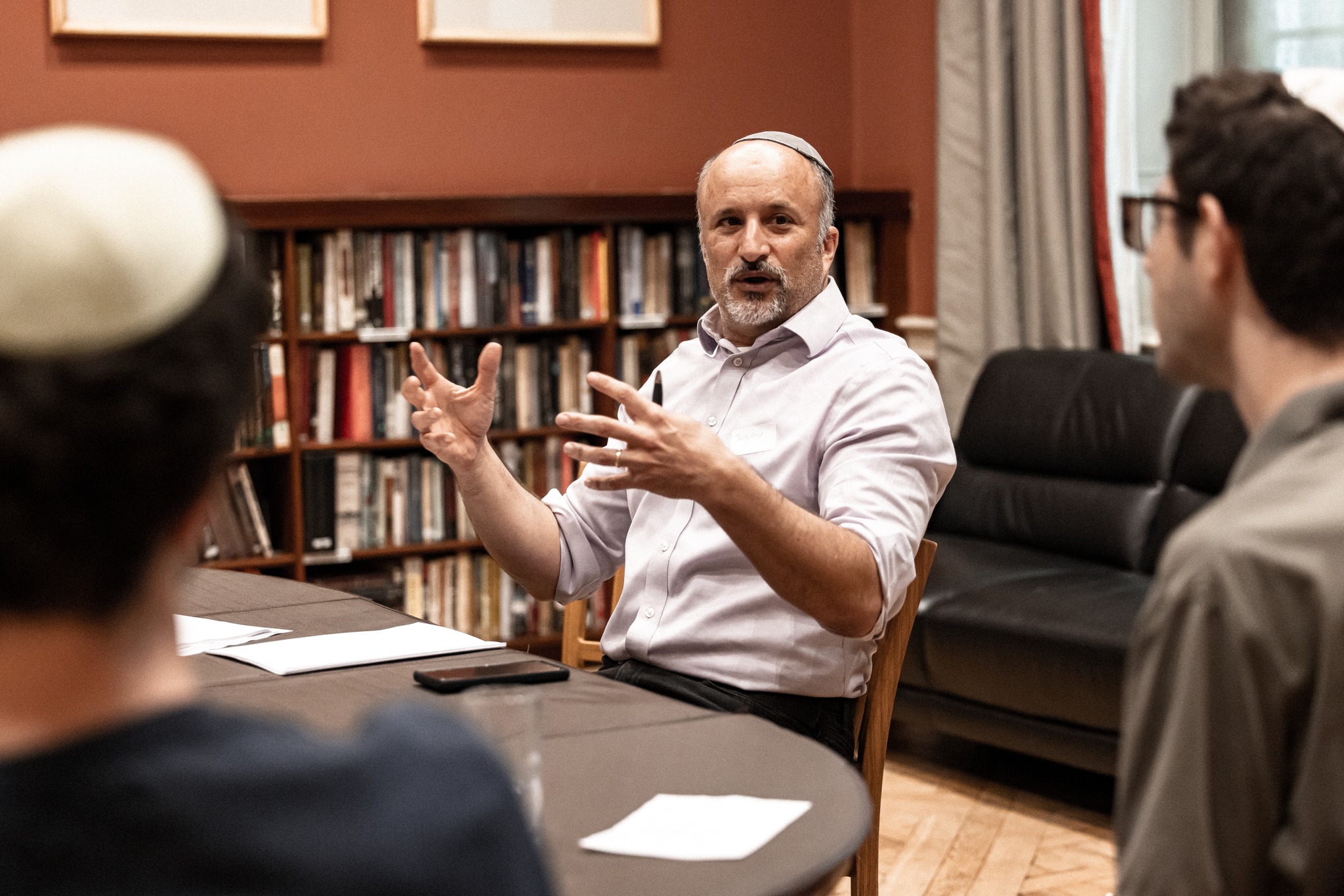
Rabbi Jeremy Gordon, of New London Synagogue and its deputy designated safeguarding lead, has also had confidential conversations with victims of domestic abuse.
He recognises the “great pain” caused by abuse and says “rabbis need to be braver” in openly addressing it.
“I’m well aware of the awful pains and pressures experienced by victims of domestic abuse and the circles of pain that stretch out from that,” he says. “I think the issue is still taboo to even discuss for many. Victims too frequently feel tremendously ashamed – when they are not at fault – and perpetrators too frequently feel they deserve to be forgiven or accepted, even if they show no genuine accountability or remorse for their actions.”
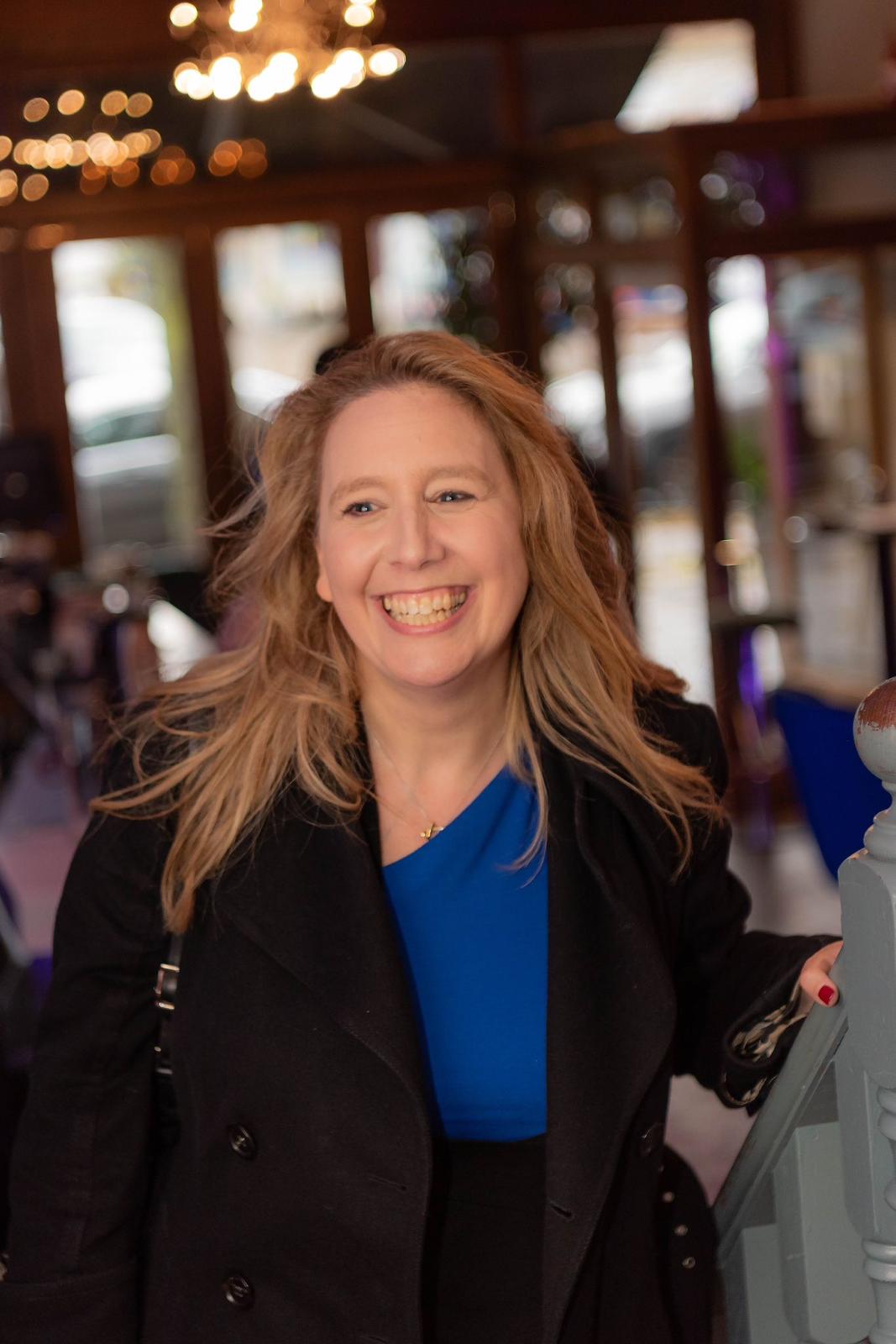
Rabbi Miriam Berger, Rabbi Emerita of Finchley Reform Synagogue and founder of the Wellspring UK mikveh, says: “We need to take our responsibility seriously to speak out about all that we know goes on behind closed doors. Only then will victims of domestic abuse know that they are not alone and that their community is a place where they will be protected, supported and directed to the professionals who can really help.
“For many, being on the receiving end of such a revelation – that a friend, family member or congregant is a victim of domestic abuse – can be frightening, but the Jewish community is hugely fortunate to have an efficient, well-resourced and experienced organisation to turn to who will not judge, insist or have an agenda.
“By admitting the vast array of challenges we all face in our lives and by speaking openly about them, we enable someone else to seek the help they need, to step out from the shadows and see community as a place of love and not of judgement.”
Last year, around 60 synagogues took part in JWA Shabbat, from London to Leeds and Manchester. Twenty-three speakers addressed congregations, with a further twelve trained volunteer speakers sharing JWA’s message within their own communities.
JWA client, Rachel* (not her real name), recalls: “I’ll never forget that JWA Shabbat. I was sitting in shul when the rabbi started talking about JWA and the support they offer to women living with abuse. My heart was pounding; it was like he was speaking directly to me. Until that moment, I didn’t think anyone in the Jewish community would understand what I was going through, let alone be able to help. It took me a few days to build up the courage, but I finally called the number.”
She adds: “From the very first conversation, I felt safe. The woman on the other end didn’t judge me or rush me, she just listened. Slowly, with JWA’s support, I began to see that I wasn’t alone and that what was happening wasn’t my fault. They guided me through difficult times and reminded me that I still had strength inside me. That Shabbat changed everything. It was the first time in years that I felt a glimmer of hope – that maybe I could have a different kind of life. JWA didn’t just help me survive; they helped me find myself again.”
Jewish Women’s Aid chief executive Sam Clifford said: “More women and children are turning to JWA for help than ever before, and that is something none of us can afford to ignore. JWA Shabbat is an important moment in our calendar to shine a spotlight on abuse.
“When rabbis speak from the bimah and volunteers stand at stalls in full view of their communities, it sends a powerful message that abuse will not be hidden or ignored. Visible leadership and open conversation are how we show that every woman has a place where she will be heard, believed and supported.”

Keep community journalism free.
Jewish News is free for everyone. No paywall. No barriers. Just trusted journalism for anyone who wants to stay connected to Jewish life in Britain.
If you value that, please support us.
From as little as £5 a month, you can help keep our journalism free and accessible to all.
Every day, we report on the issues that matter to our community. We celebrate achievements, support charities, challenge antisemitism and ensure Jewish voices are heard more widely.
From as little as £5 a month, you can help us continue to:
- Report on the stories shaping Jewish life in the UK and beyond
- Bring our community together through shared stories, events and campaigns
- Celebrate the people, culture and moments that define our community
- Support organisations doing vital work across Jewish Britain
You can make a one-off donation or become a regular supporter. Every contribution helps keep our journalism free, independent and accessible to all.
If everyone who values Jewish News gave a small amount, it would make a real difference to our future.





















