Prefer Jewish News on Google
Skyscrapers, supertrees and synagogues
Hong Kong and Singapore are markedly different cities with a common Jewish thread
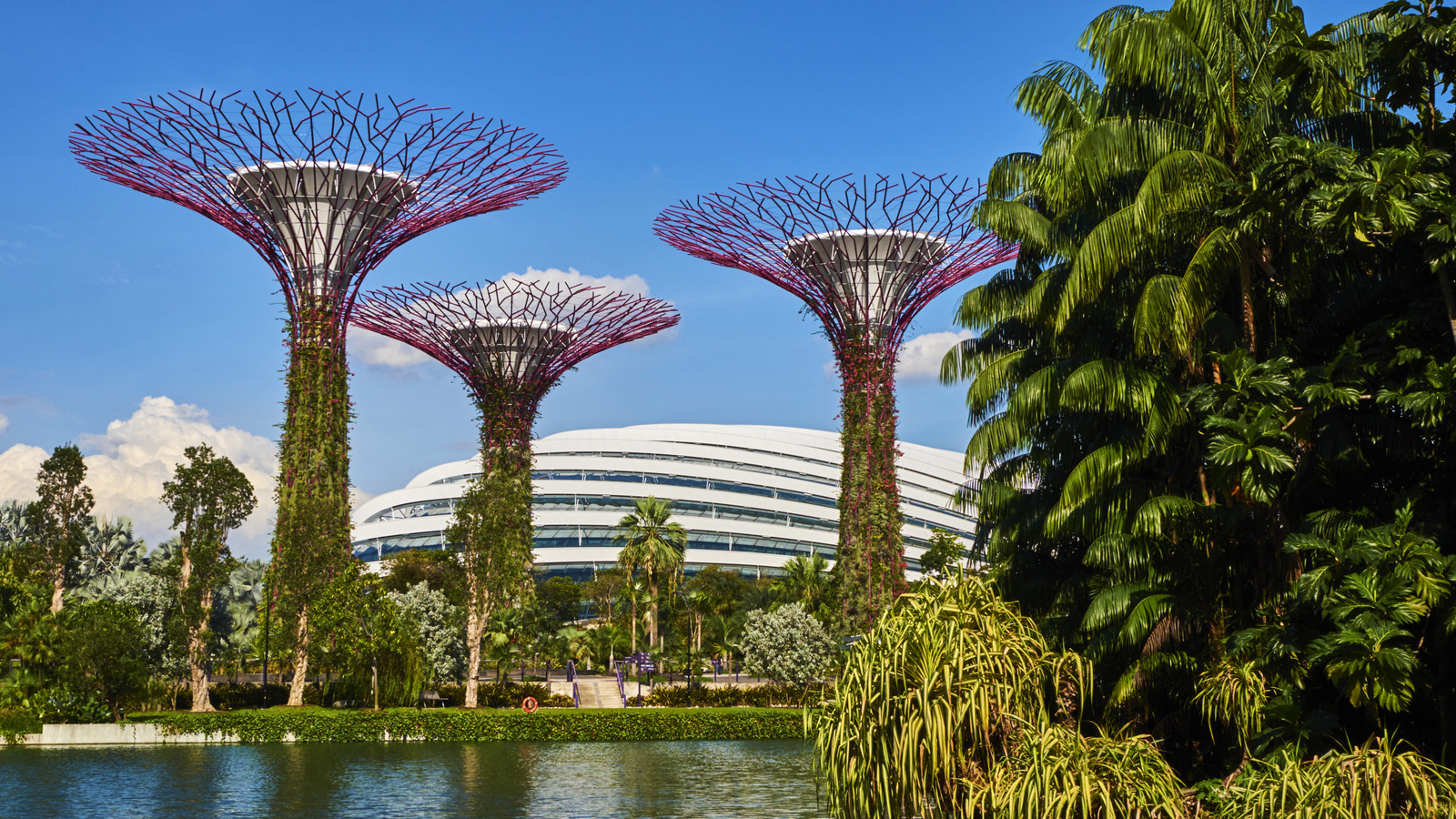
“Two days is enough in Singapore,” everyone tells me. “Not if you stay at Raffles,” is my response. For this is a hotel you would never want to leave.
In its very first iteration Raffles Singapore was a house facing the beach, and has been a hotel since 1887. It is so steeped in history there is a two-hour tour offered to residents to learn all about it. Its magnificent white wedding cake façade is somewhat at odds with the steel and glass of modern Singapore, but its refined gentility is not.
Our suite, with a verandah overlooking the tranquil courtyard gardens – a little oasis in the middle of Singapore – has the classic Raffles aesthetic: colonial proportions, elegant furnishings and a feeling of old-world luxury. Our very own butler knocks at our door to present an assortment of chocolates from which to choose a selection to enjoy during our stay.
Singapore is compact enough to explore easily on foot even in the intense heat and humidity. We visit The Shoppes at Marina Bay Sands (although not all 270 of them!) and wander through the tropical Gardens by the Bay, home to the awe-inspiring supertrees, returning at night to see them lit up in a Vegas-style light show.
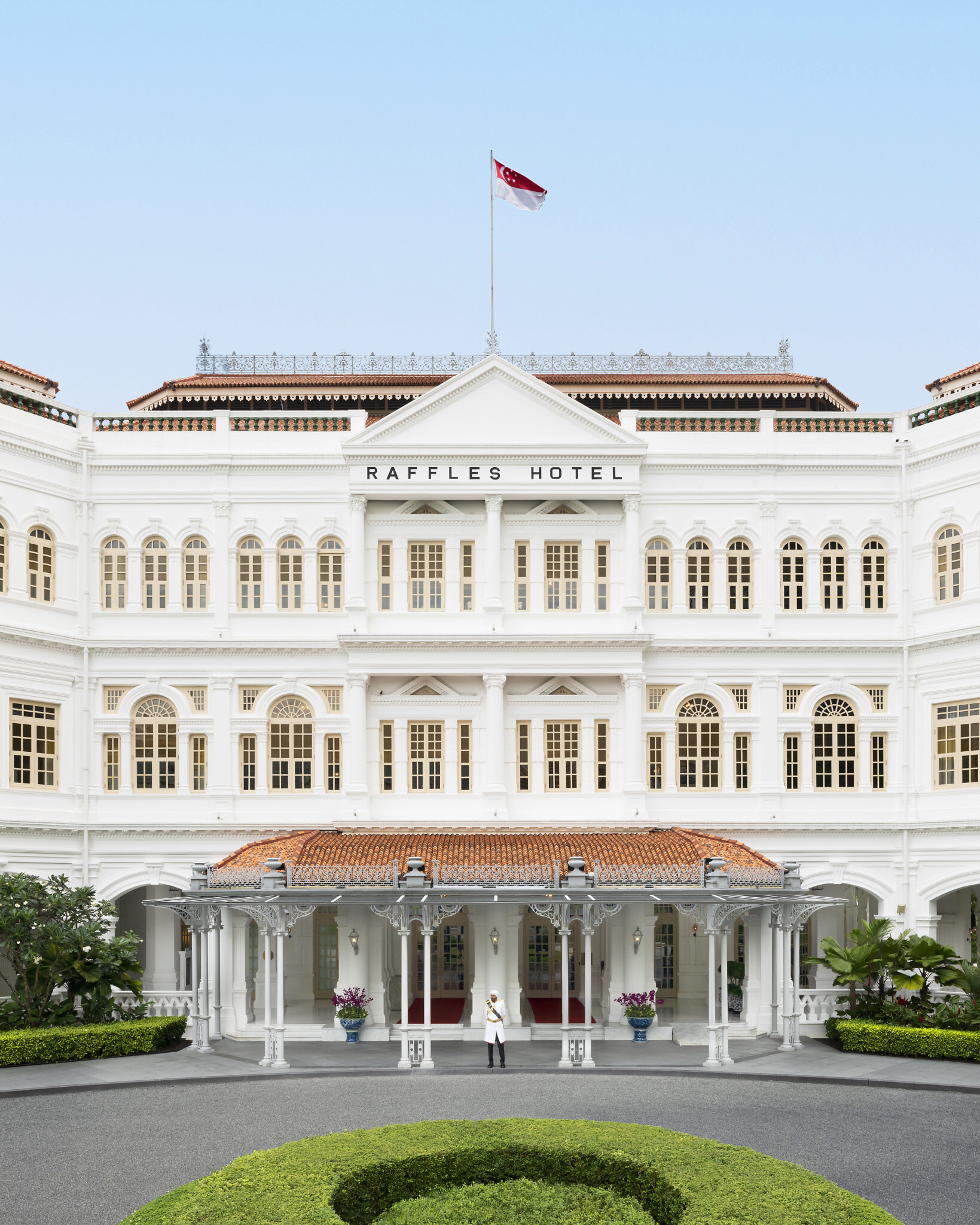 But it is away from the modern structures that we find the atmosphere – in Little India we are transported straight to the streets and markets of Delhi, and in the Kampong Glam District we discover a cacophony of indie shops, perfume sellers and Middle Eastern restaurants alongside colourful cafés, cocktail bars and street art.

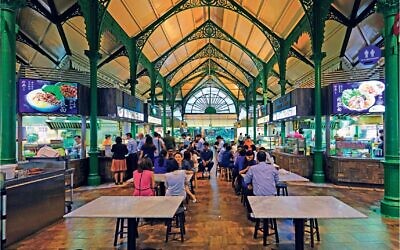
The Lau Pa Sat hawker centre, with 80 food stalls under an ornate Victorian roof, is surprisingly not air-conditioned so almost an appetite killer in the heat – but not quite! We indulge in a tasting menu at Butcher’s Block, a mood-lit, fire-driven meat-focussed restaurant in Raffles arcade, and authentic Indian food at the Tiffin Room in the hotel.
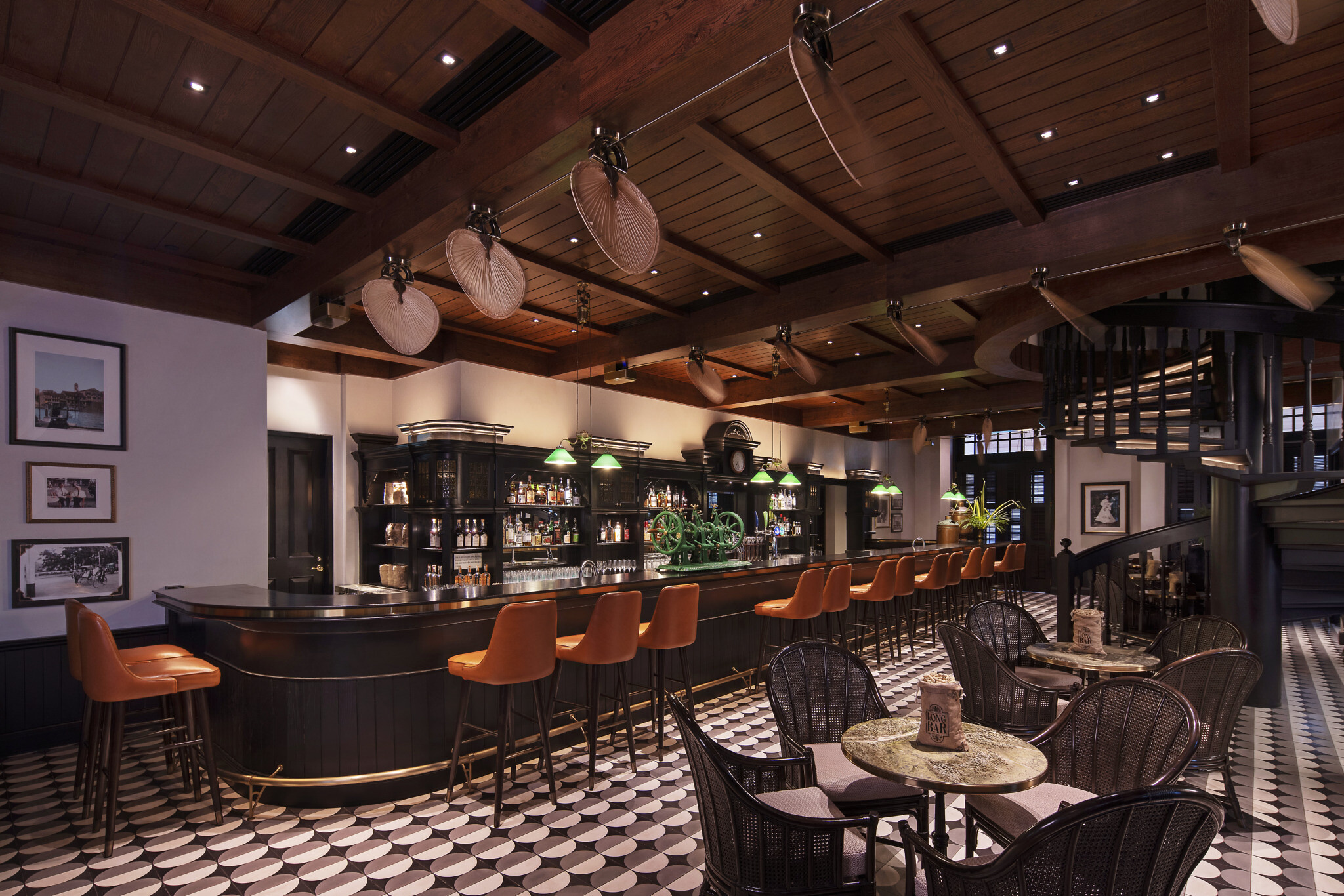
As residents, we bypass the queues for the Long Bar, the home of the famed Singapore Sling – a not-to-be missed experience, complete with the chance to do a little cocktail shaking ourselves.
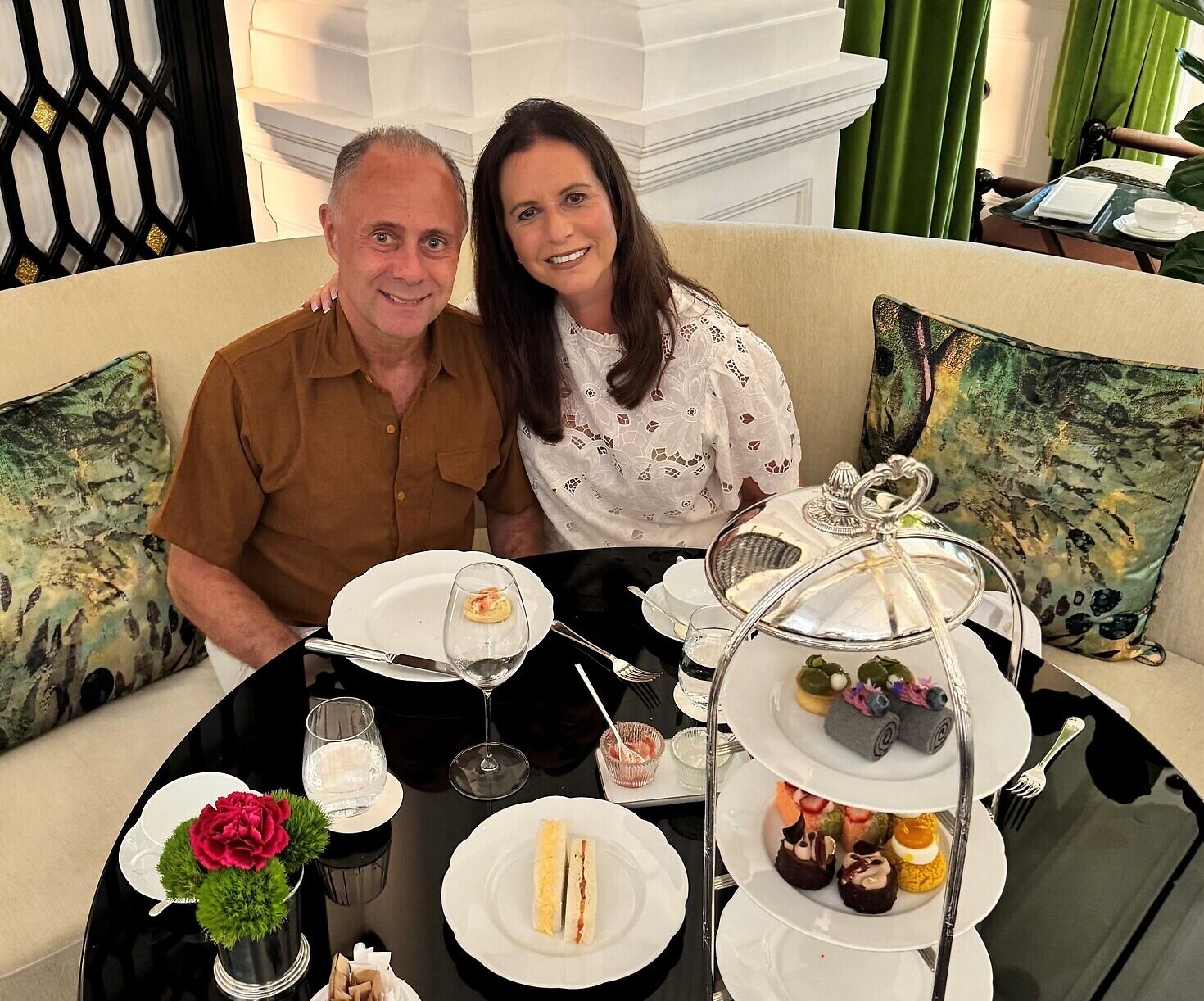
The biggest treat of all, though, is afternoon tea in the magnificent Grand Lobby. lobby lounge. With a harpist playing, dainty finger sandwiches and perfect scones served with clotted cream, champagne and English Breakfast tea, the long-gone days of the British Empire are brought firmly into focus.
There are 1,500 miles between Singapore and Hong Kong yet the differences between them make the distance feel even greater than this. Where Singapore is calm, ordered and spread out with a canopy of tropical greenery at its heart, Hong Kong is frenetic, crowded and rises dramatically into the sky.
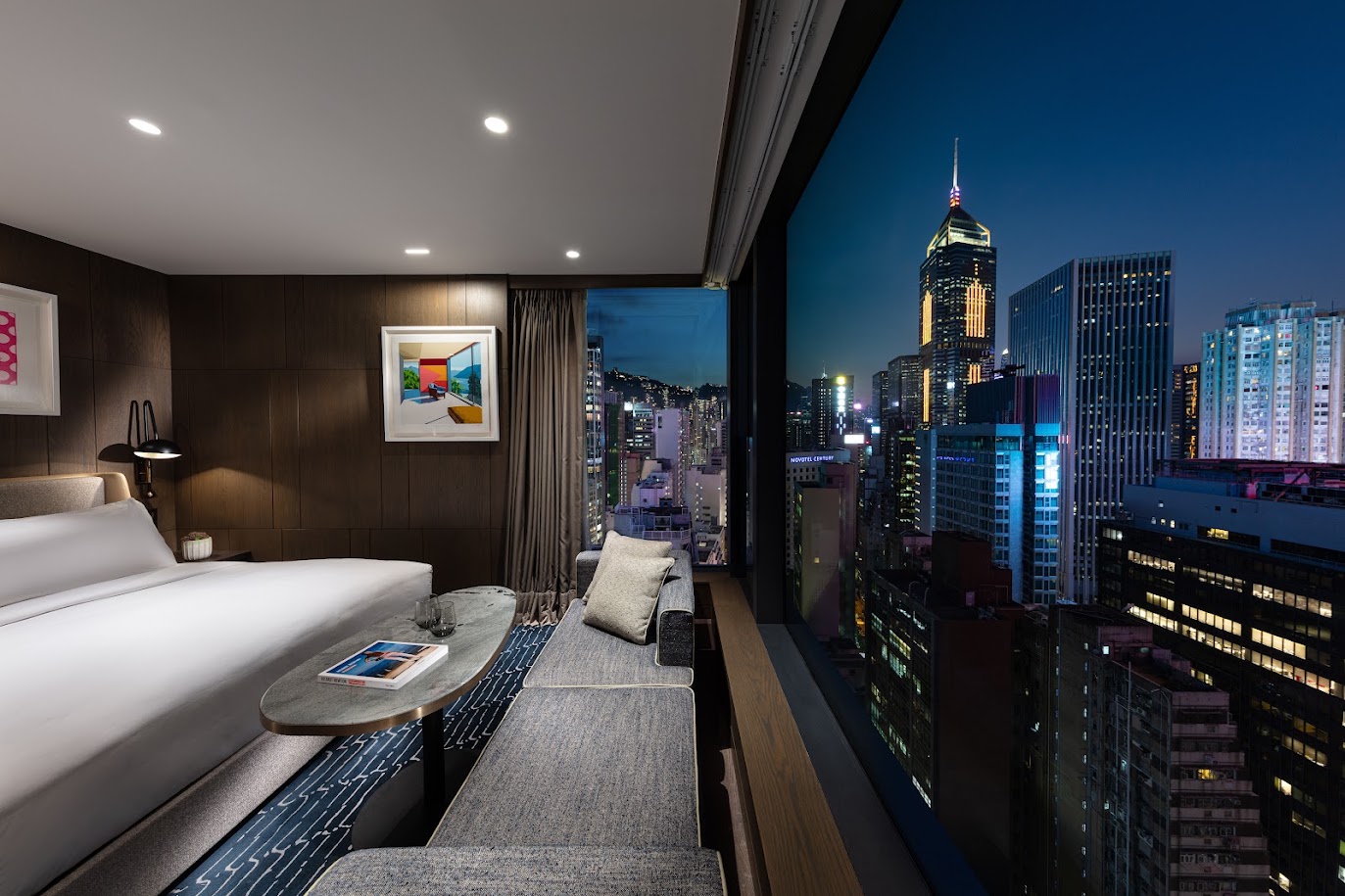
We check in to The Hari in Hong Kong, a 30-storey hotel neatly positioned between the riot of colour and sounds that is the famous Wan Chai market, and the thrill that is the modern skyscrapers and malls of Causeway Bay.
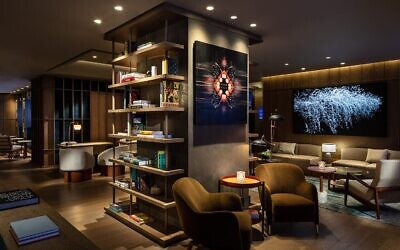
A sister to the Hari in London, British interior designer Tara Bernerd has created a sophisticated oasis decorated with dark wood, velvet, marble and lots of greenery. A London gallery-curated art collection adds to the feeling of a private members’ club.
Rooms have floor-to-ceiling windows, sleek bathrooms and are surprisingly spacious. Unusually for a city centre hotel there is an outdoor terrace, perfect for a drink before heading out for the evening. Breakfast is western style, with a couple of Asian dishes each day too.
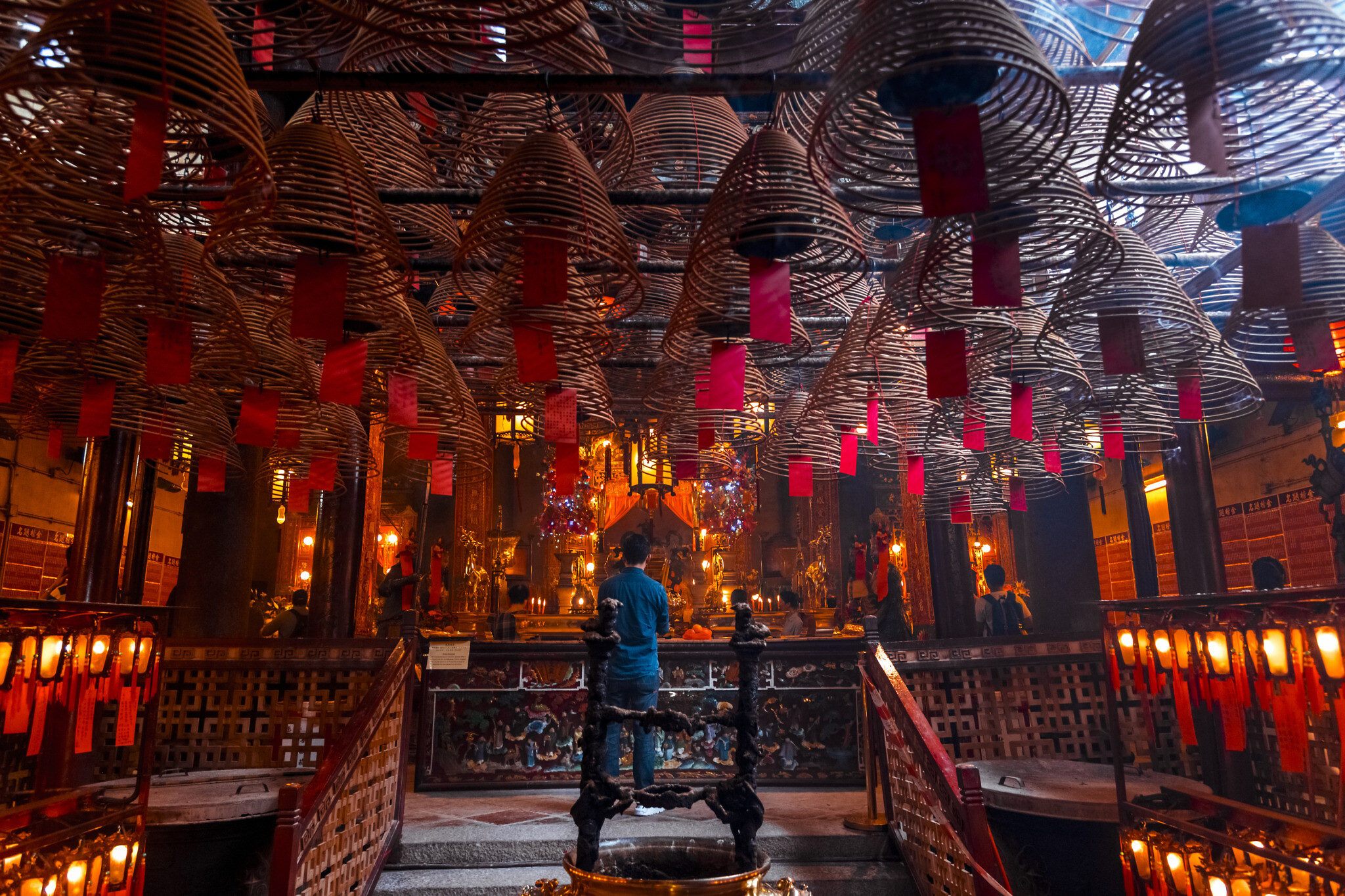
Our first day is spent hopping on and off open-top tour buses. We marvel at the bamboo scaffolding that is traditional in this city, and the beautiful Victoria Park which hosts a stunning flower show every March. We visit Man Mo Temple, with its gigantic spiral incense coils which fill the interior with pungent smoke, ride the outdoor elevators and take the ferry across to Kowloon Island to watch the light show across the water as night falls. Loud, bustling and gritty by day, the city takes on a certain magic at night, as neon lights bring it to life and make it feel like one giant Times Square.
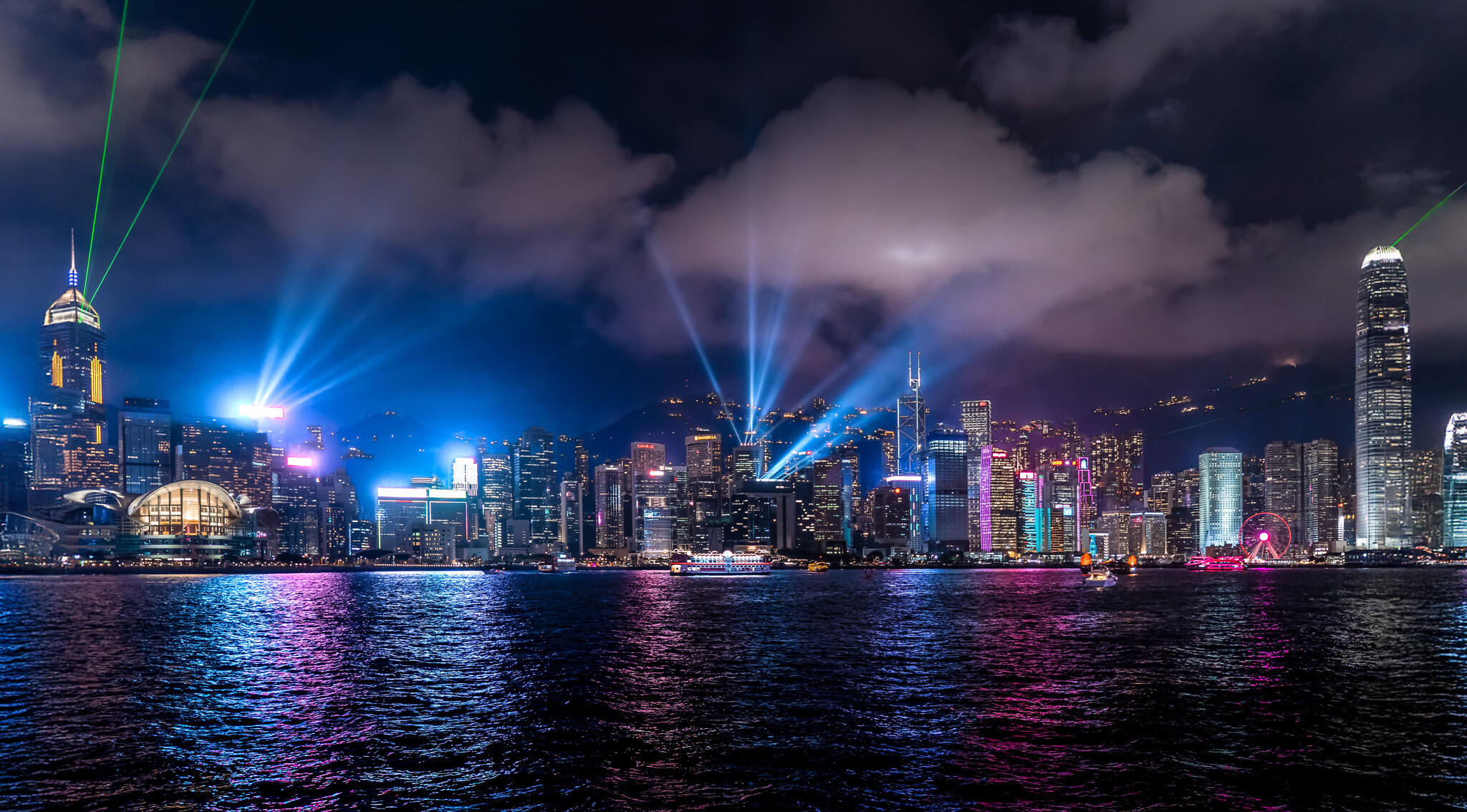
We eat superb Chinese cuisine at Mott 32, including a speciality duck course, and dim sum with a French twist at Man Mo Dim Sum. On the rare occasion the sun shines in Hong Kong the narrow streets and tall buildings prevent the rays from reaching the ground so we ride the tram to Victoria Peak, 400 metres above sea level. From here the city is spread out in all directions and sparkles in the sun.
Notably in both cities, in the 19th century Baghdadi Jewish merchants following the trading routes of the British Empire arrived from Iraq and India. They established businesses, bought homes and built synagogues.
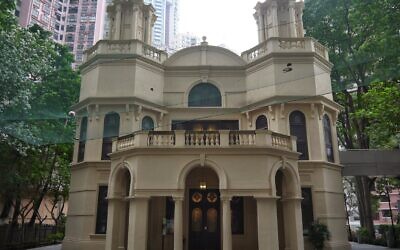
The Sassoon brothers Jacob, Edward and Meyer were among the earliest Sephardi merchants from India to settle in Hong Kong; the whitewashed Edwardian façade of Ohel Leah Synagogue, built by them in 1901 and named after their mother, sits proudly alongside the skyscrapers. Singapore has Maghain Aboth Synagogue, built in 1878, which is the oldest and largest in Southeast Asia, and the beautiful Chesed El Synagogue which was built in 1905.
A fitting reminder that before the skyscrapers, shopping malls and futuristic architecture, these two cities were shaped by generations of people who arrived from elsewhere in search of a new life.

Keep community journalism free.
Jewish News is free for everyone. No paywall. No barriers. Just trusted journalism for anyone who wants to stay connected to Jewish life in Britain.
If you value that, please support us.
From as little as £5 a month, you can help keep our journalism free and accessible to all.
Every day, we report on the issues that matter to our community. We celebrate achievements, support charities, challenge antisemitism and ensure Jewish voices are heard more widely.
From as little as £5 a month, you can help us continue to:
- Report on the stories shaping Jewish life in the UK and beyond
- Bring our community together through shared stories, events and campaigns
- Celebrate the people, culture and moments that define our community
- Support organisations doing vital work across Jewish Britain
You can make a one-off donation or become a regular supporter. Every contribution helps keep our journalism free, independent and accessible to all.
If everyone who values Jewish News gave a small amount, it would make a real difference to our future.