Prefer Jewish News on Google
Stanmore-born director makes major Holocaust movie
Annabel Jankel's father never shared his war experiences but remarkable story of Freddie Knoller inspired her
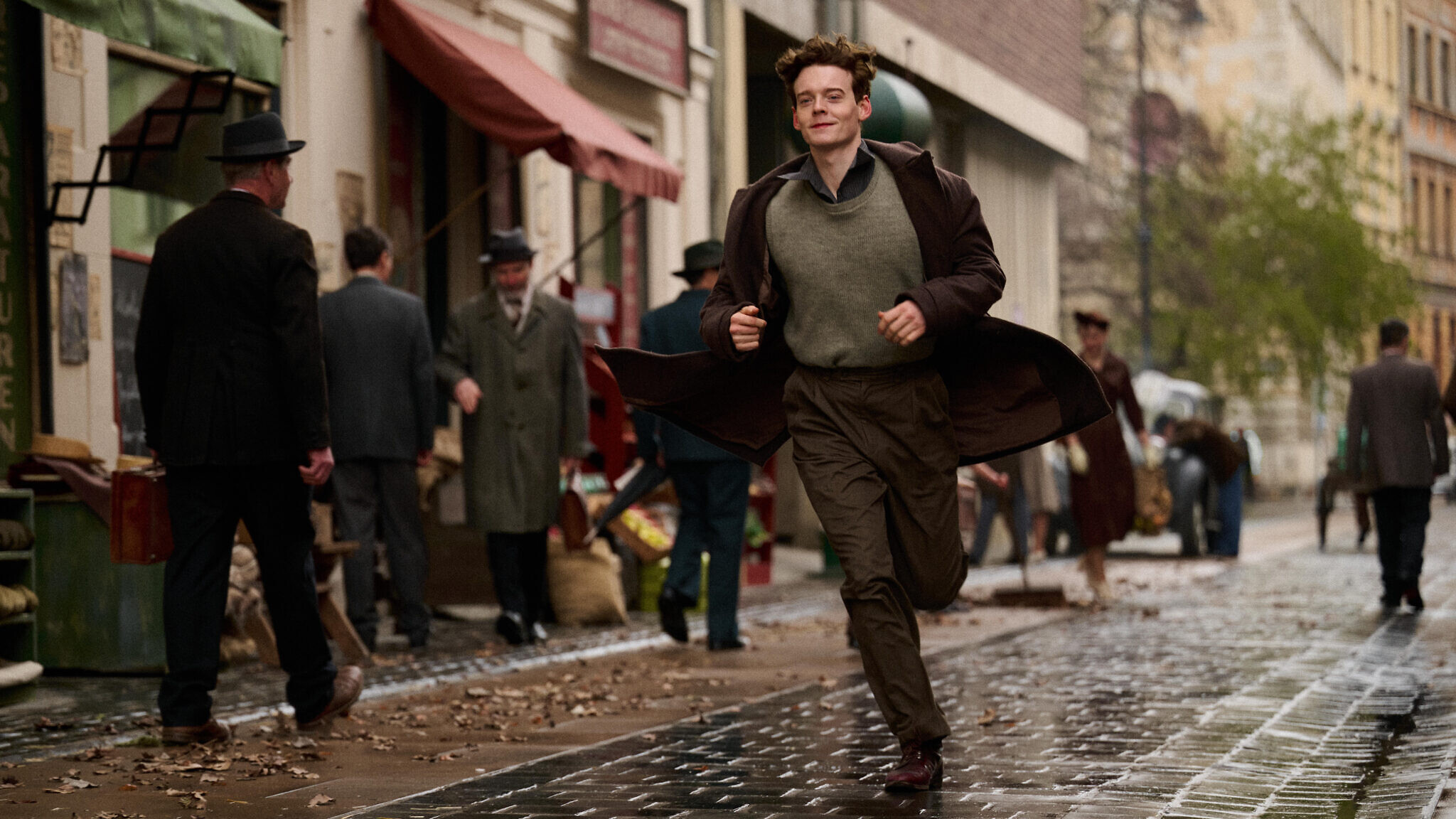
Years before Annabel Jankel made Desperate Journey, she was lent the book of the same name by a friend. She was working on a music project at Abbey Road with Peter Van Hooke and he implored her to read the remarkable story of Holocaust survivor Freddie Knoller. Van Hooke’s wife was a close friend of Knoller’s daughter but Jankel never did get round to reading the book until years later when she was offered the chance to direct the film version.
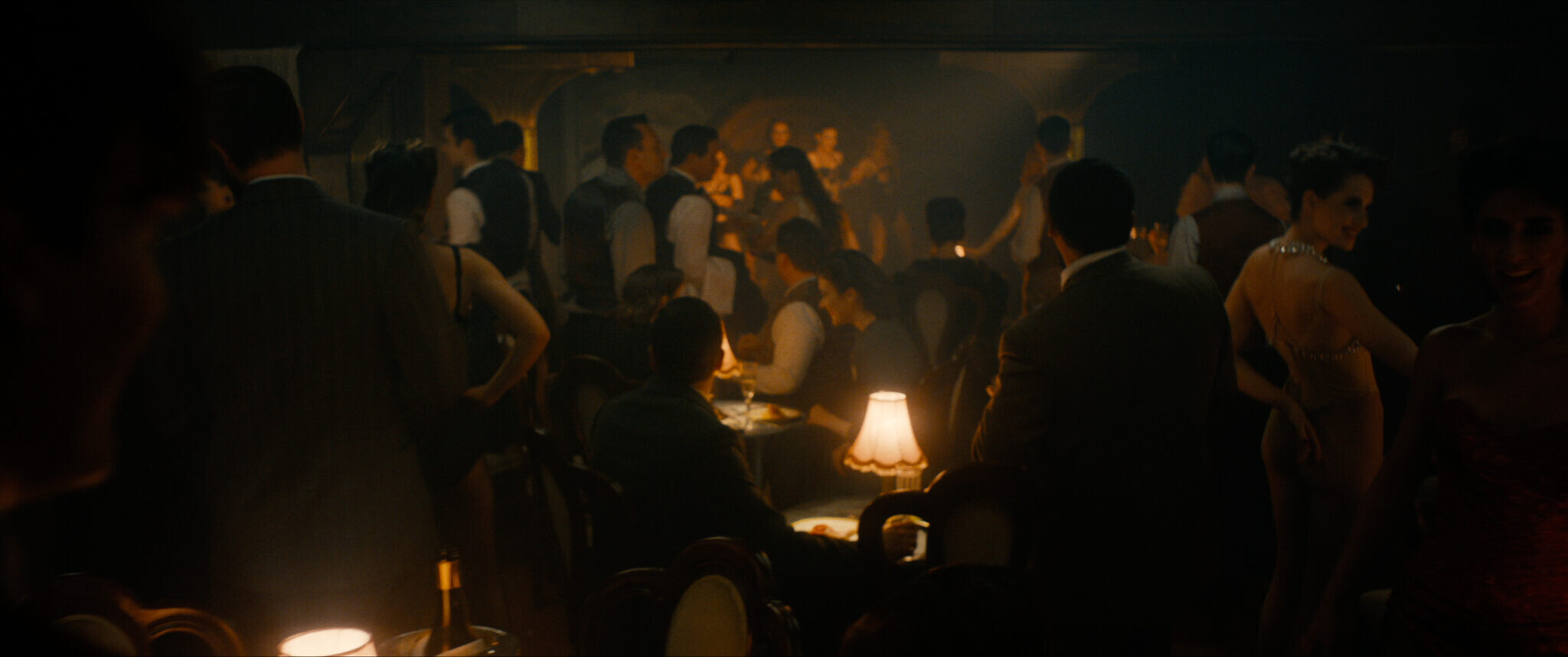
The result is a Holocaust picture, shot in Budapest, that follows Stoller on a journey that takes in Vienna, Paris and Auschwitz. Knoller fled the Nazis but ultimately ended up joining the French resistance while in close contact with Germans seeking pleasure in myriad forms at French nightclubs. There are elements of Casablanca and Cabaret in this war movie containing elements of romance, espionage and burlesque, and Jankel does an excellent job juggling the various tones. This is perhaps unsurprising for a woman whose career choices have been eclectic to say the least.
The director grew up in Stanmore in a creative Jewish household. Her brother, Chaz, would become an integral member of Ian Dury and the Blockheads, co-writing almost all of the band’s biggest hits. Their father was involved in the Normandy landings but it bothered Jankel that she “never got to hear about his experiences”, a common refrain from the children of parents who’ve experienced similar trauma. Around the time her parents died in the 1980s, she developed an “intense interest” in D-Day and the Second World War.
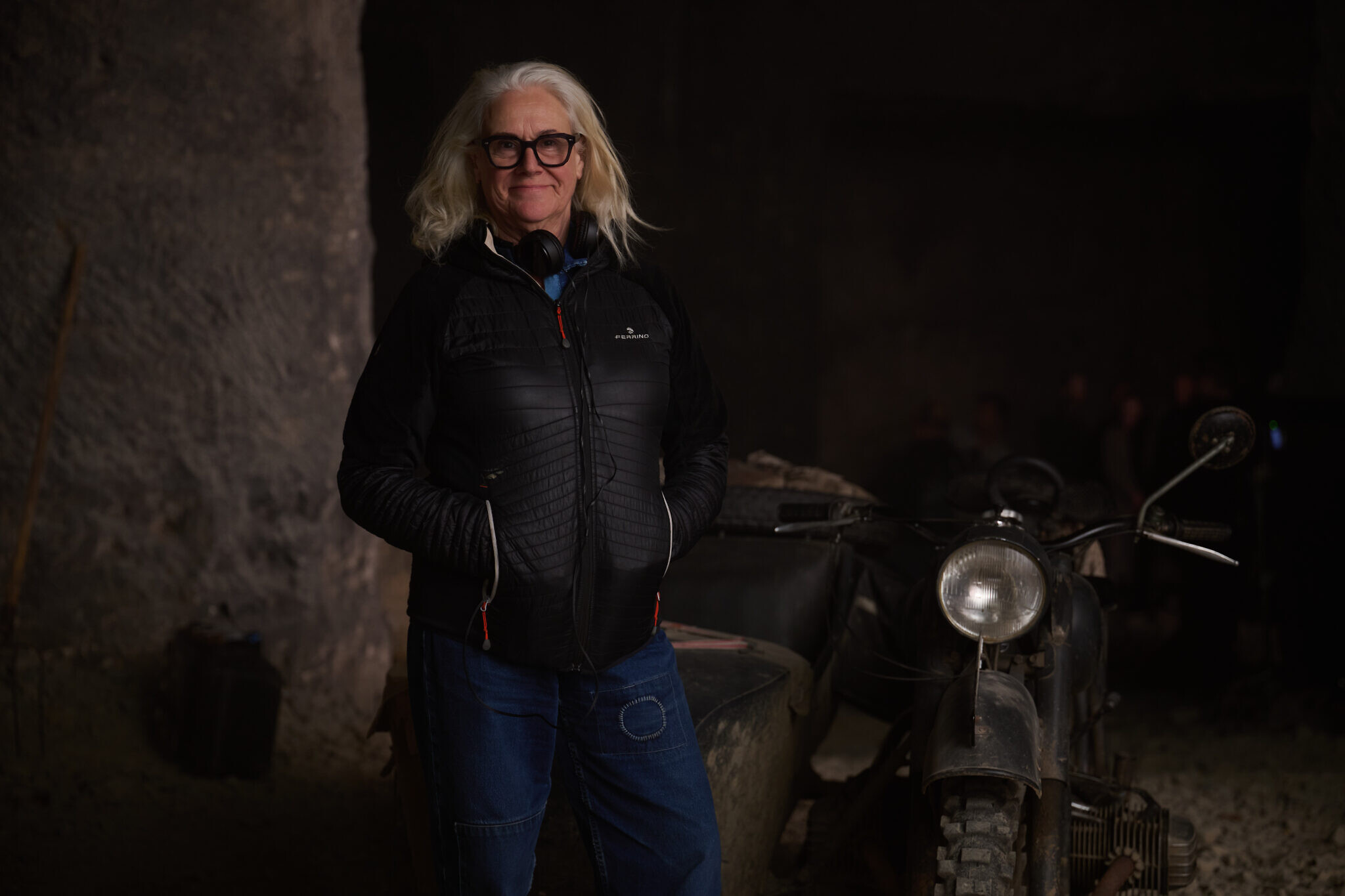
“I started to do a lot of research but I didn’t even realise it was research – I would just read books about World War Two… I became more and more interested in this as the years went by so I was prepped to some extent before I even had to get into the deeper dive of what were we going to show.”
The desperate journey of the title took several years but Jankel, in collaboration with Oscar-nominated screenwriter Michael Radford, manages to make the story work within a runtime of a couple of hours. The real Knoller, who died in 2022 at the age of 100, was involved in the early stages of production and was “thrilled” with what Jankel and her team were doing. She could just as easily be describing my own genial grandfather, a fellow Auschwitz survivor, when she says: “He had the most impish sense of humour, really upbeat. He was a fantastic character.”



Jankel’s own journey has been anything but linear. At the start of her career, she directed music videos for the likes of Elvis Costello and Talking Heads before co-creating the iconic computerised TV presenter character Max Headroom for Channel 4. She has remade a film noir classic, adapted Super Mario Bros for the big screen with Bob Hoskins in the lead and her previous film, 2018’s Tell It to the Bees, was a queer historical drama set in rural Scotland. This is clearly not a filmmaker one can easily pigeonhole but such range was never part of an overarching plan: “It was a conscious decision in as much as I’ve always liked to experiment… I really wanted to explore the medium.”
As a fledgling artist, she was pressured into doing animation at university because of a lack of people on the course coupled with her undeniable drawing ability. She explains: “After about a year, you get hooked on seeing your drawings move so I got waylaid and it took about ten years to come back to live action.” Desperate Journey almost feels like Jankel’s career in microcosm, with a number of disparate elements coalescing to produce something quite unique.
She approached the film as though it was a road movie but the subject matter feels simultaneously timely and timeless. “It’s always relevant to us Jews. I don’t think it ever really leaves us. I remember my father telling me at nine years old at the airport to never hand my papers over to anybody… I was always conscious of this stress level that we carry.”
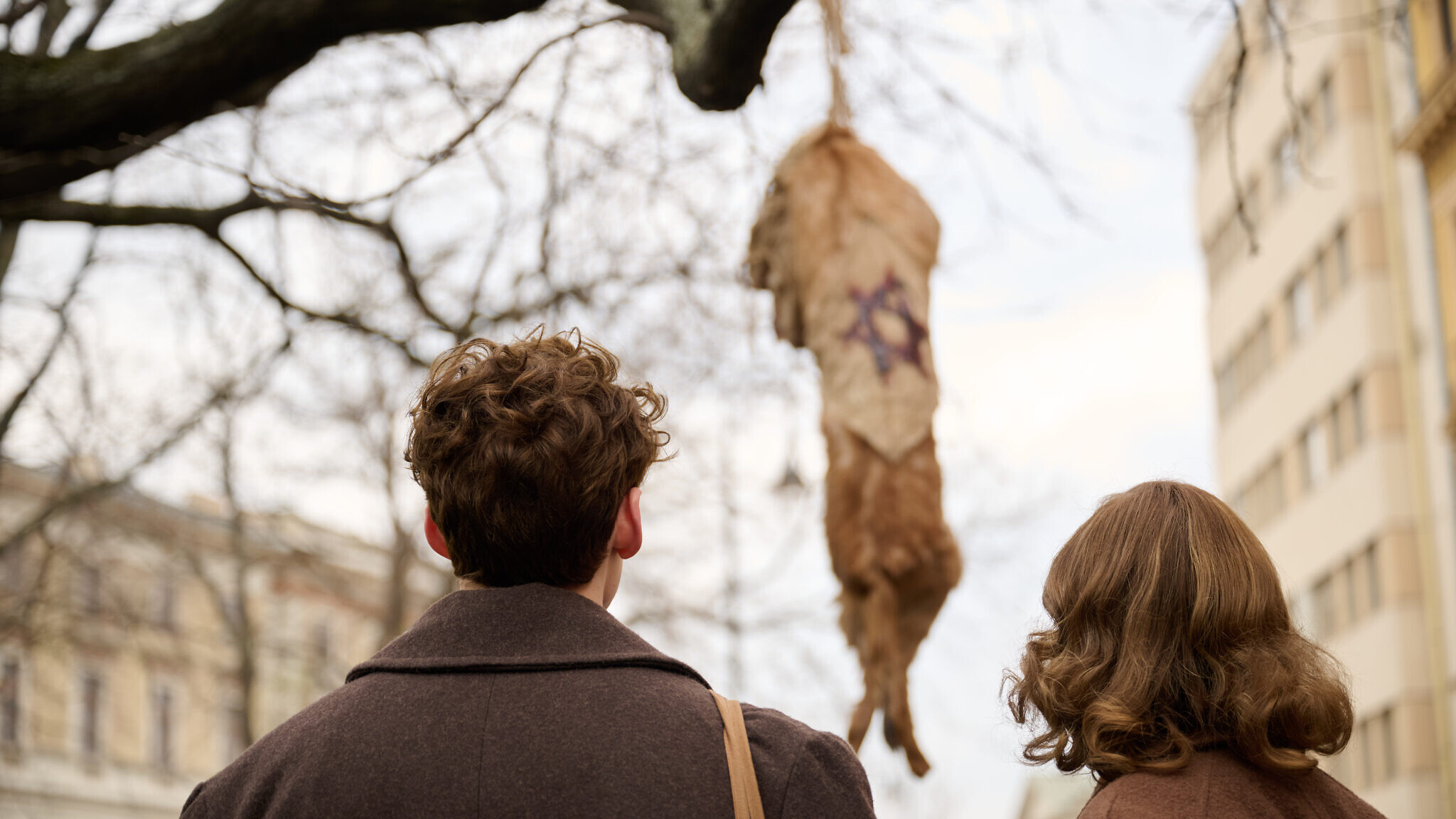
Her intention for the film was an admirable one, inspired as it was by Knoller’s legacy of educating young people and the fact that “the last of the survivors have almost all left us”. Jankel studied the Tudors at school but not the Second World War and feels as though Desperate Journey could help a new generation become aware of the horrors of the Holocaust. Her aim was to make a film “fast-paced enough and stimulating enough to draw in a younger audience”.
Knoller, like my grandfather, survived the camps before living a long life devoted to warning others about the dangers of hatred. He was an upbeat man and thus it is fitting that the biopic is a hopeful film rather than a bitter one. Jankel notes “it’s amazing the way these survivors survived for so long” and, in a very real sense, works like Desperate Journey allow them to continue spreading their message even once they have gone. It might have been 80 years since the liberation of Auschwitz but stories like this one remain as important as ever.
Desperate Journey is in cinemas now

Keep community journalism free.
Jewish News is free for everyone. No paywall. No barriers. Just trusted journalism for anyone who wants to stay connected to Jewish life in Britain.
If you value that, please support us.
From as little as £5 a month, you can help keep our journalism free and accessible to all.
Every day, we report on the issues that matter to our community. We celebrate achievements, support charities, challenge antisemitism and ensure Jewish voices are heard more widely.
From as little as £5 a month, you can help us continue to:
- Report on the stories shaping Jewish life in the UK and beyond
- Bring our community together through shared stories, events and campaigns
- Celebrate the people, culture and moments that define our community
- Support organisations doing vital work across Jewish Britain
You can make a one-off donation or become a regular supporter. Every contribution helps keep our journalism free, independent and accessible to all.
If everyone who values Jewish News gave a small amount, it would make a real difference to our future.