Prefer Jewish News on Google
Stefan Zweig, writer and exile, honoured with English Heritage blue plaque
Austrian Jew commemorated at London home included in Nazi ‘black book' committed suicide in Brazil in 1942
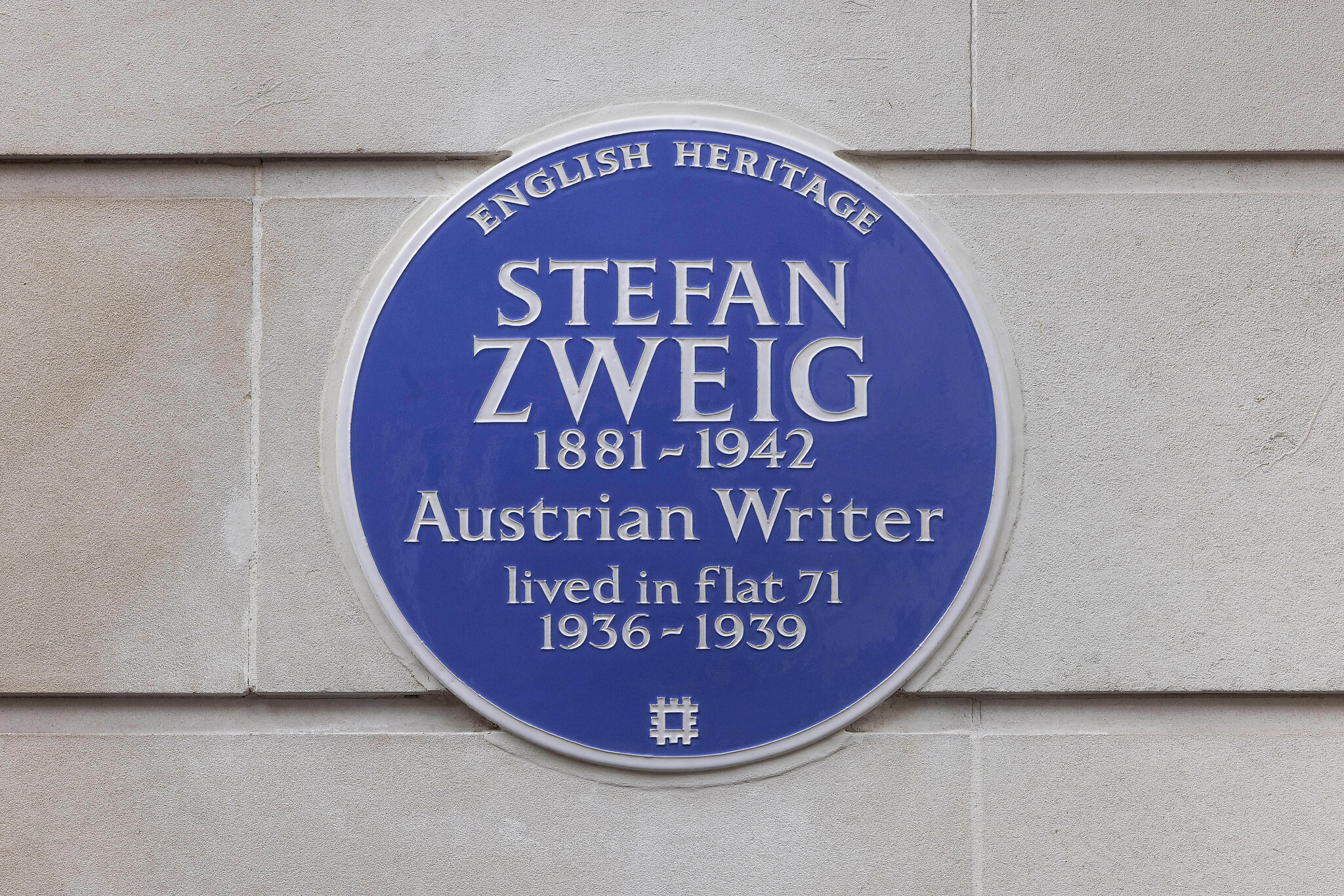
One of the most widely read authors of the inter-war period has been commemorated with an English Heritage blue plaque at his former London home in Marylebone.
Acclaimed Austrian Jewish writer Stefan Zweig (1881–1942) lived in flat 71 in a newly built apartment block at 49 Hallam Street from 1936 to 1939, having fled Austria as the Nazi regime rose to power.
Chillingly, Zweig’s name and address were included in the Nazi regime’s so-called “Black Book” – a list of individuals to be arrested in the event of a successful invasion of Britain.
More than 30 blue plaque recipients appear on the infamous list, but Zweig’s Hallam Street flat is one of only two plaque locations to be explicitly named, the other being the home of H. G. Wells.
Blue Plaques historian at English Heritage, Dr Susan Skedd, said: “This plaque marks Stefan Zweig’s time in London, when, living in exile, he continued to write works that engaged deeply with the experience of displacement and cultural loss. Much of his research was carried out in the reading room at the British Museum, which was a short walk away, and his own literary collection is now held by the British Library. Zweig’s writing has had a lasting influence on European literature, particularly the literature of exile.”



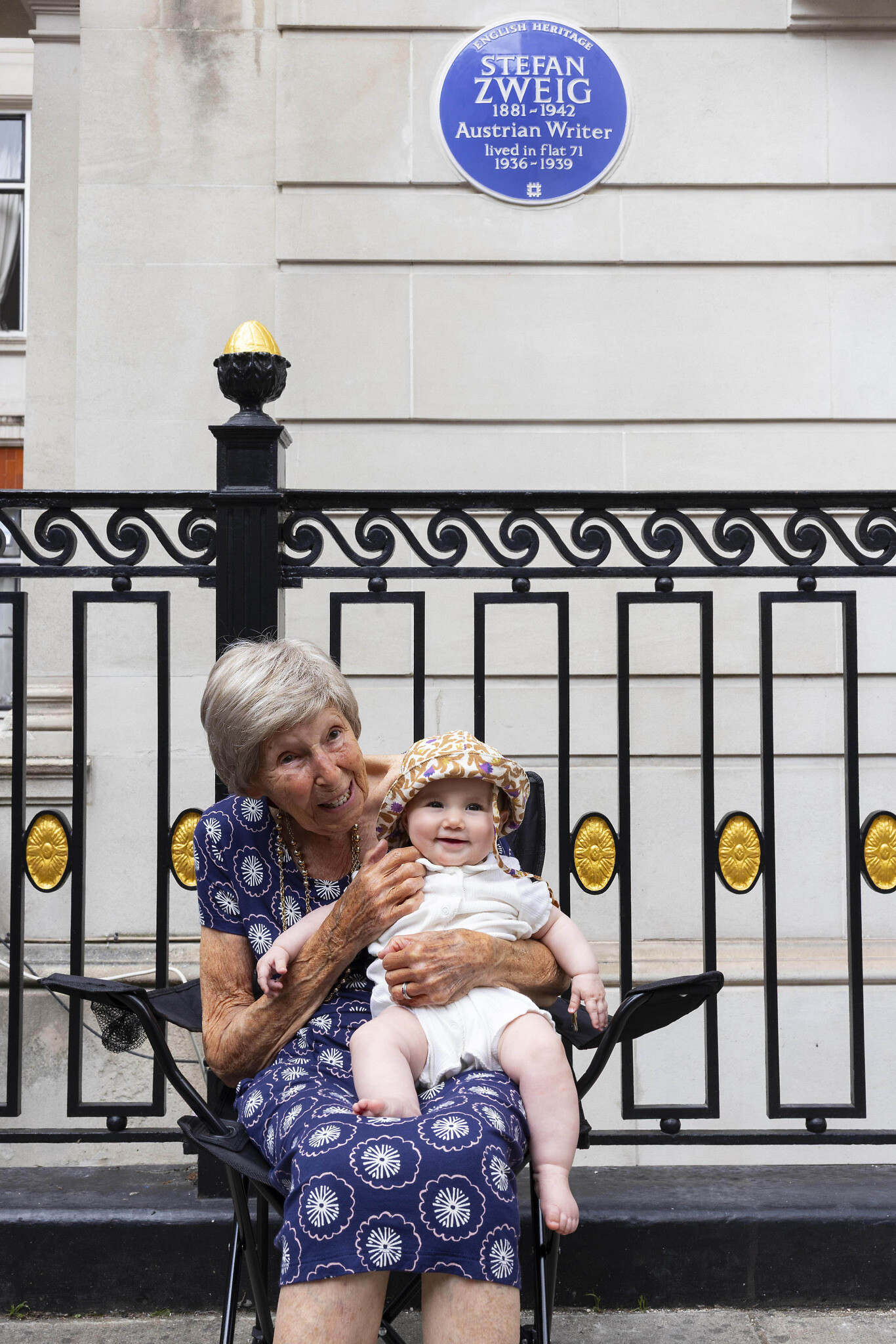
Austrian State Secretary Sepp Schellhorn said: “Stefan Zweig has rarely felt more relevant than he does today. Forced into exile by antisemitism, he found in Britain not simply safety, but the freedom to remain himself.
“As we honour the author of The World of Yesterday, we are reminded that the world of tomorrow depends on the values he never stopped defending: openness, humanity, and curiosity. Austria remembers with deep gratitude the generosity Britain showed in one of Europe’s darkest hours by helping preserve not only one of our greatest writers, but one of Europe’s greatest voices.”
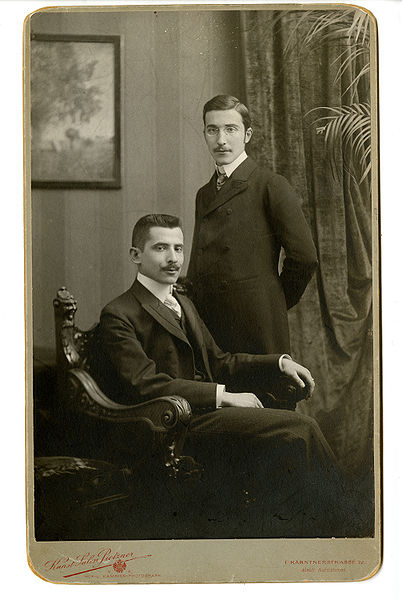
Born into a Jewish family in Vienna in 1881, Zweig’s father, Moritz (1845–1926), was a wealthy textile manufacturer and his mother, Ida Brettauer (1854–1938), was the daughter of an established Jewish banking family.
Married twice, first to Friderike Maria von Winternitz and later to his secretary, Lotte Altmann, who was also a Jewish refugee, Zweig became a major literary figure whose works – including Letter from an Unknown Woman (1922) and Twenty-Four Hours in the Life of a Woman (1927) – were translated into dozens of languages.
These two novels, along with all of Zweig’s pre-1933 writings, were among the many books that were burned in Austria in the 1930s. In 1935 he penned a biography of Mary Stuart.
His later novels included Beware of Pity (1938); written and published while living in Hallam Street, this novel – alongside his posthumously published The Post Office Girl (1982) – would later inspire Wes Anderson’s film Grand Budapest Hotel (2014).
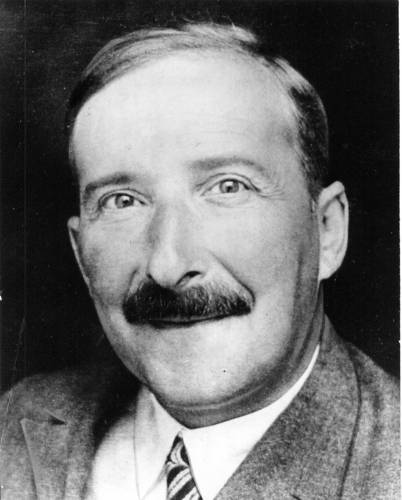
Speaking about Stefan Zweig, Wes Anderson said: “I had never heard of Zweig – or, if I had, only in the vaguest ways – when I chanced upon a copy of Beware of Pity. I loved this first book and immediately read The Post Office Girl. I sort of stole elements from both these books for The Grand Budapest Hotel. There are characters in the film that are vaguely meant to represent Zweig himself, in fact, M. Gustave, the main character who is played by Ralph Fiennes, is modelled significantly on Zweig.”
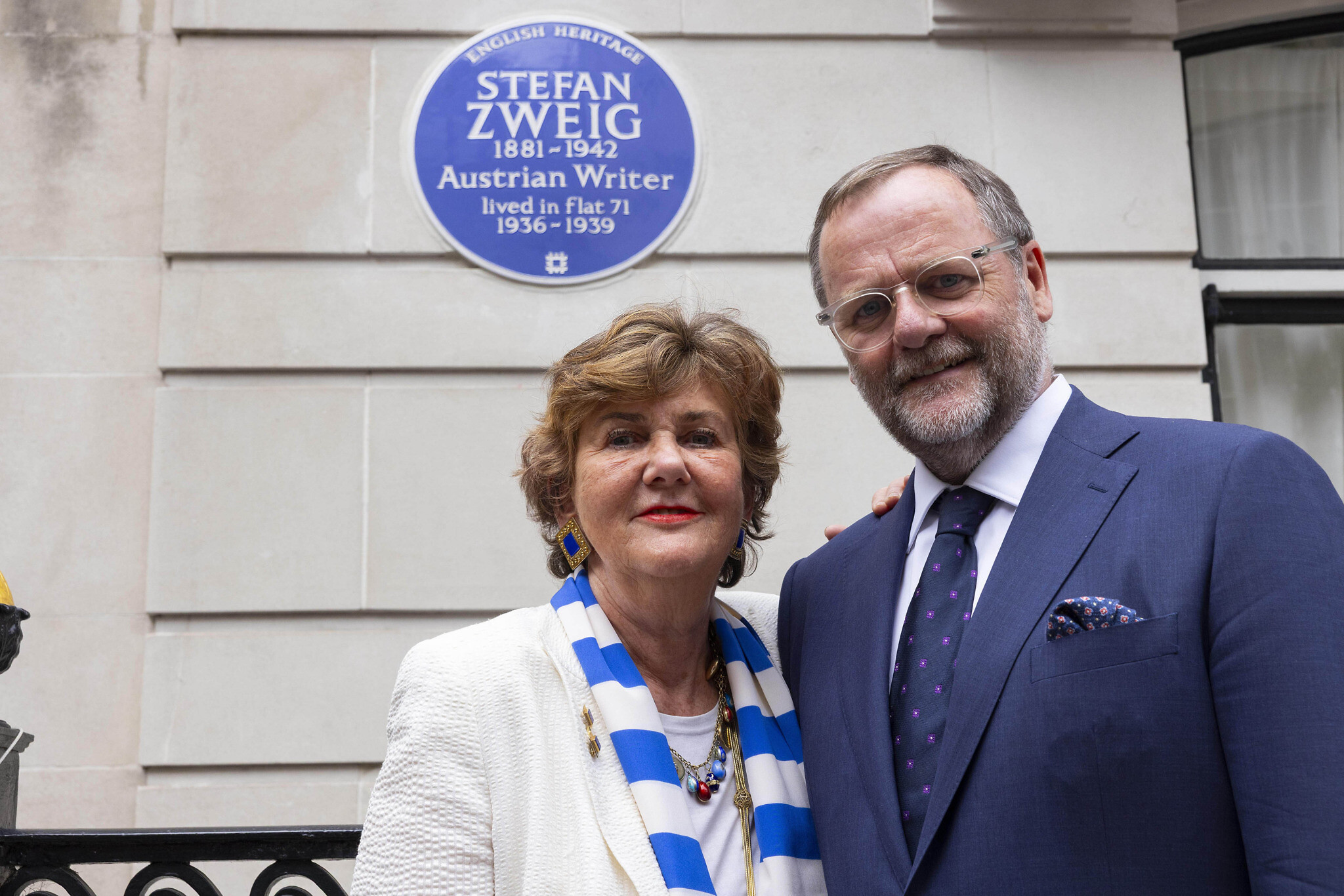
Zweig, who described himself as ‘a citizen of the world’, left the UK for New York in 1940 and eventually settled in Brazil. Despite the geographical distance, he became profoundly depressed at the worsening political situation in Europe. The day after he completed his autobiography, The World of Yesterday, he and his wife Lotte both took an overdose and died on 23 February 1942.
An initial bid to commemorate Zweig with a Blue Plaque was rejected by English Heritage in 2012.

Keep community journalism free.
Jewish News is free for everyone. No paywall. No barriers. Just trusted journalism for anyone who wants to stay connected to Jewish life in Britain.
If you value that, please support us.
From as little as £5 a month, you can help keep our journalism free and accessible to all.
Every day, we report on the issues that matter to our community. We celebrate achievements, support charities, challenge antisemitism and ensure Jewish voices are heard more widely.
From as little as £5 a month, you can help us continue to:
- Report on the stories shaping Jewish life in the UK and beyond
- Bring our community together through shared stories, events and campaigns
- Celebrate the people, culture and moments that define our community
- Support organisations doing vital work across Jewish Britain
You can make a one-off donation or become a regular supporter. Every contribution helps keep our journalism free, independent and accessible to all.
If everyone who values Jewish News gave a small amount, it would make a real difference to our future.