Story of Windermere Boys told in special episode of Digging for Britain
BBC Four programme exploring artefacts from the Second World War includes segment on archaeological dig at Calgarth Estate
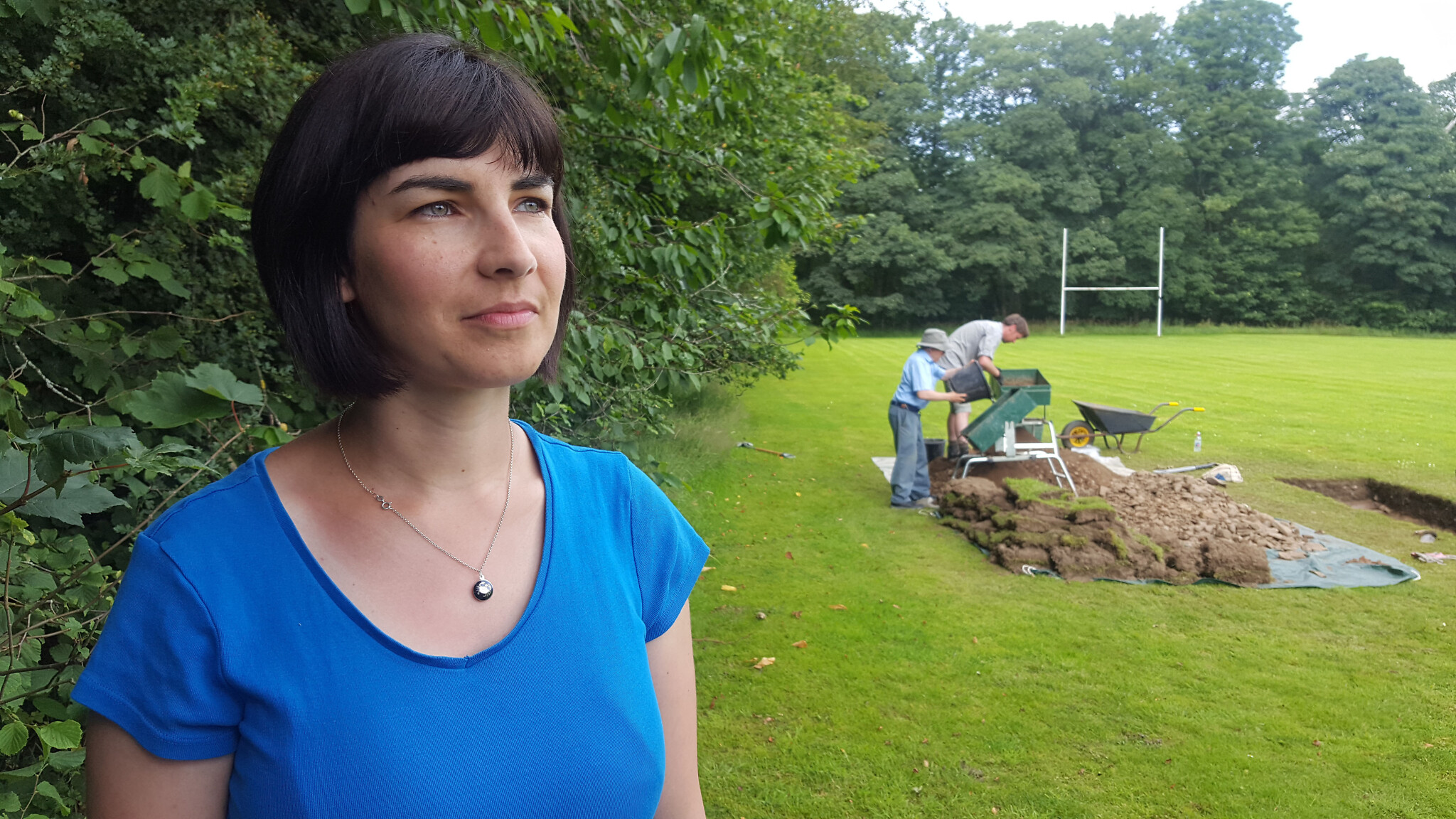
The story of a site in the Lake District once home to hundreds of orphaned children liberated from Nazi camps has been told in an episode of Digging for Britain airing on BBC Four on Wednesday.
Some 300 child survivors, known as the “Windermere Boys”, were taken in 1945 to recuperate in since-demolished hostels originally built for local aircraft factory workers.
Over the summer, a team of archaeologists spent two weeks excavating the site at Calgarth Estate, now a school, searching for potential artefacts below ground.
The dig, conducted with funding from the Heritage Lottery Fund, is explored in a segment of the Digging for Britain episode, which is dedicated to the Second World War and artefacts from the period.
The episode, presented by professor Alice Roberts, will be broadcast on BBC Four on 11 December from 9pm.


Keep community journalism free.
Jewish News is free for everyone. No paywall. No barriers. Just trusted journalism for anyone who wants to stay connected to Jewish life in Britain.
If you value that, please support us.
From as little as £5 a month, you can help keep our journalism free and accessible to all.
Every day, we report on the issues that matter to our community. We celebrate achievements, support charities, challenge antisemitism and ensure Jewish voices are heard more widely.
From as little as £5 a month, you can help us continue to:
- Report on the stories shaping Jewish life in the UK and beyond
- Bring our community together through shared stories, events and campaigns
- Celebrate the people, culture and moments that define our community
- Support organisations doing vital work across Jewish Britain
You can make a one-off donation or become a regular supporter. Every contribution helps keep our journalism free, independent and accessible to all.
If everyone who values Jewish News gave a small amount, it would make a real difference to our future.