Prefer Jewish News on Google
The Bible Says What? ‘Don’t mix wool and linen, except in tzitzit’
Rabbi Sylvia Rothschild reflects on a controversial subject in the Torah
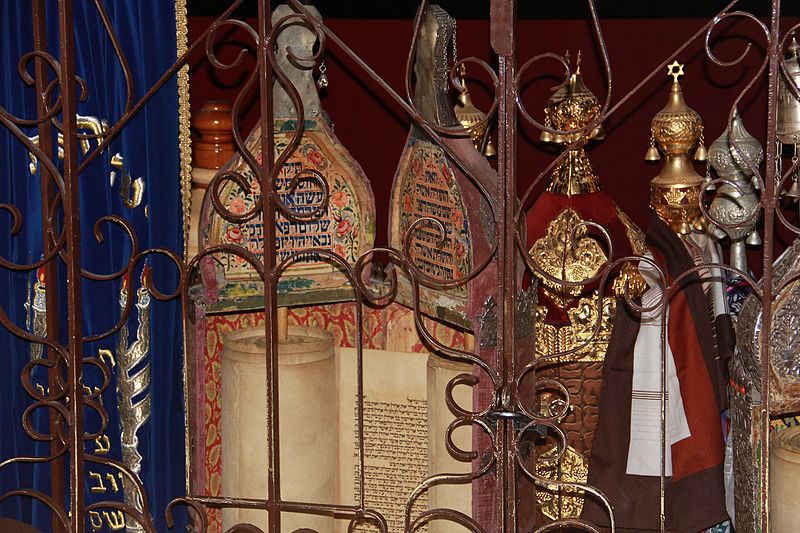
In the Bible we find a whole series of laws that delineate boundaries, including men and women not wearing clothes of the opposite gender, vineyards not sown with two kinds of seed, an ox and ass not ploughing together, and clothing not made sha’atnez, with mixed fibres of wool and linen.
Sha’atnez is one of the most mystifying of biblical laws, coming into the category of Hok –something without rational explanation.
Even the word appears to have entered the language from outside of Hebrew and rabbinic Judaism tries several ways to explain the different words it is apparently created from – a great irony given the fact that the prohibition is all about mixing.
The mitzvah is limited to not wearing garments containing a mixture of wool and linen – any other mixed fibres are acceptable – and Maimonides suggests it is because pagan priests wore this mixture in their ceremonial robes.
Interestingly, the only case where the two fibres are permitted is in tzitzit, where woollen threads can be attached to a linen garment or even be woven together, and the clothes of biblical priests also include mixed wool and linen, so it seems that there is indeed a sense that these two fibres together have a spiritual quality that cannot be used in more mundane clothing.



For some of us sha’atnez is a mystifying prohibition with little ethical or spiritual meaning, but sha’atnez continues to be observed in more traditional communities, with laboratories specialising in checking the fibres in clothing or material for those who observe this mitzvah.
How can we as Progressive Jews approach this mitzvah? One way would be to consider what makes our clothing a fitting expression of our spirituality and values, and considering what clothing we should avoid.
In a modern context we might check our clothing is not made in sweatshops, that the natural fibre is fairly traded, or that the material and its journey from fibre to wardrobe doesn’t add to the burdens on our climate.
Sha’atnez reminds us that even our everyday clothing can be holy.
Rabbi Sylvia Rothschild has been a community rabbi in south London for 30 years

Keep community journalism free.
Jewish News is free for everyone. No paywall. No barriers. Just trusted journalism for anyone who wants to stay connected to Jewish life in Britain.
If you value that, please support us.
From as little as £5 a month, you can help keep our journalism free and accessible to all.
Every day, we report on the issues that matter to our community. We celebrate achievements, support charities, challenge antisemitism and ensure Jewish voices are heard more widely.
From as little as £5 a month, you can help us continue to:
- Report on the stories shaping Jewish life in the UK and beyond
- Bring our community together through shared stories, events and campaigns
- Celebrate the people, culture and moments that define our community
- Support organisations doing vital work across Jewish Britain
You can make a one-off donation or become a regular supporter. Every contribution helps keep our journalism free, independent and accessible to all.
If everyone who values Jewish News gave a small amount, it would make a real difference to our future.