Prefer Jewish News on Google
The Jewish Square Mile and 1000 years of history
SPECIAL REPORT: Ambitious interfaith project celebrates the Jews who lived and worked in medieval London

Deep under the brutalist architecture of the City of London’s Barbican complex lies a 1,000-year-old Jewish cemetery, whose medieval story is at the forefront of an ambitious new exhibition thanks to the dedication of a determined group of volunteers and a grant from the Corporation of London.
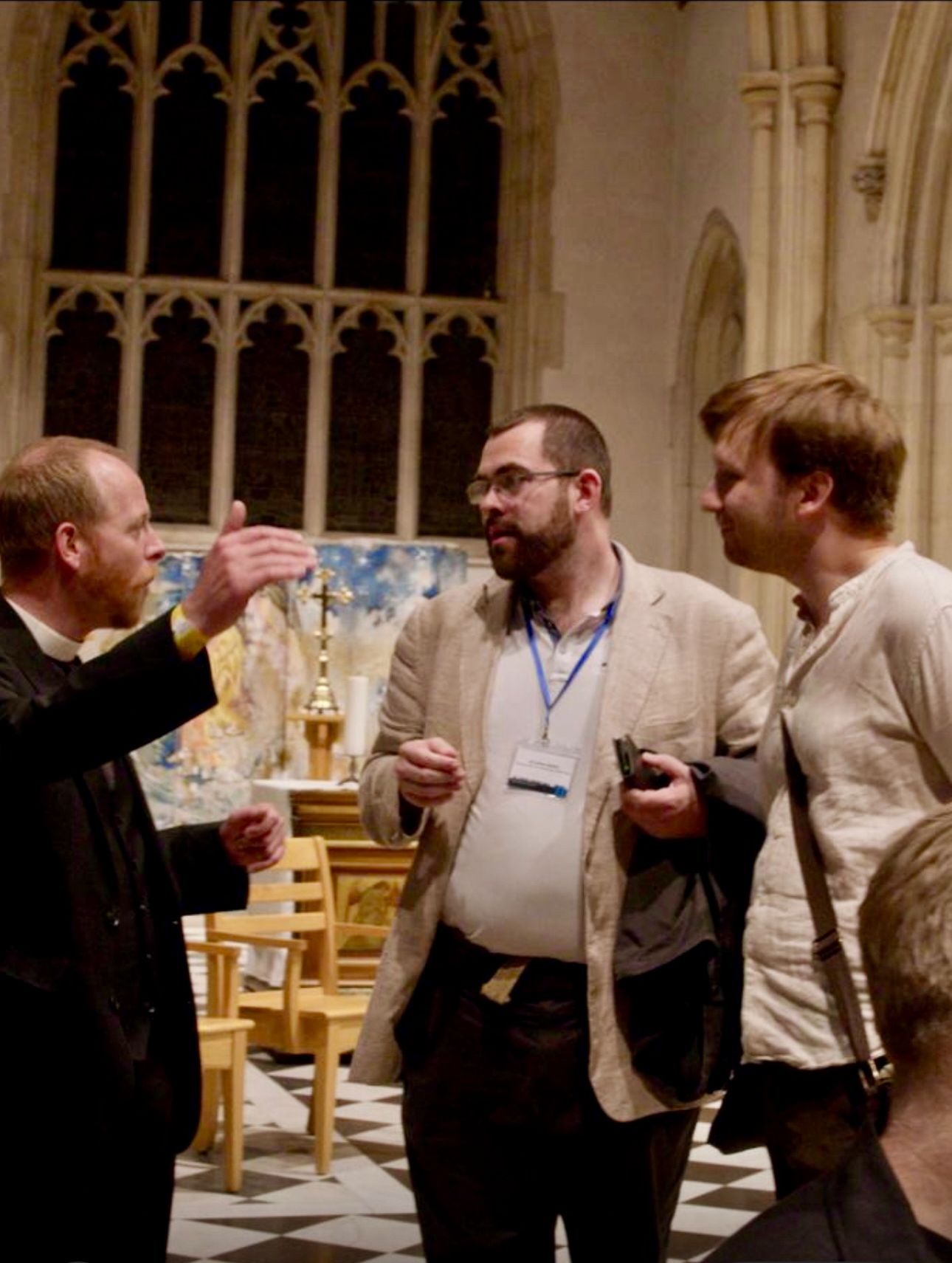
The Jewish Square Mile Project is the brainchild of an interfaith group launched companionably over afternoon of tea and biscuits at St Giles’ Rectory, hosted by The Reverend Canon Jack Noble of St. Giles Cripplegate.
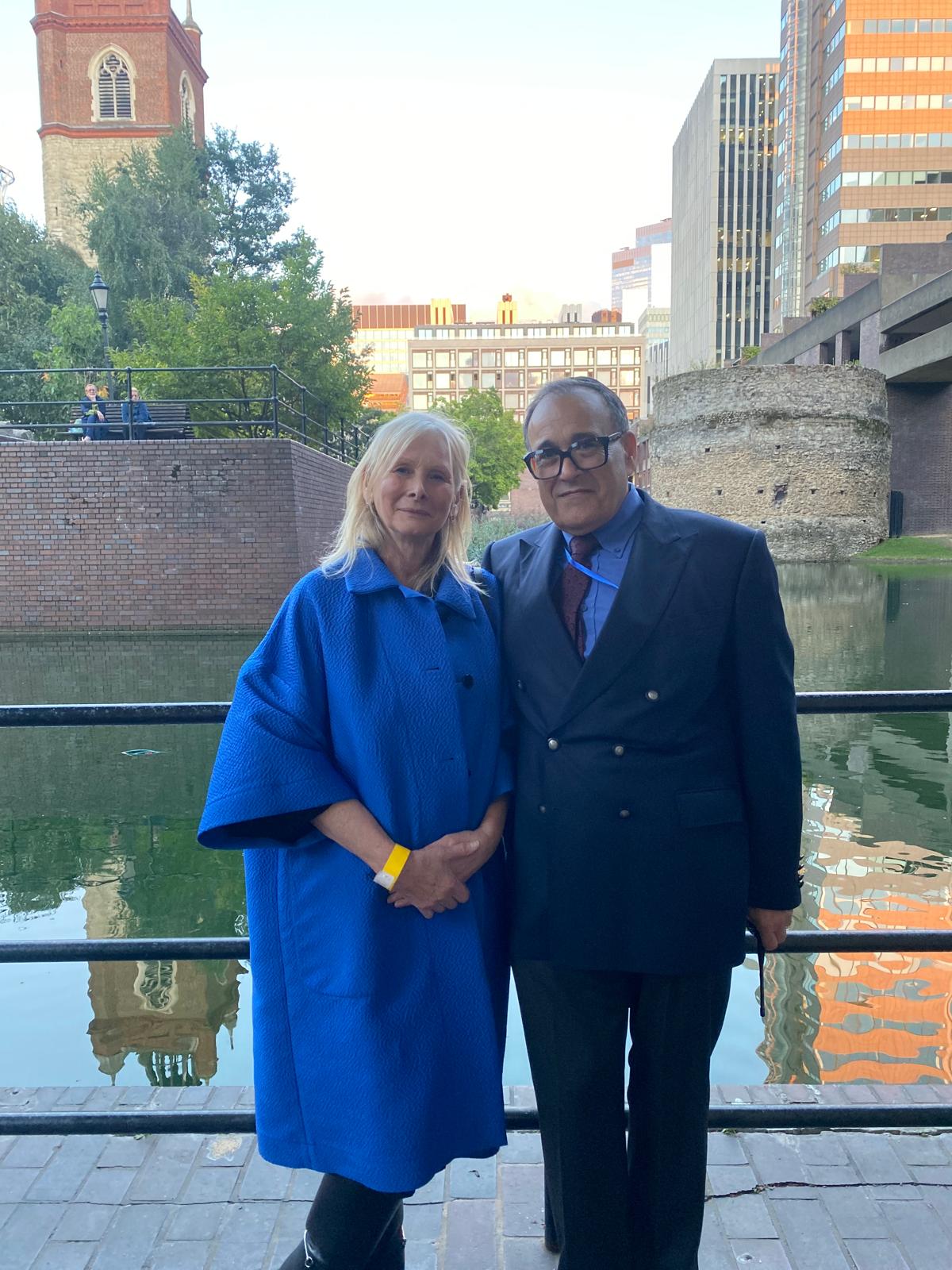
It is led by founders Howard and Gaby Morris together with trustees Susannah Cohen and architect Jan-Marc Petroschka and comprises people who live and work in and around the Barbican area, including writers, researchers, geo spacial scientist Jonathan Gat, designer Lee Simmons and composer Amanda Dean.
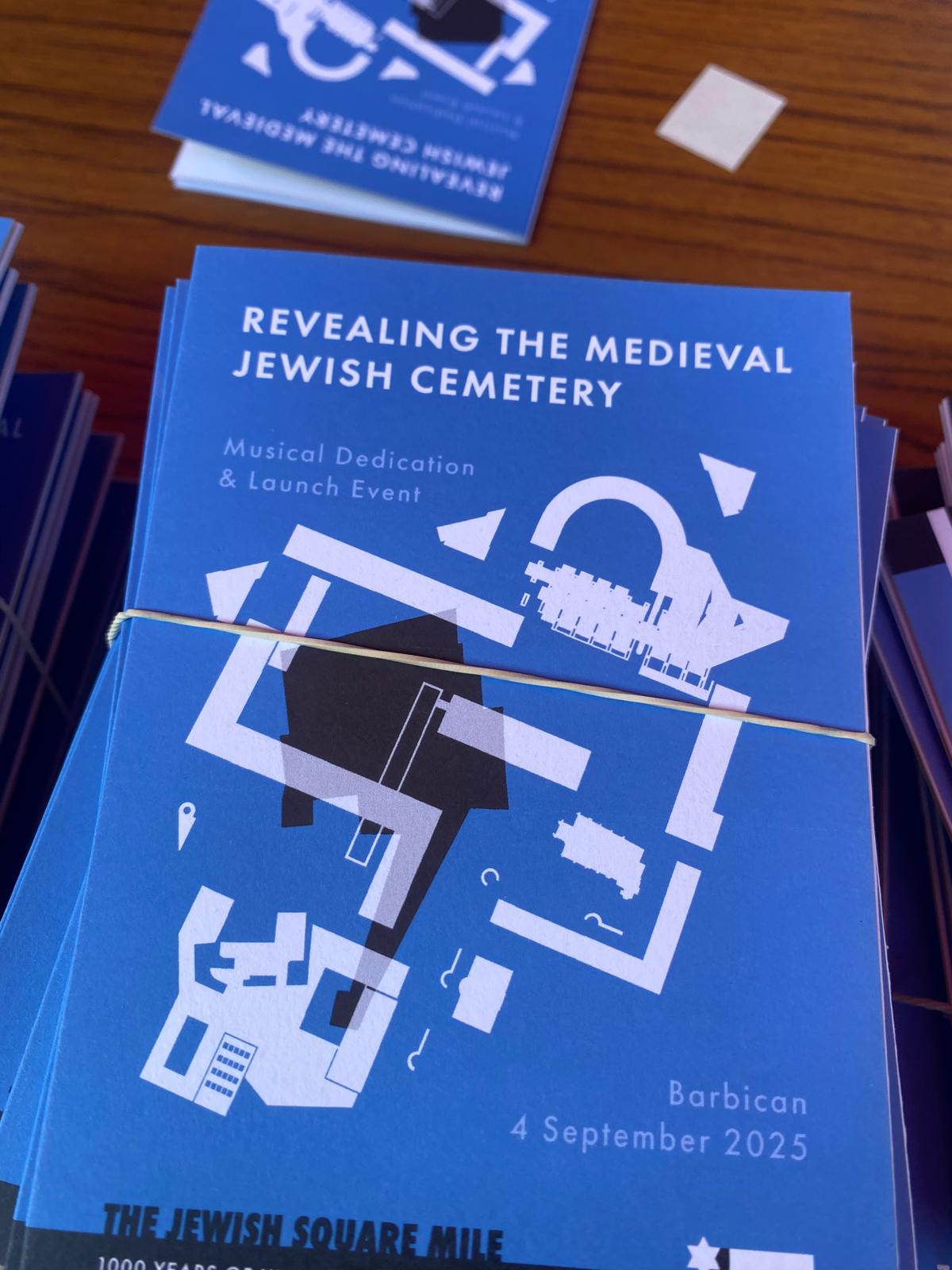
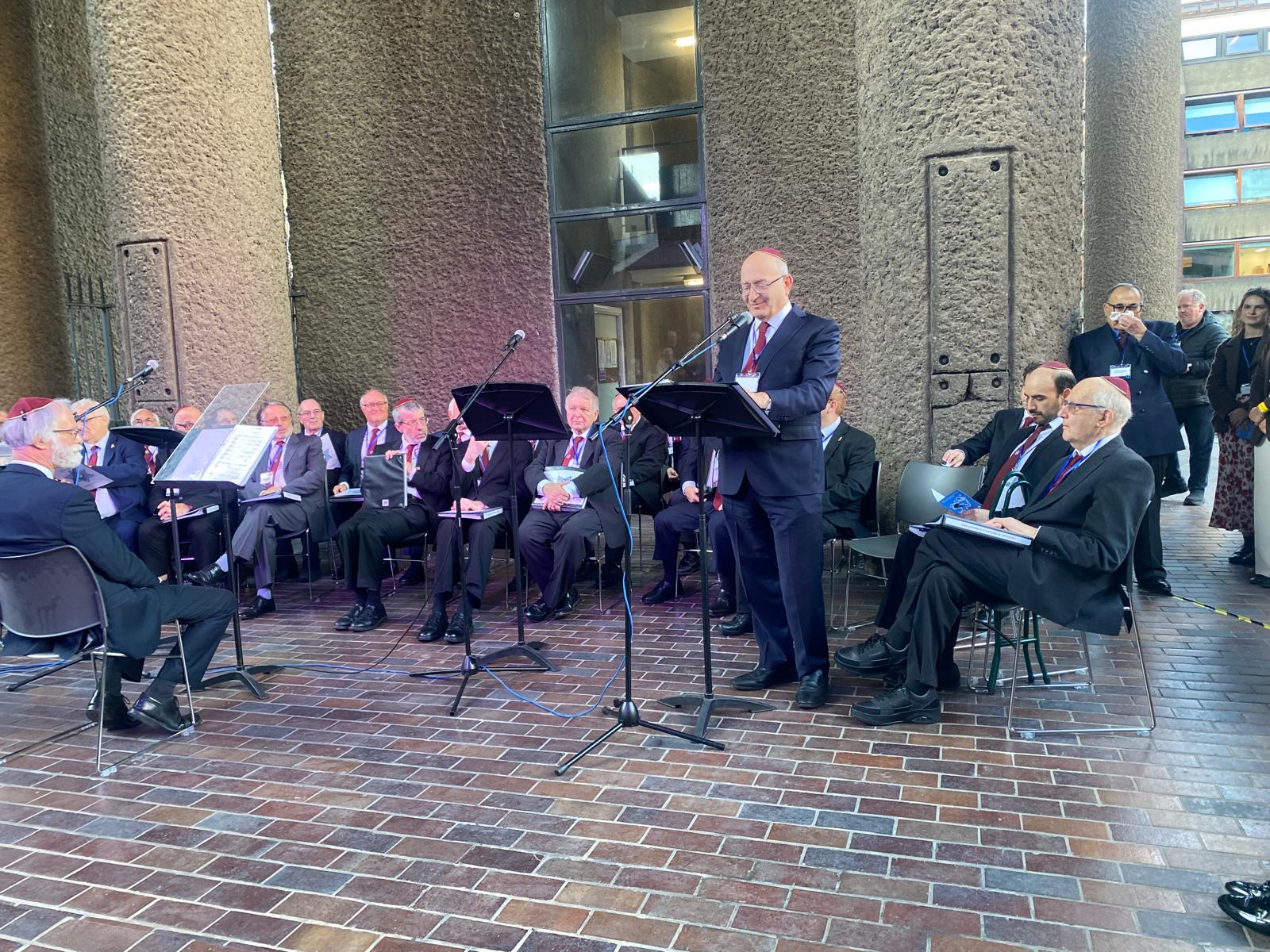
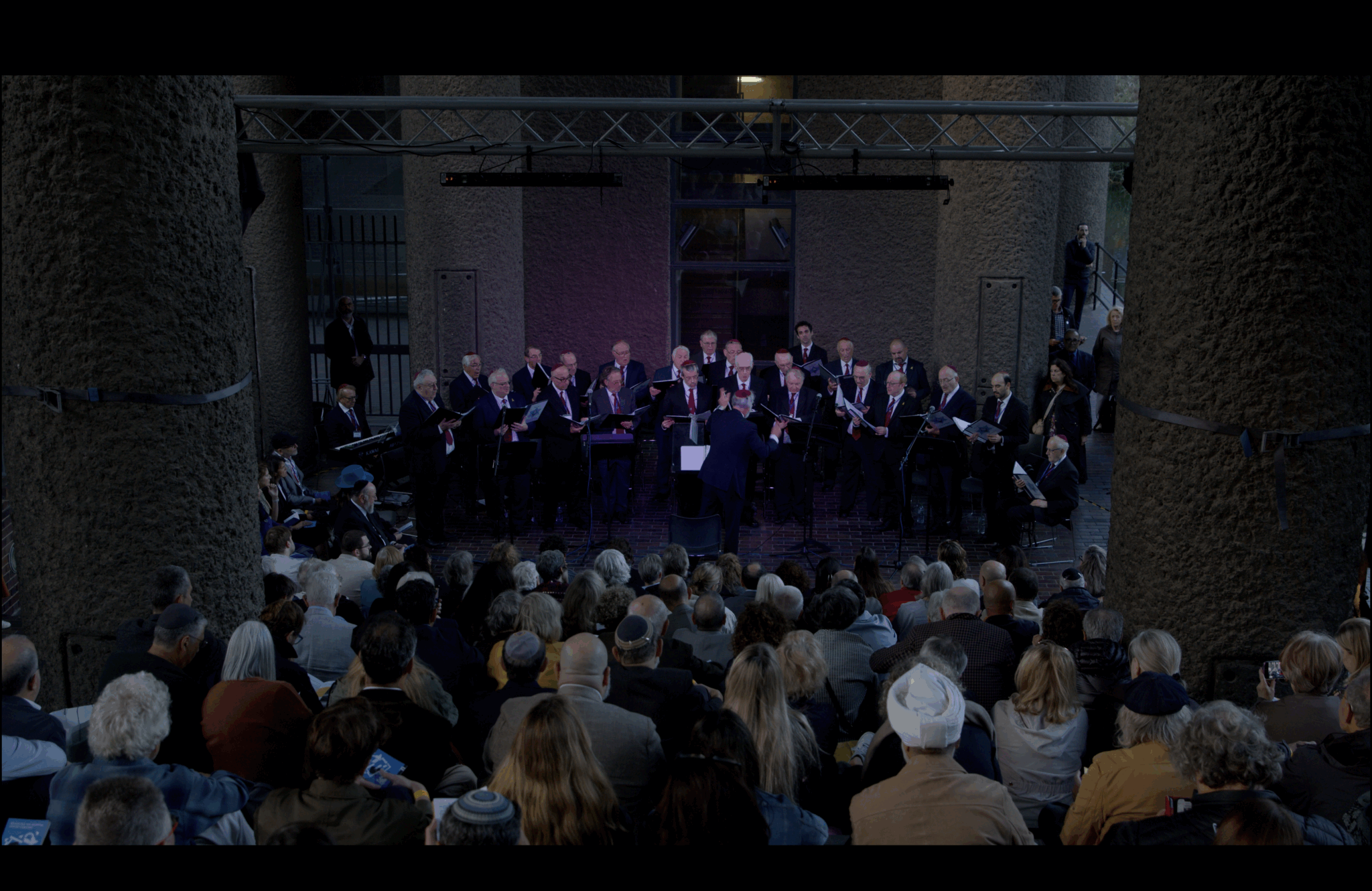
Their hopes to renew interest by revealing the site of the burial ground and casting fresh light on the lives of medieval Jewry culminated in an official launch on 4 September against the moody backdrop of the Moat Theatre, next to City of London School for Girls.
In attendance were the London Cantorial Singers, who performed a range of historic psalms and hymns, Chief Rabbi Sir Ephraim Mirvis, the Bishop of London, Rachel Blake MP, Rabbi Shalom Morris of Bevis Marks and Rose Edmunds and Harvey Rifkin of Sandys Row Synagogue, together with renowned history professor Miri Rubin, whose enthusiasm is inspiring a new generation of medieval Anglo-Jewish historians.
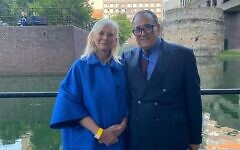


The Barbican Estate’s Thomas More Garden marks the furthest southwards extent of the Jewish cemetery, the first Jewish burial ground in England, which existed until the Jews’ expulsion from the country in 1290. After that, the cemetery and the generations buried in it were neglected, desecrated and then forgotten.
Describing the event as “standing amongst the stones of memory listening to voices that still speak to us,” Howard Morris called the exhibition one which “restores to the heart of London a community too long hidden in the shadows of history. Nearly 1000 years ago, London’s first Jewish community lived just streets away. They traded in Cheapside, prayed near old Jewry and buried their dead beneath what is now the Barbican.”
He added that while their story is “often told in terms of tragedy, the Blood Libel, the persecutions and finally the Expulsion, “these events are not the whole story.
“For more than two centuries, Jewish Londoners lived, worked and learned. Here they were physicians and poets, scholars and finances, mothers and children, they wrote letters to Paris and Bologna, copied Hebrew prayers that still survived. They stood before England’s court to assert their rights and prayed for Yerushalayim even as they built their lives in the narrow streets of medieval London.”
Morris credits the success of the project to the vision of Father Jack, “animated by a remarkable team of volunteers, none of us trained historians or medievalists, but all driven by curiosity and determination, with the guidance of our academic leads, Dr Roy McLellan and Dr Dean Irwin.”
Together, they pieced together fragments from chronicles, legal roles and Hebrew texts and in doing so recovered voices silenced nearly 750 years ago,
Whilst neither are Jewish, Irwin and Maclellan specialise in the study of medieval Jews.
Dr Irwin, based at the University of Lincoln, says that “at the peak” in or around the year 1200, there were about 5,000 Jews living in London. For a long time that was the only place that Jews lived in England, but slowly groups of Jews moved to other cities.
Though one might suppose there would be limited written material relating to medieval Jews, Dr Irwin says the reverse is the case. “There’s actually so much material that nobody has really looked at before.” Much of the documentation is in Latin but there are a few papers in Hebrew — and this is the first surprise, that Jews played a large part in the bureaucracy of 11th to 13th century England.
Where necessary, Jews held official positions for, for example, the collection and processing of taxes, and in some cases they would write their authorisations in Hebrew.
Historians have always known of the existence of the Barbican cemetery, says Dr Irwin; in fact, documents in the 17th century refer to it. “It was excavated, to some extent, in the post-Second World War period. So it was forgotten rather than unknown.”
We know about the site in the first place because of a series of land grants “which survived in the register of the Goldsmiths guild”, showing how the Jews were allocated the land to construct the cemetery.
Dr Irwin says the site will serve as a landmark for the Jewish community, not least in 2040, which will mark the 750th anniversary of the expulsion.

We are used to thinking of medieval Jews as a persecuted minority, living precarious lives and avoiding pogroms over accusations of blood libel. But both Dr Irwin and Dr Maclellan say that in fact, Jews and Christians lived side by side in relative harmony. “This doesn’t come as a surprise — particularly in London”, says Dr Irwin.
“London was even then multi-cultural and Jews were actually there for a lot longer than many migrant communities. In fact, we have very little evidence of Jews being attacked by their neighbours, or belief in anti-Jewish allegations. Most of the time, they lived together amicably. A lot of the instances of persecution come from external forces, of young men coming from outside a town and massacring the Jews.”
Dr Rory Maclellan was formerly based at the Tower of London and is now a medieval Jewish historian at the British Library.
He says the cemetery, and what it represents in terms of the Jewish community of the 12th-13th centuries, has “slipped from public memory”. He was previously involved in a major project about the Jews who lived at the Tower of London, and says many of his friends and colleagues were simply unaware of the existence of a medieval Jewish community.
Nevertheless, he says that “for a small community in terms of numbers,” they had a bigger impact than might be expected.
Some, he says, “became fabulously wealthy, and ended up playing an important role in royal finances and in political talking points as well. All the major towns in England would have a Jewish population. And Dean [Irwin] has shown that even after the expulsion, the memory of the Jews hung around for quite a long time, Christians would talk about the districts where they had lived”.
The Jews, in those crucial 200 years, “were the only known, significant non-Christian population in medieval England. But there were a lot of people who could be classified as ‘not English’: Normans who came in 1066, people from Brittany and from Flanders — and people from Wales, Ireland and Scotland.”
Popular belief is that money-lending was the Jews’ chief trade. “That’s because”, says Dr MacLellan, “it was money-lending which generated the most documents — “and you would want to keep those documents because you’d want to be repaid.”
But actually, he says, the academic consensus today is that only a minority of Jews were money-lenders as their main income. Many more were likely to do a bit of low-level lending on the side of their regular professions, such as traders, scholars and those who worked for the Crown.
“And then there are those who aren’t going to show up in the documents because they were at the poor end of society and aren’t going to leave as much documentation — Jews who worked as servants, craftspeople, labourers, butchers, nursemaids”.
What we have come to think of as traditional Jewish professions — tailors and jewellers and furriers — are unlikely to have been a choice because, says Dr Maclellan, “those trades were regulated by guilds, and Jews were not allowed to be members of the guilds.”
There is only one known instance of a Jew joining a guild —“and it provoked a riot”. This was Benedict of Winchester, who joined the city’s merchant guild. “It doesn’t seem to have been tied to a particular trade. He owned a warehouse in Southampton at one point, so perhaps he was importing or exporting goods of some kind through the port there. He also did some moneylending, like his more famous mother, Licoricia of Winchester”.
The medieval Jews did not live where the cemetery was, not least because a Jewish cemetery must be sited outside the city walls. Instead they lived in surrounding neighbourhoods — such as the district known today as St Lawrence Jewry. Today there is a plaque near Guildhall marking the site of a medieval synagogue.
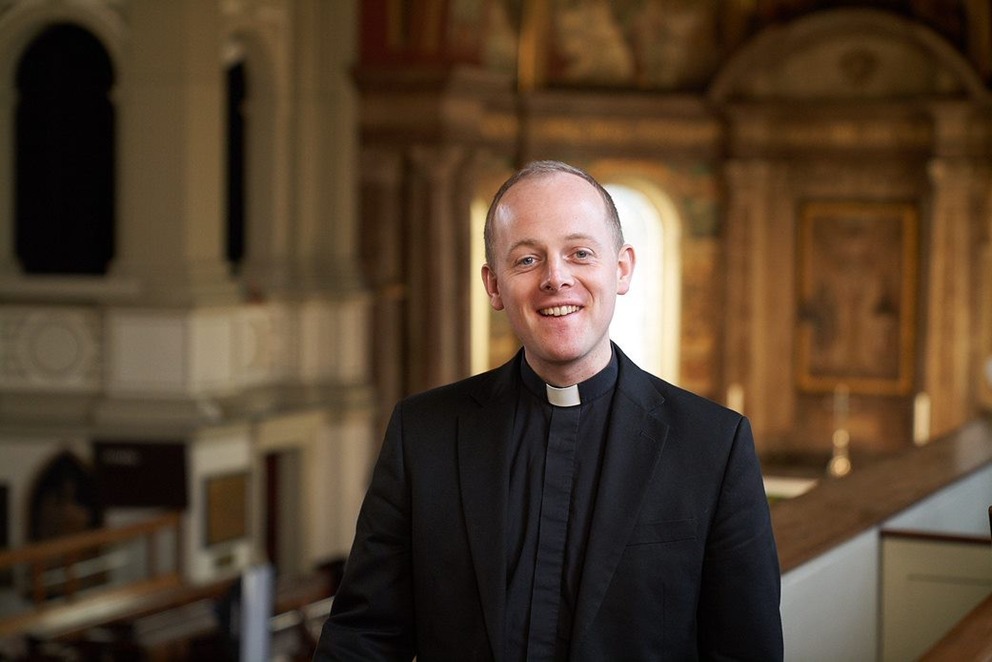
The Reverend Canon Jack Noble of St. Giles Cripplegate has high hopes for the exhibition to go onto other partners in the City.
“What I didn’t know was how exciting and wonderful we would find the experience of learning this story, of celebrating each other and our common story as people of this neighbourhood.”
He adds: “It feels like a really wonderful opportunity to celebrate a piece of national heritage that the Jewish community of today and of yesterday get to give.”
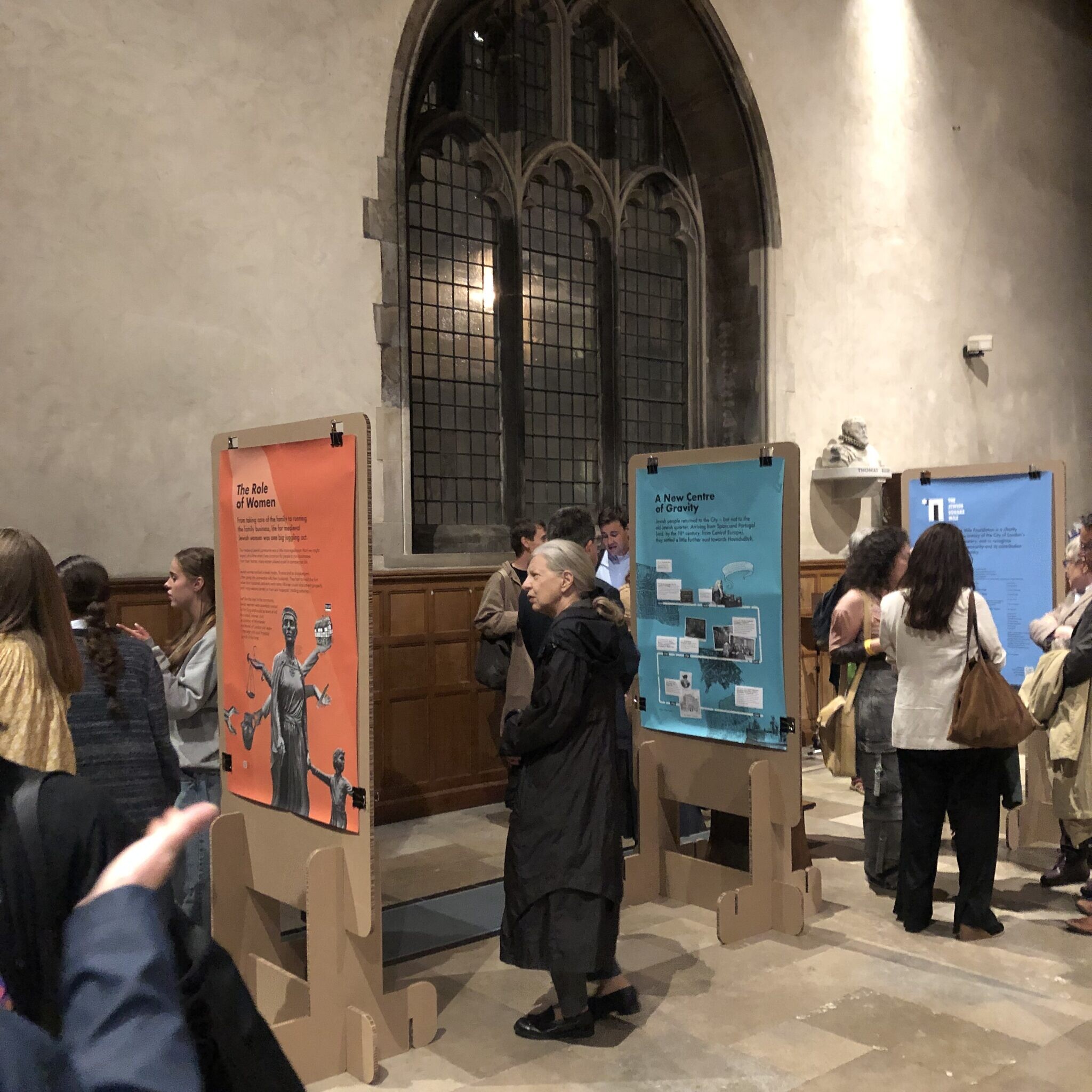
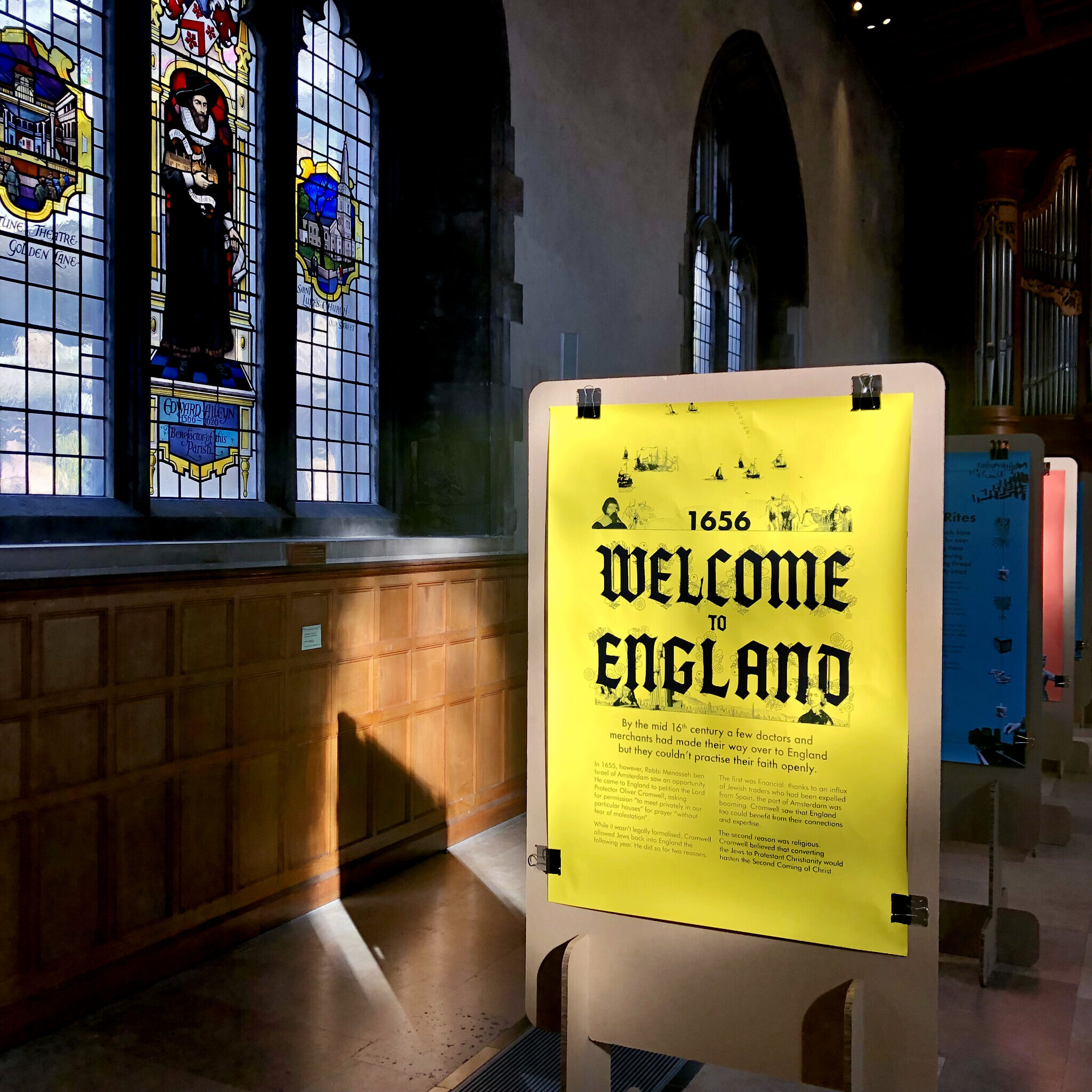
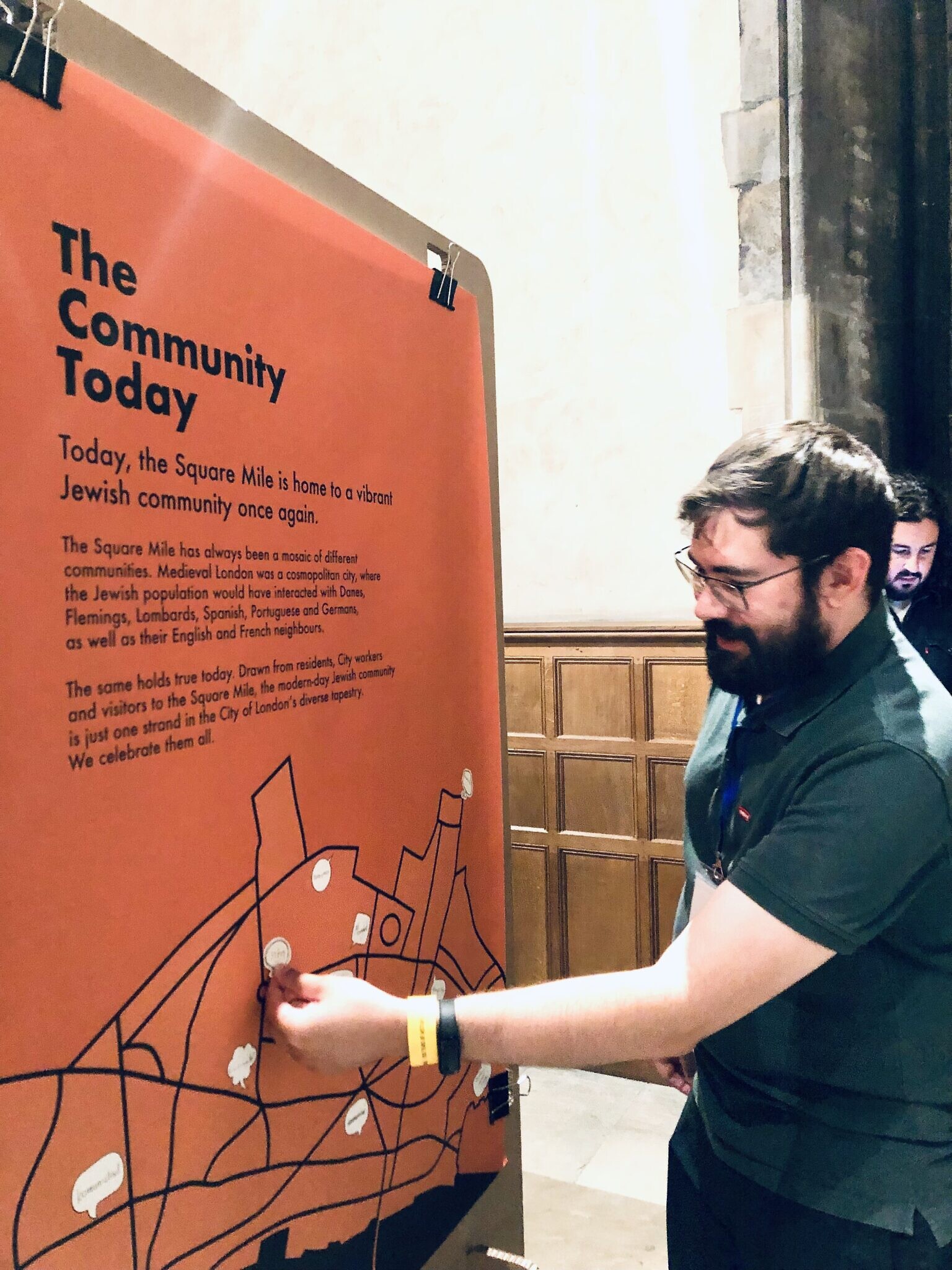
- The exhibition runs at St Giles’ Cripplegate until September 16, organised by the Jewish Square Mile Foundation.

Keep community journalism free.
Jewish News is free for everyone. No paywall. No barriers. Just trusted journalism for anyone who wants to stay connected to Jewish life in Britain.
If you value that, please support us.
From as little as £5 a month, you can help keep our journalism free and accessible to all.
Every day, we report on the issues that matter to our community. We celebrate achievements, support charities, challenge antisemitism and ensure Jewish voices are heard more widely.
From as little as £5 a month, you can help us continue to:
- Report on the stories shaping Jewish life in the UK and beyond
- Bring our community together through shared stories, events and campaigns
- Celebrate the people, culture and moments that define our community
- Support organisations doing vital work across Jewish Britain
You can make a one-off donation or become a regular supporter. Every contribution helps keep our journalism free, independent and accessible to all.
If everyone who values Jewish News gave a small amount, it would make a real difference to our future.