Prefer Jewish News on Google
Two years after 7 October, The Hebrew University learns to live – and think – through trauma
As Israel exhales after the October ceasefire, campus life slowly begins to return
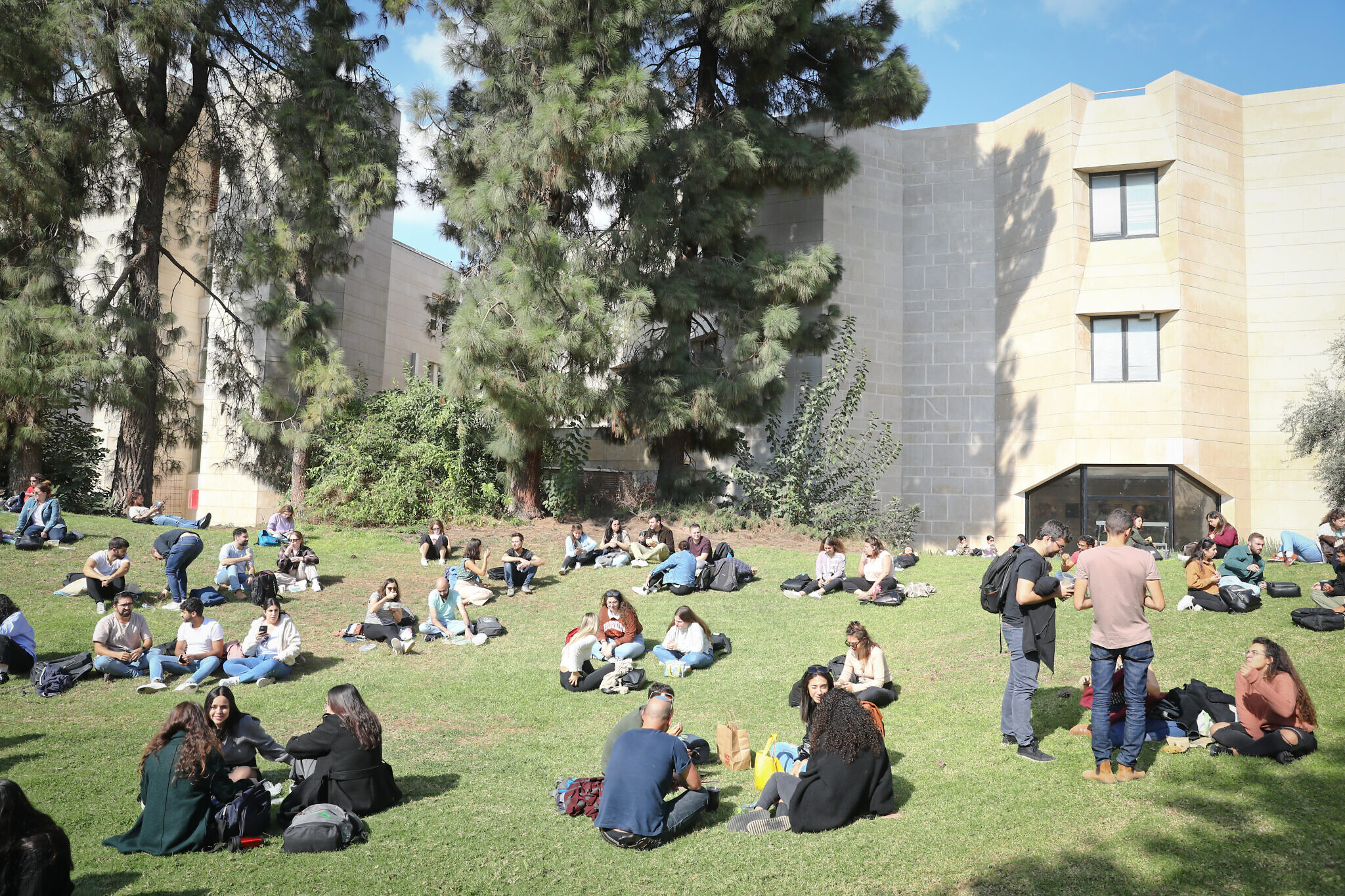
Jerusalem in December settles into a quieter rhythm. The air feels different now: not peaceful exactly, but less sharp, less suspended. The October ceasefire has brought a strange combination of relief and heaviness – families reunited, others grieving, thousands trying to understand what recovery looks like. On The Hebrew University’s Mount Scopus campus, the shift is especially visible. Students linger a little longer on the steps. The pathways between buildings are no longer defined by urgency. Slowly, almost cautiously, the campus is remembering how to feel like a university again.
Yet beneath that return lies two years of strain that reshaped the institution far beyond timetables or academic calendars. Wartime mobilisation, displacement, loss, and political turbulence pressed into every part of The Hebrew University’s life – its students, its faculty, its global partnerships, its emotional centre of gravity. What stands today is a campus still carrying the weight of those years, but also one that refused to let its identity slip during the hardest moments.
The pressures were enormous. With nearly a fifth of its students Arab, The Hebrew University has long been one of Israel’s most diverse campuses – a strength that became a delicate responsibility during war. Tensions rose, anxieties sharpened, and when thousands of reservists were called up, normal academic rhythms disappeared. By the time the academic year finally opened – months late, after waves of mobilisation – staff had undergone training on how to manage fraught conversations in classrooms where grief, fear and political disagreement sat side by side.
“There was quite a lot of training for the teachers,” said Naama Oryan, Director of the International Marketing Division. “They were quite worried about the tensions within the classroom… to ensure that there will be a respectful environment.” She added that despite the fears, “thankfully, it was quite calm. Things went pretty well.”
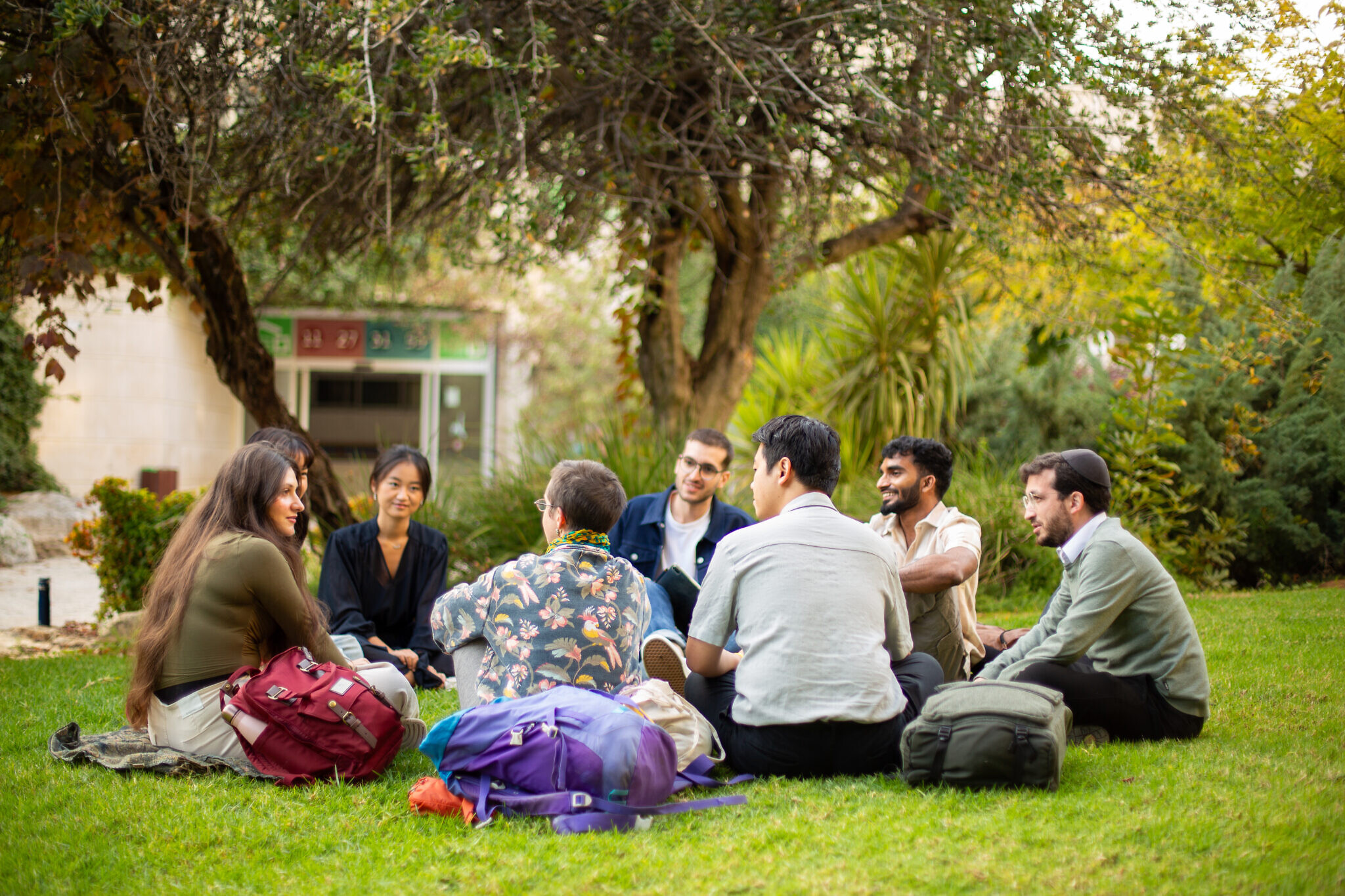
Much of that stability rested on the diversity infrastructure The Hebrew University had already embedded long before 7 October. Communication on campus runs in Hebrew, Arabic and English. Support teams are visible and accessible. Dialogue is encouraged, not managed away. As Head of the International Office, Jane Turner put it, “We practice diversity… we bring people into dialogue… we’re very direct, we’re very open about it.” During the war, she said, this approach became an anchor rather than an aspiration.



The international student community, often seen as the most vulnerable, not only remained intact but reported unexpectedly strong feelings of safety. “Students felt safe, secure, welcomed,” Oryan said, pointing to rising satisfaction survey scores. She credits “a very professional, very engaged team… pastoral care 24/7,” counsellors living in dormitories, and emergency communications that were transparent rather than alarming.
The resilience was not confined to students. The Hebrew University’s global networks – once a defining feature of the institution – came under severe strain. Exchange agreements across Europe, including with leading UK universities, were paused or severed. Some cut ties midway through nomination rounds, leaving students suddenly stranded. “Agreements are closing down on us,” said Dean of Students Zohar Kampf. “Not accepting students… leaving us in the lurch.” The trend grew sharper after the first year of war, as BDS-aligned pressure spread among student and faculty bodies abroad.
Incoming president Prof Tamir Sheafer, who stepped into office shortly after the ceasefire, does not underplay the challenge.
There is still the problem or issue of BDS and academic boycotting… we didn’t see any changes since the signing of the ceasefire.
“There are still European universities that continue to boycott us or have joined the boycott movement after the signing of the ceasefire.”
The economic consequences have already been felt: reduced access to cross-border grants, shrinking consortium participation, and instability in long-standing partnerships. For a research institution, this is not symbolic – it’s structural. Sheafer noted that when consortiums collapse, “so does our budget.” The University has responded with increased fundraising efforts and a strategy to diversify global collaborations. While Europe remains mostly closed, other avenues have widened. “A university like UCLA… is now talking to us about strengthening our cooperation,” he said. “Even a university like Harvard… is now strengthening its academic ties with us.” Interest from India and other Asian partners has grown.
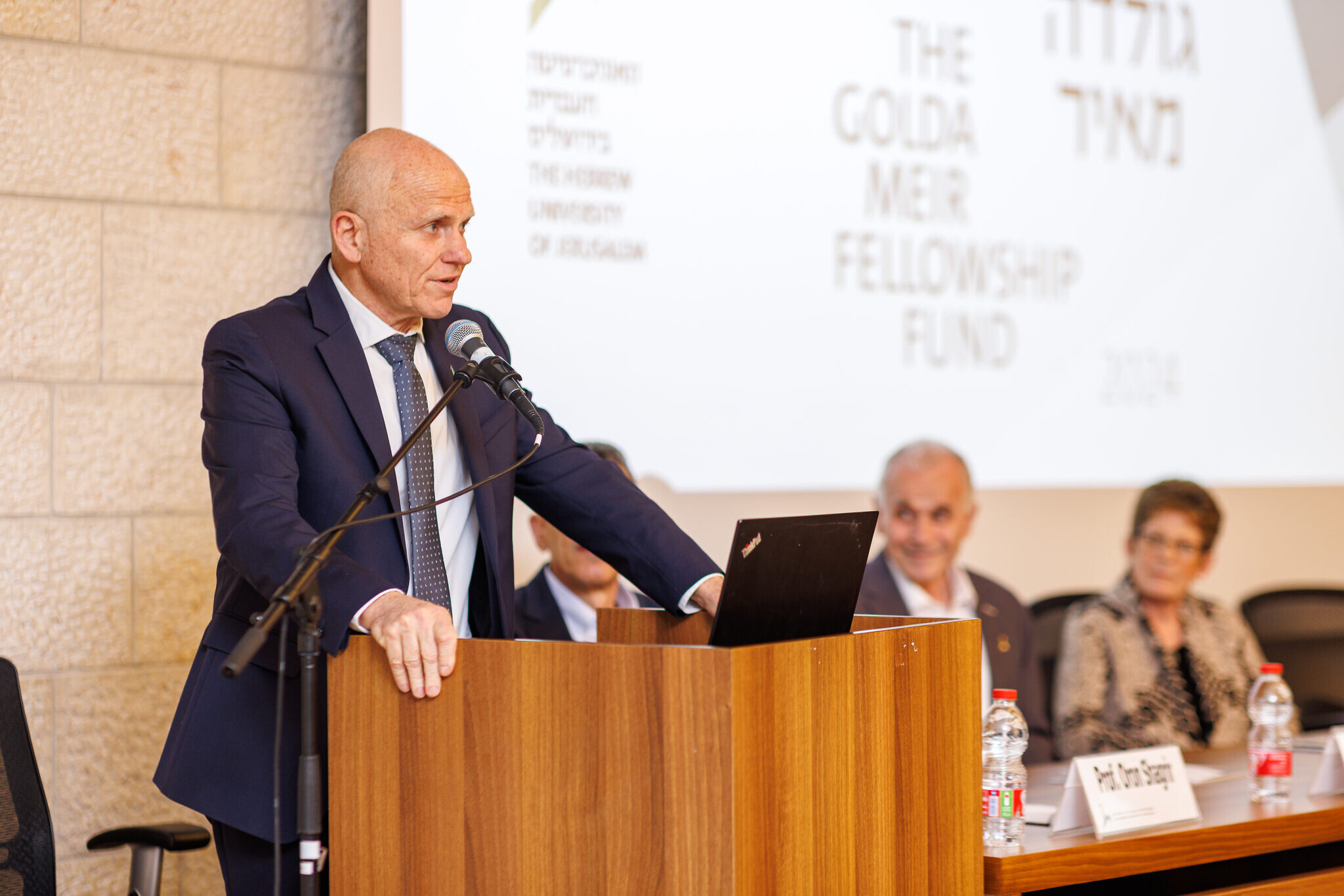
Despite the international turbulence, The Hebrew University continued to push forward academically, sometimes counter-intuitively. During the war, the institution launched its first fully English-taught undergraduate degree – a major structural shift many universities would hesitate to attempt even in quiet years. Asked whether the timing was intentional or naïve, Turner laughed gently: “Are we crazy enough to start this programme during the war? Yes, yes, we are crazy enough.”
The decision was less reckless than it seemed. The programme had been years in planning, slowed by bureaucracy rather than indecision. Liberal arts and business were chosen because the faculty already had strong exchange portfolios and English-language teaching capacity. The team expected numbers to drop dramatically due to the conflict; instead, the programme opened with 25 students and nearly doubled applications the following year. Turner describes this as “a good indication” that the appetite remained, even in crisis.
Sheafer, meanwhile, has used the transition into his presidency to set out ambitious academic priorities shaped directly by the past two years. His vision is rooted in both excellence and national responsibility. “Continue to be excellent in terms of research,” he said. “This has always been and always will be the main focus.” But excellence alone is no longer enough. The University, he argues, must respond to the country’s greatest challenges – beginning with a profound shortage of medical professionals and the need to modernise how medicine is taught.
This is a huge project… to introduce a revolution into how medicine is taught, by including simulation rooms, AI, robotics.
The aim is to increase the number of doctors Israel can train, but also to overhaul outdated models of medical education that “haven’t changed for decades.” Advances pioneered in the new medical school will then be applied to other faculties, reshaping the University’s research-to-practice pipeline.
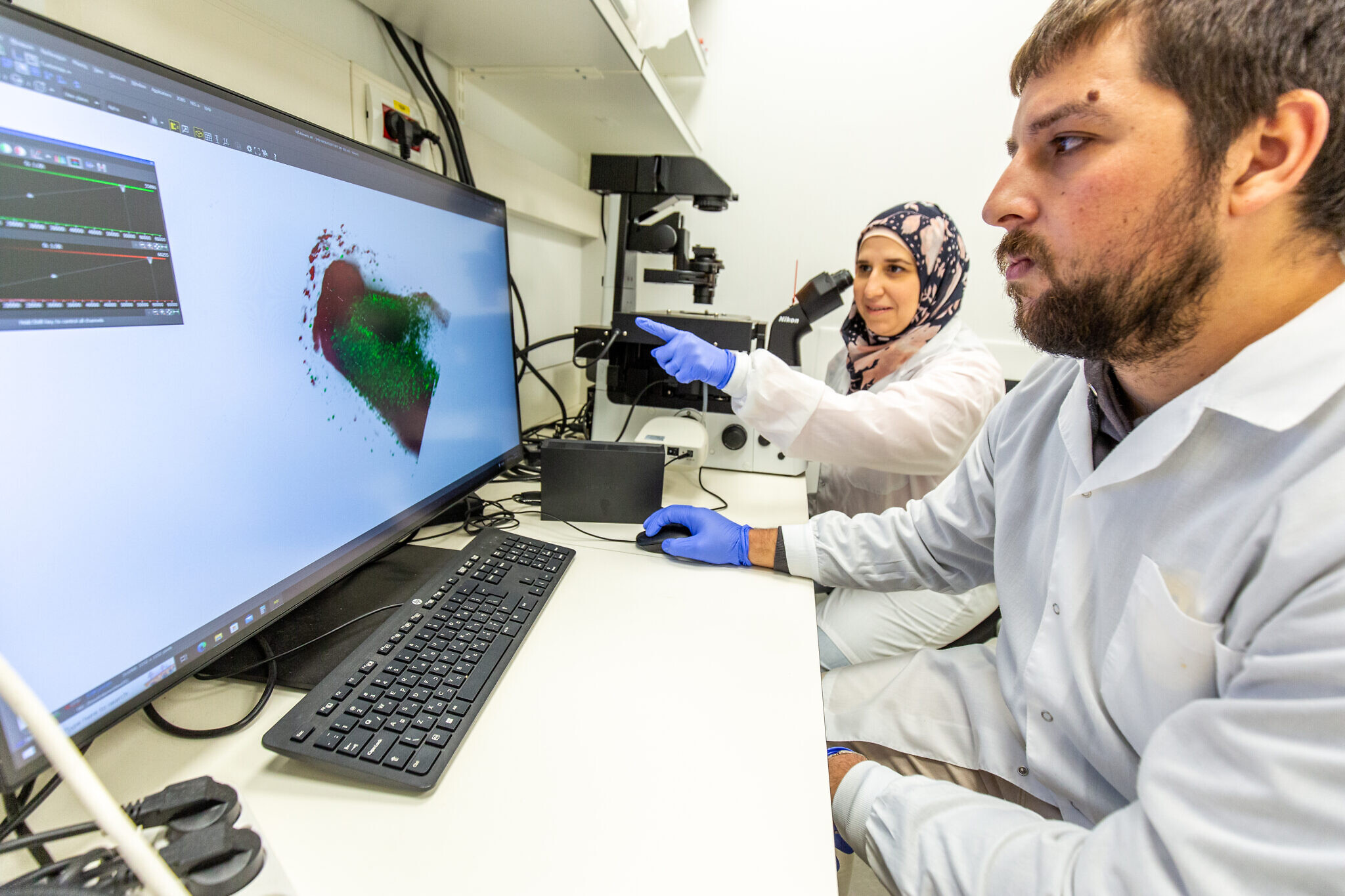
To bridge the persistent global “valley of death” between academic research and commercial application, Sheafer is planning a new unit for academic-industry relations alongside a dedicated fund to accelerate promising research into viable technology. Investors, he noted, often arrive too late in the process. “There is no one who provides funds for good academic ideas… to develop them to a point that investors will be willing to invest.” Closing that gap, he believes, is essential not only for The Hebrew University but for Israel’s scientific future.
But no academic plan can overlook the human cost of the past two years. More than 8,000 The Hebrew University students served in the IDF during the war. Many returned carrying trauma that will not resolve with the ceasefire.
We will have to continue to provide support… these problems last for a long time.
He has also noticed the tentative signs of recovery as students re-enter campus life: “We see more students in the corridors and in classes… I’m sure this will have a very positive effect on student life.” Yet he warns against assuming a swift emotional reset. The release of hostages brought relief, but many remain missing or murdered. “People feel more relieved… but they are still recovering, and this recovery will take time.”
What gives him hope are the small, daily scenes that never quite disappeared, even at the height of war. “Arabs and Jews… Palestinians from East Jerusalem and a reservist just come back from the war, sitting together in the same class and working together,” he said. “Any time that I want to be more optimistic about the future… that’s what I’m focusing on.”

His closing message for the next generation is simple but carries the weight of the past two years: “We must learn to live near each other. We must respect everybody who lives here… otherwise, no one will be able to live here.” Coexistence, he insists, is not a theory; it is already being practised.
We have shown that it (coexistence) is possible… in our small heaven, which is the The Hebrew University.
Two years after 7 October, the University is not healed, not unchanged and not untouched. But it is still standing on its complexity: diverse, bruised, stubbornly open, and unwilling to abandon the mission it had long before the state itself existed. A place where recovery is slow, where coexistence is tested daily, and where the work of thinking – hard thinking, hopeful thinking – continues despite everything.

Keep community journalism free.
Jewish News is free for everyone. No paywall. No barriers. Just trusted journalism for anyone who wants to stay connected to Jewish life in Britain.
If you value that, please support us.
From as little as £5 a month, you can help keep our journalism free and accessible to all.
Every day, we report on the issues that matter to our community. We celebrate achievements, support charities, challenge antisemitism and ensure Jewish voices are heard more widely.
From as little as £5 a month, you can help us continue to:
- Report on the stories shaping Jewish life in the UK and beyond
- Bring our community together through shared stories, events and campaigns
- Celebrate the people, culture and moments that define our community
- Support organisations doing vital work across Jewish Britain
You can make a one-off donation or become a regular supporter. Every contribution helps keep our journalism free, independent and accessible to all.
If everyone who values Jewish News gave a small amount, it would make a real difference to our future.