Prefer Jewish News on Google
US to proceed with Gaza phase two despite no Hamas disarmament and missing hostage
Washington plans to launch postwar Gaza framework even as Israel insists Hamas must disarm and return Ran Gvili’s body

The United States has told Israel it plans to move ahead with the next stage of its Gaza plan even if Hamas has not yet been disarmed and the body of the final Israeli hostage, Ran Gvili, has not been returned, according to sources familiar with the talks.
The message was delivered to Prime Minister Benjamin Netanyahu during meetings last week. US officials stressed that Washington remains committed to both goals – disarming Hamas and returning Gvili – but will not make either a condition for starting phase two.
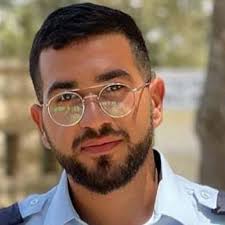
Israel has objected strongly. Israeli officials argue that Hamas must first hand over Gvili’s remains and give up its weapons before any postwar arrangements are put in place. Gvili, an Israel Police Master Sergeant, was killed during the Hamas-led attacks on 7 October, and his body is still believed to be in Gaza.
Despite Israeli resistance, the US is working with Egypt, Qatar and Turkey on a plan to gradually disarm Hamas. Arab diplomats involved say the idea is to start with Hamas giving up heavy weapons, followed by a scheme to buy back lighter arms. Washington hopes this process could begin within weeks. Hamas leaders, however, have said publicly that they will only give up weapons as part of a deal leading to a Palestinian state.
The US is also preparing to announce new bodies to oversee Gaza once the fighting ends. These include an international “Board of Peace”, a smaller executive group, and a Palestinian technocratic committee that would run day-to-day civilian life in the Strip. An earlier announcement was delayed because of diplomatic opposition and concerns over the fragile ceasefire.



Egypt is leading efforts to form the Palestinian committee. According to Arab diplomatic sources, 12 politically unaffiliated candidates were submitted for Israeli security checks, with the Shin Bet approving eight. Israel rejected proposals for a serving Palestinian Authority minister to take part, though one former PA official is expected to join.
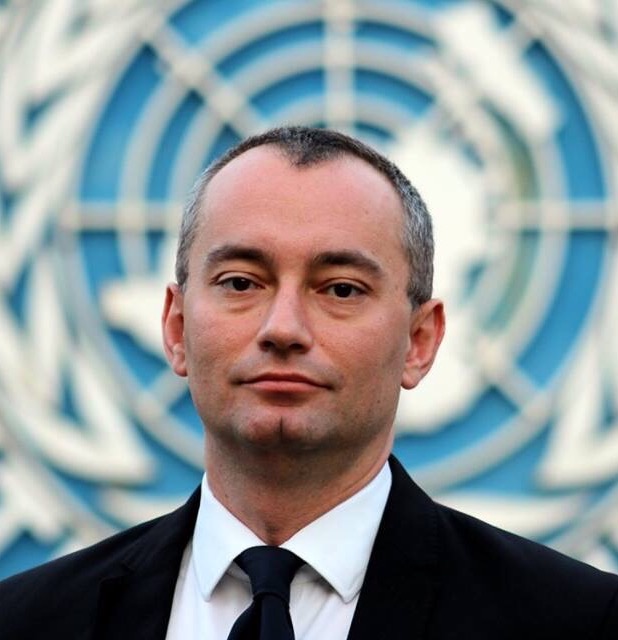
Former UN Middle East envoy Nickolay Mladenov is expected to act as a link between the international bodies and the Palestinian committee in Gaza.
Plans for an international force to help oversee a gradual Israeli military withdrawal remain uncertain. The US has struggled to persuade countries to send troops, and some potential participants have already ruled themselves out. American officials say the force would have a limited role and would not be expected to fight Hamas.
Meanwhile, preparations are said to be underway for a pilot housing project near Rafah, intended to house tens of thousands of displaced Palestinians. Aid officials warn that large-scale rebuilding will not be possible unless Israel eases restrictions on materials entering Gaza.
Search efforts for Gvili’s remains resumed this week after slowing amid renewed Israeli strikes. While the ceasefire agreement called for all hostages to be returned quickly, mediators privately accept that locating the bodies of those killed may take longer.
Israel has linked further steps, including reopening the Rafah border crossing, to the return of Gvili’s body – highlighting the deep tension between US diplomatic momentum and Israel’s insistence that Hamas must be dismantled before Gaza’s future is decided.

Keep community journalism free.
Jewish News is free for everyone. No paywall. No barriers. Just trusted journalism for anyone who wants to stay connected to Jewish life in Britain.
If you value that, please support us.
From as little as £5 a month, you can help keep our journalism free and accessible to all.
Every day, we report on the issues that matter to our community. We celebrate achievements, support charities, challenge antisemitism and ensure Jewish voices are heard more widely.
From as little as £5 a month, you can help us continue to:
- Report on the stories shaping Jewish life in the UK and beyond
- Bring our community together through shared stories, events and campaigns
- Celebrate the people, culture and moments that define our community
- Support organisations doing vital work across Jewish Britain
You can make a one-off donation or become a regular supporter. Every contribution helps keep our journalism free, independent and accessible to all.
If everyone who values Jewish News gave a small amount, it would make a real difference to our future.