Prefer Jewish News on Google
Vilnius University creates new AI tool recognising handwritten Yiddish texts
The new technology means letters, autobiographies, and diaries that remained unread for decades will become discoverable to communities seeking to reconnect with their past
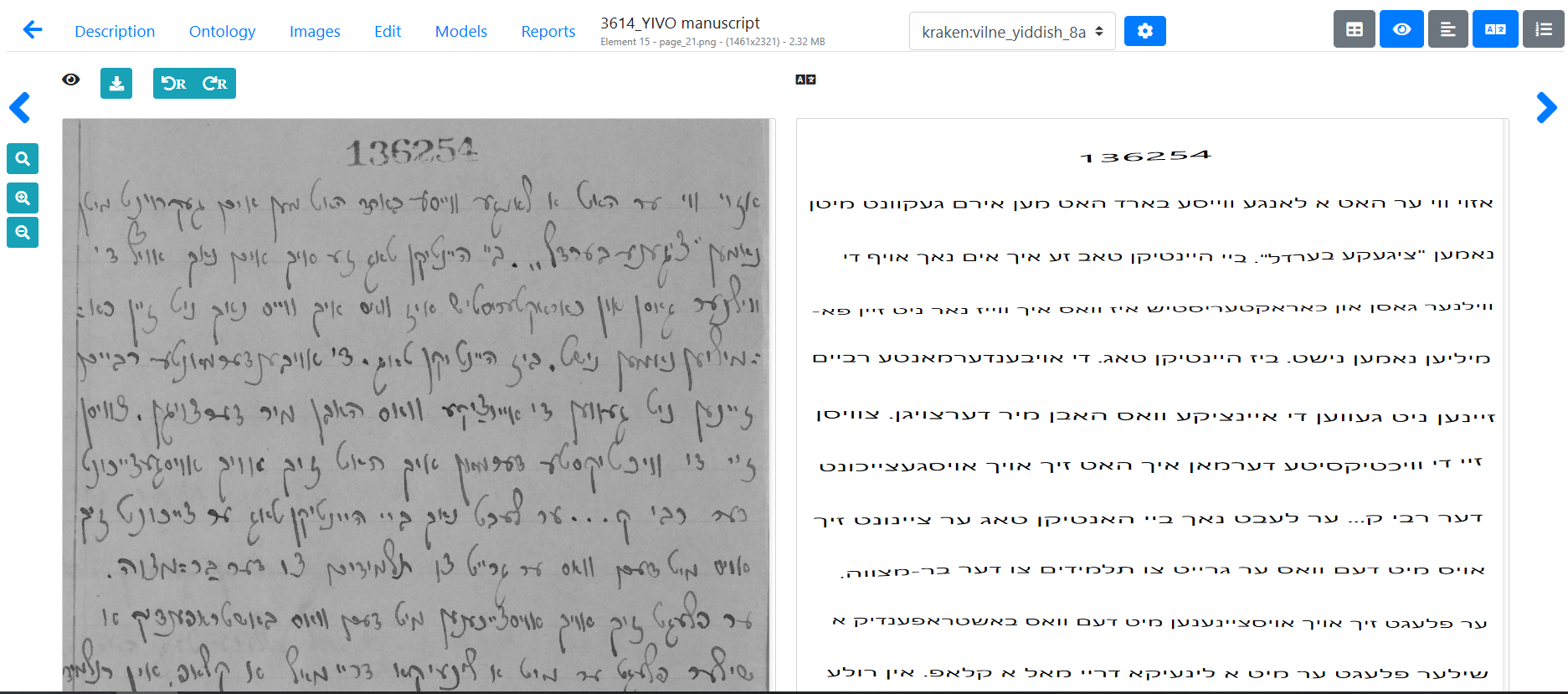
Jewish individuals and communities seeking to discover more about ancestors in Lithuania will now have online access to a wide range of previously unread source material, thanks to a new AI programme launched by Vilnius University.
The software tool boasting a 95% accuracy rate, is known as the Vilne-Yiddish model. It assesses handwritten Yiddish texts and was developed by Dr Sergii Gurbych, a postdoctoral fellow at the Centre for the Study of East European Jewry.
It uses handwriting styles from autobiographies written in the 1930s, which were sent to YIVO – the Yidisher Visnshaftlekher Institut – from across Eastern and Central Europe.
Most of these manuscripts, dated between 1933 and 1939, were recently rediscovered in the archives of the National Library of Lithuania and had never been digitised before. Others were obtained from the YIVO online collections.
Using these handwritten sources, a special dataset was created: a collection of image-text pairs that allowed the model to “learn” the structure of Yiddish handwriting.
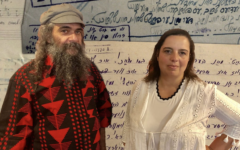


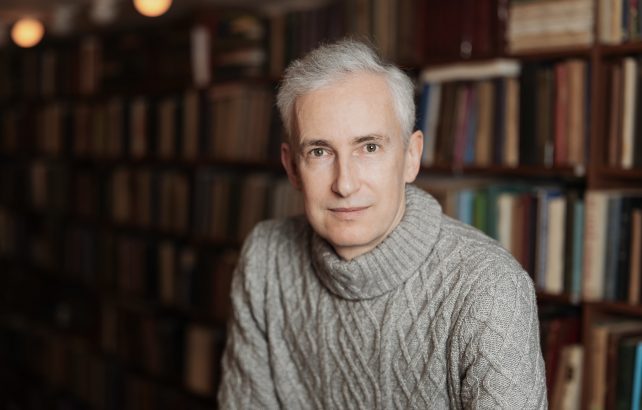
“The result,” Gurbych says, “is a model that achieves around 95 per cent accuracy – roughly one error per twenty characters. That is quite high for handwritten materials, especially considering the diversity of the scripts.”
Gurbych explains that while printed Yiddish can already be recognised fairly accurately with existing tools, handwritten texts remain a challenge due to their variety.
“There are many different handwriting styles. They differ by period, region, and even by social background. Currently, scholars working with Yiddish texts manually transcribe dozens of pages from autobiographies, diaries, and letters – a process that is both time-consuming and labour-intensive.”
For the broader public, the model removes a major barrier: knowing Yiddish is no longer required to access the content of handwritten sources. Anyone can copy the recognised text and use an online translation service to understand a document.
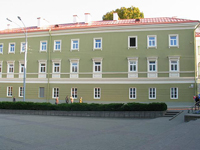
Letters, autobiographies, and diaries that remained unread for decades will become discoverable to descendants and communities seeking to reconnect with their past.
Working directly with real archival sources, educators and students can also incorporate these newly readable manuscripts into teaching and university projects, supporting greater engagement with Jewish cultural heritage.
As an added bonus for researchers and historians, the Vilne-Yiddish model and its dataset are both open-access, meaning that anyone can use them, modify them, and build upon them.
Gurbych notes that the only comparable open project is BiblIA, a dataset developed at the University of Lausanne for medieval Hebrew manuscripts under the direction of Professor Daniel Stökl Ben Ezra. It includes over 200 pages of Sephardic, Ashkenazic, and Italian scripts, and both the dataset and model are available online.
He adds: “Now we have something similar for Yiddish – specifically, interwar Yiddish manuscripts. This will help historians and linguists analyse handwritten sources that were previously too complex to process automatically.”

Keep community journalism free.
Jewish News is free for everyone. No paywall. No barriers. Just trusted journalism for anyone who wants to stay connected to Jewish life in Britain.
If you value that, please support us.
From as little as £5 a month, you can help keep our journalism free and accessible to all.
Every day, we report on the issues that matter to our community. We celebrate achievements, support charities, challenge antisemitism and ensure Jewish voices are heard more widely.
From as little as £5 a month, you can help us continue to:
- Report on the stories shaping Jewish life in the UK and beyond
- Bring our community together through shared stories, events and campaigns
- Celebrate the people, culture and moments that define our community
- Support organisations doing vital work across Jewish Britain
You can make a one-off donation or become a regular supporter. Every contribution helps keep our journalism free, independent and accessible to all.
If everyone who values Jewish News gave a small amount, it would make a real difference to our future.