Prefer Jewish News on Google
‘What if it was your sister?’: 7/7 victim’s family urges government to teach social cohesion
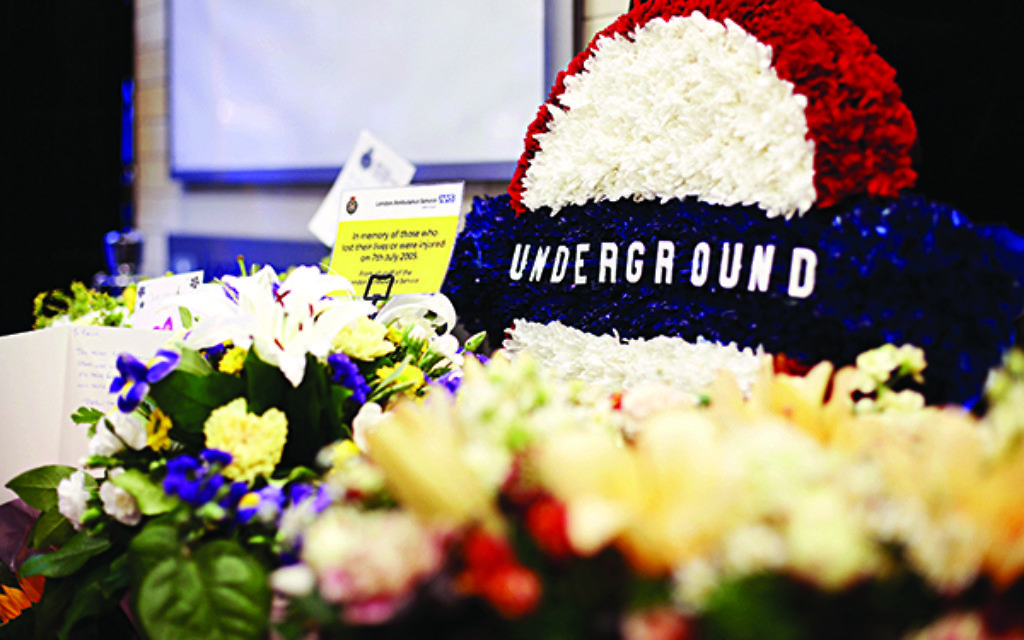
On the 20th anniversary of the London bombings, the sister of Miriam Hyman – an artist killed in Tavistock Square – calls for national curriculum reform to prevent radicalisation

“We don’t want anybody else to go through what we’ve been through,” Esther Hyman tells Jewish News, reflecting ahead of the national milestone few families would choose to mark. “If we can use education to prevent even one more family from suffering, then it’s worth everything.”
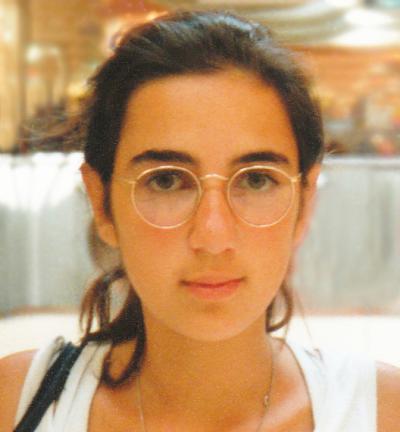
Her younger sister Miriam – known as Mim – was just 32 when she was killed in the 7/7 London bombings, one of 52 victims of the coordinated suicide attacks that rocked the capital on 7 July 2005. She had been on her way to a work meeting in Canary Wharf when her train was evacuated due to an earlier explosion. With no information available, she boarded a bus to continue her journey. It was the No. 30, which exploded in Tavistock Square. Miriam was sitting directly in front of the bomber.
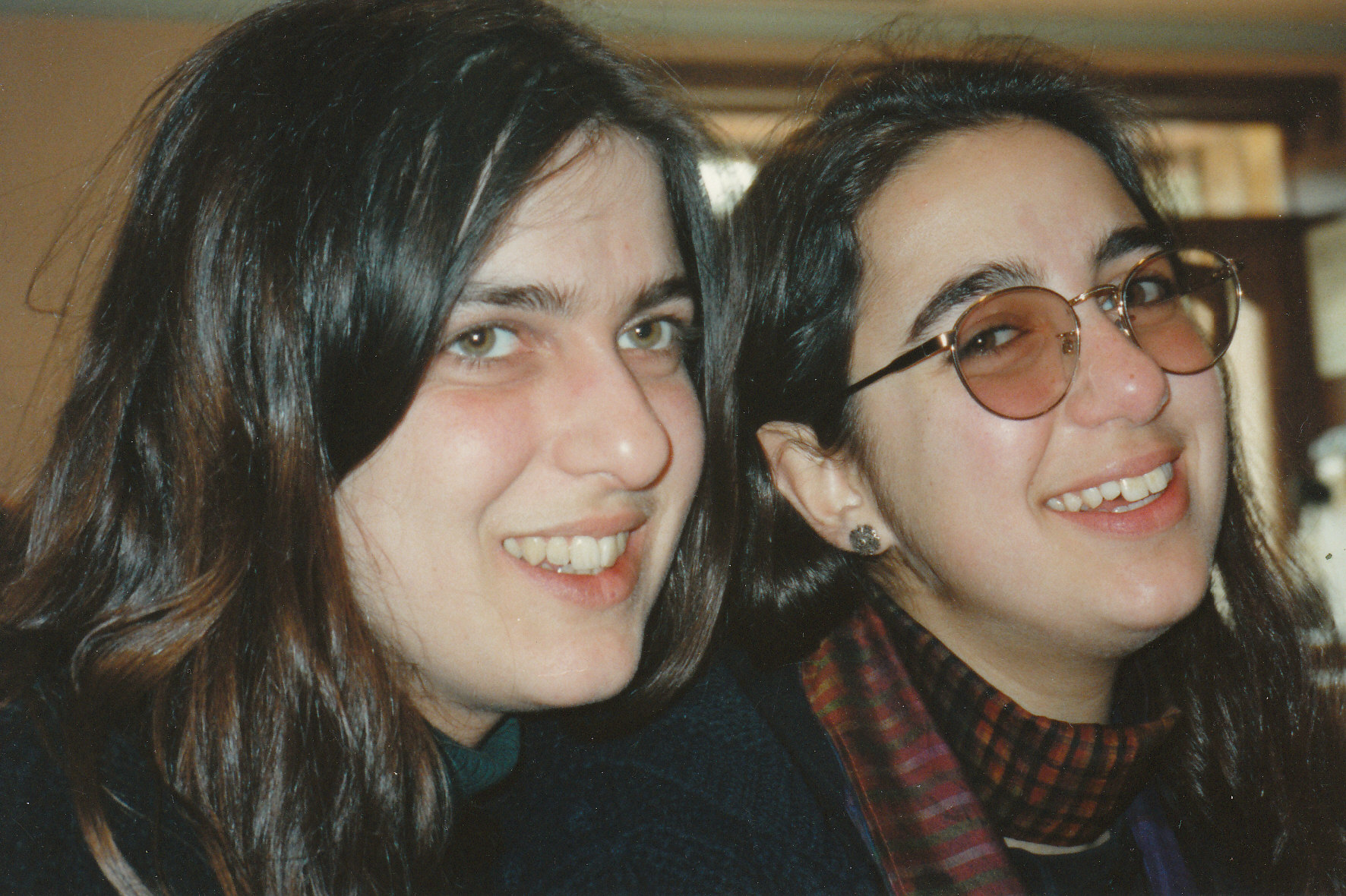
“She was a bubble of love,” says Esther, recalling her sibling with warmth and clarity. “She gave the best cuddles in the world. She was incredibly generous and very positive – my closest confidant.” Three years younger, Mim was also “incredibly gregarious”, she says. “She loved people, and she was loved by people. She was instantly loveable.”
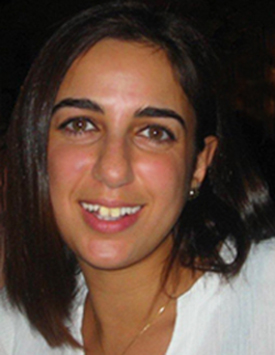
An artist in her own right who studied the history of art at university, Miriam worked as a picture researcher and was a dedicated volunteer, including with children and peace groups. “She demonstrated against the war in Iraq,” says Esther. “The irony is not lost on us.”
The family was notified of her death the Monday following the attack. “It was extremely shocking. The aftermath lasted for months – years – because the events were constantly being referred to in the media,” she recalls. “You’d switch on the TV or the radio, and there’d be another reference to it. It knocked you for six every time. You have to develop strategies to cope, otherwise you just break down.”



What if it was your sister? What if it was your son or daughter? We don’t want anybody else to go through what we’ve gone through
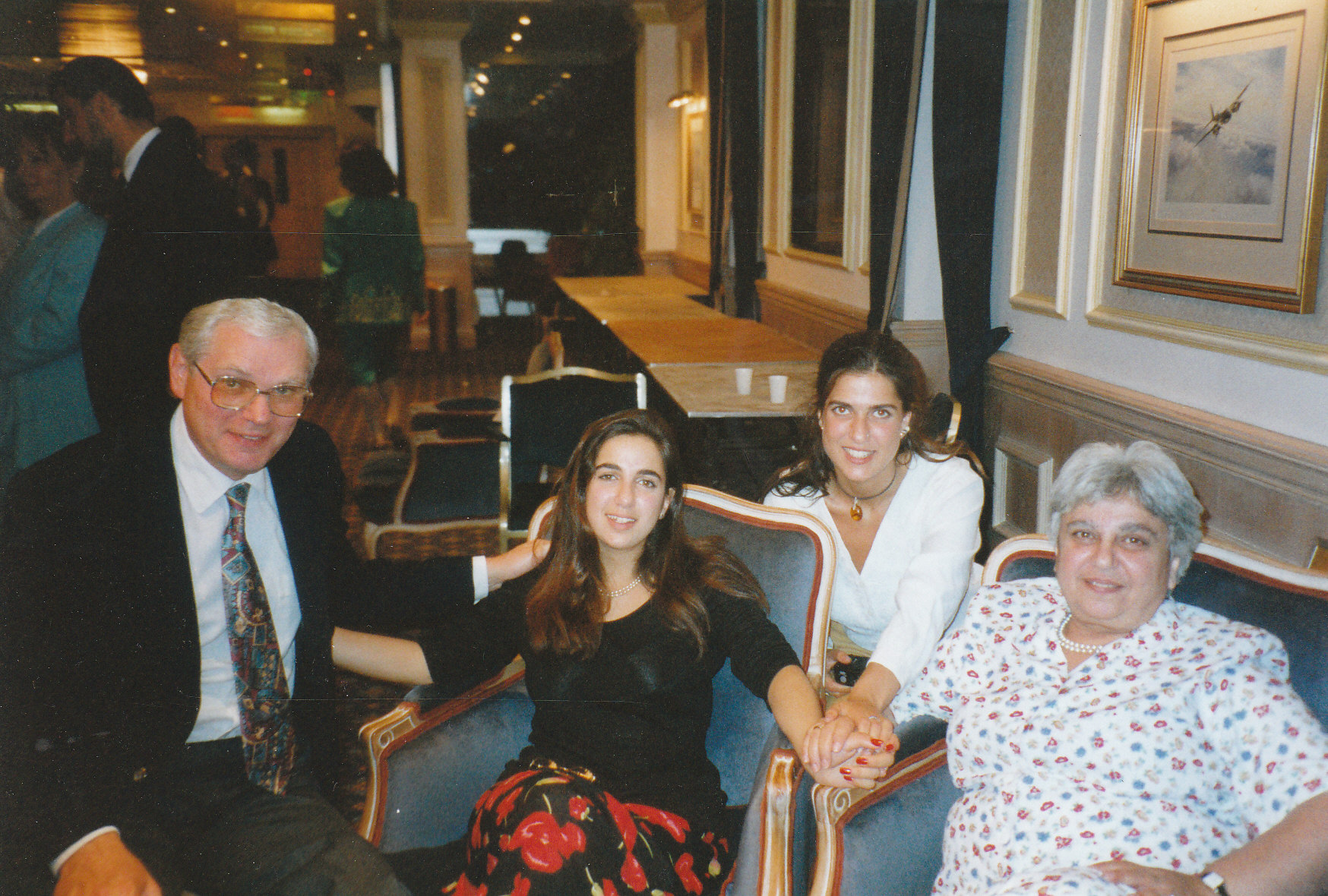
Three years later, Esther and her parents, Mavis and John, established the Miriam Hyman Memorial Trust (MHMT), initially as a way of raising money in her name. They used their compensation to fund the launch of the Miriam Hyman Children’s Eye Care Centre in Odisha, India – a partnership with the LV Prasad Eye Institute that continues to treat children regardless of their ability to pay. “Miriam was short-sighted and appreciated her own eye care,” Esther explains. “That’s Miriam’s living memorial. It still exists, it goes from strength to strength.”
But it was the fact that one of Miriam’s killers was just 18 years old that shaped the family’s long-term mission: prevention through education. “He had obviously been radicalised at a very young age,” says Esther. “So, we thought – we need to reach young people before that can happen.”
Seven years in the making, Miriam’s Vision: Working for Community Cohesion was launched in 2015 to coincide with the tenth anniversary of the bombings. A free, classroom-ready resource for teachers of 11- to 14-year-olds, it is built around the UK national curriculum and uses Miriam’s story as a springboard to explore core themes of democracy, empathy, resilience, rights and diversity.
Young people relate to her story because it’s the story of an individual – and the response to her death
“Miriam’s Vision proposes democracy as a viable alternative to violent extremism,” Esther explains. “It’s about understanding each other’s experiences and building the kind of society that makes radicalisation harder.”
In 2018, MHMT conducted a formal evaluation. The results were striking. “We found that it works extremely well in the classroom,” she says. “Young people relate to her story because it’s the story of an individual – and the response to her death. One Muslim student said the atmosphere in their class changed for the better after using Miriam’s Vision – that there was no longer any aggression around culture. That’s huge.”
Despite this impact, however, Esther admits uptake has been disappointingly low. “There are so many barriers,” she says. “The biggest is time. We made it as easy as possible for teachers to use – everything is there, lesson plans and all – but if it’s not in the national curriculum, it won’t be prioritised.” As a result, she says, “We’ve realised we’ve been banging our heads against a wall trying to get teachers to take it up.”
The Trust has now shifted focus from promoting Miriam’s Vision to lobbying for a broader goal: the inclusion of social cohesion as a named element in the UK’s forthcoming revised curriculum. “We’re not asking for Miriam’s Vision to be included,” Esther says clearly. “We’re asking for social cohesion to be addressed. That’s the vital point.”
The goal is that these issues are taught, full stop
MHMT submitted a detailed proposal to the Department for Education’s Curriculum and Assessment Review in 2024, setting out the case for social cohesion to be explicitly included in what children are taught. Earlier this year, the review’s interim report briefly mentioned social cohesion in its executive summary – a line Esther cautiously welcomes. “It gave us hope,” she says. “But because it wasn’t specified later in the document, it didn’t reassure us. So, we’re putting pressure on the government to commit to it.”
Asked what success would look like, she doesn’t hesitate: “That schools are obliged to teach about social cohesion. That it’s written into the curriculum. That teachers have to address it – and if they return to Miriam’s Vision to do that, wonderful. But that’s not the goal. The goal is that these issues are taught, full stop.”
The cost of failing to act, she warns, is dangerously high. “More violent extremism will be perpetrated on our society,” she says. “More families will have to go through the heartbreak we’ve been through. That’s what’s at risk.”
Pressed on her message to policymakers, Esther speaks not as a campaigner but as a bereaved sister. “What if it was your sister?” she asks. “What if it was your son or daughter? We don’t want anybody else to go through what we’ve gone through. We urge the government to use education effectively for something that’s worth learning – how we treat each other. If someone has grievances, how do they air them? If people have rights – like the right to life – how do we respect those rights and still get our point across? These are themes we believe should be taught in every school.”
Whatever happens with the curriculum, she confirms that Miriam’s Vision will remain freely accessible online for teachers worldwide. “We may or may not continue to exist as a registered charity, depending on the outcome of this review, but we’ve done the work. The resource is there for anyone who wants it.”
Asked finally how she hopes Miriam will be remembered, Esther pauses. “We’ve worked hard to honour her memory,” she says. “We hope our efforts will make a lasting difference.”
To learn more about Miriam’s Vision and how you can support or implement the programme in your school or community, click here.

Keep community journalism free.
Jewish News is free for everyone. No paywall. No barriers. Just trusted journalism for anyone who wants to stay connected to Jewish life in Britain.
If you value that, please support us.
From as little as £5 a month, you can help keep our journalism free and accessible to all.
Every day, we report on the issues that matter to our community. We celebrate achievements, support charities, challenge antisemitism and ensure Jewish voices are heard more widely.
From as little as £5 a month, you can help us continue to:
- Report on the stories shaping Jewish life in the UK and beyond
- Bring our community together through shared stories, events and campaigns
- Celebrate the people, culture and moments that define our community
- Support organisations doing vital work across Jewish Britain
You can make a one-off donation or become a regular supporter. Every contribution helps keep our journalism free, independent and accessible to all.
If everyone who values Jewish News gave a small amount, it would make a real difference to our future.