Prefer Jewish News on Google
Disengagement from politics is not strength, even in such scary times
History shows Jews only prepare to leave when states fail to protect them - and Britain is approaching that test
Leo Pearlman is right to sound the alarm. When more than half of British Jews say they no longer see a future in this country, Britain has a serious moral problem. The economy is struggling, the cost of living has soared, and Jews tend to be practical. But history teaches us something deeper still: when Jews begin quietly scanning exit routes, something has already gone badly wrong.
The question facing British Jews today is not only what is happening to us here in the UK. As Leo rightly notes, from Boston to Sydney, this anxiety is spreading across the Jewish world. The deeper question is how we respond, as British Jews and as part of a global diaspora.
Fear is justified. Anger is justified. The polling is devastating. Yet I am uneasy with the growing implication that psychological rehearsal for departure is the primary or inevitable next step. That risks turning a warning into a strategy and resignation into leadership. It is exactly what our enemies want us to believe. And whether or not we feel safe, it is not what the British state wants us to feel.
Like Leo, I am the grandchild of Holocaust survivors. My family lost relatives who never escaped Europe. We are not naïve about history. But we are also not there yet. Every major political leader in this country, with the notable exception of Nigel Farage, publicly lit a menorah this Chanukah in solidarity with the Jewish community. Symbolism is not enough, but it matters. And I am proud of what that solidarity represents.
Our grandparents kept suitcases under their beds because they had learnt, brutally, that states can collapse overnight. Mine never returned to Poland; the sense of betrayal ran too deep. Their vigilance was justified. But so was something else: their determination to belong, to contribute, and to demand protection in the countries where they rebuilt their lives, including here in the UK. That lesson has been passed down through generations, and it matters just as much as the fear. To me, it matters more.
What we have witnessed since 7 October is not normal political disagreement. Legitimate and illegitimate criticism of Israel has been allowed, in the public square and on the streets, by politicians, institutions and cultural influencers, to metastasise into something darker: the normalisation of Jewish suspicion, collective blame and moral inversion. The accusation of “genocide” has become the driving force. Once Jews are recast as uniquely evil, violence and exclusion become not only acceptable but also righteous and routine.
We have seen where that road leads, from Bondi Beach in Australia to our own streets. Just days ago, two jihadist extremist men were convicted over a Manchester terror plot to murder as many Jews as possible. They had scouted Jewish targets and sought automatic weapons. This was not abstract hatred or online noise. It was operational intent.
But there is a second truth in that same story. The attack did not happen. It was stopped by intelligence work, undercover policing and a functioning security apparatus that took the threat seriously and acted in time. The danger is real, but so is the fact that Britain still has the capacity, when it chooses to use it, to protect its Jewish citizens. Instead of recognising that we live in a country where this hatred is investigated, prosecuted and punished, too many treat such cases as further justification to run.
Where failure exists, it lies squarely with leadership. Lines were blurred that should have been drawn clearly. When leaders equivocated, others erased the line entirely.
But withdrawal from public and political engagement does not protect Jews. It abandons the field to those most comfortable erasing us. History is unforgiving on this point.
As Gideon Falter has rightly said, and as many of us have repeated, we turn up. We endure the platitudes. We sit through the speeches and the kosher wine. And then we get close enough to power to demand outcomes.
Not gratitude. Not reassurance. Outcomes and action. Policing that actually works. Prosecutions that actually happen. Clear standards on language.
Real consequences for antisemitism, however it is dressed up.
Access is not endorsement. Access is leverage. And leverage is how Jews survive in democracies. We organise. We apply pressure. We show up. We get in their faces and force change. We do not retreat, and we do not threaten to leave.
I am not naïve about this Labour government. I am among the last people inclined to defend it. But disengagement is not strength. There are still MPs from all parties willing to stand publicly with the Jewish community, often at real personal and political cost. That matters, not because it is sufficient, but because it creates something to push against and build upon. Our grandparents didn’t have that.
Where Leo is absolutely right is in his critique of communal complacency. Managing decline is not leadership. Photo opportunities are not strategy. Reassurance without delivery is not protection.
Communal institutions must speak more honestly and more forcefully to government and to their own communities. Jewish safety cannot remain a diplomatic request. It must become a political demand.
The suitcases are visible again. That is a warning Britain must take seriously.
Whether readers come away from this feeling more inclined to stay or more inclined to leave is, in one sense, beside the point. The very fact that this question is now being debated openly, seriously and without embarrassment by British Jews should itself be an urgent alarm call to British society.
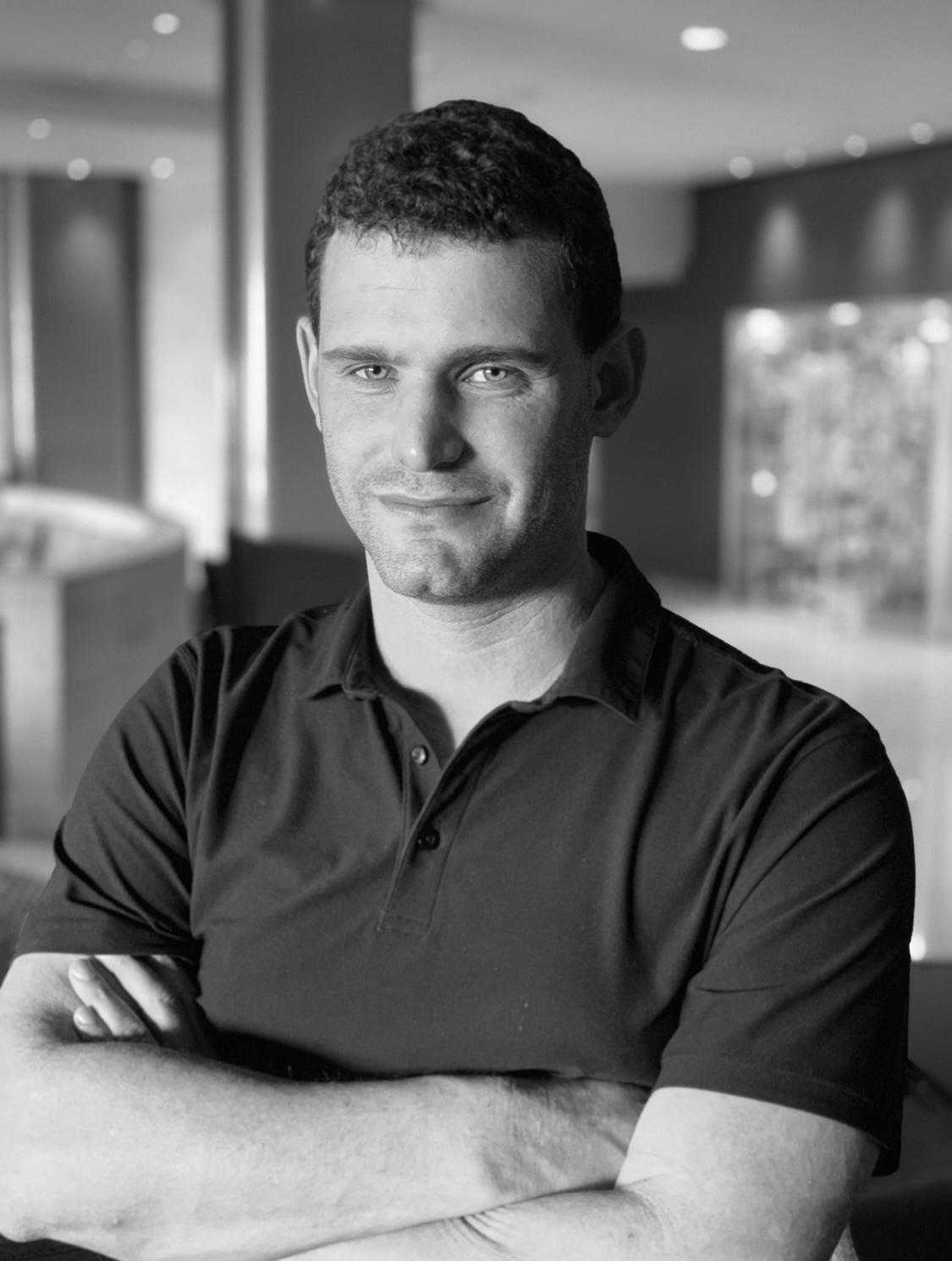
A country in which a centuries-old Jewish community is weighing its future is not a healthy country. A society that forces its Jews to ask whether they still belong has already failed a fundamental test. This moment demands more than sympathy or symbolism. It demands action, clarity and resolve.
- Roy Zabludowicz is a member of the advisory board of Conservative and Labour Friends of Israel

Keep community journalism free.
Jewish News is free for everyone. No paywall. No barriers. Just trusted journalism for anyone who wants to stay connected to Jewish life in Britain.
If you value that, please support us.
From as little as £5 a month, you can help keep our journalism free and accessible to all.
Every day, we report on the issues that matter to our community. We celebrate achievements, support charities, challenge antisemitism and ensure Jewish voices are heard more widely.
From as little as £5 a month, you can help us continue to:
- Report on the stories shaping Jewish life in the UK and beyond
- Bring our community together through shared stories, events and campaigns
- Celebrate the people, culture and moments that define our community
- Support organisations doing vital work across Jewish Britain
You can make a one-off donation or become a regular supporter. Every contribution helps keep our journalism free, independent and accessible to all.
If everyone who values Jewish News gave a small amount, it would make a real difference to our future.