Prefer Jewish News on Google
Why Adam Kammerling’s Seder is a must-see this February
Thought-provoking play at JW3 explores intergenerational trauma and inherited stories
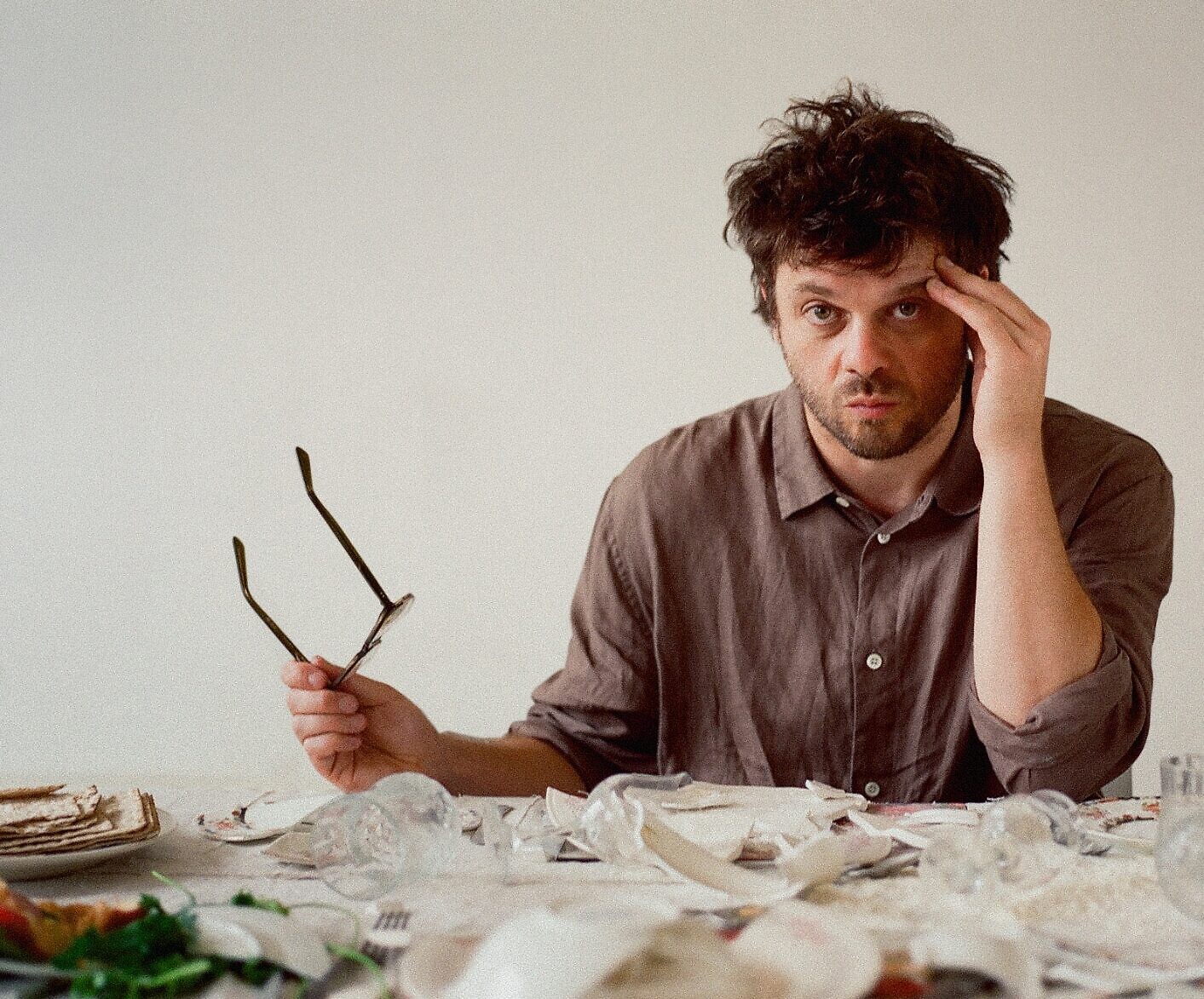
Following a sold out performance at the Southbank Centre, Adam Kammerling his interdisciplinary performance Seder to JW3. Rooted in his personal experience and perspectives, this play explores memory, identity, and ritual through spoken word, dance, and music, using the metaphor of the seder to question how we remember, tell, and live with our history.
Seder confronts inherited stories as Jewish tradition meets contemporary artistic expression. Thought-provoking, tender, sometimes angry and poignant, it wraps personal feeling into wider global narratives and contemporary social contexts.
At the heart of Seder is the ritual of the Passover meal. In Jewish tradition, the seder is an act of collective memory – the retelling of the Exodus story; in Kammerling’s work, it becomes a space to examine fractured histories and the weight of inherited trauma.
The poetry collection of the same name, published in 2020, marks Kammerling’s debut and is notable for its experimental form. The poems move non-linearly through time, voice, and perspective mirroring the fragmented nature of memory itself. Drawing on his own family history — including his grandfather’s arrival in Britain via the Kindertransport and the loss of relatives during the Holocaust — Kammerling explores the way trauma echoes across generations. These personal narratives are interwoven with broader reflections on Jewish identity, survival, and the uneasy relationship between ritual and modern life. The collection was shortlisted for a National Jewish Book Award.
The stage version expands the themes of the book through spoken word, live music, dance, and physical theatre.
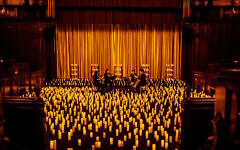
Seder suggests that remembering is an active, sometimes uncomfortable process, one that requires participation rather than passive acceptance. By transforming the seder into a contemporary artistic form, Adam Kammerling creates a work that speaks beyond a single community, offering a universal reflection on how humans carry history within their bodies, language, and rituals.
“The ritual is broken…or the story is broken…and I don’t know if we’re supposed to fix it.”
Seder is at JW3 at 7pm on 17 February 2026. jw3.org

Keep community journalism free.
Jewish News is free for everyone. No paywall. No barriers. Just trusted journalism for anyone who wants to stay connected to Jewish life in Britain.
If you value that, please support us.
From as little as £5 a month, you can help keep our journalism free and accessible to all.
Every day, we report on the issues that matter to our community. We celebrate achievements, support charities, challenge antisemitism and ensure Jewish voices are heard more widely.
From as little as £5 a month, you can help us continue to:
- Report on the stories shaping Jewish life in the UK and beyond
- Bring our community together through shared stories, events and campaigns
- Celebrate the people, culture and moments that define our community
- Support organisations doing vital work across Jewish Britain
You can make a one-off donation or become a regular supporter. Every contribution helps keep our journalism free, independent and accessible to all.
If everyone who values Jewish News gave a small amount, it would make a real difference to our future.