
 Prefer Jewish News on Google
Why Mikveh Night is magical night – and other stories
Pink Lady tells the story of a Charedi marriage from a woman's point of view
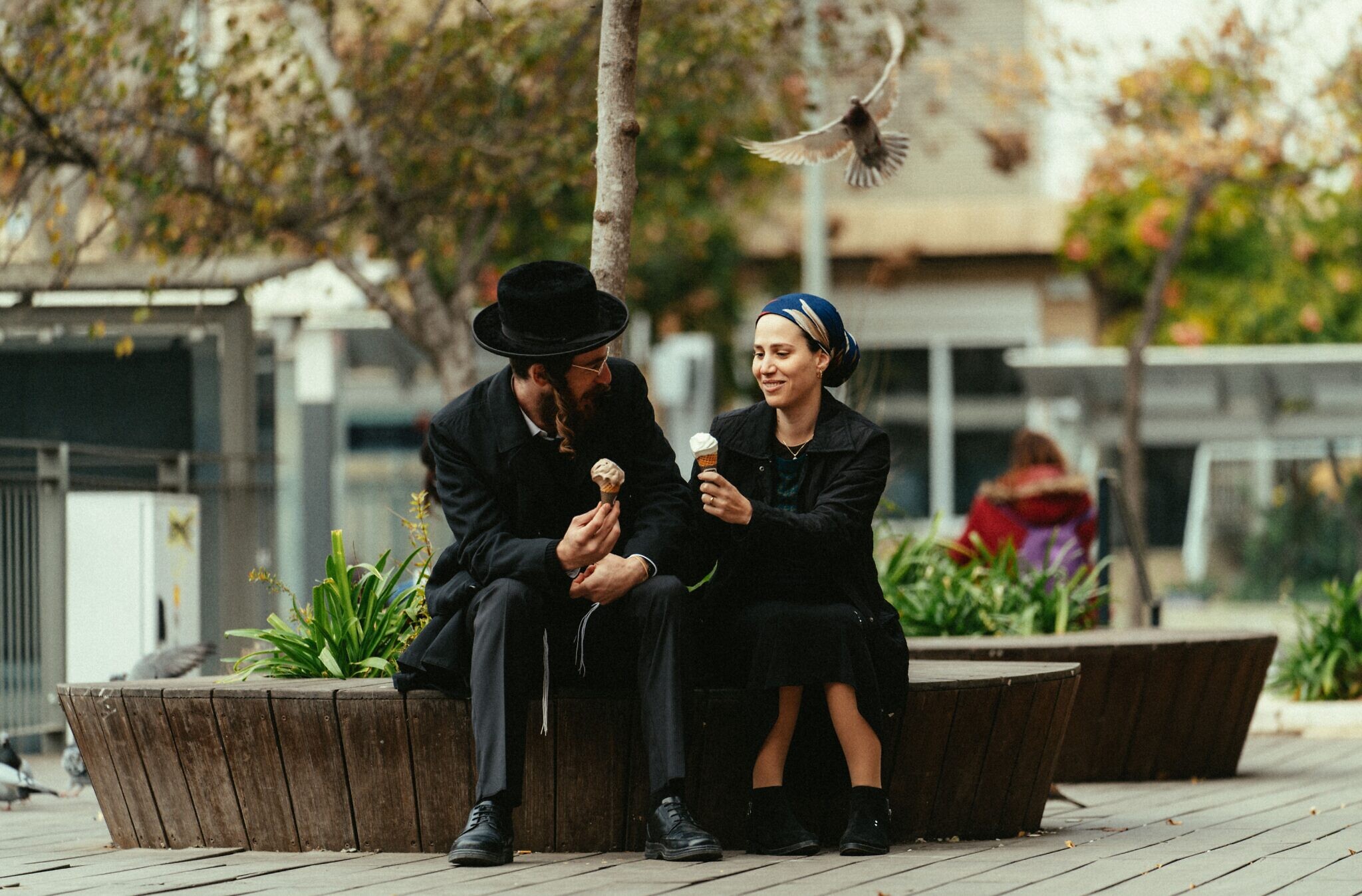
Lap dancing instruction, erotic underwear and porn magazines would seem unlikely props in a cinematic portrait of a Charedi marriage, but Pink Lady is firmly rooted in the experience of a woman who knows what it feels like to be an invisible woman bound to a man who does not desire her.
“We married far too young at 18 and my husband, a yeshiva boy, knew nothing about women,” says Mindi Ehrlich, who won a prize for her first-ever script, one of several awards Pink Lady has garnered on the festival circuit. “He was not gay, but he was not attracted to me and far preferred the company of his male friends,” she remembers of the five-year marriage she left with her toddler son, headed for a secular life which threatened to divorce her from her Charedi family in Jerusalem as well as her husband.
“It was very hard, because I was the eldest of eight daughters, and divorce was considered shaming in our community, with implications for my sisters,” says the originally “naive and curious” lawyer-turned-screenwriter of her journey through the “jungle” of secular Israel over the past 15 years. “But somehow we have managed to remain close, and it is the actual dresses from my siblings’ weddings I borrowed for the receptions we see in the film.”
Pink Lady is all about the intensity of sexual love in marriages where women are untouchable for so many days of the month that “MN” – mikveh night – is translated by mother Bati for her enquiring toddler as “magical night” with more than a degree of truth. Luminously played by acclaimed Israeli actress Nur Fibak, Bati works in a mikveh and befriends a rare visitor from the secular world who comes to purify herself for the partner who has recently found religion.
The fact that gel nail polish, which cannot be removed on the spot, threatens the outsider’s admission to the pure water of the mikveh brings humour to the plot, along with the charismatic spell-weaver who believes her ideas for seduction will overcome any resistance from Bati’s homosexual husband, an affectionate husband and loving father to his three children. The couple’s mothers, horrified by the truth of their children’s challenged marriage, add their own funny moments: “It’s a heavy subject, and humour was needed to bring some balance,” says Ehrlich, who says homosexuality is a real issue in a culture where marrying and begetting children is seen as the only way forward. “Gay Charedi men prefer to struggle on in a marriage to a woman because they see it as the only way,” she says. And so, it seems, does the rabbi who in Pink Lady believes religious conversion therapy can ‘cure’ homosexual inclinations and save such marriages.


This alternately romantic, funny, tragic but always tender film seen from the point of view of Charedi women and the sexual satisfaction Jewish law says is a key right for them in marriage is sure to bring more plaudits to multi-award-wining Israeli director Nir Bergman as well as the screenwriter telling the inside story of a secretive culture with a dark side to the outside world.
Pink Lady is at Reel Borehamwood on 8 November and Phoenix East Finchley on 12 November. ukjewishfilm.org/event/pink-lady

Keep community journalism free.
Jewish News is free for everyone. No paywall. No barriers. Just trusted journalism for anyone who wants to stay connected to Jewish life in Britain.
If you value that, please support us.
From as little as £5 a month, you can help keep our journalism free and accessible to all.
Every day, we report on the issues that matter to our community. We celebrate achievements, support charities, challenge antisemitism and ensure Jewish voices are heard more widely.
From as little as £5 a month, you can help us continue to:
- Report on the stories shaping Jewish life in the UK and beyond
- Bring our community together through shared stories, events and campaigns
- Celebrate the people, culture and moments that define our community
- Support organisations doing vital work across Jewish Britain
You can make a one-off donation or become a regular supporter. Every contribution helps keep our journalism free, independent and accessible to all.
If everyone who values Jewish News gave a small amount, it would make a real difference to our future.





















