
 Prefer Jewish News on Google
Why was a World War II ghetto site in Belarus abruptly sold to a private buyer?
SPECIAL REPORT: Last year Novogrudok's council signed an agreement, with Jewish community participation, to develop a major memorial. What happened next has mystified - and concerned - many
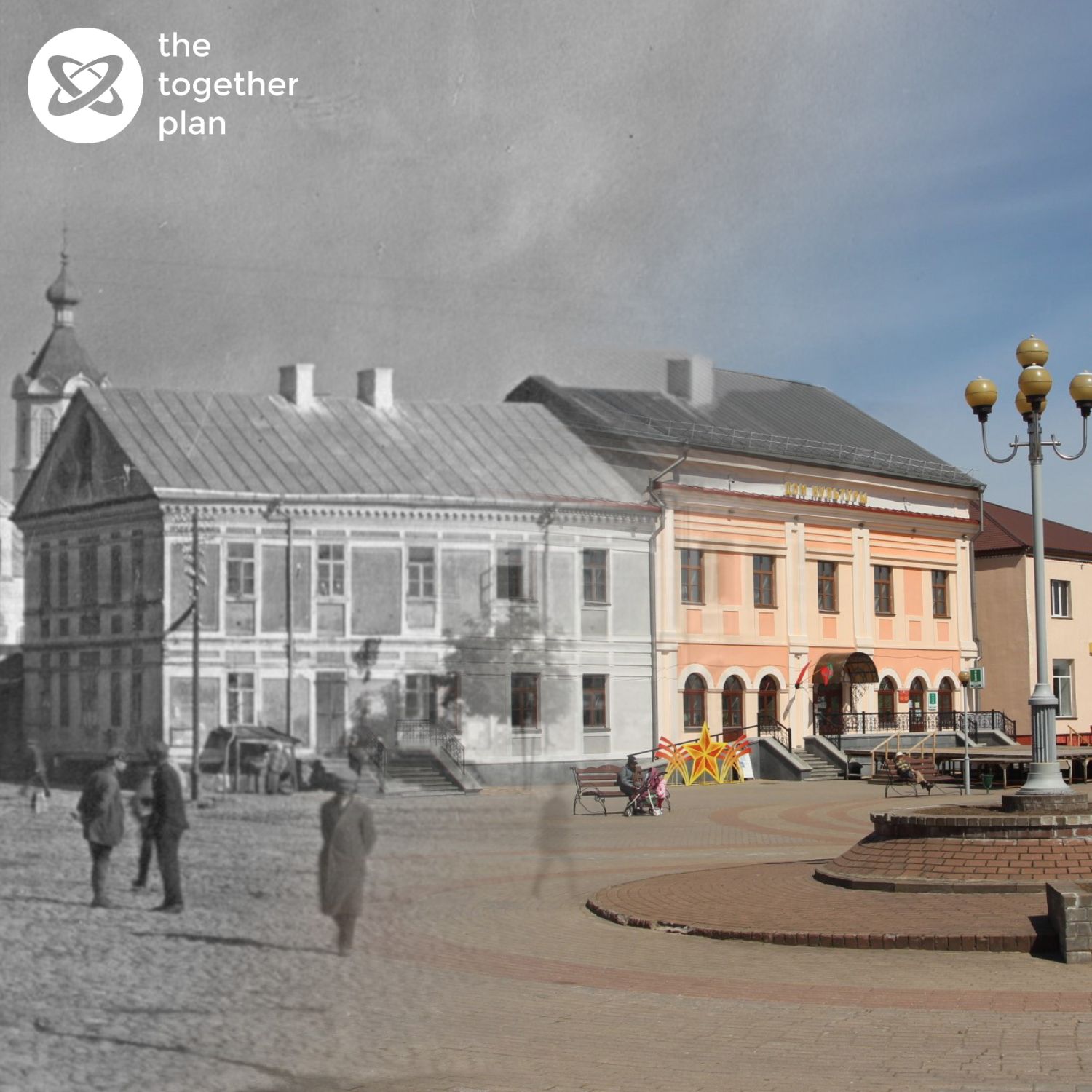
Less than a year after an agreement was signed to expand a Jewish museum memorialising 11,000 victims of Nazi atrocities in Novogrudok, Belarus, the town’s executive committee has abruptly sold the site to a businessman at auction with no warning and no other bidders, Jewish News can reveal.
The auction, which appears to have lasted less than a minute, has voided a 2025 agreement which was made with the involvement of a Belarusian Jewish organisation, and has left the descendants of individuals who managed to escape the Nazi death site highly concerned about plans for the area.
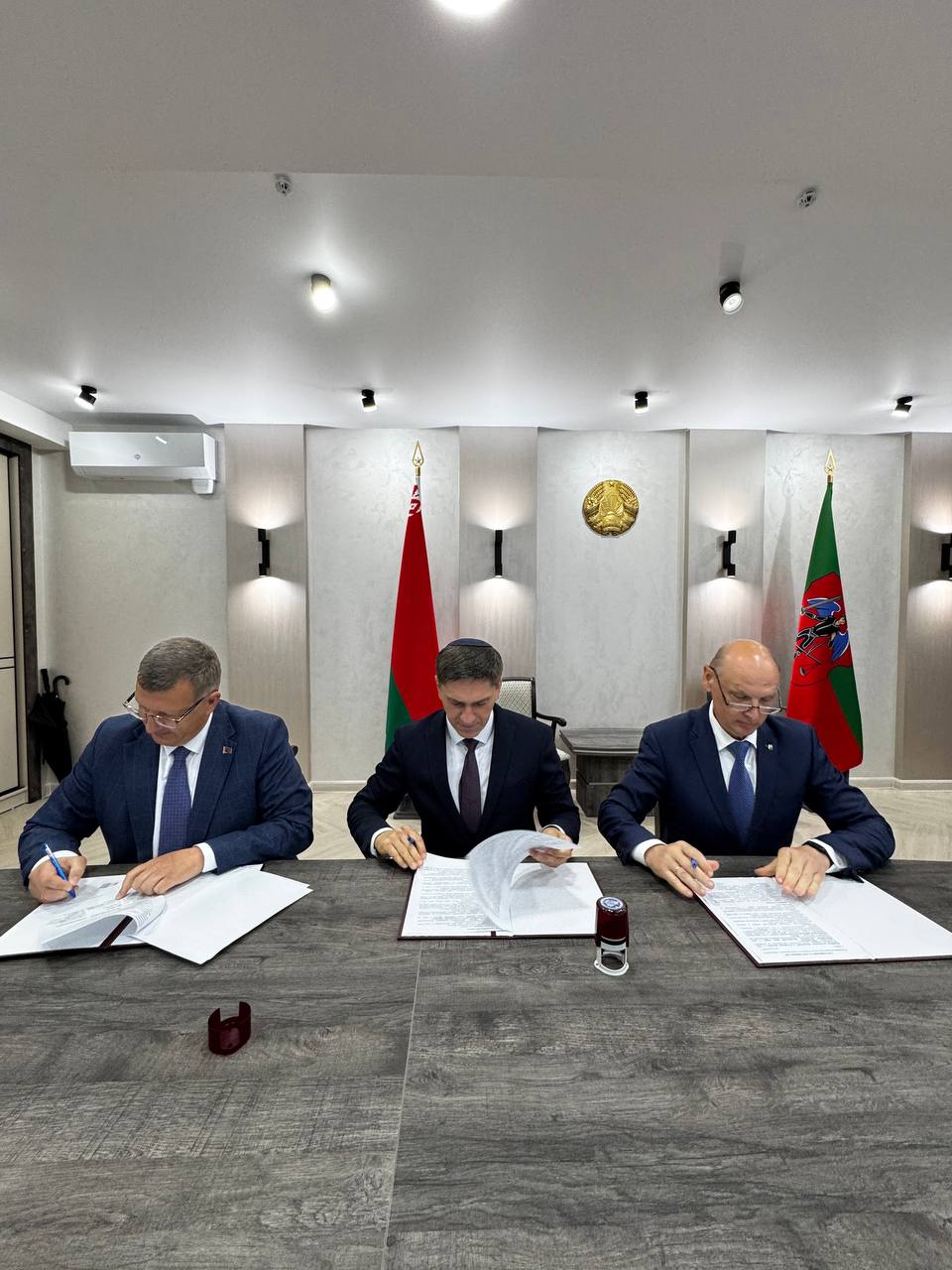
As Jewish News reported last year, a landmark document was signed for the creation of The Belarusian Museum of the Holocaust and Resistance to be based in the town of Novogrudok.
The new institution would have built upon the existing Museum of Jewish Resistance, which opened in 2007.
The 2025 signing meeting brought together the Jewish Religious Union in the Republic of Belarus (chaired by Artur Livshyts and the official partner of UK-based charity The Together Plan), the Belarusian MIR foundation, and the Novogrudok district executive committee.

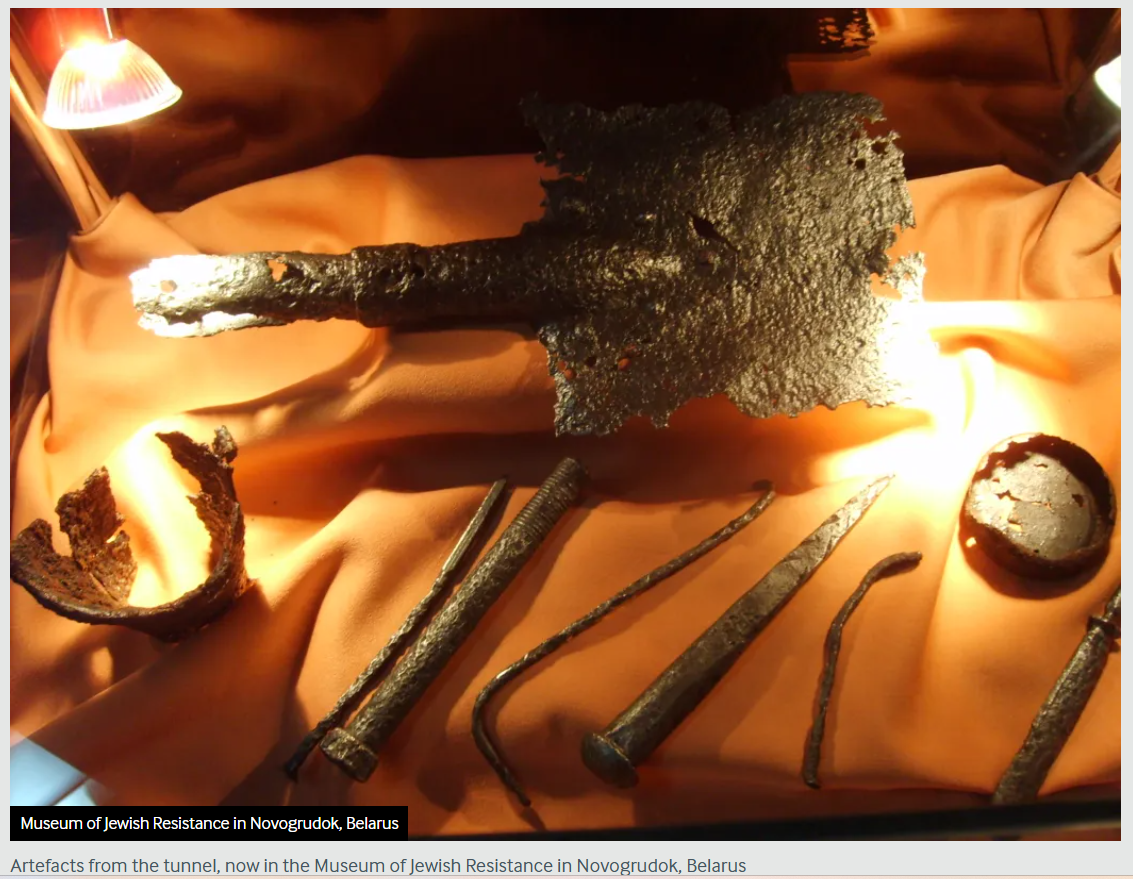
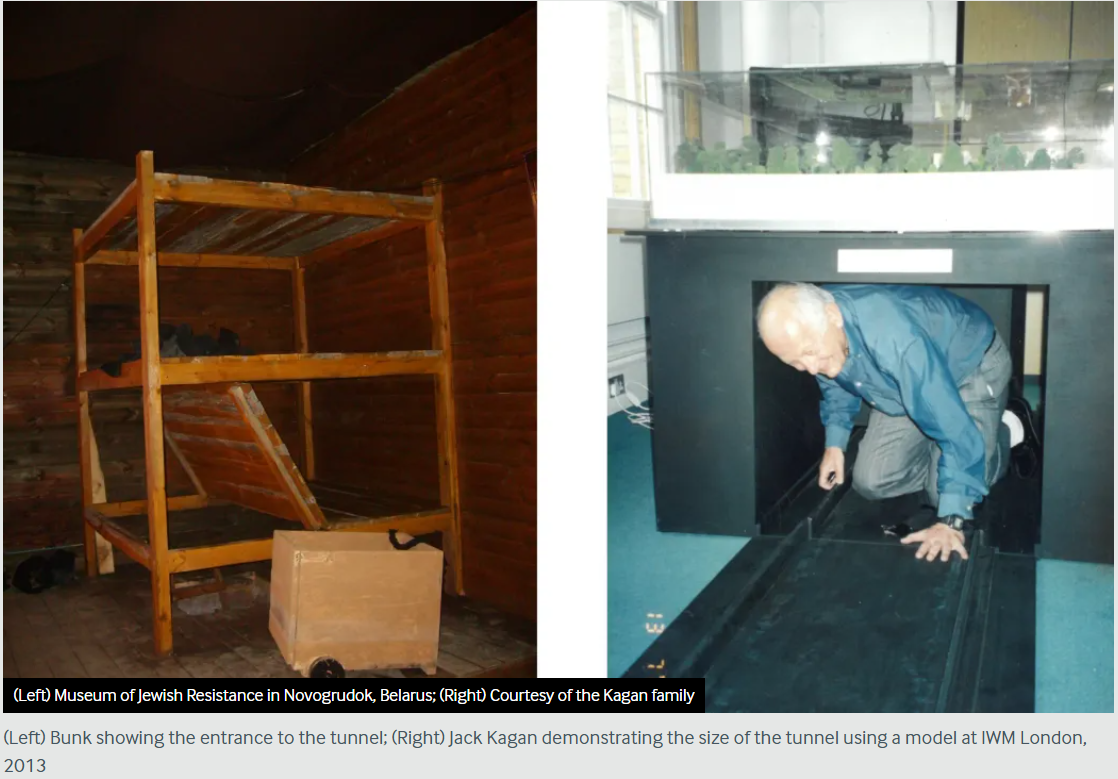
The agreement was to honour the site of an extraordinary act of Jewish resistance on September 26, 1943, when 232 ghetto prisoners carried out the largest documented tunnel escape in Nazi-occupied Europe, digging a 200-metre tunnel in secret over five months.
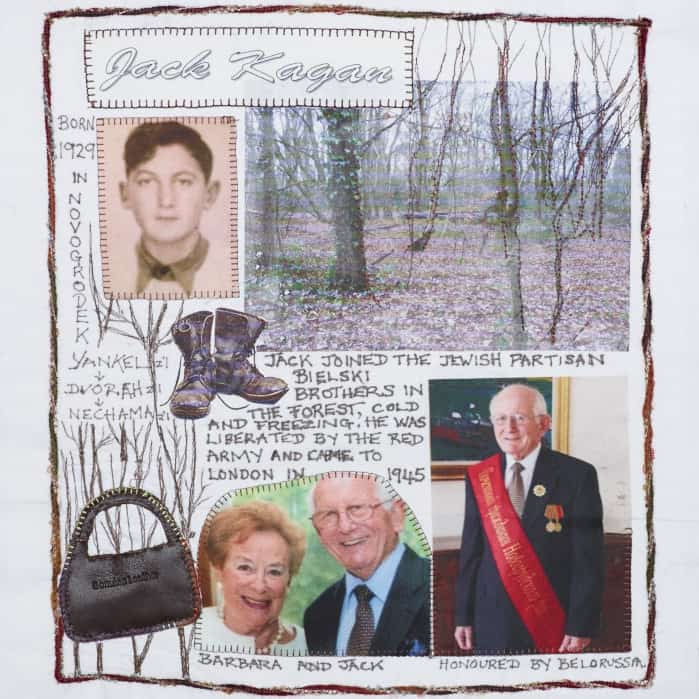
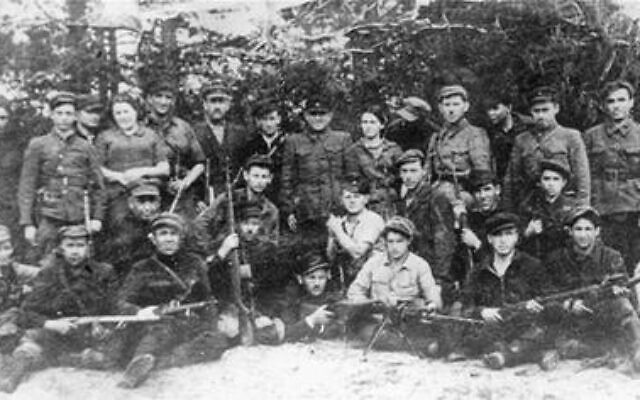
As made famous in the film ‘Defiance’, many of the escapees joined the Bielski partisans, the largest all-Jewish partisan unit in Belarus, who rescued more than 1,200 Jews while fighting Nazi forces from their forest encampment in the Naliboki Forest. One of the tunnel escapees, Jack Kagan, was pivotal in the creation of the 2007 museum.
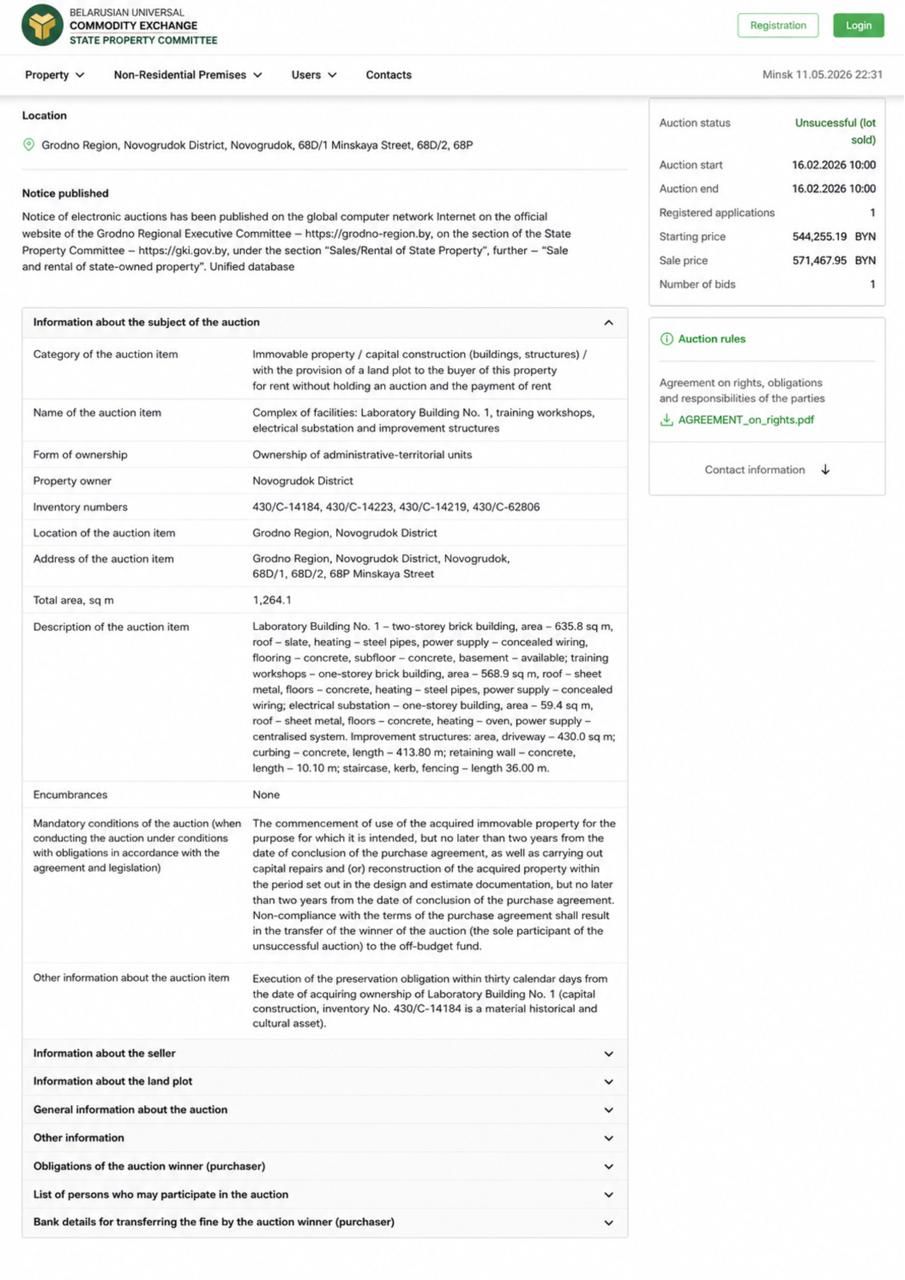
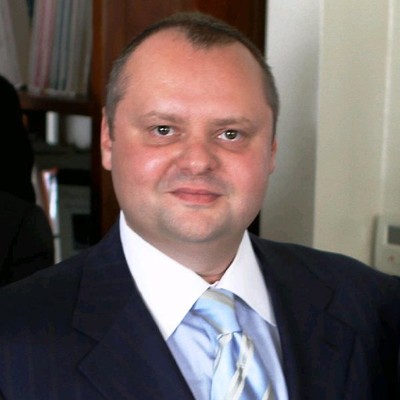
However, in May 2026, after a period of unanswered emails and Whatsapp messages to the Novogrudok committee, Livshyts discovered that the site had been sold at auction, to Andrei Zapolskiy, president of privately owned Kentucky-based Wurtland Oil Works (acronym WOW) for £155k, or just over 571 thousand Belarusian rubles.
A screenshot of the auction on 11 May 2026, shows it was completed in less than a minute, with no other bidders.
Maxim Misko, chairman of the board of the Belarusian MIR foundation, one of the three signatories to the original letter of agreement told Jewish News that the agreement signed in July 2025 “is no longer in force due to changes in the Novogrudok District Executive Committee’s approach and vision for the further implementation of this project.
“The Belarusian Fund of Peace initially viewed its participation as an opportunity to contribute to the realisation of this historically and culturally significant memorial project for Belarus within the framework of the concept proposed by the Jewish Religious Union in the Republic of Belarus. However, under the revised format of the project under current circumstances, the Belarusian Fund of Peace no longer sees an opportunity for its continued involvement.”
Misko added that the charity “remain[s] hopeful that the decisions concerning the museum site and the future development of the project will ultimately contribute to the dignity preservation of historical memory. We firmly believe that the memory of the approximately 11,000 Jews murdered in Novogrudok during the Nazi occupation, as well as the heroism of those who carried out the largest documented tunnel escape from a Nazi ghetto, should be commemorated with the respect and responsibility befitting the significance of this tragic and heroic chapter of history.”
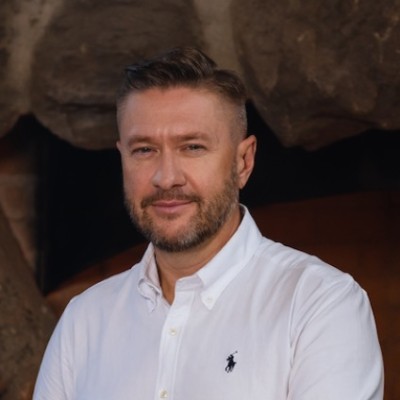
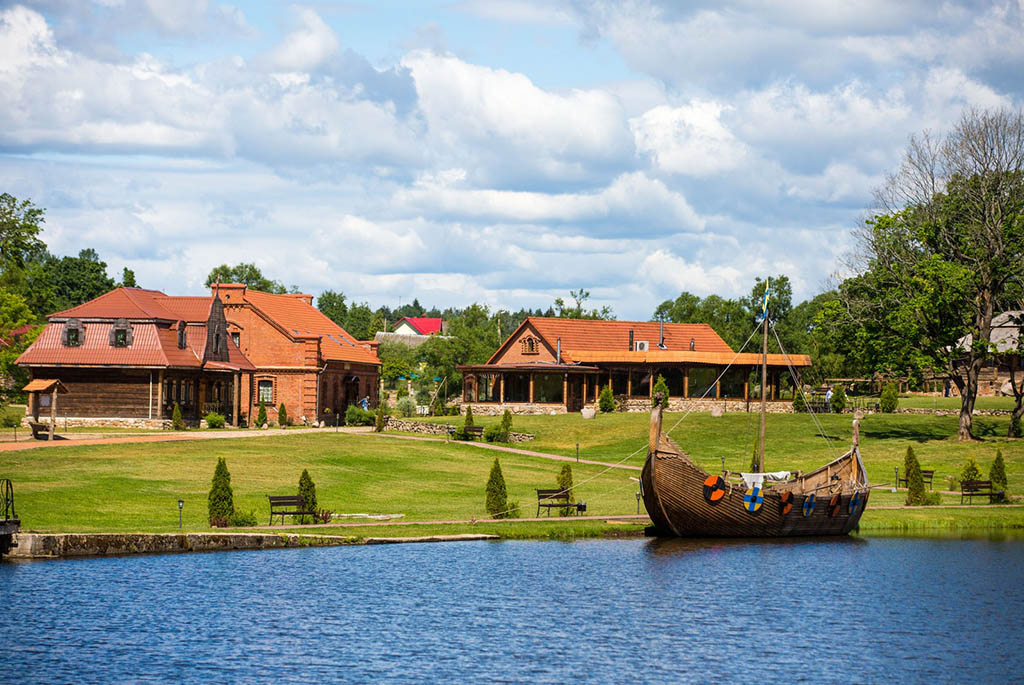
Whether such respect will be accorded to the site remains to be seen. The new owner of the site, Andrei Zapolskiy, has previously developed an interactive theme park near Minsk called Grand Duchy of Sula; a previously abandoned noble estate opened in 2012 after a six-year restoration.
Now billed as a place “where history comes alive”, entry costs 35 Belarusian rubles (£9.50) for adults, and attractions include a beach area with gazebos, restaurants, children’s playgrounds, a grill area where the barbecue is open on weekends and pony rides available for “the little ones”.
The Jewish Religious Union in Belarus is concerned that this approach will be replicated at Novogruduk, something that Zapolskiy strenuously denies. In correspondence with his representatives, Jewish News was asked to speak to Gene Meltser, Zapolskiy’s business partner and childhood school friend from Minsk, who, like him, is now based in the US. Meltser, an immigration, litigation and real estate lawyer, told Jewish News the two men “just became aware of” the previous involvement of the Jewish Religious Union with the site. He said that “their understanding” was that the original agreement made in 2025 “was not an agreement” at all.
Meltser said: “There was some sort of a letter of understanding or something along those lines. And since nothing was done between now and then, they put up the property for the auction, we bid on the property, and we won.”
Meltser added that while “in close contact with Jewish leaders in Belarus, they do know of Mr Livshyts’ existence, but he is definitely not the head of any formal Jewish organisation in Belarus.”
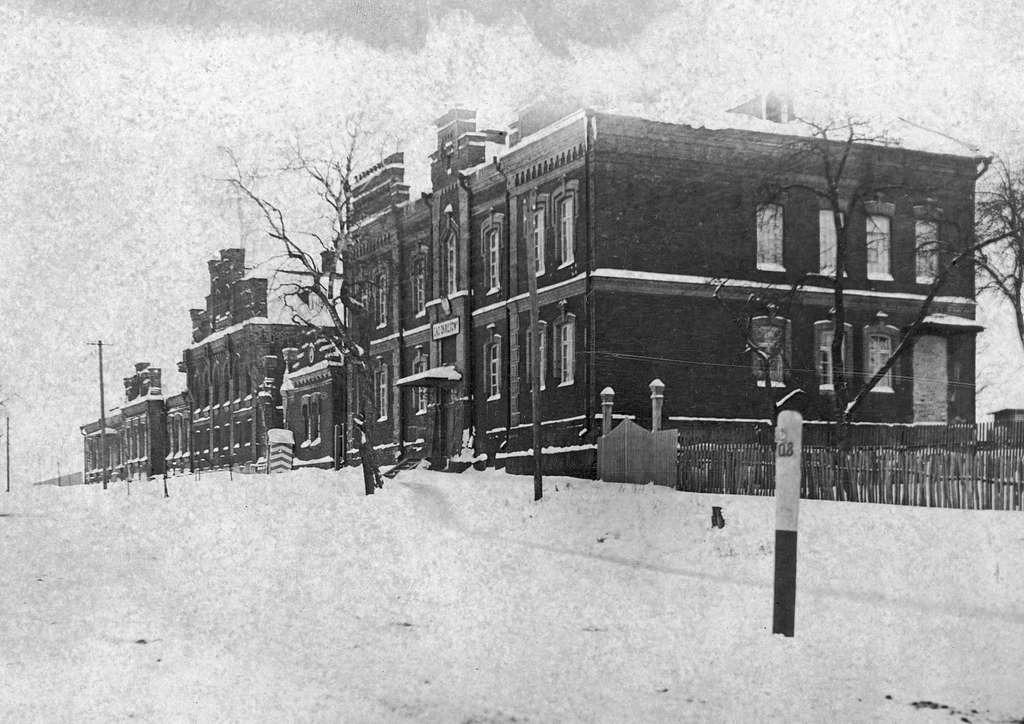
Of Mr Livshyts, chairman of the Jewish Religious Union in Belarus for nearly four years and 2012 co-founder of The Together Plan, Meltser added: “We just became aware of his existence, basically last week” whilst Andre Zapolskiy claimed: “I don’t know who is this person.” (sic)
Arthur Livshyts told Jewish News: “In 2025, the Jewish Religious Union in the Republic of Belarus approached the authorities of Novogrudok with an initiative to establish a Holocaust Museum. As the heirs and guardians of Orthodox Judaism—the very foundation upon which the rich history of Jews in Belarus (the Pale of Settlement) was built—we believed that creating such a memorial space was essential. The choice of location was obvious.
“The unique escape from the Novogrudok Ghetto of Jewish prisoners who dug the longest tunnel of the Second World War and the famous Bielski partisan detachment represent an incredible story of rescue unparalleled in the world. Most precious of all, the authenticity of the site remains intact in Novogrudok: the ghetto grounds, the barrack, the commandant’s building, and the location of the Bielski detachment in the Naliboki Forest. The Museum of Jewish Resistance was already there as well.
“Our idea was to build on that foundation and to create a Holocaust Museum – to tell the world, through this incredible story of Jewish resistance, that even in the face of death, kindness, love, faith, trust and belief finds its way. We also wanted to feature the roles that ordinary Belarusians played in risking their lives to save Jewish people. Many of these people were never recognized as Righteous Among the Nations during the Soviet period, and this was to be a turning point in finally changing this. And so we presented our concept to the authorities of Novogrudok in 2025 and agreed on cooperation.”
Livshyts emphasised that the idea was supported by the Belarusian Mir Foundation, an organisation with “vast experience in implementing large-scale, important projects in our country, and we greatly value their support and partnership”
Of the July 2025 trilateral agreement between the Jewish Religious Union of Belarus, the Mir Foundation and the Novogrudok Municipality, Livshyts said that they “collaboratively held an international conference with scholars and Holocaust specialists from Belarus, the UK, the USA, Israel and Russia.”
With deadlines agreed for the phased implementation of the project and a group of experts established, it “was therefore extremely distressing when we discovered that the agreement had been terminated without any discussion. We subsequently found out that the Museum of Jewish Resistance has been sold to a businessman, with no explanation. We could not even imagine that this Museum could ever be sold. We are left speechless.”
Livshyts’s main question is: “How can you sell memory? The memory of those who perished in that war and the memory of those who survived? I am not aware of a single case in world practice where such important and historic places have been sold to a private individual. Imagine selling Sobibor or Katyn? The mere thought of selling such a sacred place, soaked in the tears and blood of innocent people who are no longer able to defend their truth, is simply unbearable – but for Novogrudok, that seems to be the reality.”
In response to concerns that their proposed two-storey building project, which they hope will be completed late 2026 or 2027, would bear similarities to their Sula theme park, Meltser says: “this [Sula] is a theme park, this [Novogrudok] is a Holocaust museum. This [the latter] is not a money making operation. It will definitely be a non-for-profit type of a setup.”
As to why Novogruduk municipality failed to alert the Jewish community to the auction, he says: “That is way beyond my level of knowledge or comprehension. Feel free to contact them directly. We’ve found out about the property, we acquired the property, and we’re trying to turn it into a museum. I have no idea why the municipality did or didn’t do anything. We were not even aware of the fact that they had some sort of an agreement with someone beforehand. No one reached out to us yet, as far as I know.”
Meltser insists that concerns the planned museum on such hallowed ground will be a commercial venture are “not true in any way, shape or form” and that he and Andrei are involved “due to personal interests in the second world war and growing up in Minsk” where “we would go to the area to dig up artifacts”.
His grandfather, Meltser Aizik (Isaac) Rafailovich was in detachment 106, the second largest Jewish partisan group, which camped 7 km from the Bielskis in the Naliboki forest.
Meltser, who says owning the site is “a dream come true”, adds that the auction “was done by the administration. They put it up. Trust me, we didn’t have to participate in the auction, we would have loved not to spend the money” and “we were not aware of anything that anything was signed, promised, or agreed upon.”
Adding that he is keen to speak to the Yad Vashem international remembrance centre for their support, he adds: “We’re contacting them as well, in order to obtain any and all information possible. We’re trying to obtain the artifacts, we’re trying to obtain the documents, we’re trying to obtain the witness statements, we’re trying to obtain all of it, and we’ll be grateful for any help.”
A spokesperson for Yad Vashem told Jewish News on Wednesday 27 May: “Recent reports regarding proposed developments at the memorial site in Novogrudok have raised concerns. Yad Vashem has neither been informed officially of any new plans for the site nor has it been contacted by any of the prospective developers. The chairman of Yad Vashem has sent a letter to the Belarusian Ambassador to Israel requesting clarification and further information on the matter.”
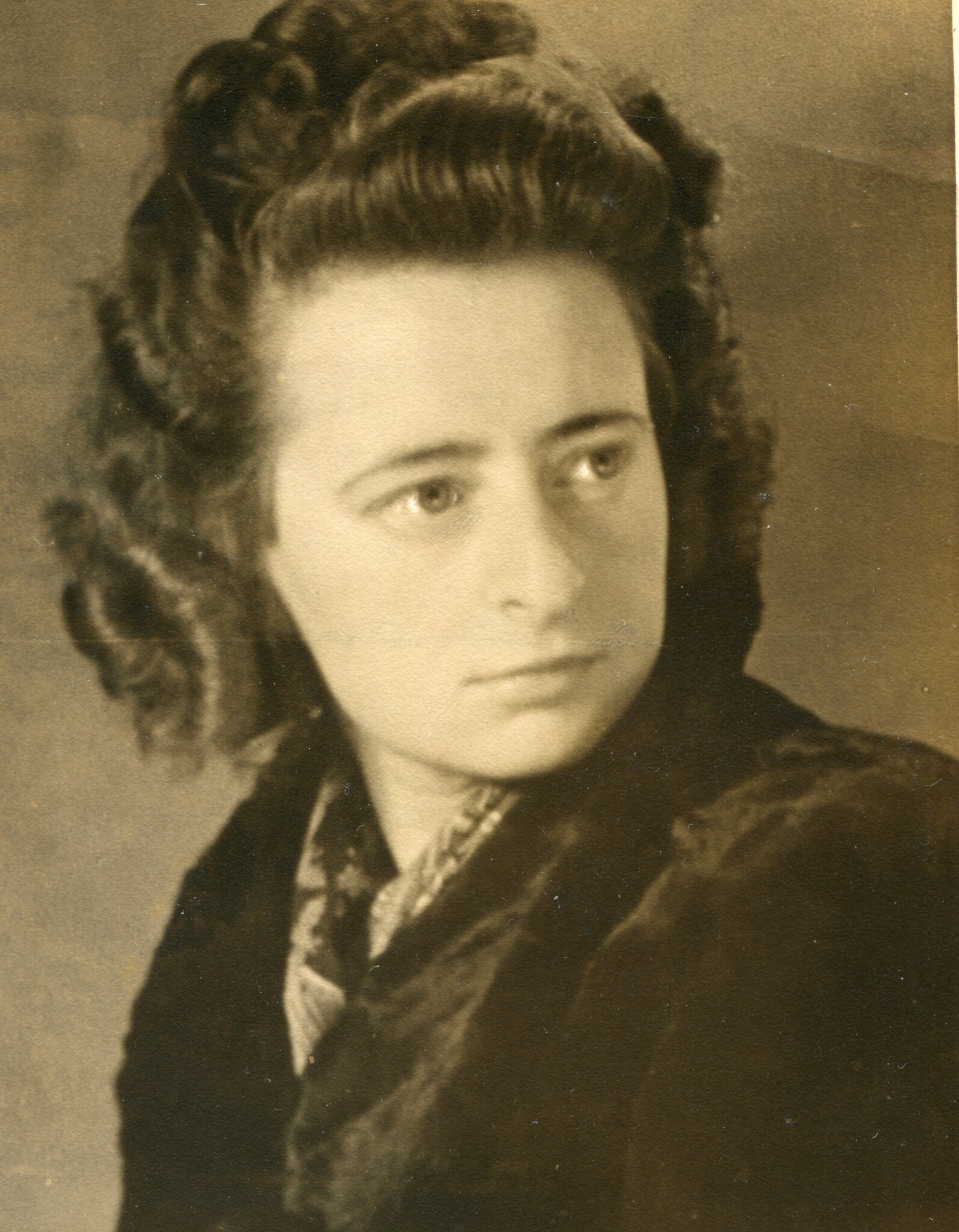
Tamara Vershitskaya, Jewish heritage specialist at The Together Plan, is co-founder of the original 2007 museum and worked closely with the Imperial War Museum to tell the story of tunnel survivor Jack Kagan.
She said: “I don’t know any other country where a ghetto site was sold to a private person when there is practically nothing left, just a couple of buildings. It was me who established that museum and it was always beyond the authority’s interests. When we established the museum in 2007, their reaction was ‘Why do you care about the Jews?'”
“All of a sudden,” she recalls Zapolskiy calling her to say “that he was in Novogrudok and wants to meet because he was told that I was the person who knows this story.”
She duly met Zapolskiy, along with three other people from his Sula park business and they talked for an hour.
“I told him I can’t be with him in this project because of several things, including the agreement that had been signed; I told him many times that if he wants barbed wire and mannequins, I cannot be with him in this project. And each time he confirmed he will.”
Vershitskaya said she “did hope we would continue talking, I could bring to the table my experience, my ideas, the survivors with whom we built this museum. This story is very human and this human aspect should prevail. Maybe he will listen to us and bring those elements to this story and not just barbed wire, towers, machine guns.”
Of his own recollections of Tamara Vershitskaya, Andre Zapolskiy says: “I met some woman, I asked for her help,” because he knew of her involvement in local history.
As to the claims of using mannequins and barbed wire, he admits: “It’s a concept which we are exploring”, and “if there was barbed wire around the encampment, then we’re trying to make it as historically accurate as possible” and that could include “mannequins in order to convey the proportion of the German soldiers to the Jews” adding that “mannequins and display cases are used in every museum in the world in order to display historical artifacts.”
Jewish News understands from historians at the Jewish Religious Union that there were no German soldiers stationed at the ghetto site; they only visited occasionally. Guards were sourced from collaborators.
Debra Brunner, who is founder and president of the U.S based charity Jewish Tapestry Project, the founder and chief executive of the U.K. charity The Together Plan, and a member of the Association for the Preservation of European Jewish Heritage (AEPJ), said: “During a meeting with the Mayor of Novogrudok on Tuesday 26 May, I was shown the site and briefed on plans for a memorial complex. I left deeply concerned after the Mayor confirmed it would be an immersive ghetto experience, including mannequins dressed as Nazi guards and Jewish prisoners crawling through the escape tunnel.
“I was also confused, when I heard that the buyer, Mr Andrei Zapolsky, and his colleague, Mr Eugene Meltser had given assurances in their interviews with the UK Jewish News that this would not be the case. Adding to my shock was the news that one of the buildings, originally a workshop where Jews were forced to labour for the Germans during the ghetto, will be converted into a hotel for visitors seeking a ‘full immersive experience.’
“Beyond that, I was surprised to learn that no survivors or descendants of survivors had been consulted. I emphasised that this site has enormous heritage value and a deeply sensitive history. Creating a memorial of this nature without due process and proper consultation is extremely risky.
“When I asked, neither the mayor nor his staff seemed to know whether the buyer, Mr. Zapolsky, has Jewish ancestry. It didn’t seem to matter to them, which was hugely disappointing.”
Mordechai Raichinstein, Chief Rabbi of the Union of Religious Jewish Congregations in the Republic of Belarus said: “The Jewish Religious Association entered into an agreement to establish a museum there. As the Chief Rabbi, I am familiar with this project and supported it.
“I have no information whatsoever regarding Mr. Zapolsky’s project. Therefore, I cannot express any opinion about it. I would like to emphasise that, in the implementation of any projects at this site, I consider any elements of an entertainment nature to be unacceptable. There should be either a memorial or a museum commemorating the victims.”
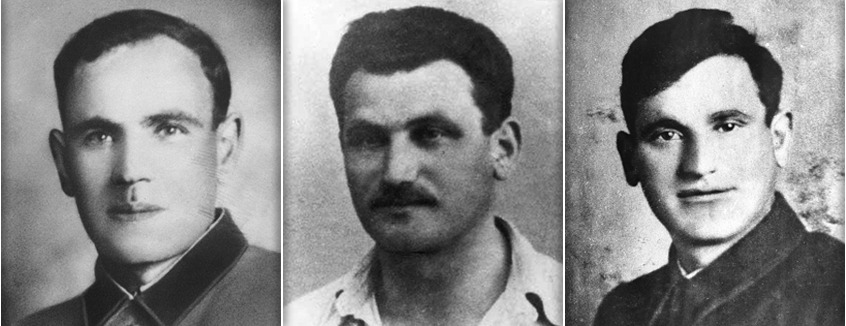
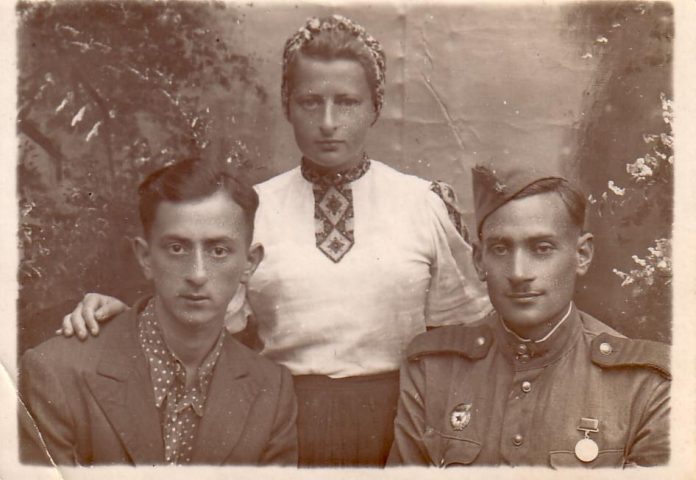
Betty (Batya) Brodsky Cohen, the 73-year old daughter of ghetto escapee Fania (Fanny) Dunetz Brodsky and her brother Mordechai (Motl) Dunetz, wrote the book Tunnel of Hope: Escape from the Novogrudok Forced Labor Camp, in which she identified most of the escapees and found that at least 133 survived.
With the help of a genealogist, she located their descendants all over the world in order to write their stories.
Upon receiving the news of the auction, she has written a petition furiously addressing the “secret sale to a private commercial company owned by one Andrei Zapolsky”.
Addressed to the country’s president Lukashenko, it has to date has been signed by 100 families of those 133 survivors, emphasizing how the “undersigned”, as “descendants of the tunnel escapees from the Novogrudok labor camp” may live in many places but have one thing in common.
“We are all immensely proud of what our brave and courageous ancestors did on September 26, 1943 by resisting the Nazis in what was the greatest escape of the Holocaust,” the letter says.
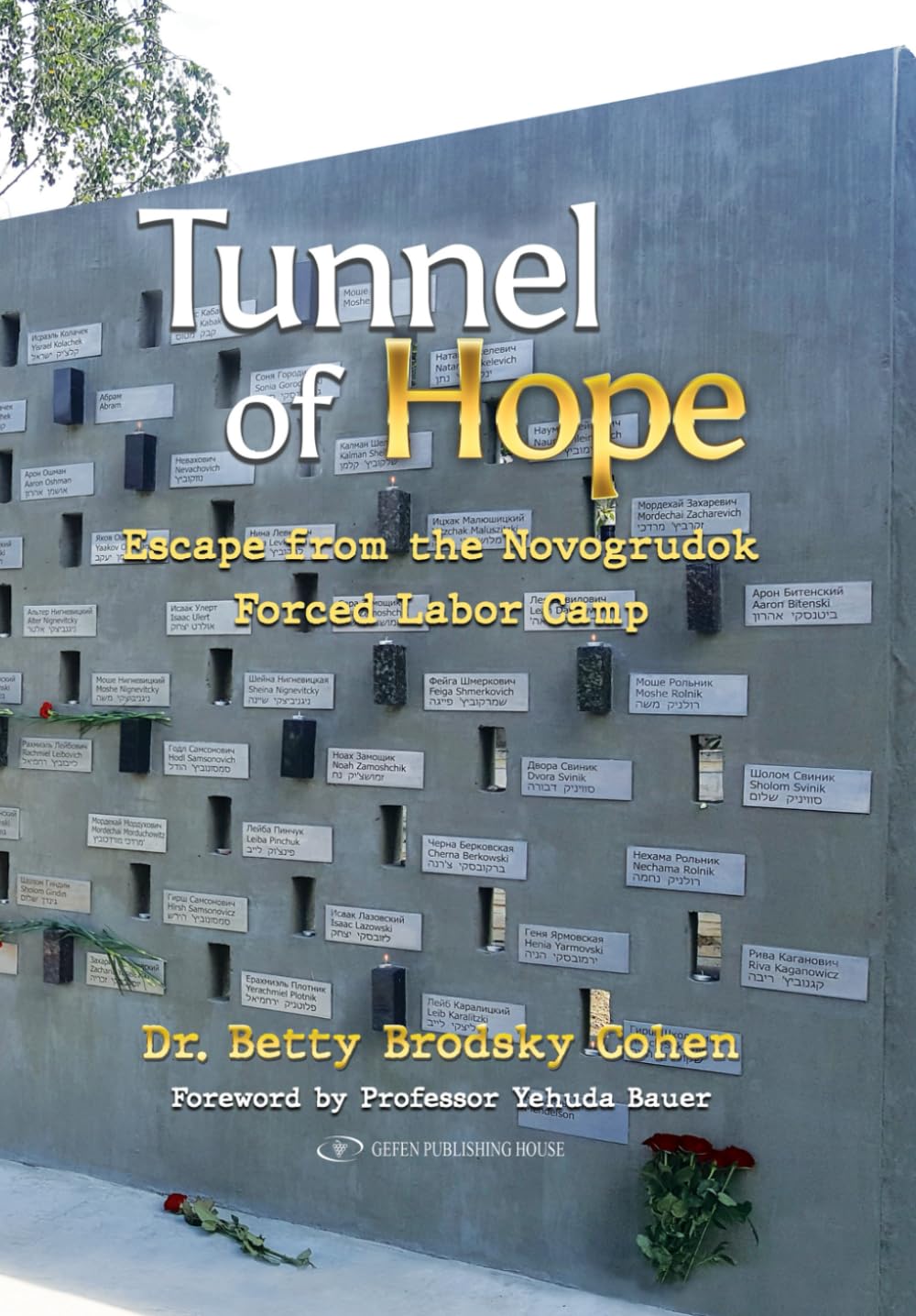
by Dr. Betty Brodsky Cohen
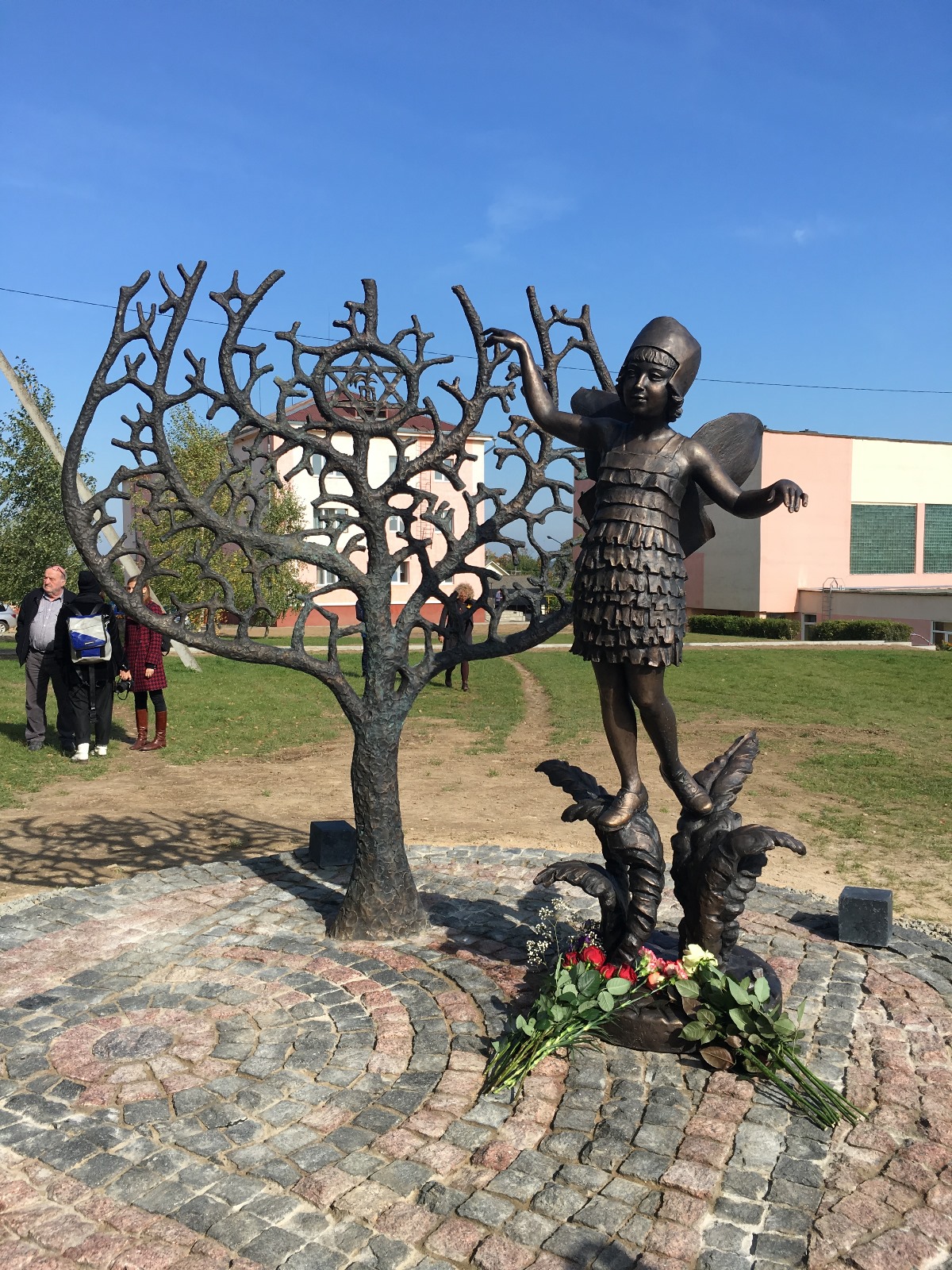
“Many of us have visited Novogrudok, the former labour camp, the Memorial Wall erected in their memory, and the former courthouse where our parents and grandparents laboured in gruelling workshops prior to their act of heroic resistance.
“For us, the labour camp and adjacent buildings are not just of historical importance, they are the last links we have to our parents’ war-time past, as well as to our relatives who were murdered while incarcerated there or during the escape. It is where children of our families were thrown from the roof when discovered in the labour camp. For us, the entire area can be considered holy, as it is associated with the blood of our family and community members. It is a place of commemoration, of remembrance, of communion with our dead.
The signatories describe themselves as “appalled to hear that the entire area containing the Jewish Resistance Museum housed in the former labour camp, the former Courthouse, as well as the Memorial Wall have recently been sold in a secret sale to a private commercial company owned by one Andrei Zapolsky.” The petition alleges that what is planned is the construction of “a permanent interactive Holocaust-themed park, for which entrance will be charged and tickets will be sold”.
It adds that with “mannequins ordered from China, and plans for barking dogs (real or robotic), the construction of watch-towers and barbed-wire fences, the tragedy of the Jews of Novogrudok and the surrounding areas will be turned into a theme-park attraction. As such, it will be an insult to the memory of the victims as well as to us, their living descendants. This travesty must be halted. The tragedy of our families must not be allowed to be turned into entertainment. We appeal to your sense of morality that you will not allow this to happen.”
Christine Bielski is the daughter in law of Tuvia Bielski, the leader of the three famous partisan brothers, alongside Asael and Zus, who saved more than 1,200 Jews from the Holocaust in their hidden forest camp in Belarus.
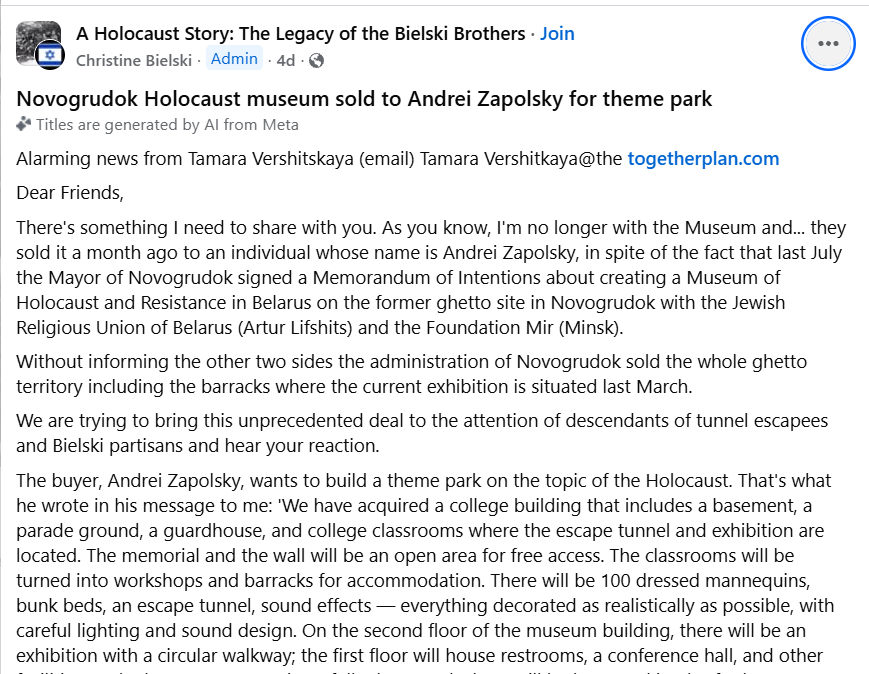
Bielski, who is manager of the nearly three thousand strong Facebook member group, the Bielski Foundation page, she told Jewish News: “The idea of a Holocaust-based theme park is an affront to those who fought for their lives and survived this dark period in history. A theme park will surely be a sanitized version of the ghetto, the tunnel escape, and the constant struggle of the Bielski partisans to survive. We have a theme park in Florida that’s focused on dinosaurs. They have life-sized models of dinosaurs so we can see how they lived, now that they’re extinct.
“I can’t help but feel a Holocaust-themed park will enable people to see what the Jews went through, now that they’re no longer around, and some of the visitors will be happy about that. Not the message we want to send. If anything, these grounds should be sanctified so we never forget. Given the world-wide resurgence of antisemitism this idea is in particularly bad taste.”
She also shared a message with the group from Tamara Vershitskaya expressing her concerns over Andrei Zapolsky: “He wants thousands of tourists to come and visit this place (which is good), yet, he has no clue about the value of this place and two incredible stories which are interconnected, create an exclusively important page in the history of the Holocaust and carry lessons important for every single person who gets acquainted with them. And he doesn’t want to hear that what he suggests is not the right way.”
The purchase raises incredibly uncomfortable questions. How was a site of significant and highly emotional Jewish historic import put up for sale in such a fashion? Can such memories really have been purchased for £155,000 in the space of less than a minute? Most importantly, perhaps: How is it conceivable that a site of Nazi murder of Jews could now be developed without the support and inclusion of the local Jewish community?
At the time of writing, neither Gregory Abramovich, Chief Rabbi of the Religious Association of the Progressive Judaism Communities in the Republic of Belarus, the Mayor of Novogrudok, nor the Novogrudok municipal executive committee, have responded to requests for comment.

Keep community journalism free.
Jewish News is free for everyone. No paywall. No barriers. Just trusted journalism for anyone who wants to stay connected to Jewish life in Britain.
If you value that, please support us.
From as little as £5 a month, you can help keep our journalism free and accessible to all.
Every day, we report on the issues that matter to our community. We celebrate achievements, support charities, challenge antisemitism and ensure Jewish voices are heard more widely.
From as little as £5 a month, you can help us continue to:
- Report on the stories shaping Jewish life in the UK and beyond
- Bring our community together through shared stories, events and campaigns
- Celebrate the people, culture and moments that define our community
- Support organisations doing vital work across Jewish Britain
You can make a one-off donation or become a regular supporter. Every contribution helps keep our journalism free, independent and accessible to all.
If everyone who values Jewish News gave a small amount, it would make a real difference to our future.





















