Prefer Jewish News on Google
2,000-year-old Pilgrimage Road to Temple Mount opens to the public
Excavation teams discover coins, merchant weights, and a stone measurement table – all testifying to vibrant commercial activity
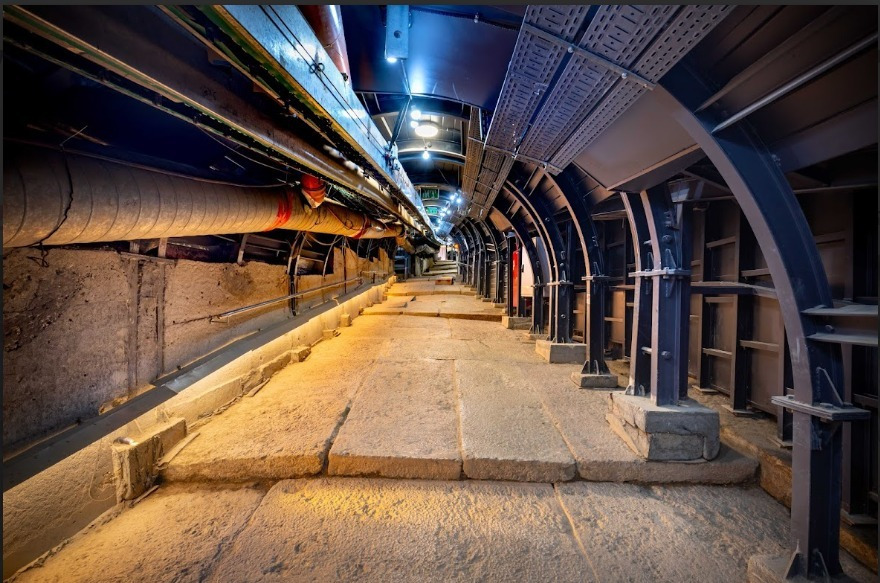
For the first time in 2,000 years, visitors can walk the ancient main street of Jerusalem that once led millions of pilgrims to the Temple Mount.
The pathway from the Second Temple period is considered one of the most remarkable archaeological finds in Israel and also one of the most complex and expensive excavation projects that has ever taken place there.
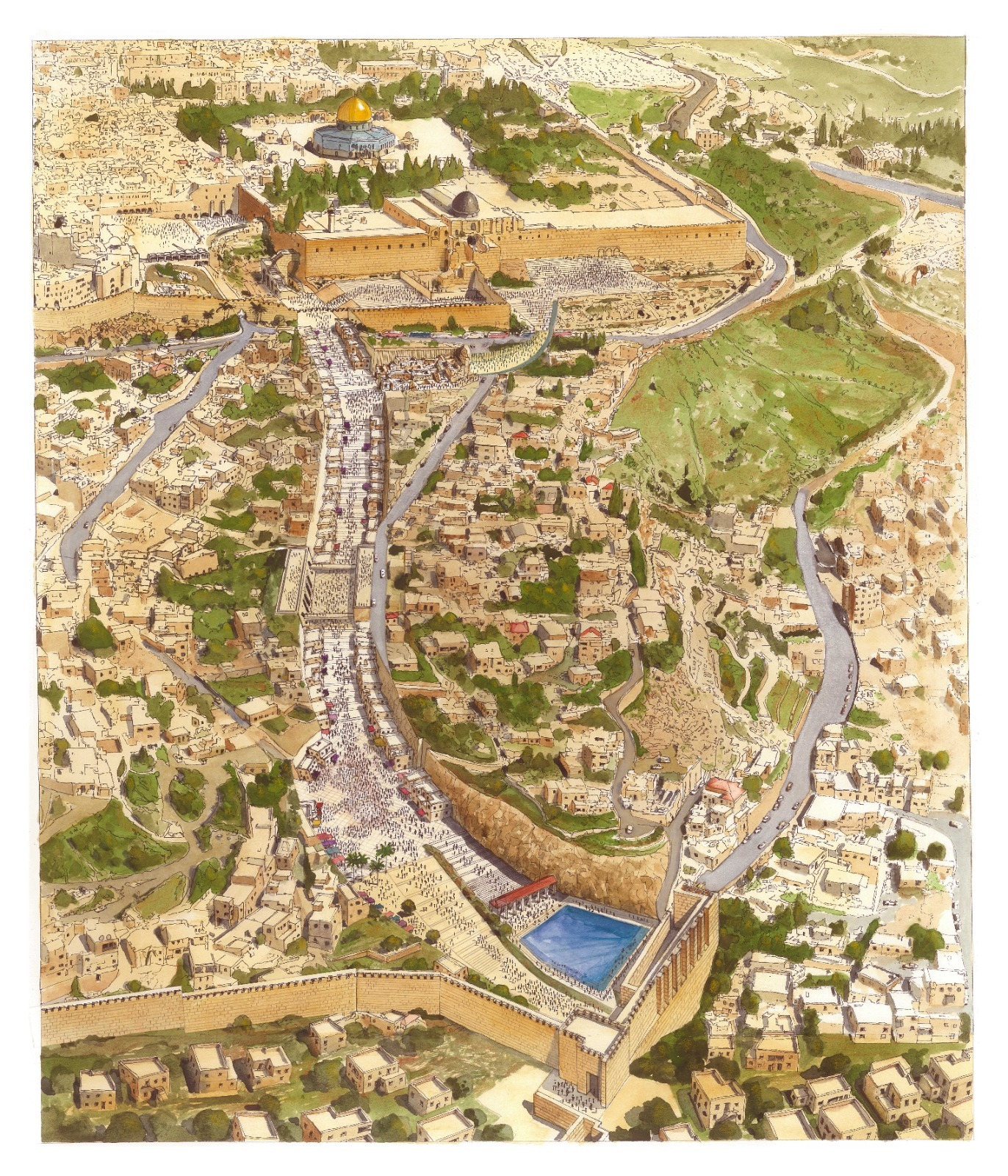
The road is 600 metres long and 8 metres wide; the southern end the road widens further, reaching a width of 30 metres.
Dating to the Second Temple era, the thoroughfare functioned as a vital corridor linking the Pool of Siloam (the Jerusalem reservoir) with the Temple Mount complex.
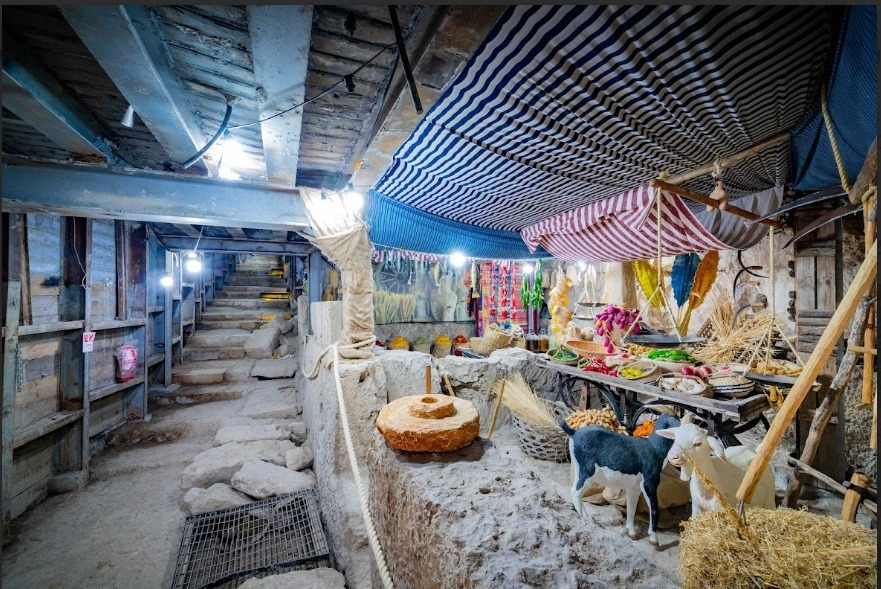
Excavation teams unearthed compelling evidence of daily life: monetary coins, merchant weights, and a stone measurement table – all testifying to vibrant commercial activity.



Below the stone-paved surface, researchers also discovered an extensive water channel that transformed into a hiding place when the Great Revolt erupted in 66CE. Artifacts uncovered include kitchen vessels, clay oil lamps, hundreds of ancient coins, and even a Roman soldier’s sword.
Recent research indicates that the road was built after Herod’s time, under the Roman governors of Jerusalem and that it was most likely built by the Roman Governor Pontius Pilate.
- The Pilgrimage Road is now open to the public for guided tours.

Keep community journalism free.
Jewish News is free for everyone. No paywall. No barriers. Just trusted journalism for anyone who wants to stay connected to Jewish life in Britain.
If you value that, please support us.
From as little as £5 a month, you can help keep our journalism free and accessible to all.
Every day, we report on the issues that matter to our community. We celebrate achievements, support charities, challenge antisemitism and ensure Jewish voices are heard more widely.
From as little as £5 a month, you can help us continue to:
- Report on the stories shaping Jewish life in the UK and beyond
- Bring our community together through shared stories, events and campaigns
- Celebrate the people, culture and moments that define our community
- Support organisations doing vital work across Jewish Britain
You can make a one-off donation or become a regular supporter. Every contribution helps keep our journalism free, independent and accessible to all.
If everyone who values Jewish News gave a small amount, it would make a real difference to our future.