Prefer Jewish News on Google
More than 1,000 previously unnamed Babyn Yar massacre victims identified
New discoveries on 84th anniversary of massacre near Kyiv made possible through unprecedented archival access and digitisation
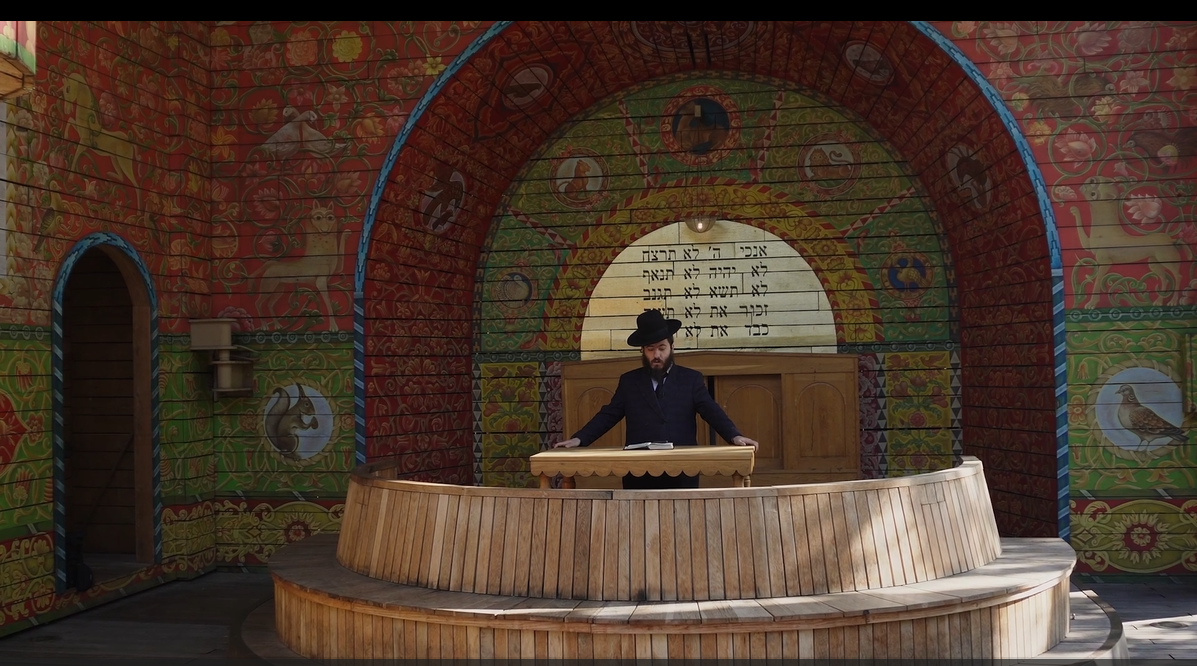
The Babyn Yar Holocaust Memorial Centre has restored the identities of more than 1,000 victims of one of the Holocaust’s worst massacres, with their names read aloud for the first time in a Kaddish ceremony at the site on Monday.
This week marks the 84th anniversary of the two-day period in 1941 when the Nazis murdered more than 33,000 Jews by machine gun at the Babyn Yar ravine on the outskirts of Kyiv. The newly discovered identities of 1,031 previously anonymous victims serves to show the age range of those murdered – it includes both a 9-month old girl and a 102-year old man.
Despite the ongoing war in Ukraine and the difficult security conditions, researchers have managed to recover the names – in part due to the opening of archival sources in Ukraine that had been closed for 75 years. The Kyiv-based memorial shared them with Yad Vashem, the World Holocaust Remembrance Centre in Israel.
Overall, during the two years of German occupation, about 100,000 people, including Jewish families, Roma, and Ukrainian political prisoners, were murdered at Babyn Yar by the Germans and their local collaborators.
The new discovery is part of a report presented by the Babyn Yar Holocaust Memorial Centre, whose database contains 29,671 names of victims, with details including ages, addresses, relatives, professions, and circumstances of death. The Memorial Centre has scanned about 7 million documents, creating a digital archive of 8 million items – the largest in Eastern Europe.

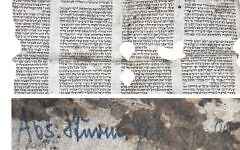
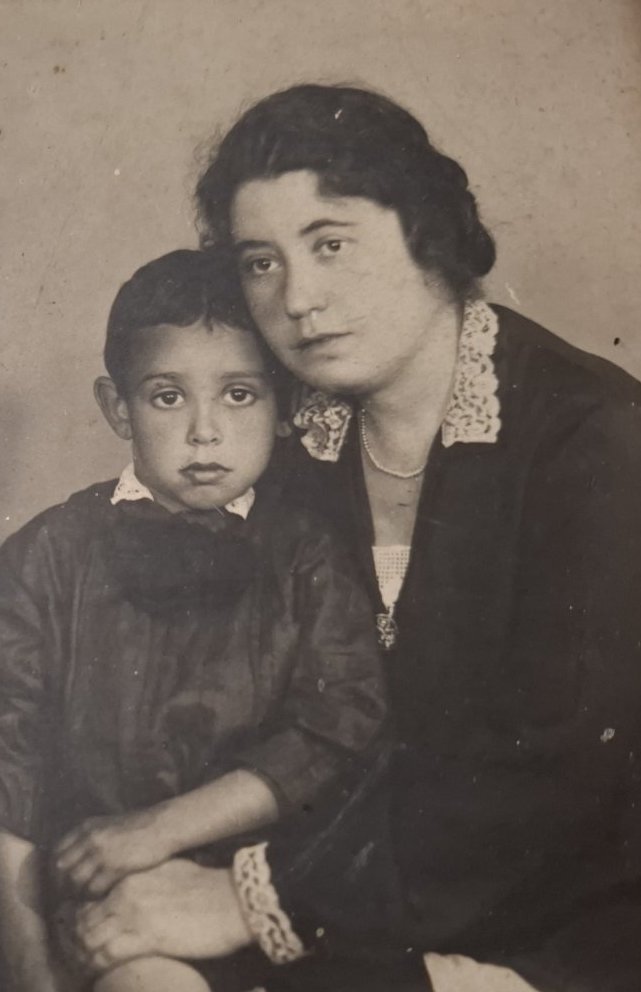
Among the newly discovered materials are applications to adopt children orphaned after their parents were murdered at Babyn Yar, petitions by citizens seeking legal recognition of relatives’ deaths for inheritance, remarriage, or financial support, and birth certificates from the 1920s and 1930s that helped identify children murdered alongside their parents.
One striking case is a 1946 legal file detailing the plea of Zindel Kravetsky, who sought recognition of the deaths of his wife and three children – 8-year-old Aron, 6-year-old Zoya, and 4-year-old Vova – all murdered at Babyn Yar.
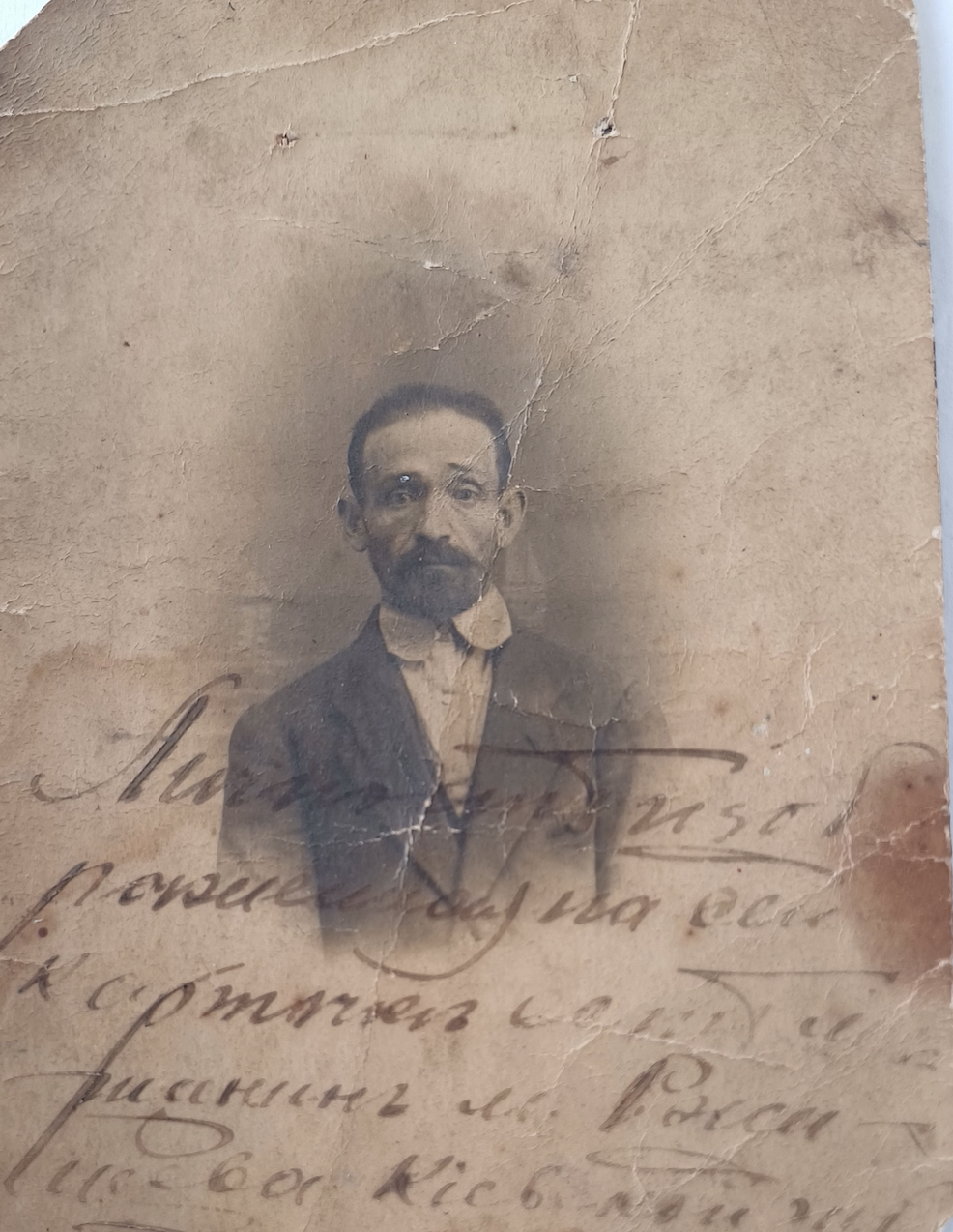
Another record documents Rakhil Meirovna Kravets, born in 1863, who fled Korosten to Kyiv at the outbreak of the war, only to be murdered in the killing ravine.
Since the Ukraine war began, 300,000 people, including international leaders and Ukrainian citizens, have visited the sombre memorial site and 600 educational tours have been conducted, underscoring the growing commitment to remembrance even during wartime.
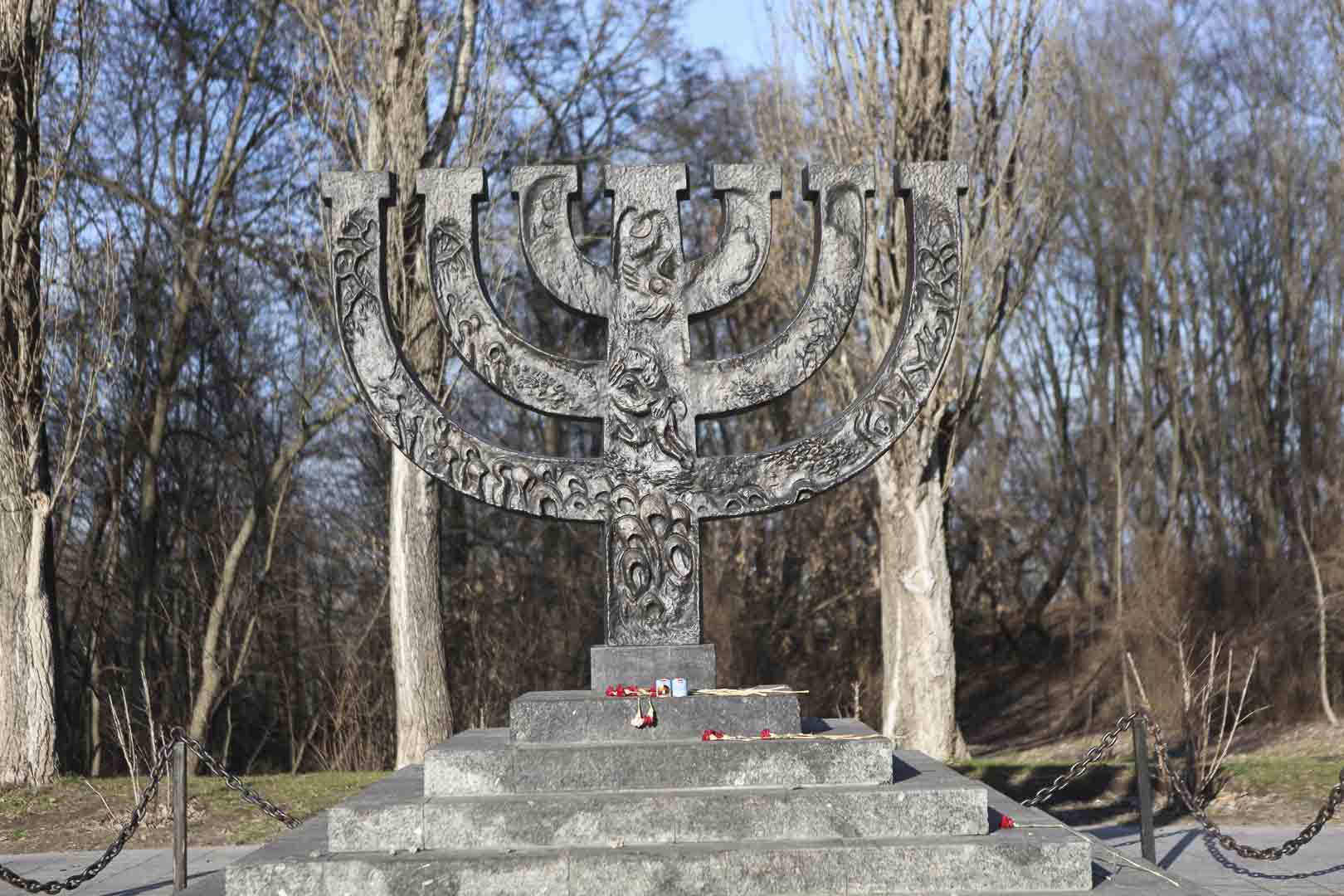
Natan Sharansky, former Soviet refusenik and chairman of the Babyn Yar Holocaust Memorial Centre, said: “Memory is a moral weapon against denial, oblivion, and distortion. The war in Ukraine is an ideological war no less than a war over territory. There is a blatant attempt to undermine history and even erase it.
“Every name we succeed in restoring to existence contributes to Holocaust commemoration and advances justice and dignity for its victims. I salute the work of our researchers, who continue tirelessly under fire. Precisely in times of war, the obligation to defend the truth is doubled.”
During the Soviet era, memory of the massacre was suppressed, and Jewish victims were not mentioned by name.
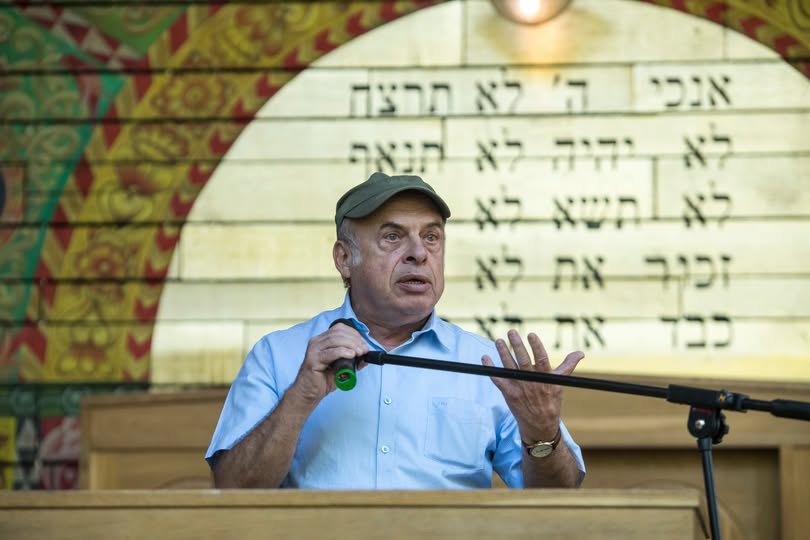
The Babyn Yar Memorial, together with the International March of the Living also held a memorial event on Monday at the National Library in Jerusalem, which included an exhibition featuring items from Ukraine’s Jewish community before the war.
Revital Yakin Krakowsky, chief executive of March of the Living Israel, added: “Babyn Yar, the symbol of the ‘Holocaust by Bullets,’ tells the story of more than 2 million Jews who were shot and thrown into mass graves across Eastern Europe. On this day, we bring their story, honour their memory, and pray for an end to the war in Ukraine. We hope to march in Kyiv at the Babyn Yar memorial site next year, which will mark 85 years since the massacre.”
- The report and full list of names is available here.

Keep community journalism free.
Jewish News is free for everyone. No paywall. No barriers. Just trusted journalism for anyone who wants to stay connected to Jewish life in Britain.
If you value that, please support us.
From as little as £5 a month, you can help keep our journalism free and accessible to all.
Every day, we report on the issues that matter to our community. We celebrate achievements, support charities, challenge antisemitism and ensure Jewish voices are heard more widely.
From as little as £5 a month, you can help us continue to:
- Report on the stories shaping Jewish life in the UK and beyond
- Bring our community together through shared stories, events and campaigns
- Celebrate the people, culture and moments that define our community
- Support organisations doing vital work across Jewish Britain
You can make a one-off donation or become a regular supporter. Every contribution helps keep our journalism free, independent and accessible to all.
If everyone who values Jewish News gave a small amount, it would make a real difference to our future.