Prefer Jewish News on Google

Cars don’t carry out terror attacks, people do
Publications need to permanently change their descriptions of instances where those poisoned by an ideology seek to carry out vehicular murder
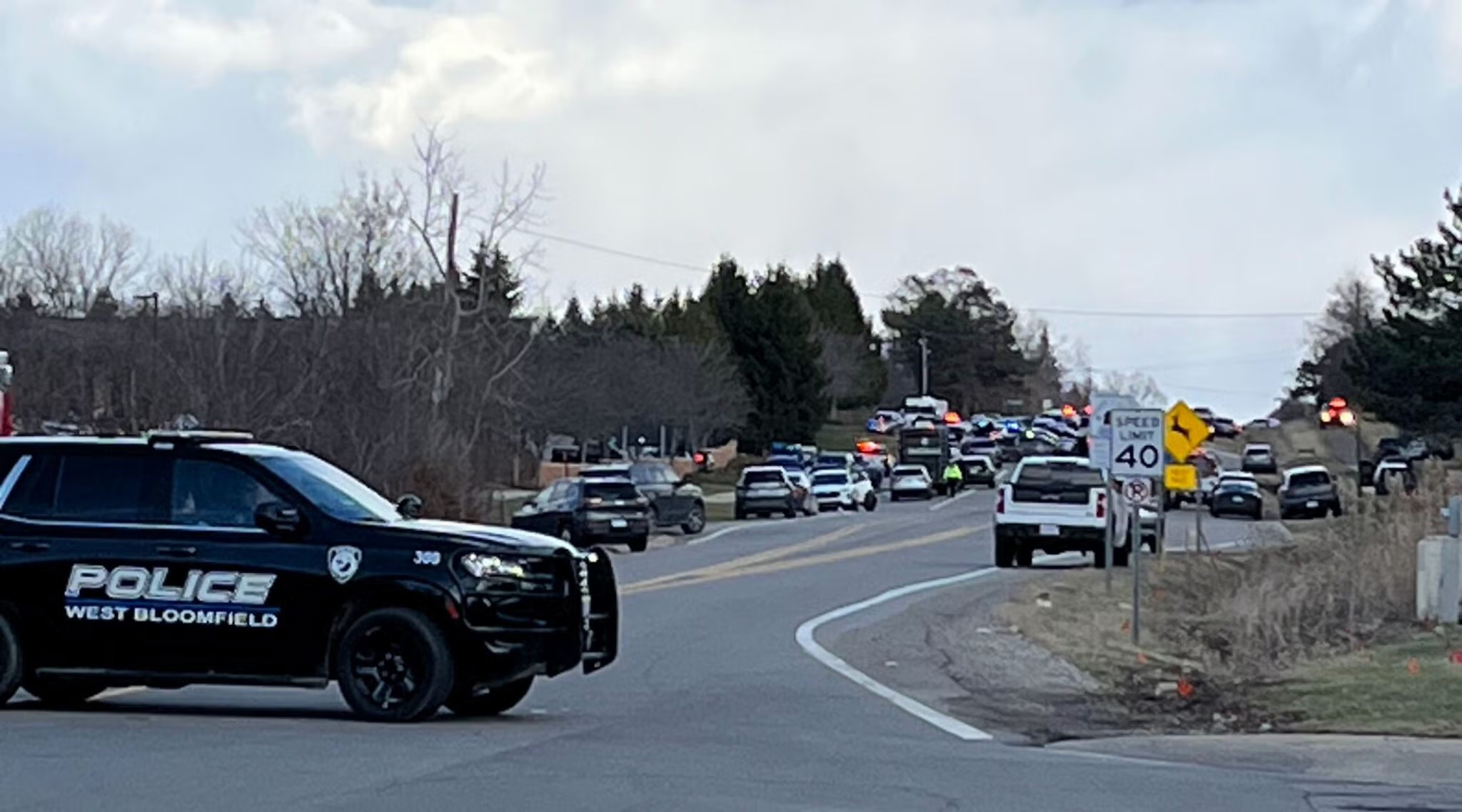
I don’t quite know how to say this, but it has happened again. A car has rammed into a group of people in Berlin, killing one person and injuring 17. Neighbours of the car described it as polite and studious, mostly keeping to its garage, and driving from point A to point B without complaint when necessary. A former friend from driving school described the vehicle as quiet and reserved, and expressed astonishment that it would carry out such an attack.
If this sounds like the plot of a Pixar movie dreamed up by someone off their face on fentanyl, I don’t blame you. But somehow, every time a terrorist decides to drive three tons of moving metal into a crowd, to murder and maim, a variety of publications see fit to deny the human agency of the person responsible, and focus solely on the machine used to carry out the attack.
This does not happen in other circumstances. When an Islamist screeches the takbīr as he brandishes a blade in a busy city square, papers do not lead on “Knife Stabs 16 in episode of butchery”. When a Neo-Nazi guns down schoolchildren in their classrooms with an AR-15, 14-word hate slogans gouged into its metal facets, the subsequent headlines do not read “Automatic Rifle fires 30 bullets, causing multiple casualties”. Only car rammings receive this sort of semi-passive descriptor.
“A car plowed through a park during Berlin’s biggest LGBTQ Pride event, killing at least one person and injuring more than a dozen others”, ran a tweet from one of America’s most prominent newspapers. Another outlet went with “Berlin pride attack the latest in a decade of deadly German car-rammings”, making it sound like Mercedes, BMW and Audi models, radicalised after reading back issues of Auto Express, had globalised the inticarda.
So what is the reason for this automobile exceptionalism? Many point to the fact that many, though not all, such attacks appear to be carried out by Islamists – from Jerusalem to London to Stockholm to Barcelona to New Orleans. They posit that describing such attacks as carried out by cars is a way to try and avoid discussing a truth that is uncomfortable to those with liberal sensibilities.


I think that is likely to be true – it is painful to see the attempts that some people have gone to within the last 24 hours to avoid naming the ideology behind the latest attack – attempts that they would correctly never make were the perpetrator to have been far right in his ideology. It surely can only be a matter of time until one of our most navel-gazing politicians – and it’s an indictment of our politics that I can immediately think of three dozen who would fit the bill – looks at the pattern of ramming attacks in Western countries over the last few decades, considers the common denominator in most of those attacks, and reaches what to them will be the only logical conclusion – banning all vehicles from city centres.
But the truth is that vehicle attacks have become a key method of terror attack within the last few decades, and for simple reasons – cars or trucks are far easier to access than most weapons, and no particular plan is needed beyond a desire to hurt those whom you view as your enemy. This has been seen repeatedly in Israel, which has experienced many such terror attacks over the last quarter of a century. And yet, far too many news reports seem to neglect this 21st century reality in favour of a vague descriptor focused on an object rather than its operator.
Perhaps the day will indeed come when an AI general assistant, radicalised by reading Anders Breivik’s manifesto or the verbal vomiting of Sayid Qutb, will hack into Waymo’s control systems, leading to such attacks where there is no human behind the wheel.
But until then – and I would argue, even at that point – it is incumbent upon publications, including this one, to ensure that they do not fall into that trap, however well-meaning the impulse is to do so.
if we ignore the ideologies behind such attacks, they do not simply disappear; they continue to repeat themselves and people become deeply resentful at what they view as a reluctance to acknowledge reality. The victims of such attacks deserve far more than that.

Keep community journalism free.
Jewish News is free for everyone. No paywall. No barriers. Just trusted journalism for anyone who wants to stay connected to Jewish life in Britain.
If you value that, please support us.
From as little as £5 a month, you can help keep our journalism free and accessible to all.
Every day, we report on the issues that matter to our community. We celebrate achievements, support charities, challenge antisemitism and ensure Jewish voices are heard more widely.
From as little as £5 a month, you can help us continue to:
- Report on the stories shaping Jewish life in the UK and beyond
- Bring our community together through shared stories, events and campaigns
- Celebrate the people, culture and moments that define our community
- Support organisations doing vital work across Jewish Britain
You can make a one-off donation or become a regular supporter. Every contribution helps keep our journalism free, independent and accessible to all.
If everyone who values Jewish News gave a small amount, it would make a real difference to our future.