Prefer Jewish News on Google
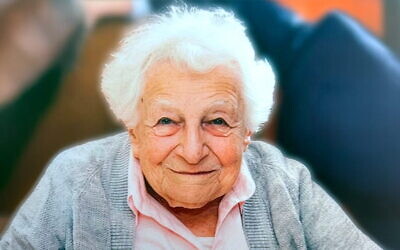
Dame Esther Rantzen says she’s ‘too physically fragile’ for Dignitas
The Childline founder, who is terminally ill with cancer, revealed in 2023 that she had joined the assisted dying clinic in Switzerland
MPs will vote on what is known as Second Reading of the Bill, and if it passes it will continue its journey through Parliament for further consideration by MPs and peers in the House of Lords.
It must pass both Houses to become law although supporters have suggested the Parliament Act – a rarely used piece of legislation which allows for Bills that have been backed by the Commons in two successive sessions but rejected by peers to pass into law without Lords approval – could be used to get the Bill through.
While the Bill passed two votes in the Commons in 2024 and 2025, it ran out of time in the Lords in April and has been reintroduced by Labour MP Lauren Edwards where it must begin the parliamentary process again.
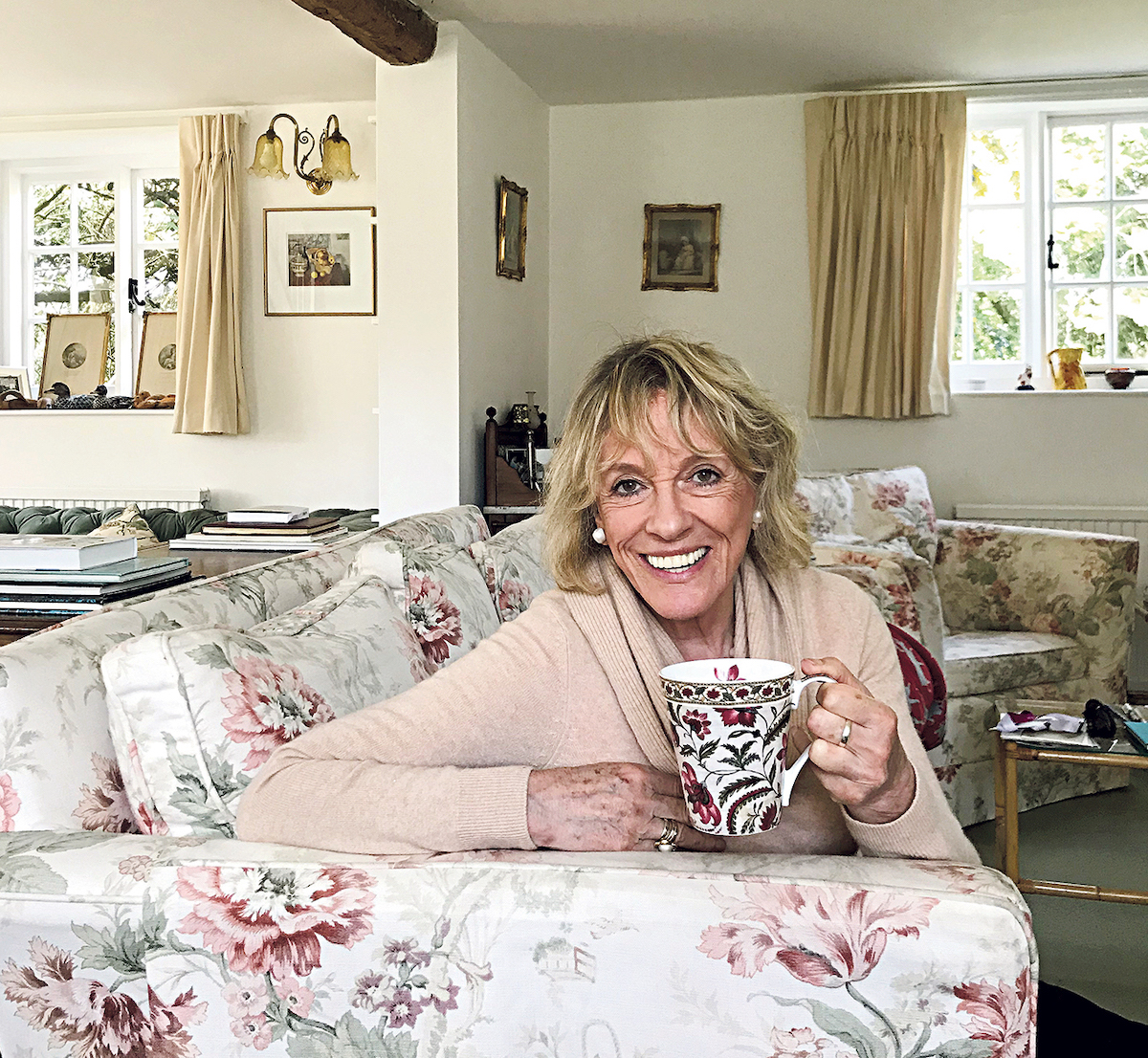
Dame Esther said: “Everything I didn’t want to happen I’m having to go through now, which means that the people I love and care about either cannot visit me, or when they do, see me suffering pain or indignity which will inevitably get between them and our shared happy memories, and may even overwhelm the way they think of me.
“Obviously, I would prefer that my end could be swift and painless and I could ask for help now I’m dying. But I can’t. I knew it would be like this if I died in this country because the current criminal law preventing anyone to help me shorten my death is messy and cruel.”

Dame Esther said she would have had to travel to Dignitas alone, and before she became too ill.
She added: “Why did I not buzz off to Zurich as I had planned when my life became unbearable? Unfortunately, when I was strong enough to make the flight and go to Dignitas, my life was not unbearably painful, indeed I was able to relax in my beloved cottage in the New Forest.
“And by the time life did become unbearable I was too physically fragile to make the journey and go through the Dignitas process.
“So even though I had spent the money and made the plans I was not ready to end my life back then, and did not realise that would be my last chance. ”
She said her experience shows “why it’s so important that future generations will have the choice that is denied to me and other adults”.

Keep community journalism free.
Jewish News is free for everyone. No paywall. No barriers. Just trusted journalism for anyone who wants to stay connected to Jewish life in Britain.
If you value that, please support us.
From as little as £5 a month, you can help keep our journalism free and accessible to all.
Every day, we report on the issues that matter to our community. We celebrate achievements, support charities, challenge antisemitism and ensure Jewish voices are heard more widely.
From as little as £5 a month, you can help us continue to:
- Report on the stories shaping Jewish life in the UK and beyond
- Bring our community together through shared stories, events and campaigns
- Celebrate the people, culture and moments that define our community
- Support organisations doing vital work across Jewish Britain
You can make a one-off donation or become a regular supporter. Every contribution helps keep our journalism free, independent and accessible to all.
If everyone who values Jewish News gave a small amount, it would make a real difference to our future.