Prefer Jewish News on Google
Diplomats warn UK settlement trade ban could aid Netanyahu in Knesset race
Burnham faces pressure over Israel settlement trade ban timing
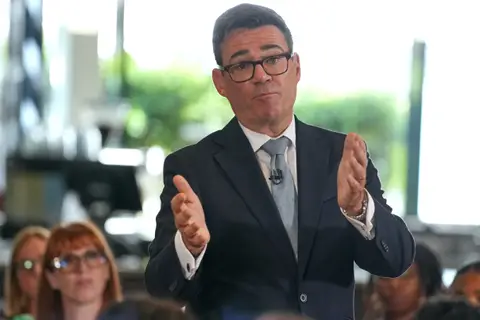
Andy Burnham is facing mounting pressure to delay the announcement of a ban on trade with Israeli settlements, as diplomats warn the timing could inadvertently benefit Benjamin Netanyahu in the upcoming Knesset elections.
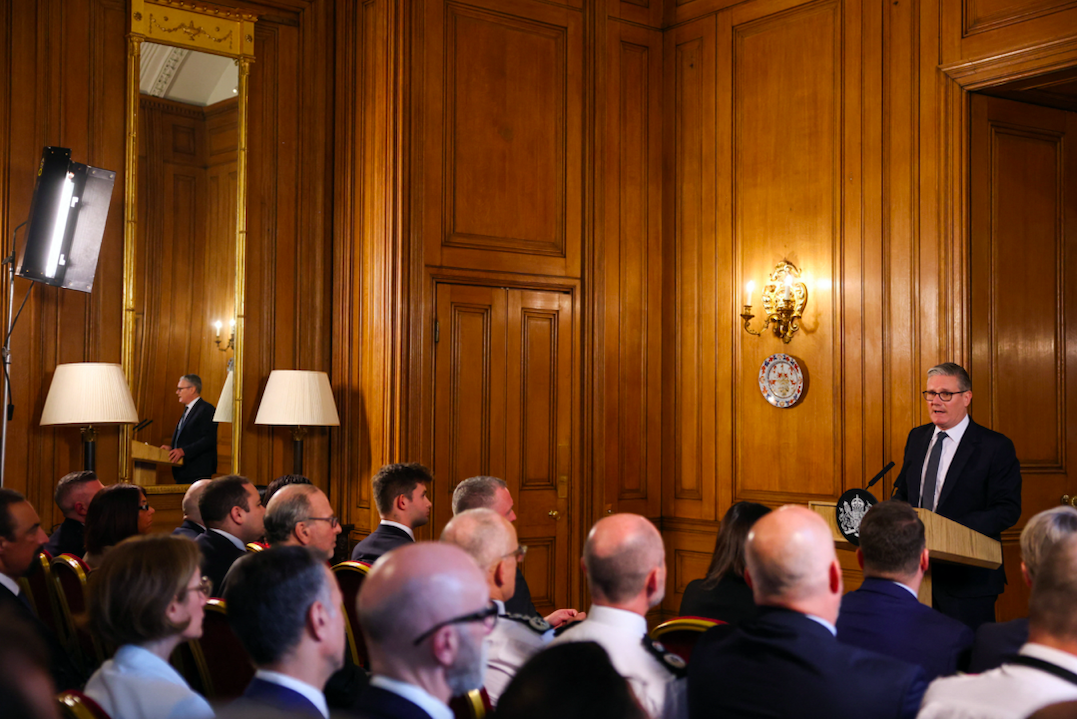
The new UK PM has been persuaded that unveiling a ban on imports from West Bank settlements in the first few weeks of Parliament’s return next month would signal that Labour under his leadership is prepared to take a tougher stance towards the Israeli government than under his predecessor, Keir Starmer.
Burnham recently confirmed that his administration is “exploring taking firmer measures” and expects to make an official announcement soon after Parliament reconvenes from recess.
During a call with the King of Jordan last Saturday, a Downing Street readout stated that on the issue of settler violence in the West Bank, Burnham said he was considering “further measures to deter unacceptable violence.”
Yet, there is a growing argument among Foreign Office diplomats that announcing a settlement trade ban in any form just weeks before the Israeli elections on October 27 could backfire as a foreign policy tool.


Netanyahu has a long history of leveraging international pressure or perceived foreign interference to unify right-wing and centrist voters against an “external threat.”
The Israeli PM frequently frames such actions as proof that Israel is under siege from hostile foreign powers, using this narrative to rally support and portray himself as the only leader capable of defending national interests. In previous campaigns, he has seized on foreign criticism or sanctions to deflect attention from domestic controversies, presenting himself as a bulwark against international meddling and pressuring rivals to close ranks, consolidating his electoral base.
Critics fear that a ban could reinforce this narrative.
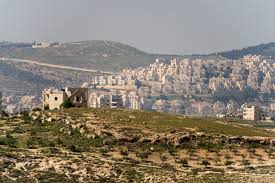
A newly published report by the Labour Friends of Israel group echoed these concerns, stating: “A ban will help the Israeli right and harm the centre and left’s push for international diplomacy.” The group argued that, instead of a trade ban, “Solutions exist for tackling the territorial, political, and demographic challenges posed by settlements.”
A report in the Guardian last weekend also suggested new Foreign Secretary Ed Miliband was not expected to act quickly on Burnham’s claim that Labour needed to “do better” on Gaza.
It noted “a debate is under way as to whether European states would best help the political parties opposed to the Israeli prime minister in the October elections by imposing fresh sanctions, underlining Benjamin Netanyahu’s diplomatic isolation, or whether he would use international disapproval to his domestic advantage.”
The UK government has long sought to pressure Israel over settlement expansion and settler violence by announcing a workable trade ban in coordination with allies, including the EU.
However, a meeting of EU foreign ministers on July 14 ended with the largest cohort of countries supporting new measures, but falling short of the unanimous backing of all member states.
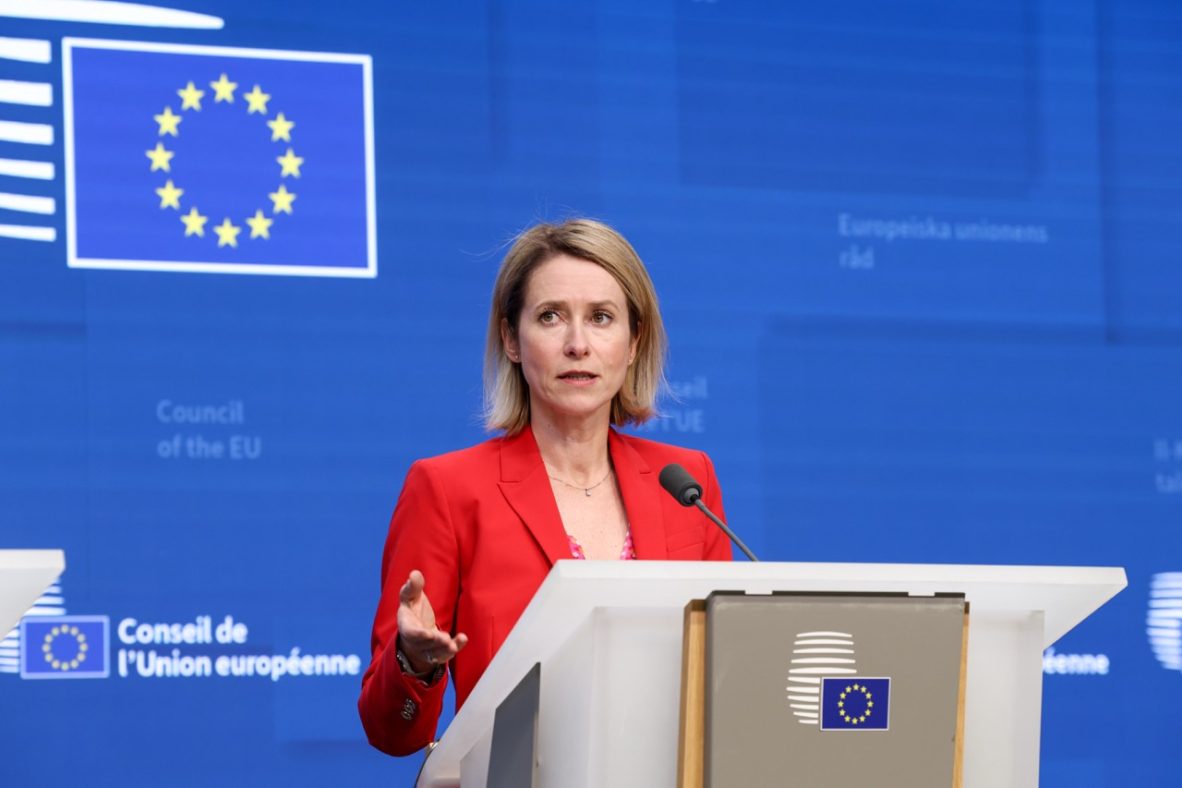
EU foreign policy chief Kaja Kallas indicated that an extraordinary meeting of foreign ministers could be convened to ensure further progress, though the next formal ministerial gathering is not scheduled until October—just weeks before Israel’s legislative elections.
Several diplomats now fear that this sensitive timing could further undermine any progress. Proponents of the trade ban—including Belgium, France, Ireland, Luxembourg, the Netherlands, Spain, and Sweden—have pushed back against the European Commission’s insistence that any measures should be framed as a foreign policy tool, which would require unanimous support.
Hannah McKay/PA Wire
These countries argue that such trading restrictions should instead be considered trade policy, requiring the approval of 15 member states representing 65% of the EU population—a qualified majority that many believe could be achieved.
In the UK, former PM Keir Starmer had previously delayed any announcement of a trade ban due to concerns about timing and the need for international coordination.
Sources close to the previous administration say Starmer was wary of acting unilaterally, preferring to align with EU partners to avoid isolating the UK or undermining broader diplomatic efforts. T
There were also fears that a premature announcement could complicate relations with Washington and trigger backlash from domestic constituencies, leading Starmer to prioritise consensus-building before any public commitment.
The European Commission President, Ursula von der Leyen, has also been accused by critics of obstructing a decision on banning settlement trade, by suggesting that the ban needs the unanimous backing of member states.
Jewish News previously reported on how officials in the Department for Business and Trade and the Foreign Office, who have been working on the sanctions, are acutely aware that there is only a “small window of opportunity” to announce the controversial move.
Israeli elections are set for October 27, and the parliamentary calendar means MPs return on September 1, break again on September 17, and reconvene on October 12—a tight schedule for such a significant policy shift.
Sources told Jewish News there is recognition that some leading communal organisations in the UK are prepared to oppose the ban strongly.
Burnham has also been briefed on the timing of the Jewish High Holy Days—including Rosh Hashanah, which begins on the evening of September 11—and the importance of avoiding contentious announcements regarding Israel during High Holy Days.

Keep community journalism free.
Jewish News is free for everyone. No paywall. No barriers. Just trusted journalism for anyone who wants to stay connected to Jewish life in Britain.
If you value that, please support us.
From as little as £5 a month, you can help keep our journalism free and accessible to all.
Every day, we report on the issues that matter to our community. We celebrate achievements, support charities, challenge antisemitism and ensure Jewish voices are heard more widely.
From as little as £5 a month, you can help us continue to:
- Report on the stories shaping Jewish life in the UK and beyond
- Bring our community together through shared stories, events and campaigns
- Celebrate the people, culture and moments that define our community
- Support organisations doing vital work across Jewish Britain
You can make a one-off donation or become a regular supporter. Every contribution helps keep our journalism free, independent and accessible to all.
If everyone who values Jewish News gave a small amount, it would make a real difference to our future.