Prefer Jewish News on Google

From Ramadan to Pesach: Standing together in dignity
As Ramadan ends and Pesach begins, Mia Hasenson-Gross explores shared Jewish-Muslim values and the enduring importance of human rights
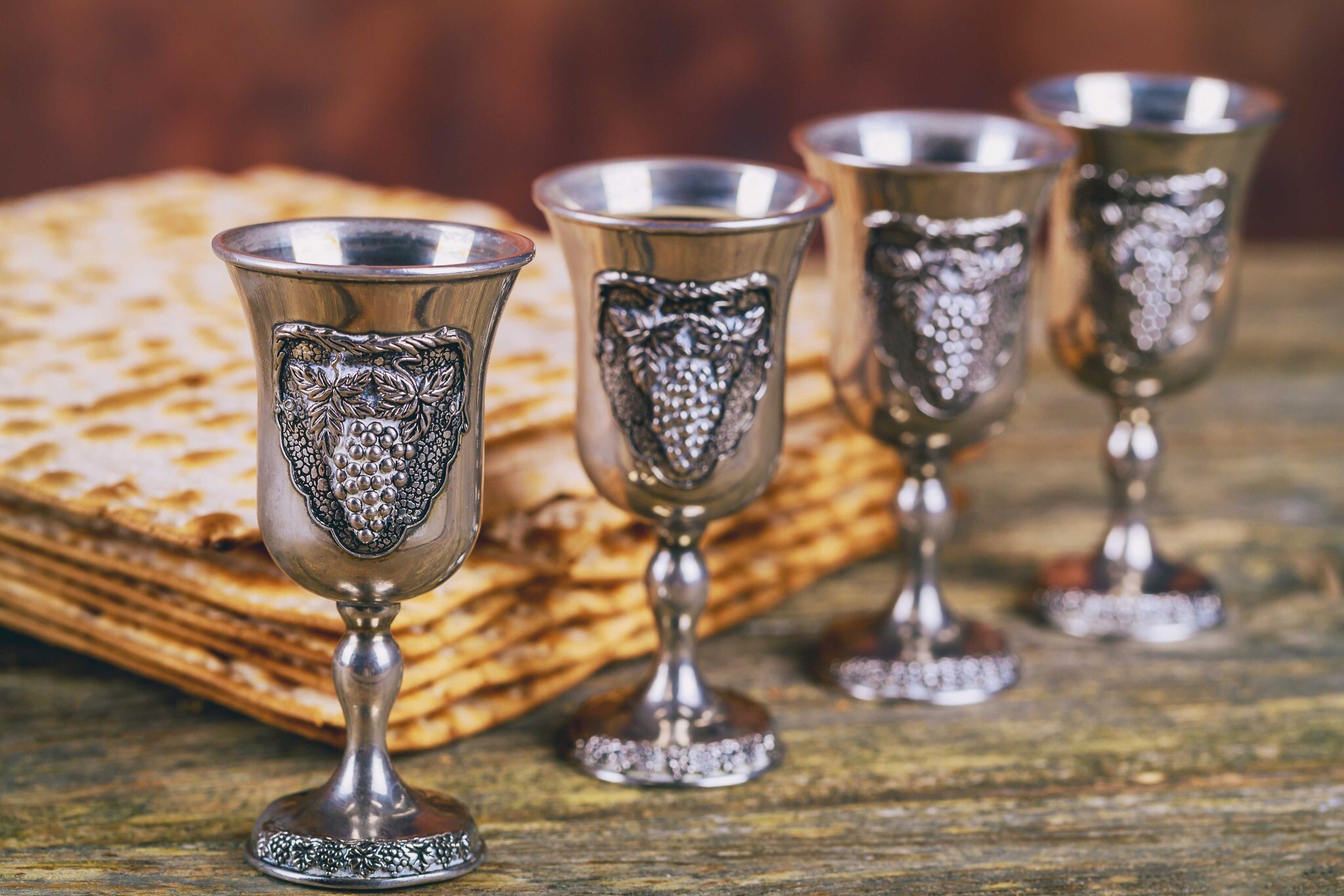
As the holy month of Ramadan draws to a close and we prepare for Pesach, I have been reflecting on the power of shared values, moral courage and genuine community, and how these lie at the heart of why human rights remain so vital.
Islam and Judaism both uphold powerful ethical visions. Many of our teachings around kindness, dignity, compassion and respect come from common scriptural roots, shared prophets, and parallel moral frameworks. And they also sit at the heart of human rights principles.
Kindness, ‘chesed’ or ‘Ihsan’, is a sacred obligation in both faiths; it is not optional. Just like human rights, which are universal, indivisible and apply equally to everyone by virtue of being ‘human’, they are not optional.
Human dignity, ‘kavod ha briyot’ or ‘Karáma’, is a universal God-given right, and it recognises that all people are the children of Adam, created in the image of God. And the Universal Declaration of Human Rights echoes this in its very first line, ‘Whereas recognition of the inherent dignity and of the equal and inalienable rights of all members of the human family is the foundation of freedom, justice and peace in the world.’
Compassion, ‘rahamim’ or ‘rahma’, is among the most repeated divine attributes in both faiths. It is at the moral heart of the human rights system envisaged in the aftermath of the Holocaust – a system that treats everyone with compassion, without ‘othering’ or marginalising anyone. Whether because you belong to a specific ethnic group or religion, or because of life circumstances that forced you to leave your home and seek refuge elsewhere.
And respect, ‘kavod’ or ‘ihtiram’, is essential to building just and peaceful societies, as was envisioned by the Universal Declaration of Human Rights.
Together, these values remind us that hate, discrimination and marginalisation can never be acts of love, kindness or faithfulness. They contradict everything our traditions and our shared humanity call us to be.
Acknowledging these principles requires honesty about the challenges we face. Anti-Jewish hatred and anti-Muslim hatred are real challenges that both communities face today. They affect people we care about. They undermine the dignity we claim for ourselves and each other.
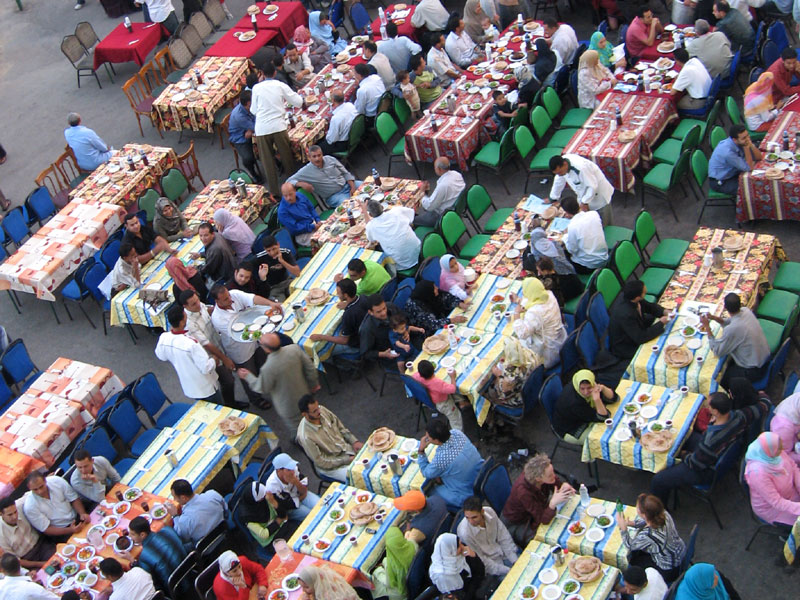
Recognising this reality also creates a shared responsibility: to call out prejudice and hate wherever they arise, to protect one another when it matters most, and to build spaces – from community centres to dinner tables – where everyone feels safe, respected and valued.
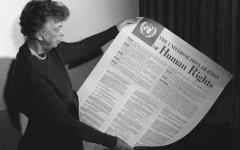
Human rights do not live in documents. They live in the everyday places Eleanor Roosevelt (co-drafter of the Universal Declaration of Human Rights) described in 1958: our neighbourhoods, workplaces, and schools. If rights do not have meaning in those places, she said, they have little meaning anywhere.

For me, as a Jewish woman and human rights activist, I am inspired when we sit around an Eid or Seder table together, when we listen to one another and uphold the dignity of all people, because then we honour not only our traditions but also our common humanity. They strengthen my conviction that dignity is not a slogan; it is something we practice together. They remind me that compassion is not theoretical; it is lived in the moments when communities reach out to one another, especially in difficult times.
As Ramadan ends and Pesach starts, we should continue to nurture these relationships. That we stand together – Muslims, Jews and all communities – in dignity, compassion and solidarity. And that we continue shaping a society where every person is protected, valued and celebrated.
Eid Mubarak and Pesach Same’ach.
- Mia Hasenson-Gross is executive director of René Cassin, a UK-based Jewish human rights organisation

Keep community journalism free.
Jewish News is free for everyone. No paywall. No barriers. Just trusted journalism for anyone who wants to stay connected to Jewish life in Britain.
If you value that, please support us.
From as little as £5 a month, you can help keep our journalism free and accessible to all.
Every day, we report on the issues that matter to our community. We celebrate achievements, support charities, challenge antisemitism and ensure Jewish voices are heard more widely.
From as little as £5 a month, you can help us continue to:
- Report on the stories shaping Jewish life in the UK and beyond
- Bring our community together through shared stories, events and campaigns
- Celebrate the people, culture and moments that define our community
- Support organisations doing vital work across Jewish Britain
You can make a one-off donation or become a regular supporter. Every contribution helps keep our journalism free, independent and accessible to all.
If everyone who values Jewish News gave a small amount, it would make a real difference to our future.